


Computer-Aided Detection Overused in Mammography Screening
|
By MedImaging International staff writers Posted on 07 Nov 2017 |


|
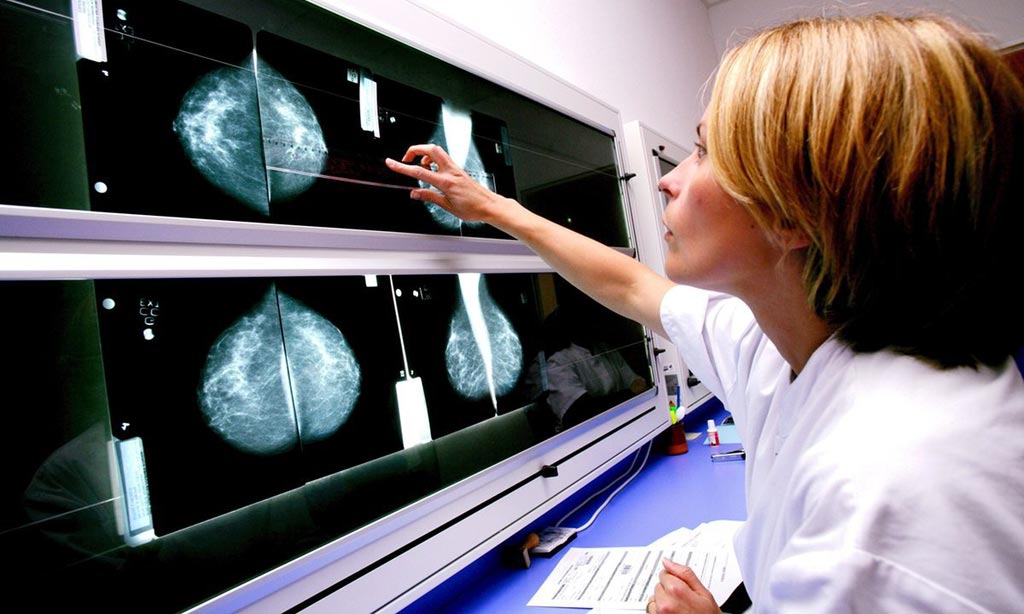
Image: New research asserts computer-aided detection of breast cancer is still being overused (Photo courtesy of Alamy).
Despite its limited accuracy, use of computer-aided detection (CAD) continues unabated at digital screening mammography facilities in the United States, according to a new study.
Researchers at the Hospital of Cook County (Chicago, IL, USA) and the University of Nebraska (UNL; Lincoln, USA) accessed the U.S. Food and Drug Administration (FDA) database of certified mammography facilities to generate a random sample list of 400 (out of approximately 8,500) facilities. In 2008 and 2011, a telephone survey was conducted of the facilities regarding digital mammography and CAD use; in 2016, facility websites were reviewed before calling the facilities. The researchers than assessed the proportion of CAD at the digital facilities for the three surveys.
The results revealed that the mean proportion of digital facilities using CAD was 91.4% in 2008, 90.2% in 2011, and 92.3% in 2016. The difference for 2008 versus 2011 was thus 1.3%, while for 2011 versus 2016 it was -2.1%, and for 2008 versus 2016 it was -0.8%. The researchers noted that despite evidence from the Breast Cancer Surveillance Consortium (BCSC) that shows CAD reduces performance by increasing recalls, decreasing the detection of invasive cancer, and increasing the detection of ductal carcinoma in situ (DCIS), its use increased dramatically along with the conversion from film to digital. The study was published on October 6, 2017, in the Journal of the American College of Radiology.
“Although computer-aided detection appeared promising in earlier studies, in our review of the literature, we could not identify recent peer-reviewed journal articles that report results different from the BCSC,” concluded lead author John Keen, MD, of Cook County Hospital. “This persistent utilization is relevant to the debate on the value of targeting DCIS in screening. Using it as an adjunct to radiologist interpretation may be considered the standard of care in a legal setting, thereby further encouraging its use.”
DCIS is the most common type of non-invasive breast cancer, in which the abnormal cells are contained inside the milk ducts. If DCIS is not treated, it may eventually develop into invasive breast cancer, which can spread outside the ducts into the breast tissue and then possibly to other parts of the body. Since DCIS cannot usually be felt as a breast lump or other breast change, most cases are diagnosed following routine screening with mammograms or ultrasound, appearing as micro-calcifications.
Related Links:
Hospital of Cook County
University of Nebraska







Researchers at the Hospital of Cook County (Chicago, IL, USA) and the University of Nebraska (UNL; Lincoln, USA) accessed the U.S. Food and Drug Administration (FDA) database of certified mammography facilities to generate a random sample list of 400 (out of approximately 8,500) facilities. In 2008 and 2011, a telephone survey was conducted of the facilities regarding digital mammography and CAD use; in 2016, facility websites were reviewed before calling the facilities. The researchers than assessed the proportion of CAD at the digital facilities for the three surveys.
The results revealed that the mean proportion of digital facilities using CAD was 91.4% in 2008, 90.2% in 2011, and 92.3% in 2016. The difference for 2008 versus 2011 was thus 1.3%, while for 2011 versus 2016 it was -2.1%, and for 2008 versus 2016 it was -0.8%. The researchers noted that despite evidence from the Breast Cancer Surveillance Consortium (BCSC) that shows CAD reduces performance by increasing recalls, decreasing the detection of invasive cancer, and increasing the detection of ductal carcinoma in situ (DCIS), its use increased dramatically along with the conversion from film to digital. The study was published on October 6, 2017, in the Journal of the American College of Radiology.
“Although computer-aided detection appeared promising in earlier studies, in our review of the literature, we could not identify recent peer-reviewed journal articles that report results different from the BCSC,” concluded lead author John Keen, MD, of Cook County Hospital. “This persistent utilization is relevant to the debate on the value of targeting DCIS in screening. Using it as an adjunct to radiologist interpretation may be considered the standard of care in a legal setting, thereby further encouraging its use.”
DCIS is the most common type of non-invasive breast cancer, in which the abnormal cells are contained inside the milk ducts. If DCIS is not treated, it may eventually develop into invasive breast cancer, which can spread outside the ducts into the breast tissue and then possibly to other parts of the body. Since DCIS cannot usually be felt as a breast lump or other breast change, most cases are diagnosed following routine screening with mammograms or ultrasound, appearing as micro-calcifications.
Related Links:
Hospital of Cook County
University of Nebraska

New
X-Ray Generator
Advantage Plus Generators
X-Ray Illuminator
X-Ray Viewbox Illuminators
Multi-Use Ultrasound Table
Clinton
Half Apron
Demi
Latest General/Advanced Imaging News
- AI Tool Predicts Side Effects from Lung Cancer Treatment
- AI Tool Offers Prognosis for Patients with Head and Neck Cancer
- New 3D Imaging System Addresses MRI, CT and Ultrasound Limitations
- AI-Based Tool Predicts Future Cardiovascular Events in Angina Patients
- AI-Based Tool Accelerates Detection of Kidney Cancer
- New Algorithm Dramatically Speeds Up Stroke Detection Scans
- 3D Scanning Approach Enables Ultra-Precise Brain Surgery
- AI Tool Improves Medical Imaging Process by 90%
- New Ultrasmall, Light-Sensitive Nanoparticles Could Serve as Contrast Agents
- AI Algorithm Accurately Predicts Pancreatic Cancer Metastasis Using Routine CT Images
- Cutting-Edge Angio-CT Solution Offers New Therapeutic Possibilities
- Extending CT Imaging Detects Hidden Blood Clots in Stroke Patients
- Groundbreaking AI Model Accurately Segments Liver Tumors from CT Scans
- New CT-Based Indicator Helps Predict Life-Threatening Postpartum Bleeding Cases
- CT Colonography Beats Stool DNA Testing for Colon Cancer Screening
- First-Of-Its-Kind Wearable Device Offers Revolutionary Alternative to CT Scans
Channels
Radiography
view channel
AI Boosts Breast Cancer Detection and Cuts Screening Workload
Breast cancer screening programs face rising demand and persistent workforce shortages, straining double-reading workflows and delaying care. Early detection is critical to reduce mortality and minimize... Read more
AI Tool Predicts Breast Cancer Risk Years Ahead Using Routine Mammograms
Breast cancer screening saves lives but still relies largely on uniform schedules despite wide differences in individual risk. This one-size-fits-all approach can miss cancers in higher-risk women while... Read more

MRI
view channel
Combined Imaging Approach Identifies Cause of Heart Attack without Coronary Blockage
Patients who present with myocardial infarction but show no obstructive coronary disease often leave without a definitive diagnosis. That uncertainty complicates in-hospital decision-making and post-discharge... Read more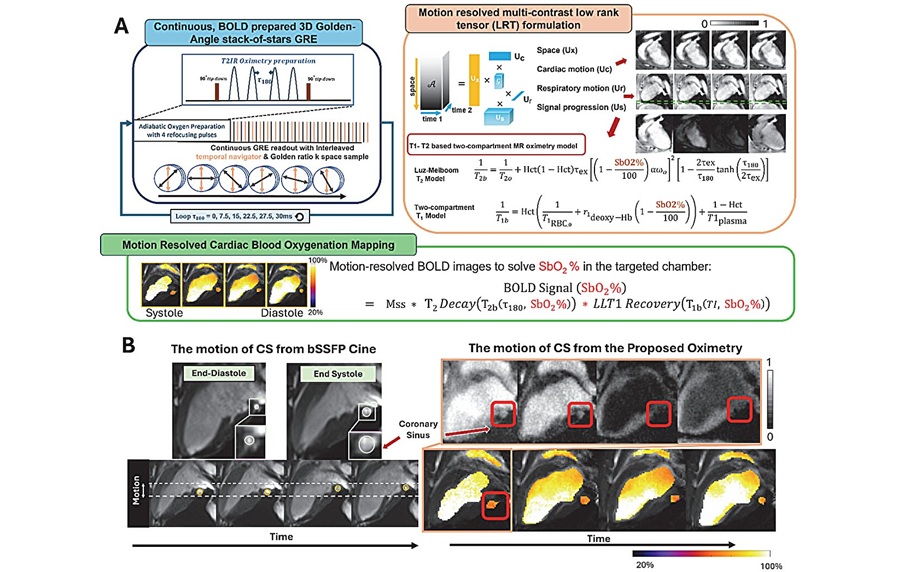
Advanced MRI System Detects Impaired Cardiac Oxygen Use in Minutes
Early identification of cardiac dysfunction remains challenging because current methods to evaluate myocardial oxygen use are invasive or impractical for routine care. Delays in detecting impaired oxygen... Read more
Ultrasound
view channel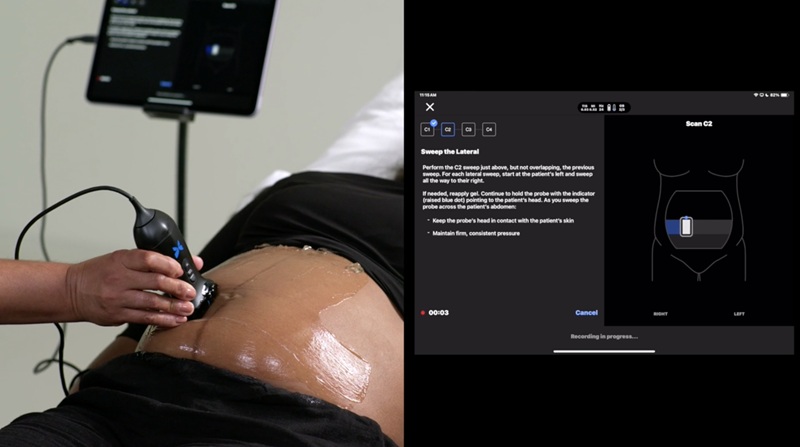
New Ultrasound AI Tool Supports Rapid Prenatal Assessment
Accurate gestational age estimation guides prenatal screening, detection of complications, and timely intervention. Access to ultrasound and trained sonographers is uneven, with nearly half of U.... Read more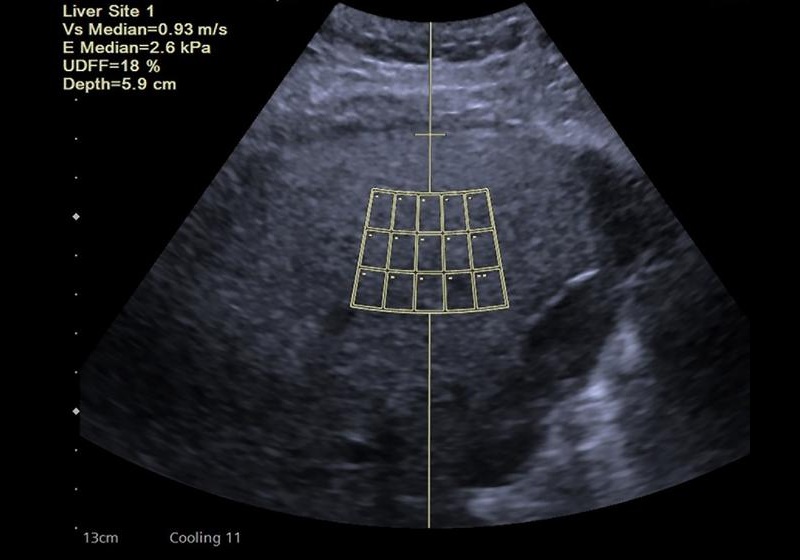
New Consensus Standardizes Ultrasound-Based Fatty Liver Assessment
Metabolic dysfunction-associated steatotic liver disease (MASLD) is rising along with obesity and diabetes, making accurate, scalable measurement of hepatic fat a clinical priority. Biopsy is invasive... Read more

Nuclear Medicine
view channel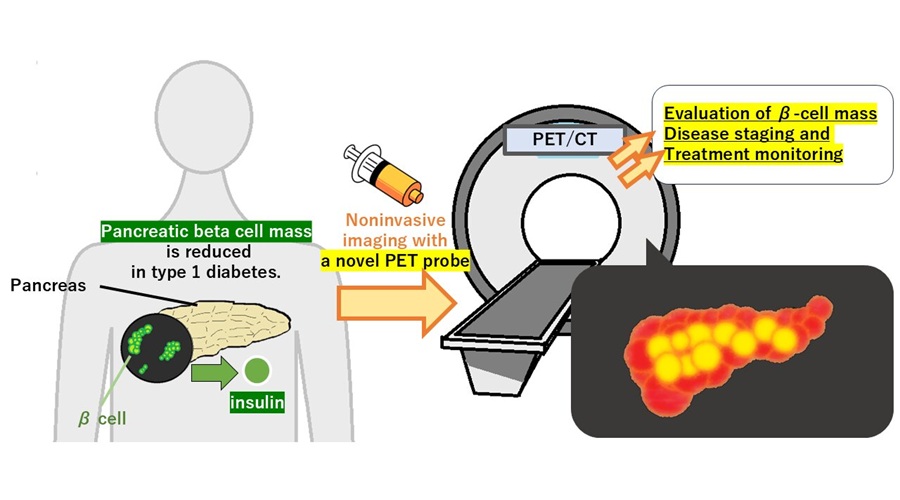
PET Tracer Enables Noninvasive Measurement of Beta Cell Mass
Type 1 diabetes is an autoimmune disease in which the immune system destroys insulin-producing pancreatic beta cells. Loss of these cells destabilizes glucose control and drives complications.... Read more
New Imaging Tool Sheds Light on Tumor Fat Metabolism
Rapidly growing tumors reprogram metabolism to meet high energy demands. While many cancers preferentially consume glucose, lipid utilization by malignant cells is difficult to measure in living subjects.... Read more
Radiopharmaceutical Molecule Marker to Improve Choice of Bladder Cancer Therapies
Targeted cancer therapies only work when tumor cells express the specific molecular structures they are designed to attack. In urothelial carcinoma, a common form of bladder cancer, the cell surface protein... Read more
Imaging IT
view channel
New Google Cloud Medical Imaging Suite Makes Imaging Healthcare Data More Accessible
Medical imaging is a critical tool used to diagnose patients, and there are billions of medical images scanned globally each year. Imaging data accounts for about 90% of all healthcare data1 and, until... Read more
Global AI in Medical Diagnostics Market to Be Driven by Demand for Image Recognition in Radiology
The global artificial intelligence (AI) in medical diagnostics market is expanding with early disease detection being one of its key applications and image recognition becoming a compelling consumer proposition... Read more
Industry News
view channel
Nuclear Medicine Set for Continued Growth Driven by Demand for Precision Diagnostics
Clinical imaging services face rising demand for precise molecular diagnostics and targeted radiopharmaceutical therapy as cancer and chronic disease rates climb. A new market analysis projects rapid expansion... Read more