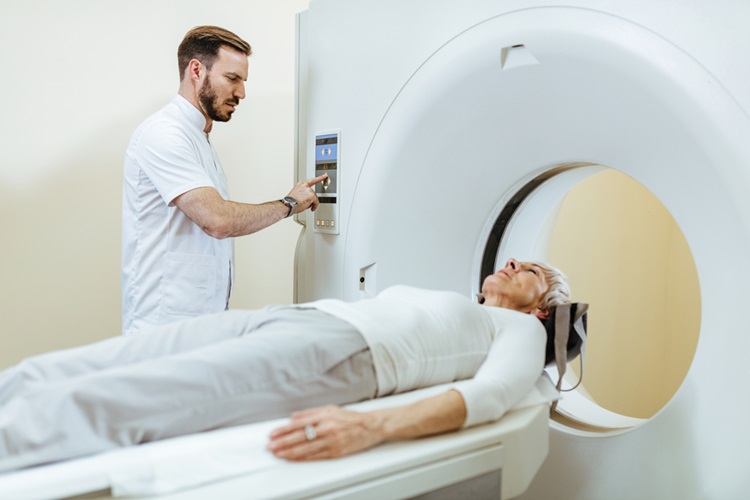



MRI Analysis Software Quantifies Cardiac Flow
|
By MedImaging International staff writers Posted on 15 Dec 2016 |


|
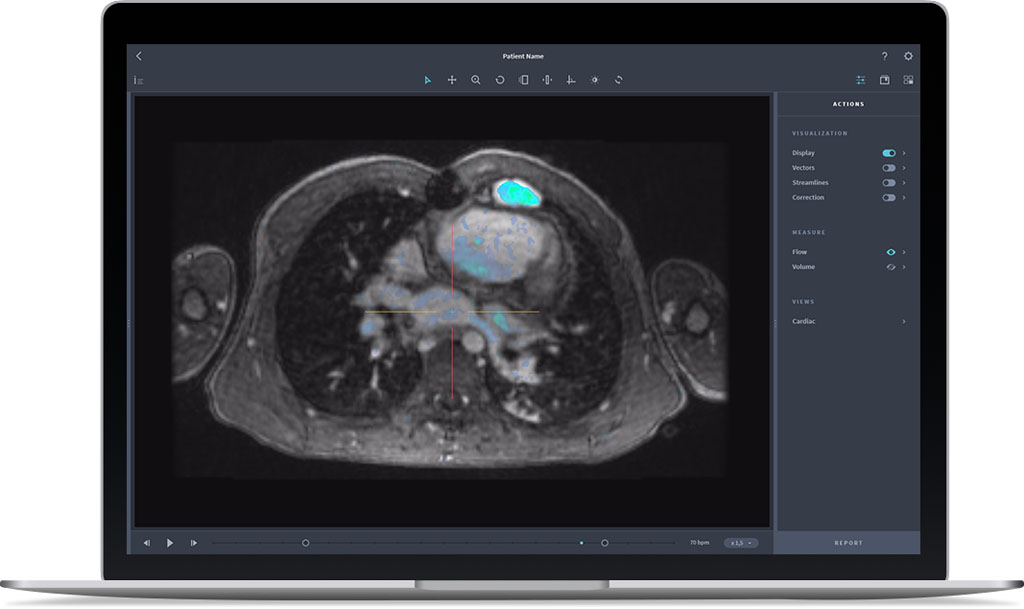
Image: The ViosWorks uses MRI scans to analyze heart function (Photo courtesy of Arterys).
Technologies used to develop three-dimensional (3D) video games can now be used to noninvasively quantify cardiac flow and measure heart function in clinical settings.
The technology, the result of a collaboration between GE Healthcare (GE, Little Chalfont, United Kingdom) and Arterys (San Francisco, CA, USA), analyzes multislice, multiphase, and velocity-encoded magnetic resonance imaging (MRI) scans in four dimensions (4D) in order to assess blood flow to the heart and its major blood vessels. The software, dubbed ViosWorks, has applications that range from congenital heart disease (CHD) and aortic and valvular disease to shunts and collateral vessels.
ViosWorks simultaneously provides key elements of a cardiac MRI exam, including anatomy, function and flow, thus helping to solve several cardiac MRI challenges at once. By operating in a virtual seven dimensions (three in space, one in time, and three in velocity direction), the datasets captured at each time point during the cardiac cycle allow the software to yield high resolution, time-resolved images of the beating heart, supplying a measure of the speed and direction of blood flow at each location.
A key element of ViosWorks is the Arterys cloud-based, machine-learning platform that is designed to deliver ultra-fast visualization and quantification with automatic image analysis. Arterys uses software as a service (SaaS) analytics powered by potent algorithms that allow large datasets to be evaluated in real-time via the cloud-based software, significantly reducing the time spent on data processing and helping promote the new visualization routines. The system is compatible with images from both 1.5-tesla and 3-tesla MRI scanners.
“We believe that our 4D Flow software represents a significant advance in medical imaging, making scans more accessible, useful, and practical for patients and medical professionals,” said Fabien Beckers, CEO of Arterys. “It's not possible for physicians to process all this data themselves. We take advantage of neural networks to process all this data. We have reached the limit on how much a single computer and a single doctor can do with data.”
In the future, GE Healthcare and Arterys hope that machine learning can be used to extract insights from aggregate MRI data analyzed from large numbers of scans taken from different (anonymous) individuals. The Arterys analytics software would search for image features that can be used to predict the advance of a heart condition, and the likelihood that a certain treatment will be successful. Both Arterys and GE Healthcare also plan to extend the use of their technologies to illnesses beyond heart disease, such as imaging brain and musculoskeletal structure, and gaining diagnostic insights in the treatment of diseases such as cancer and multiple sclerosis.
Related Links:
GE Healthcare
Arterys






The technology, the result of a collaboration between GE Healthcare (GE, Little Chalfont, United Kingdom) and Arterys (San Francisco, CA, USA), analyzes multislice, multiphase, and velocity-encoded magnetic resonance imaging (MRI) scans in four dimensions (4D) in order to assess blood flow to the heart and its major blood vessels. The software, dubbed ViosWorks, has applications that range from congenital heart disease (CHD) and aortic and valvular disease to shunts and collateral vessels.
ViosWorks simultaneously provides key elements of a cardiac MRI exam, including anatomy, function and flow, thus helping to solve several cardiac MRI challenges at once. By operating in a virtual seven dimensions (three in space, one in time, and three in velocity direction), the datasets captured at each time point during the cardiac cycle allow the software to yield high resolution, time-resolved images of the beating heart, supplying a measure of the speed and direction of blood flow at each location.
A key element of ViosWorks is the Arterys cloud-based, machine-learning platform that is designed to deliver ultra-fast visualization and quantification with automatic image analysis. Arterys uses software as a service (SaaS) analytics powered by potent algorithms that allow large datasets to be evaluated in real-time via the cloud-based software, significantly reducing the time spent on data processing and helping promote the new visualization routines. The system is compatible with images from both 1.5-tesla and 3-tesla MRI scanners.
“We believe that our 4D Flow software represents a significant advance in medical imaging, making scans more accessible, useful, and practical for patients and medical professionals,” said Fabien Beckers, CEO of Arterys. “It's not possible for physicians to process all this data themselves. We take advantage of neural networks to process all this data. We have reached the limit on how much a single computer and a single doctor can do with data.”
In the future, GE Healthcare and Arterys hope that machine learning can be used to extract insights from aggregate MRI data analyzed from large numbers of scans taken from different (anonymous) individuals. The Arterys analytics software would search for image features that can be used to predict the advance of a heart condition, and the likelihood that a certain treatment will be successful. Both Arterys and GE Healthcare also plan to extend the use of their technologies to illnesses beyond heart disease, such as imaging brain and musculoskeletal structure, and gaining diagnostic insights in the treatment of diseases such as cancer and multiple sclerosis.
Related Links:
GE Healthcare
Arterys

Silver Member
X-Ray QA Device
Accu-Gold+ Touch Pro
Half Apron
Demi
Radiation Safety Barrier
RayShield Intensi-Barrier
Portable X-ray Unit
AJEX140H
Latest MRI News
- Novel Imaging Approach to Improve Treatment for Spinal Cord Injuries
- AI-Assisted Model Enhances MRI Heart Scans
- AI Model Outperforms Doctors at Identifying Patients Most At-Risk of Cardiac Arrest
- New MRI Technique Reveals Hidden Heart Issues
- Shorter MRI Exam Effectively Detects Cancer in Dense Breasts
- MRI to Replace Painful Spinal Tap for Faster MS Diagnosis
- MRI Scans Can Identify Cardiovascular Disease Ten Years in Advance
- Simple Brain Scan Diagnoses Parkinson's Disease Years Before It Becomes Untreatable
- Cutting-Edge MRI Technology to Revolutionize Diagnosis of Common Heart Problem
- New MRI Technique Reveals True Heart Age to Prevent Attacks and Strokes
- AI Tool Predicts Relapse of Pediatric Brain Cancer from Brain MRI Scans
- AI Tool Tracks Effectiveness of Multiple Sclerosis Treatments Using Brain MRI Scans
- Ultra-Powerful MRI Scans Enable Life-Changing Surgery in Treatment-Resistant Epileptic Patients
- AI-Powered MRI Technology Improves Parkinson’s Diagnoses
- Biparametric MRI Combined with AI Enhances Detection of Clinically Significant Prostate Cancer
- First-Of-Its-Kind AI-Driven Brain Imaging Platform to Better Guide Stroke Treatment Options
Channels
Radiography
view channel
X-Ray Breakthrough Captures Three Image-Contrast Types in Single Shot
Detecting early-stage cancer or subtle changes deep inside tissues has long challenged conventional X-ray systems, which rely only on how structures absorb radiation. This limitation keeps many microstructural... Read more
AI Generates Future Knee X-Rays to Predict Osteoarthritis Progression Risk
Osteoarthritis, a degenerative joint disease affecting over 500 million people worldwide, is the leading cause of disability among older adults. Current diagnostic tools allow doctors to assess damage... Read more
Ultrasound
view channel
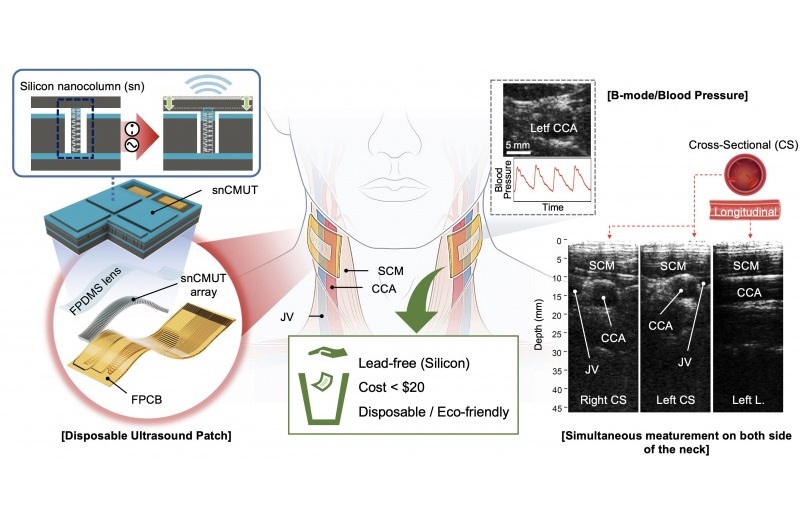
Wearable Ultrasound Imaging System to Enable Real-Time Disease Monitoring
Chronic conditions such as hypertension and heart failure require close monitoring, yet today’s ultrasound imaging is largely confined to hospitals and short, episodic scans. This reactive model limits... Read more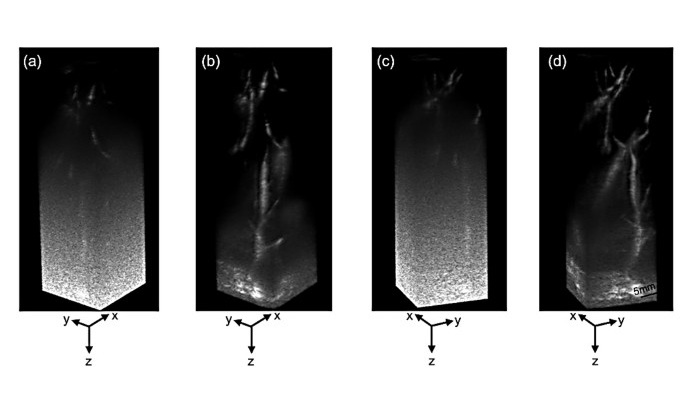
Ultrasound Technique Visualizes Deep Blood Vessels in 3D Without Contrast Agents
Producing clear 3D images of deep blood vessels has long been difficult without relying on contrast agents, CT scans, or MRI. Standard ultrasound typically provides only 2D cross-sections, limiting clinicians’... Read more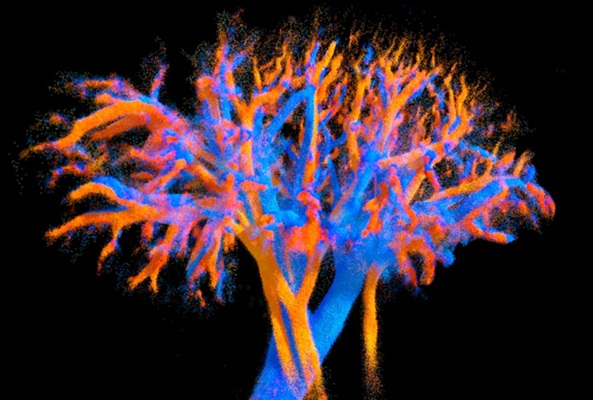
Nuclear Medicine
view channel
PET Imaging of Inflammation Predicts Recovery and Guides Therapy After Heart Attack
Acute myocardial infarction can trigger lasting heart damage, yet clinicians still lack reliable tools to identify which patients will regain function and which may develop heart failure.... Read more
Radiotheranostic Approach Detects, Kills and Reprograms Aggressive Cancers
Aggressive cancers such as osteosarcoma and glioblastoma often resist standard therapies, thrive in hostile tumor environments, and recur despite surgery, radiation, or chemotherapy. These tumors also... Read more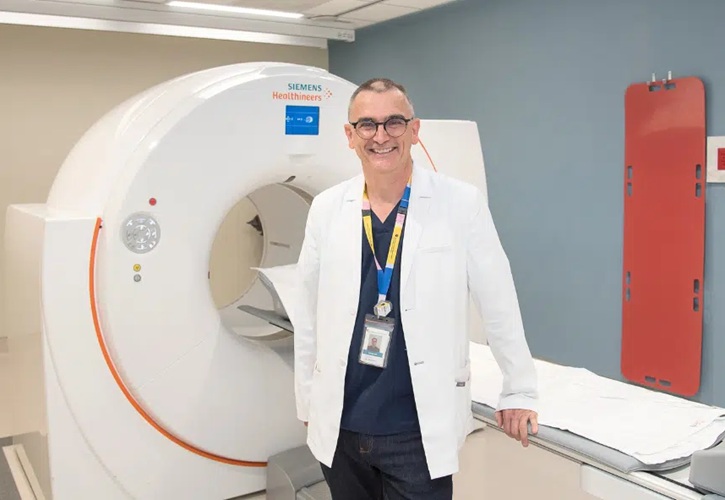
New Imaging Solution Improves Survival for Patients with Recurring Prostate Cancer
Detecting recurrent prostate cancer remains one of the most difficult challenges in oncology, as standard imaging methods such as bone scans and CT scans often fail to accurately locate small or early-stage tumors.... Read more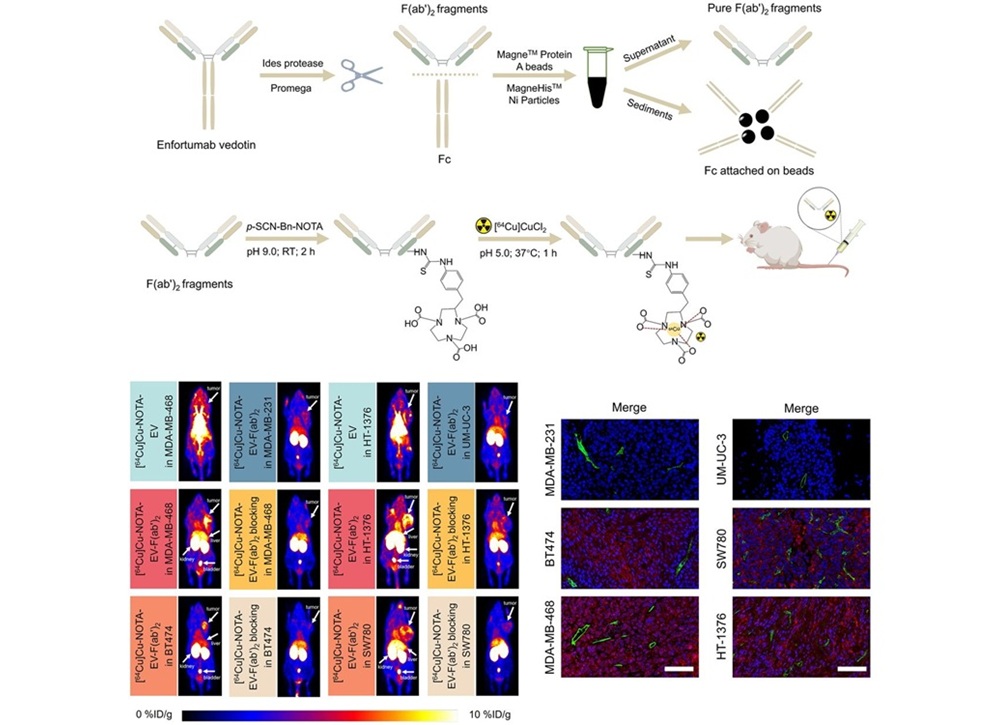
General/Advanced Imaging
view channel
3D Scanning Approach Enables Ultra-Precise Brain Surgery
Precise navigation is critical in neurosurgery, yet even small alignment errors can affect outcomes when operating deep within the brain. A new 3D surface-scanning approach now provides a radiation-free... Read more
AI Tool Improves Medical Imaging Process by 90%
Accurately labeling different regions within medical scans, a process known as medical image segmentation, is critical for diagnosis, surgery planning, and research. Traditionally, this has been a manual... Read more
New Ultrasmall, Light-Sensitive Nanoparticles Could Serve as Contrast Agents
Medical imaging technologies face ongoing challenges in capturing accurate, detailed views of internal processes, especially in conditions like cancer, where tracking disease development and treatment... Read more
AI Algorithm Accurately Predicts Pancreatic Cancer Metastasis Using Routine CT Images
In pancreatic cancer, detecting whether the disease has spread to other organs is critical for determining whether surgery is appropriate. If metastasis is present, surgery is not recommended, yet current... Read moreImaging IT
view channel
New Google Cloud Medical Imaging Suite Makes Imaging Healthcare Data More Accessible
Medical imaging is a critical tool used to diagnose patients, and there are billions of medical images scanned globally each year. Imaging data accounts for about 90% of all healthcare data1 and, until... Read more
Global AI in Medical Diagnostics Market to Be Driven by Demand for Image Recognition in Radiology
The global artificial intelligence (AI) in medical diagnostics market is expanding with early disease detection being one of its key applications and image recognition becoming a compelling consumer proposition... Read more
Industry News
view channel
GE HealthCare and NVIDIA Collaboration to Reimagine Diagnostic Imaging
GE HealthCare (Chicago, IL, USA) has entered into a collaboration with NVIDIA (Santa Clara, CA, USA), expanding the existing relationship between the two companies to focus on pioneering innovation in... Read more
Patient-Specific 3D-Printed Phantoms Transform CT Imaging
New research has highlighted how anatomically precise, patient-specific 3D-printed phantoms are proving to be scalable, cost-effective, and efficient tools in the development of new CT scan algorithms... Read more
Siemens and Sectra Collaborate on Enhancing Radiology Workflows
Siemens Healthineers (Forchheim, Germany) and Sectra (Linköping, Sweden) have entered into a collaboration aimed at enhancing radiologists' diagnostic capabilities and, in turn, improving patient care... Read more