Scientists Build $8.6 Million Imaging Suite to Speed Epidemics Diagnosis
|
By MedImaging International staff writers Posted on 25 Aug 2011 |


|
A collaboration effort has been initiated to develop new imaging technology that could be used to help identify the beginning--and cause--of an epidemic.
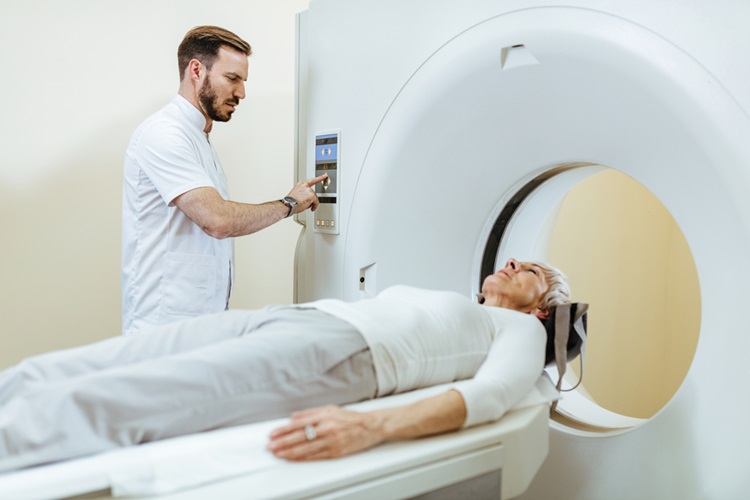
The partnership is between the Methodist Hospital Research Institute (Houston, TX, USA) and Philips Healthcare (Best, The Netherlands). King Li, MD, radiology chair and the project’s leader, and other Methodist scientists will utilize an US$8.6 million imaging suite that includes an magnetic resonance imaging (MRI), a positron emission tomography-computed tomography (PET-CT) scanner, a single photon emission computed tomography-computed tomography (SPECT-CT) scanner, and an X-ray C-arm to study patterns of tissue damage and metabolic disarray caused by different infectious disease agents--without exposing the devices or suite rooms to the infectious agents. The suite is scheduled to be completed later in August 2011.
“The ability to have imaging suites that can handle high level infectious agents allows us to be more prepared in the community for these types of events and, more importantly, allows us to study ways to deal with their consequences,” Dr. Li said.
Airtight containment vessels make it possible for samples and infected research models to be imaged without posing risks of exposure to patients, researchers, or staff. Sophisticated technology also allows for rapid image scanning, so that time series imagery is possible. “No one can do longitudinal imaging studies anywhere at the moment,” said Ed Jones, vice president of operations for The Methodist Hospital Research Institute. “Researchers at Methodist will be able to do live imaging studies that give them crucial information about how and where infections are progressing. This is what can happen when the best scientists and engineers from academia and industry become partners in advancing the state of the art in medical technology.”
Methodist will be the sole practical test site for the development of the technology.
The purpose of the suite is to study pathogens that require biosafety level 3 (BSL-3) containment. BSL-3 pathogens include the bacteria that cause tuberculosis. “This imaging facility will be the first of its kind,” said James M. Musser, MD, PhD, chair of the department of pathology and laboratory medicine and director of the Center for Molecular and Translational Human Infectious Diseases Research at The Methodist Hospital. “Our facility will permit us to translate critical new discoveries into the clinic, permitting accelerated development of novel diagnostic strategies and assessment of new therapeutic agents and vaccines.”
According to Dr. King Li, the idea that imaging techniques might be used to shield populations from epidemiologic harm is nearly 10 years old. “After 9/11 and the SARS [severe acute respiratory syndrome] outbreak in southeast Asia, the NIH [US National Institutes of Health; Bethesda, MD, USA] wanted to build a BSL-4 imaging suite for studying infectious agents, both natural and bioterrorism-related,” Dr. Li said. “I was at the NIH at the time, and helped design the imaging equipment for that facility.”
Dr. Li’s research with Philips led to two pending imaging patents. A containment vessel will keep the subjects--initially model organisms--isolated from the unexposed space around it. Each vessel, or imaging cell, is accompanied by an external life support device on a transport trolley. The trolley is also used to maneuver the subject into place for imaging.
One of the project’s ultimate goals, Dr. Li reported, is to develop a similar facility that is equipped to diagnose infectious diseases in a large influx of (human) patients. “If the partnership with Philips is successful, The Methodist Hospital Research Institute can take the next steps toward creating the only clinic in the world expressly designed to image patients with infectious agents, such as multidrug-resistant TB,” Dr. Li said. “This will allow for medical centers in the world to be more prepared for emerging diseases and bioterrorism.”
The specific systems provided by Philips are the Ingenia 3T, Gemini TF 64, Precedence 16, and Veradius mobile C-arm.
Related Links:
Methodist Hospital Research Institute
Philips Healthcare






The partnership is between the Methodist Hospital Research Institute (Houston, TX, USA) and Philips Healthcare (Best, The Netherlands). King Li, MD, radiology chair and the project’s leader, and other Methodist scientists will utilize an US$8.6 million imaging suite that includes an magnetic resonance imaging (MRI), a positron emission tomography-computed tomography (PET-CT) scanner, a single photon emission computed tomography-computed tomography (SPECT-CT) scanner, and an X-ray C-arm to study patterns of tissue damage and metabolic disarray caused by different infectious disease agents--without exposing the devices or suite rooms to the infectious agents. The suite is scheduled to be completed later in August 2011.
“The ability to have imaging suites that can handle high level infectious agents allows us to be more prepared in the community for these types of events and, more importantly, allows us to study ways to deal with their consequences,” Dr. Li said.
Airtight containment vessels make it possible for samples and infected research models to be imaged without posing risks of exposure to patients, researchers, or staff. Sophisticated technology also allows for rapid image scanning, so that time series imagery is possible. “No one can do longitudinal imaging studies anywhere at the moment,” said Ed Jones, vice president of operations for The Methodist Hospital Research Institute. “Researchers at Methodist will be able to do live imaging studies that give them crucial information about how and where infections are progressing. This is what can happen when the best scientists and engineers from academia and industry become partners in advancing the state of the art in medical technology.”
Methodist will be the sole practical test site for the development of the technology.
The purpose of the suite is to study pathogens that require biosafety level 3 (BSL-3) containment. BSL-3 pathogens include the bacteria that cause tuberculosis. “This imaging facility will be the first of its kind,” said James M. Musser, MD, PhD, chair of the department of pathology and laboratory medicine and director of the Center for Molecular and Translational Human Infectious Diseases Research at The Methodist Hospital. “Our facility will permit us to translate critical new discoveries into the clinic, permitting accelerated development of novel diagnostic strategies and assessment of new therapeutic agents and vaccines.”
According to Dr. King Li, the idea that imaging techniques might be used to shield populations from epidemiologic harm is nearly 10 years old. “After 9/11 and the SARS [severe acute respiratory syndrome] outbreak in southeast Asia, the NIH [US National Institutes of Health; Bethesda, MD, USA] wanted to build a BSL-4 imaging suite for studying infectious agents, both natural and bioterrorism-related,” Dr. Li said. “I was at the NIH at the time, and helped design the imaging equipment for that facility.”
Dr. Li’s research with Philips led to two pending imaging patents. A containment vessel will keep the subjects--initially model organisms--isolated from the unexposed space around it. Each vessel, or imaging cell, is accompanied by an external life support device on a transport trolley. The trolley is also used to maneuver the subject into place for imaging.
One of the project’s ultimate goals, Dr. Li reported, is to develop a similar facility that is equipped to diagnose infectious diseases in a large influx of (human) patients. “If the partnership with Philips is successful, The Methodist Hospital Research Institute can take the next steps toward creating the only clinic in the world expressly designed to image patients with infectious agents, such as multidrug-resistant TB,” Dr. Li said. “This will allow for medical centers in the world to be more prepared for emerging diseases and bioterrorism.”
The specific systems provided by Philips are the Ingenia 3T, Gemini TF 64, Precedence 16, and Veradius mobile C-arm.
Related Links:
Methodist Hospital Research Institute
Philips Healthcare

Digital Intelligent Ferromagnetic Detector
Digital Ferromagnetic Detector
Pocket Fetal Doppler
CONTEC10C/CL
Mobile X-Ray System
K4W
Biopsy Software
Affirm® Contrast
Latest MRI News
- Novel Imaging Approach to Improve Treatment for Spinal Cord Injuries
- AI-Assisted Model Enhances MRI Heart Scans
- AI Model Outperforms Doctors at Identifying Patients Most At-Risk of Cardiac Arrest
- New MRI Technique Reveals Hidden Heart Issues
- Shorter MRI Exam Effectively Detects Cancer in Dense Breasts
- MRI to Replace Painful Spinal Tap for Faster MS Diagnosis
- MRI Scans Can Identify Cardiovascular Disease Ten Years in Advance
- Simple Brain Scan Diagnoses Parkinson's Disease Years Before It Becomes Untreatable
- Cutting-Edge MRI Technology to Revolutionize Diagnosis of Common Heart Problem
- New MRI Technique Reveals True Heart Age to Prevent Attacks and Strokes
- AI Tool Predicts Relapse of Pediatric Brain Cancer from Brain MRI Scans
- AI Tool Tracks Effectiveness of Multiple Sclerosis Treatments Using Brain MRI Scans
- Ultra-Powerful MRI Scans Enable Life-Changing Surgery in Treatment-Resistant Epileptic Patients
- AI-Powered MRI Technology Improves Parkinson’s Diagnoses
- Biparametric MRI Combined with AI Enhances Detection of Clinically Significant Prostate Cancer
- First-Of-Its-Kind AI-Driven Brain Imaging Platform to Better Guide Stroke Treatment Options
Channels
Radiography
view channel
X-Ray Breakthrough Captures Three Image-Contrast Types in Single Shot
Detecting early-stage cancer or subtle changes deep inside tissues has long challenged conventional X-ray systems, which rely only on how structures absorb radiation. This limitation keeps many microstructural... Read more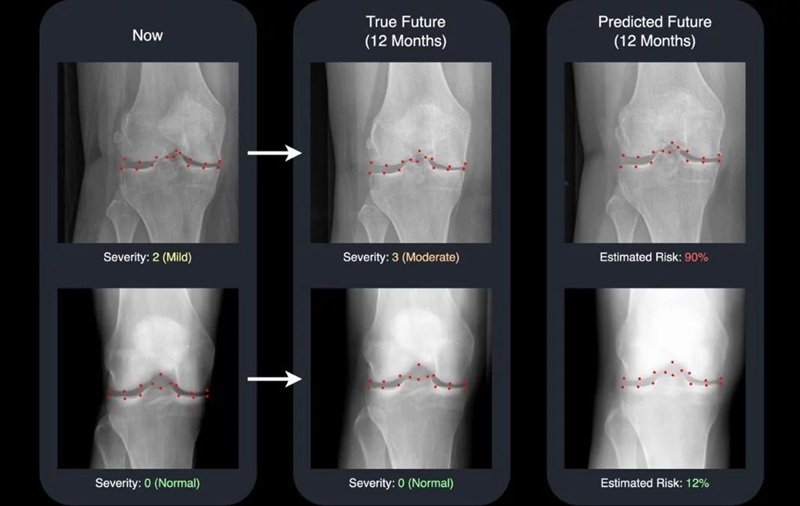
AI Generates Future Knee X-Rays to Predict Osteoarthritis Progression Risk
Osteoarthritis, a degenerative joint disease affecting over 500 million people worldwide, is the leading cause of disability among older adults. Current diagnostic tools allow doctors to assess damage... Read more
Ultrasound
view channel
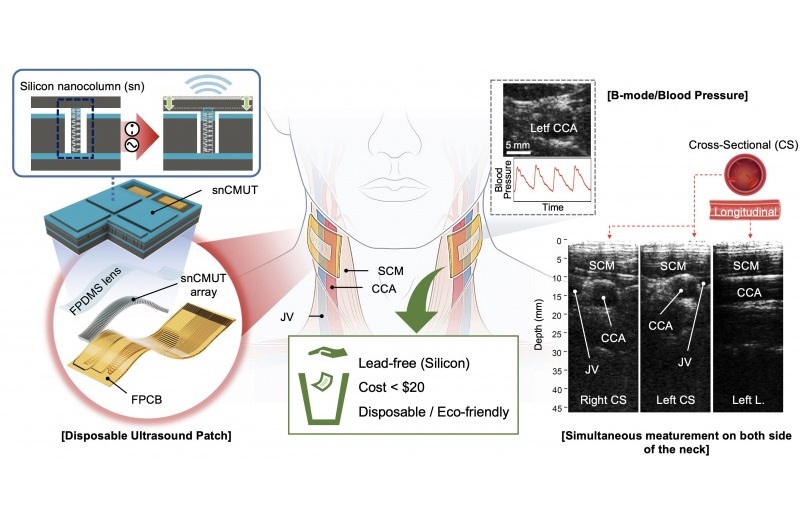
Wearable Ultrasound Imaging System to Enable Real-Time Disease Monitoring
Chronic conditions such as hypertension and heart failure require close monitoring, yet today’s ultrasound imaging is largely confined to hospitals and short, episodic scans. This reactive model limits... Read more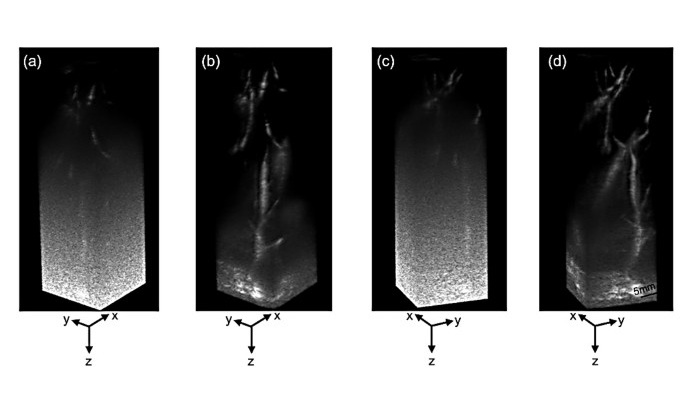
Ultrasound Technique Visualizes Deep Blood Vessels in 3D Without Contrast Agents
Producing clear 3D images of deep blood vessels has long been difficult without relying on contrast agents, CT scans, or MRI. Standard ultrasound typically provides only 2D cross-sections, limiting clinicians’... Read more
Nuclear Medicine
view channel
PET Imaging of Inflammation Predicts Recovery and Guides Therapy After Heart Attack
Acute myocardial infarction can trigger lasting heart damage, yet clinicians still lack reliable tools to identify which patients will regain function and which may develop heart failure.... Read more
Radiotheranostic Approach Detects, Kills and Reprograms Aggressive Cancers
Aggressive cancers such as osteosarcoma and glioblastoma often resist standard therapies, thrive in hostile tumor environments, and recur despite surgery, radiation, or chemotherapy. These tumors also... Read more
New Imaging Solution Improves Survival for Patients with Recurring Prostate Cancer
Detecting recurrent prostate cancer remains one of the most difficult challenges in oncology, as standard imaging methods such as bone scans and CT scans often fail to accurately locate small or early-stage tumors.... Read more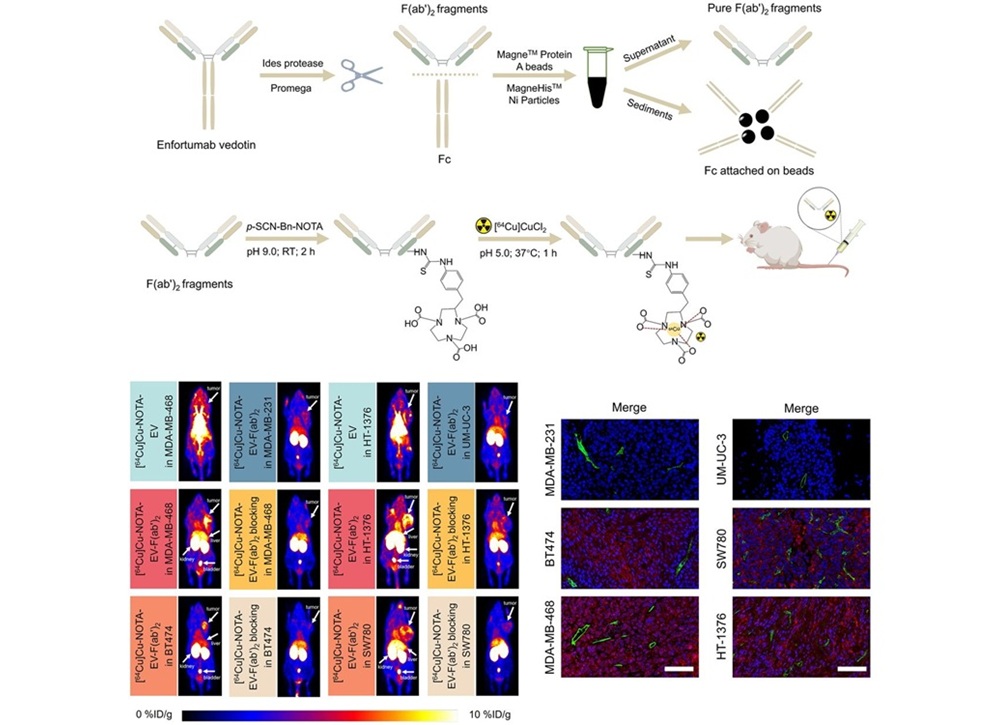
General/Advanced Imaging
view channel
3D Scanning Approach Enables Ultra-Precise Brain Surgery
Precise navigation is critical in neurosurgery, yet even small alignment errors can affect outcomes when operating deep within the brain. A new 3D surface-scanning approach now provides a radiation-free... Read more
AI Tool Improves Medical Imaging Process by 90%
Accurately labeling different regions within medical scans, a process known as medical image segmentation, is critical for diagnosis, surgery planning, and research. Traditionally, this has been a manual... Read more
New Ultrasmall, Light-Sensitive Nanoparticles Could Serve as Contrast Agents
Medical imaging technologies face ongoing challenges in capturing accurate, detailed views of internal processes, especially in conditions like cancer, where tracking disease development and treatment... Read more
AI Algorithm Accurately Predicts Pancreatic Cancer Metastasis Using Routine CT Images
In pancreatic cancer, detecting whether the disease has spread to other organs is critical for determining whether surgery is appropriate. If metastasis is present, surgery is not recommended, yet current... Read moreImaging IT
view channel
New Google Cloud Medical Imaging Suite Makes Imaging Healthcare Data More Accessible
Medical imaging is a critical tool used to diagnose patients, and there are billions of medical images scanned globally each year. Imaging data accounts for about 90% of all healthcare data1 and, until... Read more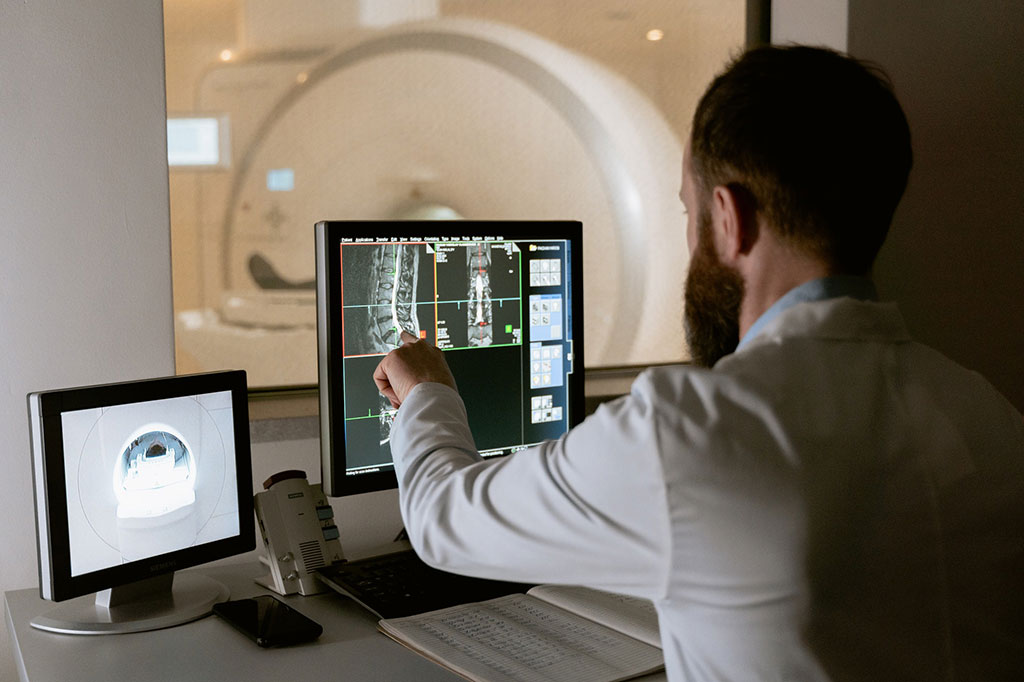
Global AI in Medical Diagnostics Market to Be Driven by Demand for Image Recognition in Radiology
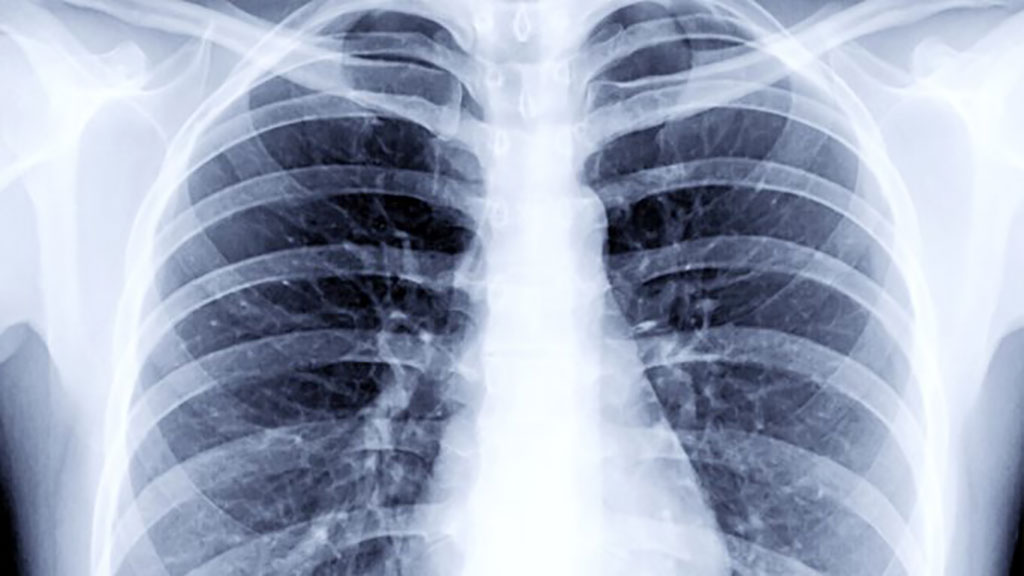
The global artificial intelligence (AI) in medical diagnostics market is expanding with early disease detection being one of its key applications and image recognition becoming a compelling consumer proposition... Read more
Industry News
view channel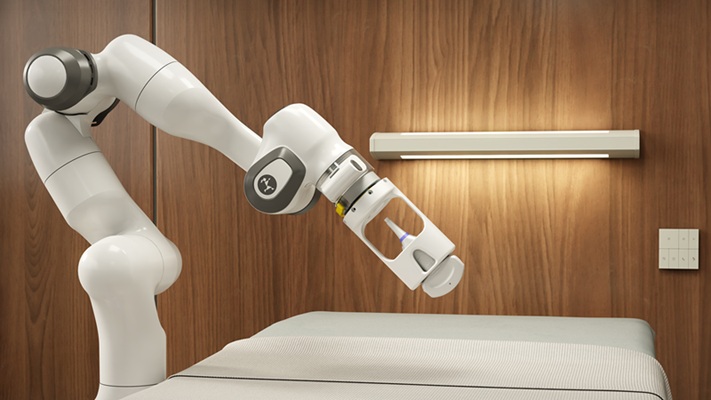
GE HealthCare and NVIDIA Collaboration to Reimagine Diagnostic Imaging
GE HealthCare (Chicago, IL, USA) has entered into a collaboration with NVIDIA (Santa Clara, CA, USA), expanding the existing relationship between the two companies to focus on pioneering innovation in... Read more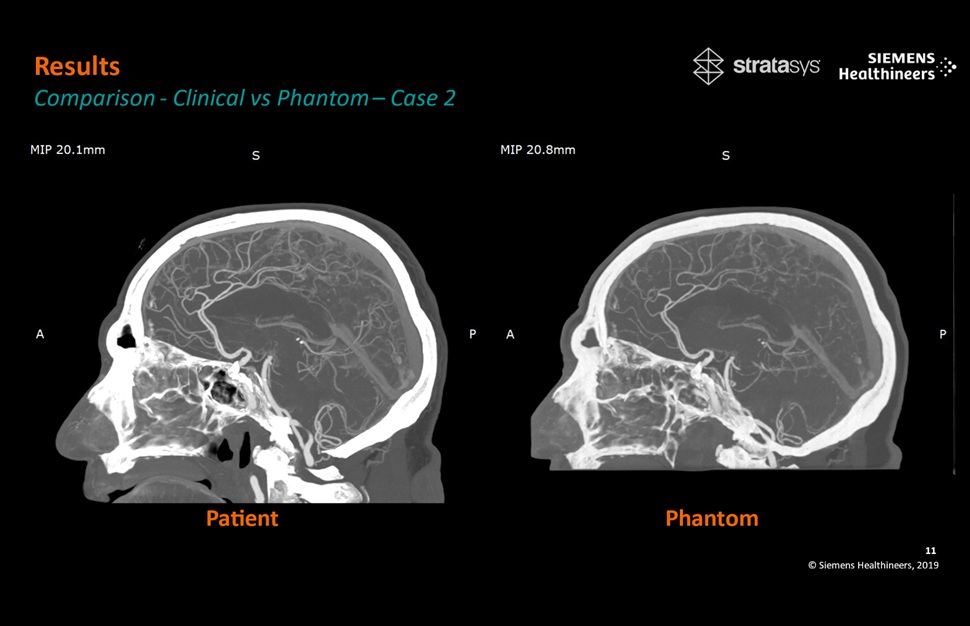
Patient-Specific 3D-Printed Phantoms Transform CT Imaging
New research has highlighted how anatomically precise, patient-specific 3D-printed phantoms are proving to be scalable, cost-effective, and efficient tools in the development of new CT scan algorithms... Read more
Siemens and Sectra Collaborate on Enhancing Radiology Workflows
Siemens Healthineers (Forchheim, Germany) and Sectra (Linköping, Sweden) have entered into a collaboration aimed at enhancing radiologists' diagnostic capabilities and, in turn, improving patient care... Read more