


Visualization and Analysis Software Provides New Clinical Functionality and Workflow Capabilities
|
By MedImaging International staff writers Posted on 12 Jul 2010 |


|
New visualization and software applications include cardiac multichamber analysis with adult and pediatric options that automate atrial and ventricular chamber analysis and leverage low-dose computed tomography (CT) scanning protocols. Clinical enhancements to cardiac structural analysis tools, vessel probe and vessel walk, allow easy navigation through complex cardiovascular anatomy
Vital Images, Inc. (Minneapolis, MN, USA), a provider of advanced visualization and analysis software, announced the immediate availability of Vitrea Enterprise Suite 1.3 with new clinical capabilities including adult and pediatric cardiac applications, and an enriched set of workflow tools. Less than six months after releasing the company's 1.2 version, Vital Images builds upon Vitrea Enterprise Suite's effectiveness and ease of use via the web in a true thin client solution.
A range of additional workflow features make it easier to review CT and MR scans, while a new edge-detecting contouring tool, single-click volume segmentation and improved report access streamline case reviews and enhance communication between clinicians.
Vitrea Enterprise Suite 1.3 also now enables web-based access to MeVis Visia CT Lung, the first clinically validated computer-aided detection (CAD) system for chest CT. MeVis' patented CAD technology platform seamlessly integrates within Vital Images' optimized reading workflow. In addition, Medicsight ColonCAD integration and a new myocardial perfusion application are available outside the United States.
"Vitrea Enterprise Suite is designed to make complex, imaging-based clinical information simple so clinicians can make fast, effective decisions that improve patient lives. We are committed to continually providing software improvements that increase efficiency and improve patient diagnosis and outcomes,” said Erkan Akyuz, executive vice president product strategy and development, Vital Images. "The new cardiac capabilities and the introduction of pediatric functionality take advantage of Vitrea Enterprise Suite's robust, scalable, thin client architecture which serves as the foundation for these exciting features and enables innovative product development.”
TheVitrea Enterprise Suite (VES) is a package of advanced visualization tools, clinical applications, and data management systems that produce 3D and 4D images to show anatomic structures and physiologic function using computed tomography (CT) and magnetic resonance (MR) image data, supplying information to promote more informed clinical decisions during analysis and treatment planning processes. Vitrea fX is designed specifically for the Toshiba Medical Systems' (Tokyo, Japan) AquilionONE CT scanner. The Vitrea line includes advanced visualization solutions and clinical applications for seamless integration into picture archiving and communications system (PACS) as well as tools that can be accessed anywhere, anytime.
Related Links:
Vital Images





Vital Images, Inc. (Minneapolis, MN, USA), a provider of advanced visualization and analysis software, announced the immediate availability of Vitrea Enterprise Suite 1.3 with new clinical capabilities including adult and pediatric cardiac applications, and an enriched set of workflow tools. Less than six months after releasing the company's 1.2 version, Vital Images builds upon Vitrea Enterprise Suite's effectiveness and ease of use via the web in a true thin client solution.
A range of additional workflow features make it easier to review CT and MR scans, while a new edge-detecting contouring tool, single-click volume segmentation and improved report access streamline case reviews and enhance communication between clinicians.
Vitrea Enterprise Suite 1.3 also now enables web-based access to MeVis Visia CT Lung, the first clinically validated computer-aided detection (CAD) system for chest CT. MeVis' patented CAD technology platform seamlessly integrates within Vital Images' optimized reading workflow. In addition, Medicsight ColonCAD integration and a new myocardial perfusion application are available outside the United States.
"Vitrea Enterprise Suite is designed to make complex, imaging-based clinical information simple so clinicians can make fast, effective decisions that improve patient lives. We are committed to continually providing software improvements that increase efficiency and improve patient diagnosis and outcomes,” said Erkan Akyuz, executive vice president product strategy and development, Vital Images. "The new cardiac capabilities and the introduction of pediatric functionality take advantage of Vitrea Enterprise Suite's robust, scalable, thin client architecture which serves as the foundation for these exciting features and enables innovative product development.”
TheVitrea Enterprise Suite (VES) is a package of advanced visualization tools, clinical applications, and data management systems that produce 3D and 4D images to show anatomic structures and physiologic function using computed tomography (CT) and magnetic resonance (MR) image data, supplying information to promote more informed clinical decisions during analysis and treatment planning processes. Vitrea fX is designed specifically for the Toshiba Medical Systems' (Tokyo, Japan) AquilionONE CT scanner. The Vitrea line includes advanced visualization solutions and clinical applications for seamless integration into picture archiving and communications system (PACS) as well as tools that can be accessed anywhere, anytime.
Related Links:
Vital Images

X-ray Diagnostic System
FDX Visionary-A
Ultrasound Needle Guidance System
SonoSite L25
Half Apron
Demi
Digital Radiography System (Ceiling Free)
Digix CF Series
Latest Imaging IT News
- Interactive AI Tool Supports Explainable Lung Nodule Assessment
- Breast Imaging Software Enhances Visualization and Tissue Characterization in Challenging Cases
- New Google Cloud Medical Imaging Suite Makes Imaging Healthcare Data More Accessible
- Global AI in Medical Diagnostics Market to Be Driven by Demand for Image Recognition in Radiology
- AI-Based Mammography Triage Software Helps Dramatically Improve Interpretation Process
- Artificial Intelligence (AI) Program Accurately Predicts Lung Cancer Risk from CT Images
- Image Management Platform Streamlines Treatment Plans
- AI-Based Technology for Ultrasound Image Analysis Receives FDA Approval
- AI Technology for Detecting Breast Cancer Receives CE Mark Approval
- Digital Pathology Software Improves Workflow Efficiency
Channels
Radiography
view channel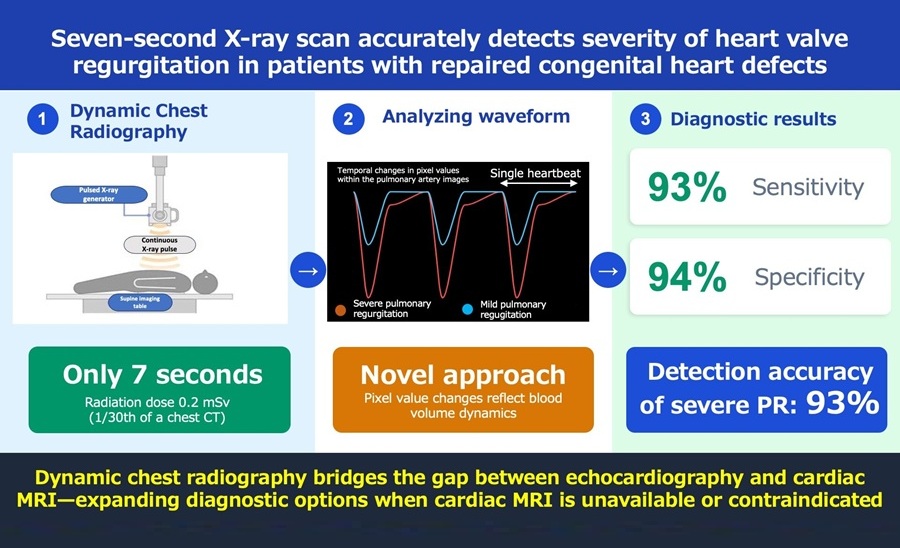
Rapid X-Ray Test Quantifies Pulmonary Regurgitation After Tetralogy of Fallot Repair
Tetralogy of Fallot is the most common cyanotic congenital heart defect and can leave patients with pulmonary valve regurgitation, a backward flow of blood into the right ventricle after repair.... Read more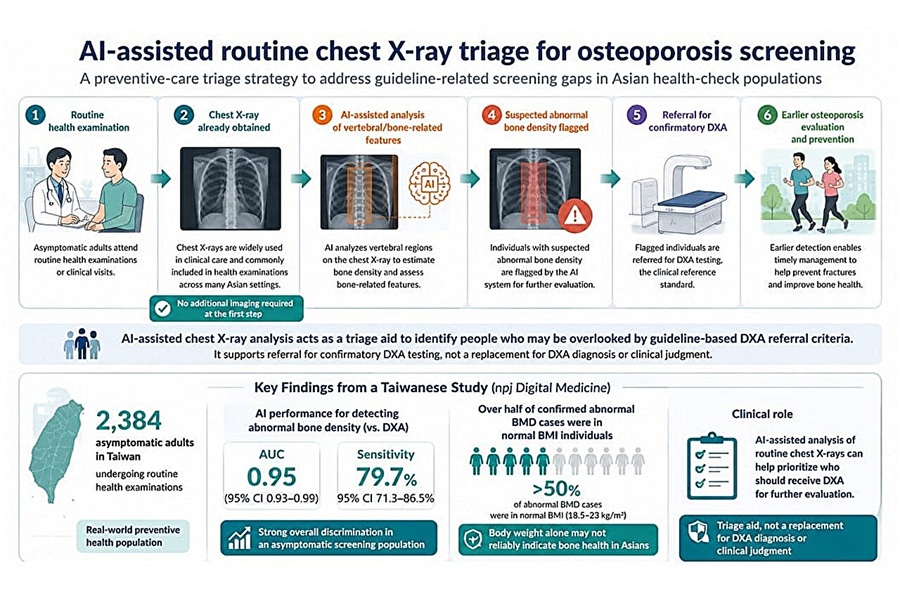
AI Tool Flags Osteoporosis Risk from Routine Chest X-Rays
Osteoporosis is a progressive loss of bone density that is often silent until a fracture occurs. Current screening frameworks concentrate on older women and select high-risk groups. Many men, younger adults,... Read more
MRI
view channel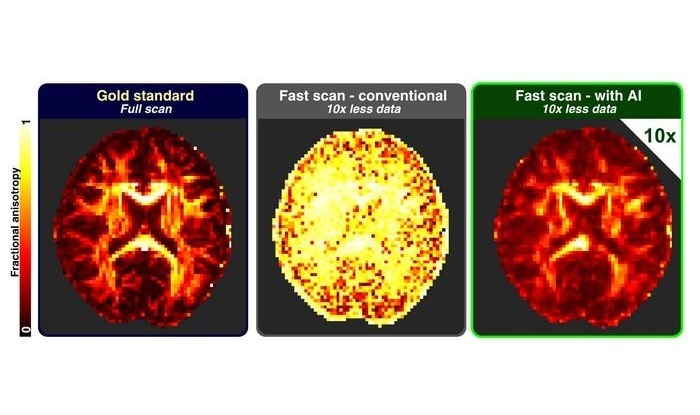
AI Approach Could Shorten Advanced Brain MRI Scans by Up to 90%
Long acquisition times for advanced brain magnetic resonance imaging (MRI) can limit access, extend waiting lists, and disrupt clinical workflows. Reducing data requirements without sacrificing image fidelity... Read more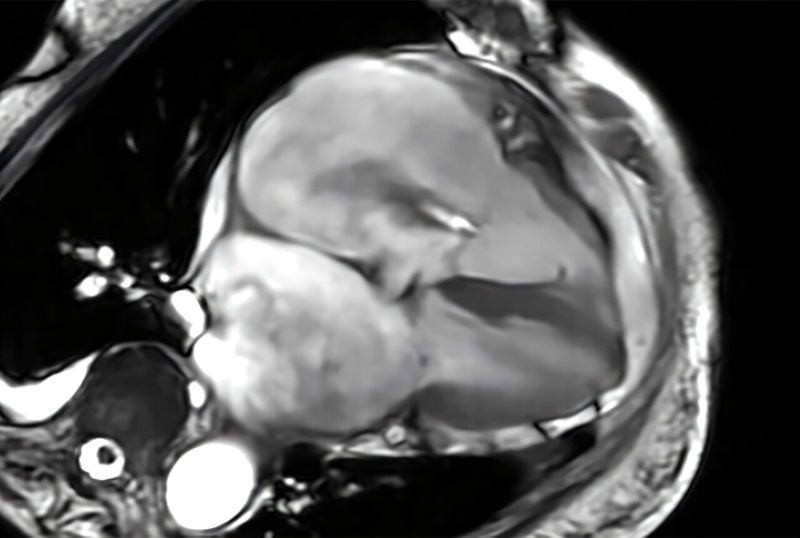
Cardiac MRI Measure Improves Risk Prediction in Tricuspid Regurgitation
Tricuspid regurgitation, in which blood flows back from the right ventricle into the right atrium, can lead to progressive right-sided heart failure. Clinicians need reliable ways to gauge severity and... Read more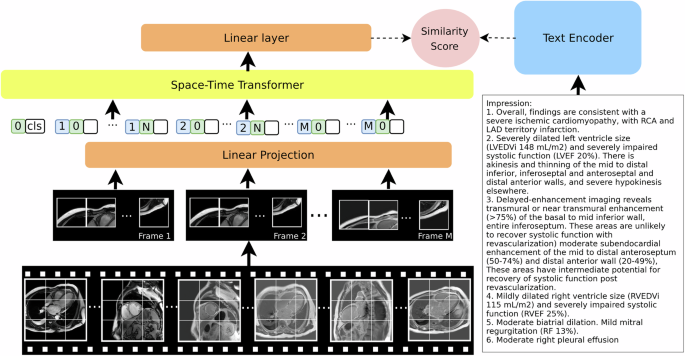

Ultrasound
view channel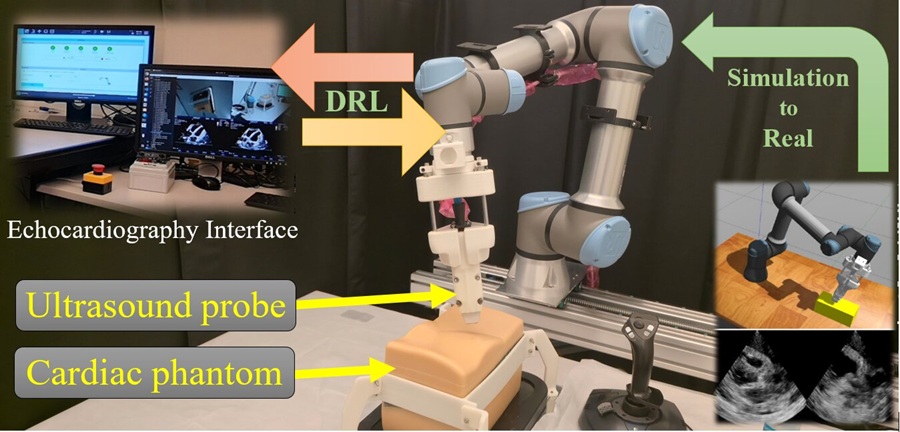
AI Robotic Ultrasound System Automates Echocardiography and Improves Consistency
Echocardiography, an ultrasound examination of the heart, is central to diagnosing and managing cardiovascular disease. Many services struggle with limited availability of skilled sonographers, variable... Read more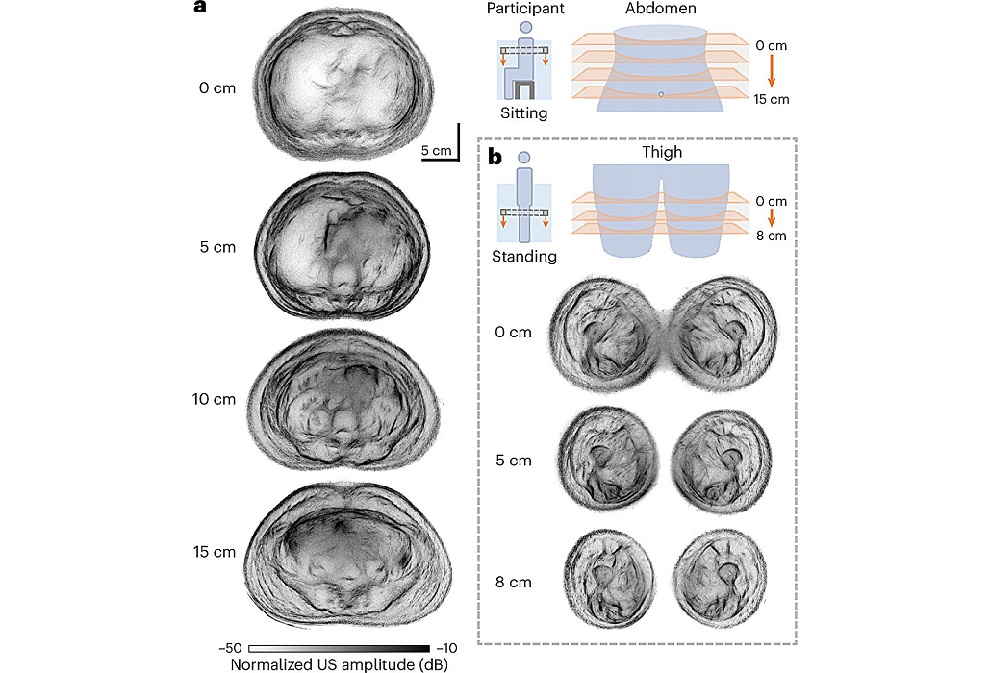
Whole Cross-Section Ultrasound System Enables Operator-Independent Imaging
Conventional ultrasound is central to bedside imaging but is limited by a narrow field of view and operator variability. Comprehensive cross-sectional assessment typically requires computed tomography... Read more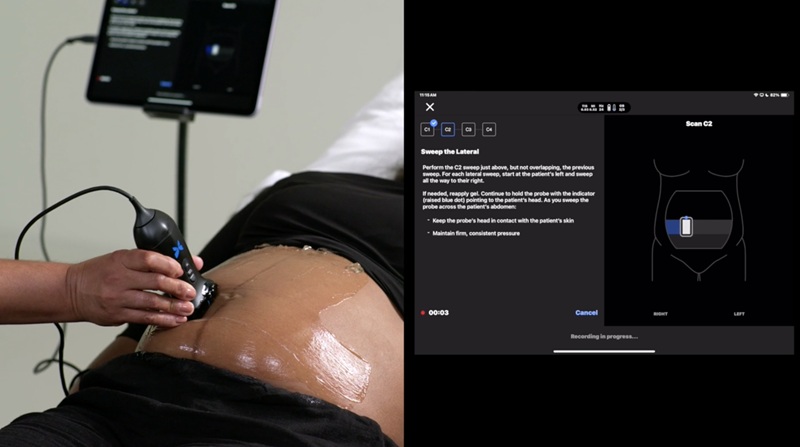
Nuclear Medicine
view channel![Image: (A-C) Representative whole-body maximum-intensity projection images and regional fused PET/CT images from three histologically confirmed osteosarcoma patients who underwent paired [68Ga]Ga-B7-H3-BCH PET/CT and 18F-FDGE PET/CT within 7 days. (D) Multimodal imaging evaluation of patient 3, including X-ray, MRI (T2-weighted imaging, T2WI), CT, and B7-H3 PET/CT. (Photo courtesy of SNMMI)](https://globetechcdn.com/mobile_medicalimaging/images/stories/articles/article_images/2026-06-07/294811110_image_1.jpg "Image: (A-C) Representative whole-body maximum-intensity projection images and regional fused PET/CT images from three histologically confirmed osteosarcoma patients who underwent paired [68Ga]Ga-B7-H3-BCH PET/CT and 18F-FDGE PET/CT within 7 days. (D) Multimodal imaging evaluation of patient 3, including X-ray, MRI (T2-weighted imaging, T2WI), CT, and B7-H3 PET/CT. (Photo courtesy of SNMMI)")
Targeted PET Platform Guides Osteosarcoma Resection and Margin Verification
Osteosarcoma, an aggressive primary bone cancer that mainly affects children and adolescents, demands wide excision to prevent local recurrence. Surgeons must achieve negative margins while preserving... Read more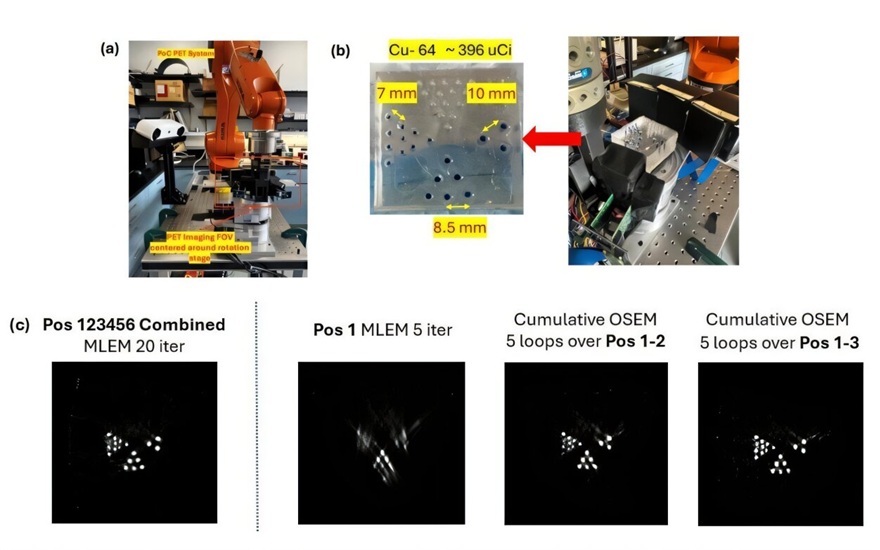
Portable PET System Enables Real-Time Bedside Guidance for Biopsies and Ablations
Interventional radiology procedures typically rely on ultrasound, X-ray fluoroscopy, or computed tomography for image guidance. These modalities visualize anatomy but offer limited molecular information,... Read more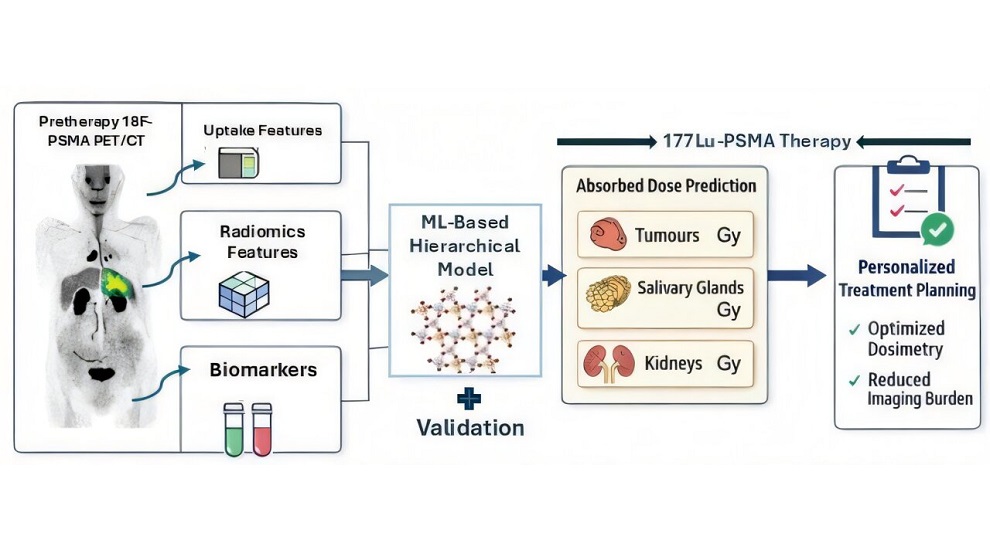

General/Advanced Imaging
view channel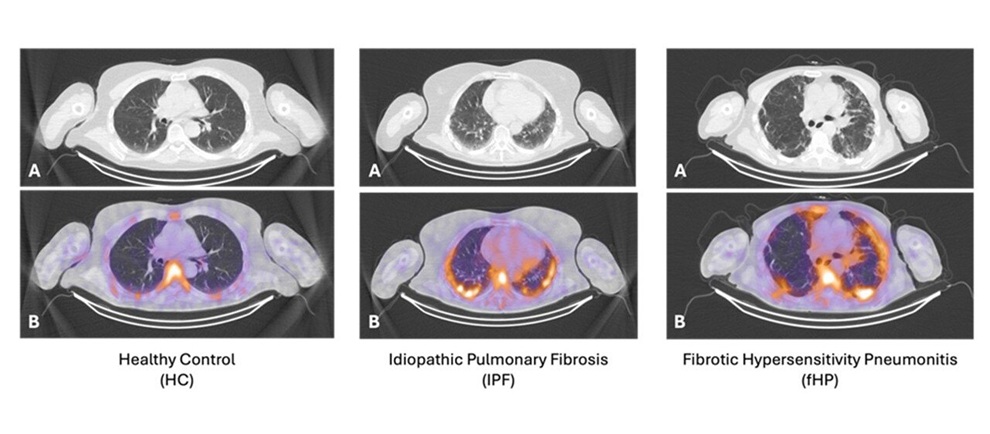
New SPECT/CT Method Differentiates Inflammation from Fibrosis in Interstitial Lung Disease
Interstitial lung disease (ILD) encompasses more than 200 disorders that inflame or scar the lung interstitium and can lead to progressive respiratory failure. Determining whether active inflammation is... Read more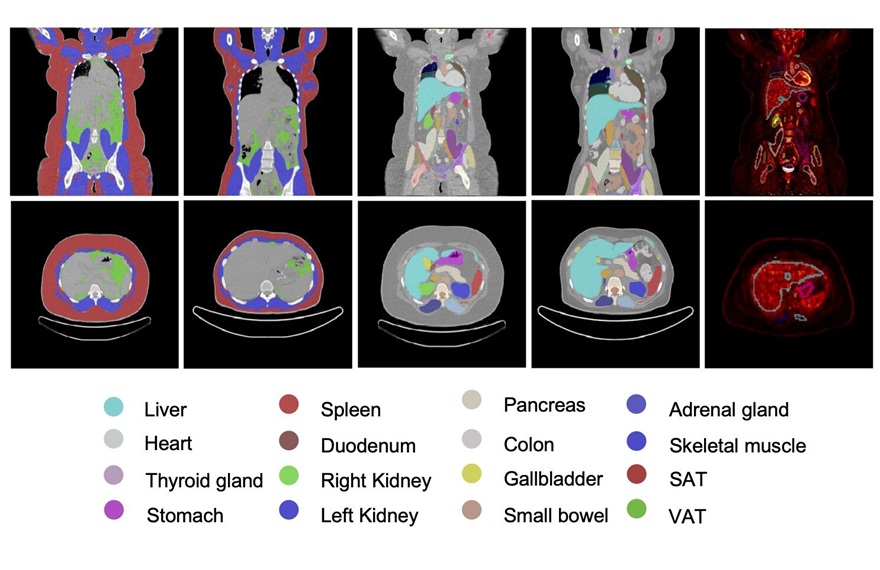
Whole-Body PET/CT Tracks Metabolic Changes After Bariatric Surgery
Obesity surgery improves weight and comorbidity profiles, yet clinicians lack tools to monitor organ-level metabolic recovery after the procedure. A clear view of systemic changes could refine follow-up... Read more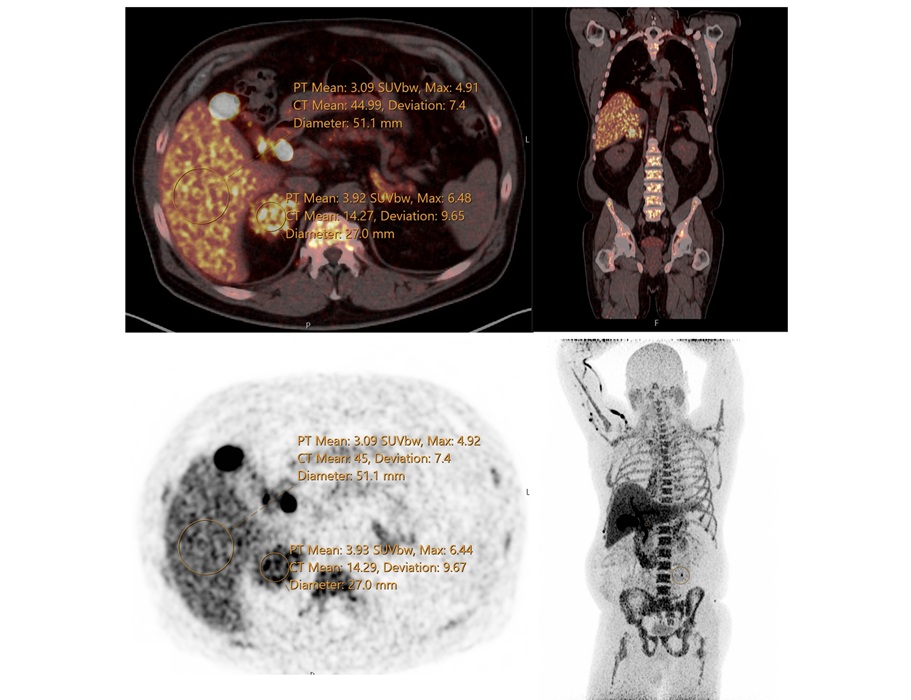
Industry News
view channel
GE HealthCare Showcases AI-Enabled Nuclear Medicine Portfolio at SNMMI 2026
Nuclear medicine is expanding rapidly as health systems adopt theranostics and broaden access to radiopharmaceuticals, increasing demand for scalable operations and consistent diagnostic confidence.... Read more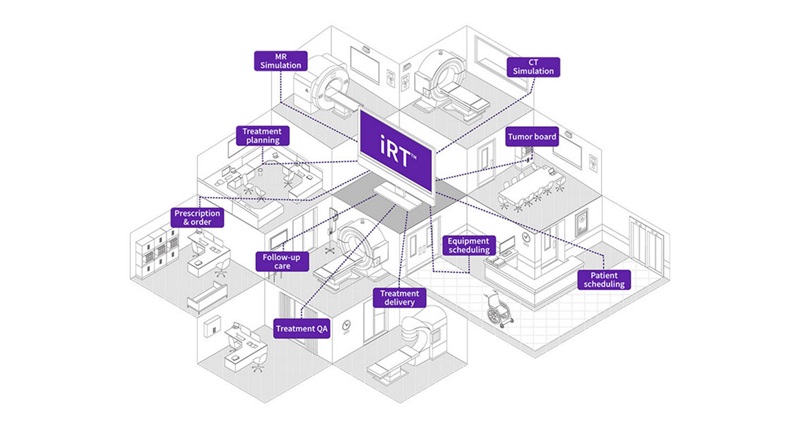
GE HealthCare Highlights AI-Supported Radiation Therapy Tools at ESTRO 2026
At the European Society for Radiotherapy and Oncology (ESTRO) 2026 Congress in Stockholm, GE HealthCare is highlighting Intelligent Radiation Therapy (iRT), MIM Software innovations, and BK Medical surgical... Read more