


Ultrasonic Detection of Liver Stiffness a Useful Screening and Prognostic Test
|
By MedImaging International staff writers Posted on 23 Feb 2010 |


|
Researchers from France and Hong Kong determined that transient elastography (TE), a noninvasive, ultrasound imaging modality, can be accurately performed in the majority of patients with nonalcoholic fatty liver disease (NAFLD) to exclude advanced fibrosis.
The findings of this study, funded by the Chinese University of Hong Kong, appear in the February 2010 issue of the journal Hepatology. NAFLD is the most common cause of liver disease worldwide. Determining a prognosis for this condition is difficult, as there are no clear predictors of whether NAFLD will progress to nonalcoholic steatohepatitis (NASH), which can lead to cirrhosis and other complications.
Liver biopsy is the standard for diagnosing NASH and fibrosis, but this procedure can be risky and samples only a small percentage of liver tissue. According to the U.S. National Institute of Diabetes and Digestive and Kidney Diseases (NIDDK), part of the National Institutes of Health (NIH; Bethesda, MD, USA), biopsy carries a small risk of hemorrhage, puncture of other internal organs, infection, and spread of cancer cells. Transvenous liver biopsy carries an additional risk of adverse reaction to the contrast material.
To meet the urgent need for noninvasive alternatives to liver biopsy, a research team led by Victor de Lédinghen, M.D., Ph.D., from the Service d'Hépato-Gastroentérologie, Centre d' Investigation de la Fibrose hépatique, Hôpital Haut Lévesque (Bordeaux, Pessac, France), conducted an evaluation of the accuracy of TE and biochemical tests for the diagnosis of fibrosis and cirrhosis in NAFLD patients. "Transient elastography by Fibroscan is a noninvasive method for the diagnosis of liver fibrosis…Nevertheless, NAFLD patients are underrepresented in previous validation studies,” explained Dr. de Lédinghen. The team also examined liver stiffness in association with hepatic steatosis, inflammation, and obesity, and set out to identify factors associated with discordance between liver stiffness measurements (LSM) and histology.
The Fibroscan technology used in this study was developed by EchoSens (Paris, France). Using the device, a mechanical pulse is generated at the skin surface, which is propagated through the liver. The velocity of the wave is measured by ultrasound. The velocity is directly correlated to the stiffness of the liver, which in turn reflects the degree of fibrosis--the stiffer the liver is the greater the degree of fibrosis. The technique is used to quantify hepatic fibrosis in a totally noninvasive and painless manner, with no contra-indications for the patient.
The research team evaluated 246 patients from two ethnic groups from two hospitals in France and Hong Kong with valid LSM acquisitions and satisfactory liver biopsy specimens. Men who consumed more than 30 g of alcohol per week and women who consumed more than 20 g of alcohol per week were excluded. Patients with secondary causes of hepatic steatosis (e.g., chronic use of systemic corticosteroids), positive hepatitis B surface antigen or anti-hepatitis C virus antibody, or histologic evidence of other concomitant chronic liver diseases were also excluded. Since the aim of transient elastography was to diagnose significant fibrosis and early cirrhosis, patients with clinical and radiologic evidence of cirrhosis were excluded.
Researchers found that successful measurement could be obtained in over 97% of patients with BMI below 30 kg/m2 and 75% of obese patients. LSM was not affected by hepatic steatosis, necroinflammation, and obesity. Most discordance between TE and histology occurred in patients with short liver biopsy lengths and mild or no fibrosis. In addition, TE had superior performance to other noninvasive biochemical tests in diagnosing advanced fibrosis and cirrhosis.
"The adoption of transient elastography could potentially spare two-thirds of NAFLD patients from liver biopsies. Since the prevalence of NAFLD is high in many affluent countries, this approach would be cost-saving,” speculated Dr. de Lédinghen.
Dr. de Lédinghen also cautioned that while TE has a high negative predictive value, the positive predictive value of TE and other noninvasive tests to diagnose advanced fibrosis in NAFLD patients remains modest. He stated, "The main value of these tests is to exclude advanced fibrosis as screening tests. Based on our data, it is reasonable to consider liver biopsy in patients whose LSM is 7.9 kPa or above.”
Prof. Leon Adams, an associate professor at the University of Western Australia (Perth), and author of an editorial in the same issue of Hepatology, agreed, stating, "de Lédinghen et al have provided valuable data regarding the use of TE in NAFLD patients. Its strength appears to be excluding advanced fibrosis and cirrhosis; however, there are a number of issues that need to be clarified before it is routinely utilized in the clinical setting.” Prof. Adams pointed out issues in successfully conducting TE evaluations on obese patients, varying results due to diverse patient populations, and the fact that cost and availability may play a role in the decision to employ TE and other noninvasive tests in the future.
Related Links:
Chinese University of Hong Kong
Hôpital Haut Lévesque
EchoSens
University of Western Australia



The findings of this study, funded by the Chinese University of Hong Kong, appear in the February 2010 issue of the journal Hepatology. NAFLD is the most common cause of liver disease worldwide. Determining a prognosis for this condition is difficult, as there are no clear predictors of whether NAFLD will progress to nonalcoholic steatohepatitis (NASH), which can lead to cirrhosis and other complications.
Liver biopsy is the standard for diagnosing NASH and fibrosis, but this procedure can be risky and samples only a small percentage of liver tissue. According to the U.S. National Institute of Diabetes and Digestive and Kidney Diseases (NIDDK), part of the National Institutes of Health (NIH; Bethesda, MD, USA), biopsy carries a small risk of hemorrhage, puncture of other internal organs, infection, and spread of cancer cells. Transvenous liver biopsy carries an additional risk of adverse reaction to the contrast material.
To meet the urgent need for noninvasive alternatives to liver biopsy, a research team led by Victor de Lédinghen, M.D., Ph.D., from the Service d'Hépato-Gastroentérologie, Centre d' Investigation de la Fibrose hépatique, Hôpital Haut Lévesque (Bordeaux, Pessac, France), conducted an evaluation of the accuracy of TE and biochemical tests for the diagnosis of fibrosis and cirrhosis in NAFLD patients. "Transient elastography by Fibroscan is a noninvasive method for the diagnosis of liver fibrosis…Nevertheless, NAFLD patients are underrepresented in previous validation studies,” explained Dr. de Lédinghen. The team also examined liver stiffness in association with hepatic steatosis, inflammation, and obesity, and set out to identify factors associated with discordance between liver stiffness measurements (LSM) and histology.
The Fibroscan technology used in this study was developed by EchoSens (Paris, France). Using the device, a mechanical pulse is generated at the skin surface, which is propagated through the liver. The velocity of the wave is measured by ultrasound. The velocity is directly correlated to the stiffness of the liver, which in turn reflects the degree of fibrosis--the stiffer the liver is the greater the degree of fibrosis. The technique is used to quantify hepatic fibrosis in a totally noninvasive and painless manner, with no contra-indications for the patient.
The research team evaluated 246 patients from two ethnic groups from two hospitals in France and Hong Kong with valid LSM acquisitions and satisfactory liver biopsy specimens. Men who consumed more than 30 g of alcohol per week and women who consumed more than 20 g of alcohol per week were excluded. Patients with secondary causes of hepatic steatosis (e.g., chronic use of systemic corticosteroids), positive hepatitis B surface antigen or anti-hepatitis C virus antibody, or histologic evidence of other concomitant chronic liver diseases were also excluded. Since the aim of transient elastography was to diagnose significant fibrosis and early cirrhosis, patients with clinical and radiologic evidence of cirrhosis were excluded.
Researchers found that successful measurement could be obtained in over 97% of patients with BMI below 30 kg/m2 and 75% of obese patients. LSM was not affected by hepatic steatosis, necroinflammation, and obesity. Most discordance between TE and histology occurred in patients with short liver biopsy lengths and mild or no fibrosis. In addition, TE had superior performance to other noninvasive biochemical tests in diagnosing advanced fibrosis and cirrhosis.
"The adoption of transient elastography could potentially spare two-thirds of NAFLD patients from liver biopsies. Since the prevalence of NAFLD is high in many affluent countries, this approach would be cost-saving,” speculated Dr. de Lédinghen.
Dr. de Lédinghen also cautioned that while TE has a high negative predictive value, the positive predictive value of TE and other noninvasive tests to diagnose advanced fibrosis in NAFLD patients remains modest. He stated, "The main value of these tests is to exclude advanced fibrosis as screening tests. Based on our data, it is reasonable to consider liver biopsy in patients whose LSM is 7.9 kPa or above.”
Prof. Leon Adams, an associate professor at the University of Western Australia (Perth), and author of an editorial in the same issue of Hepatology, agreed, stating, "de Lédinghen et al have provided valuable data regarding the use of TE in NAFLD patients. Its strength appears to be excluding advanced fibrosis and cirrhosis; however, there are a number of issues that need to be clarified before it is routinely utilized in the clinical setting.” Prof. Adams pointed out issues in successfully conducting TE evaluations on obese patients, varying results due to diverse patient populations, and the fact that cost and availability may play a role in the decision to employ TE and other noninvasive tests in the future.
Related Links:
Chinese University of Hong Kong
Hôpital Haut Lévesque
EchoSens
University of Western Australia

Mobile X-Ray System
K4W
Pocket Fetal Doppler
CONTEC10C/CL
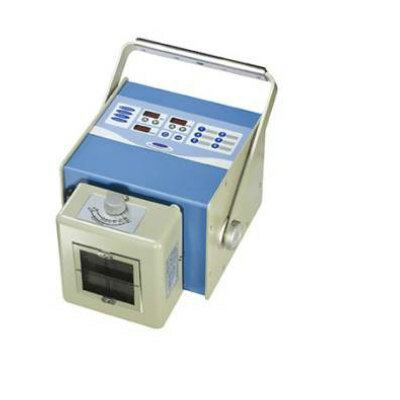
Portable X-ray Unit
AJEX140H
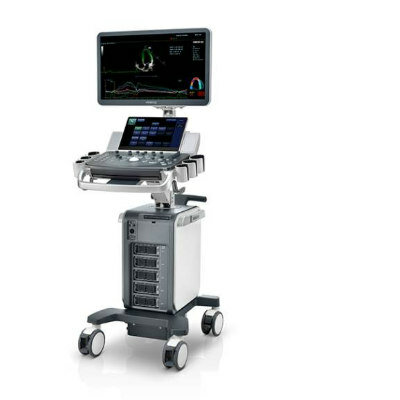
Diagnostic Ultrasound System
DC-80A
Latest Ultrasound News
- AI Robotic Ultrasound System Automates Echocardiography and Improves Consistency
- Whole Cross-Section Ultrasound System Enables Operator-Independent Imaging
- New Ultrasound AI Tool Supports Rapid Prenatal Assessment
- New Consensus Standardizes Ultrasound-Based Fatty Liver Assessment
- Groundbreaking Technology to Enhance Precision in Emergency and Critical Care
- Reusable Gel Pad Made from Tamarind Seed Could Transform Ultrasound Examinations
- AI Model Accurately Detects Placenta Accreta in Pregnancy Before Delivery
- Portable Ultrasound Sensor to Enable Earlier Breast Cancer Detection
- Portable Imaging Scanner to Diagnose Lymphatic Disease in Real Time
- Imaging Technique Generates Simultaneous 3D Color Images of Soft-Tissue Structure and Vasculature
- Wearable Ultrasound Imaging System to Enable Real-Time Disease Monitoring
- Ultrasound Technique Visualizes Deep Blood Vessels in 3D Without Contrast Agents
- Ultrasound Probe Images Entire Organ in 4D

- Disposable Ultrasound Patch Performs Better Than Existing Devices
- Non-Invasive Ultrasound-Based Tool Accurately Detects Infant Meningitis
- Breakthrough Deep Learning Model Enhances Handheld 3D Medical Imaging
Channels
Radiography
view channel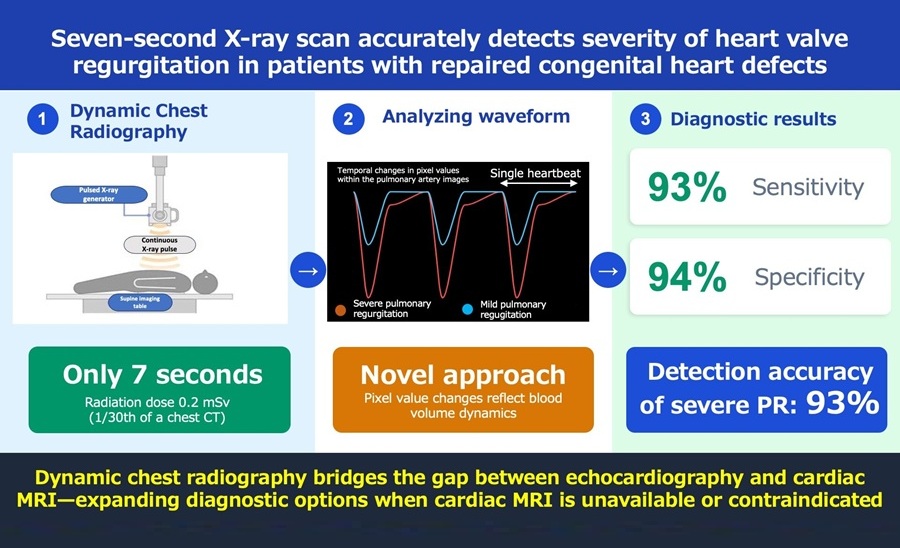
Rapid X-Ray Test Quantifies Pulmonary Regurgitation After Tetralogy of Fallot Repair
Tetralogy of Fallot is the most common cyanotic congenital heart defect and can leave patients with pulmonary valve regurgitation, a backward flow of blood into the right ventricle after repair.... Read more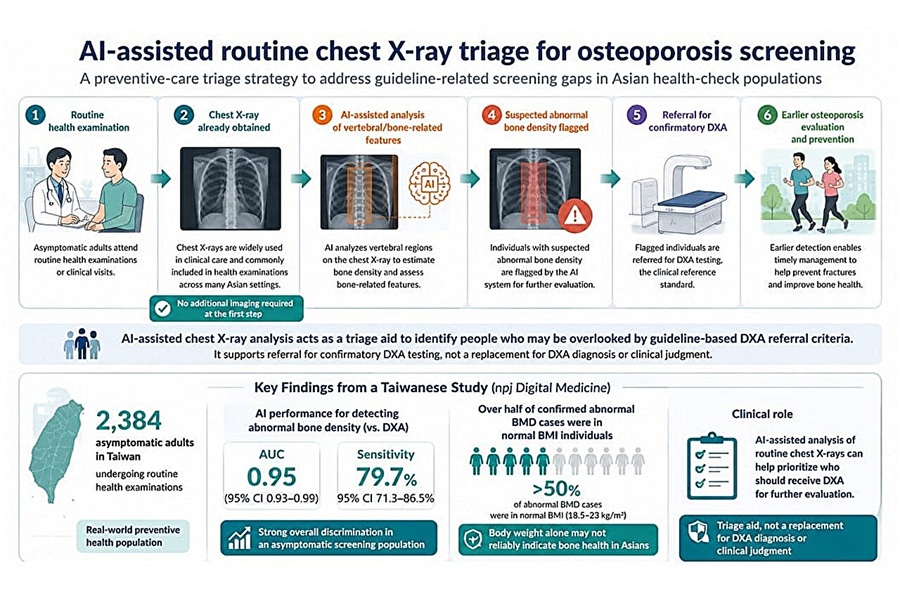
AI Tool Flags Osteoporosis Risk from Routine Chest X-Rays
Osteoporosis is a progressive loss of bone density that is often silent until a fracture occurs. Current screening frameworks concentrate on older women and select high-risk groups. Many men, younger adults,... Read more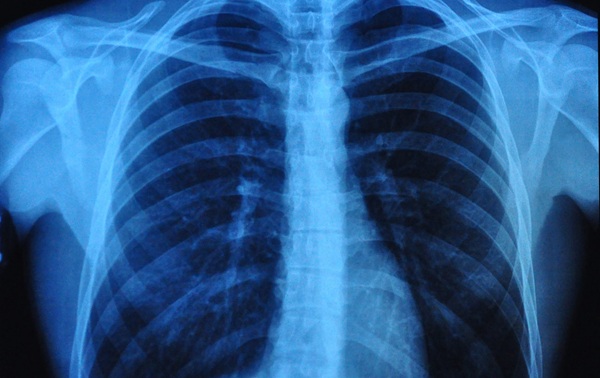
MRI
view channel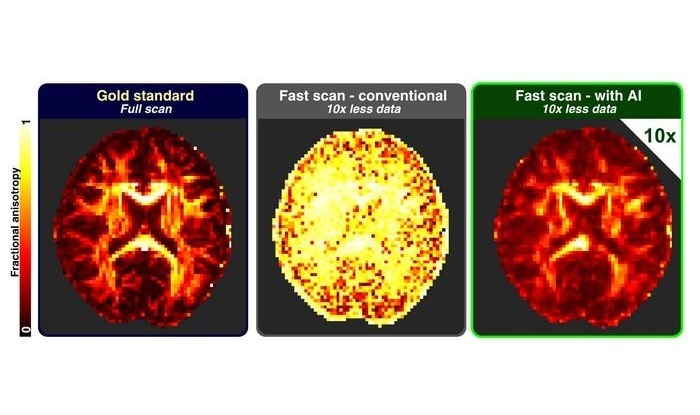
AI Approach Could Shorten Advanced Brain MRI Scans by Up to 90%
Long acquisition times for advanced brain magnetic resonance imaging (MRI) can limit access, extend waiting lists, and disrupt clinical workflows. Reducing data requirements without sacrificing image fidelity... Read more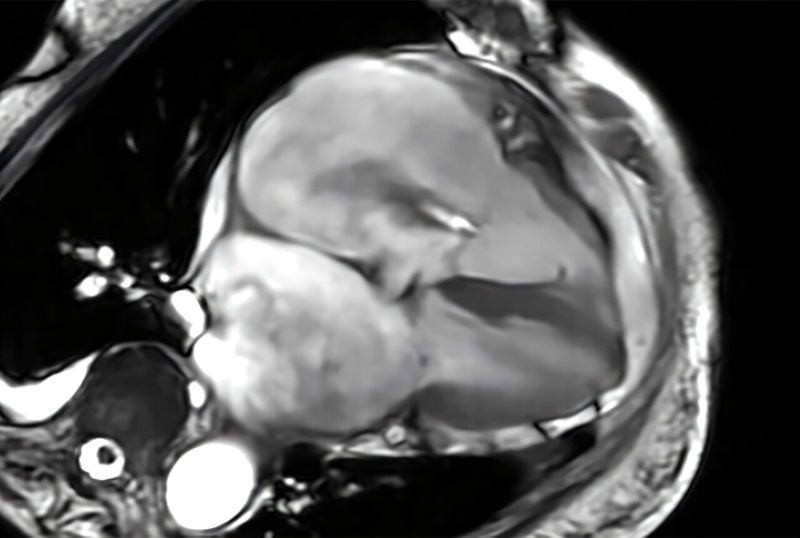
Cardiac MRI Measure Improves Risk Prediction in Tricuspid Regurgitation
Tricuspid regurgitation, in which blood flows back from the right ventricle into the right atrium, can lead to progressive right-sided heart failure. Clinicians need reliable ways to gauge severity and... Read more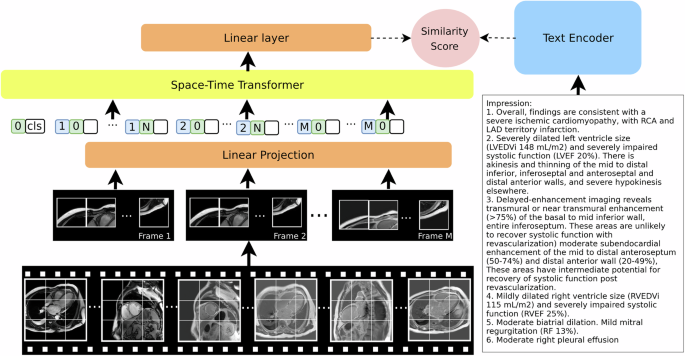

Nuclear Medicine
view channel![Image: (A-C) Representative whole-body maximum-intensity projection images and regional fused PET/CT images from three histologically confirmed osteosarcoma patients who underwent paired [68Ga]Ga-B7-H3-BCH PET/CT and 18F-FDGE PET/CT within 7 days. (D) Multimodal imaging evaluation of patient 3, including X-ray, MRI (T2-weighted imaging, T2WI), CT, and B7-H3 PET/CT. (Photo courtesy of SNMMI)](https://globetechcdn.com/mobile_medicalimaging/images/stories/articles/article_images/2026-06-07/294811110_image_1.jpg "Image: (A-C) Representative whole-body maximum-intensity projection images and regional fused PET/CT images from three histologically confirmed osteosarcoma patients who underwent paired [68Ga]Ga-B7-H3-BCH PET/CT and 18F-FDGE PET/CT within 7 days. (D) Multimodal imaging evaluation of patient 3, including X-ray, MRI (T2-weighted imaging, T2WI), CT, and B7-H3 PET/CT. (Photo courtesy of SNMMI)")
Targeted PET Platform Guides Osteosarcoma Resection and Margin Verification
Osteosarcoma, an aggressive primary bone cancer that mainly affects children and adolescents, demands wide excision to prevent local recurrence. Surgeons must achieve negative margins while preserving... Read more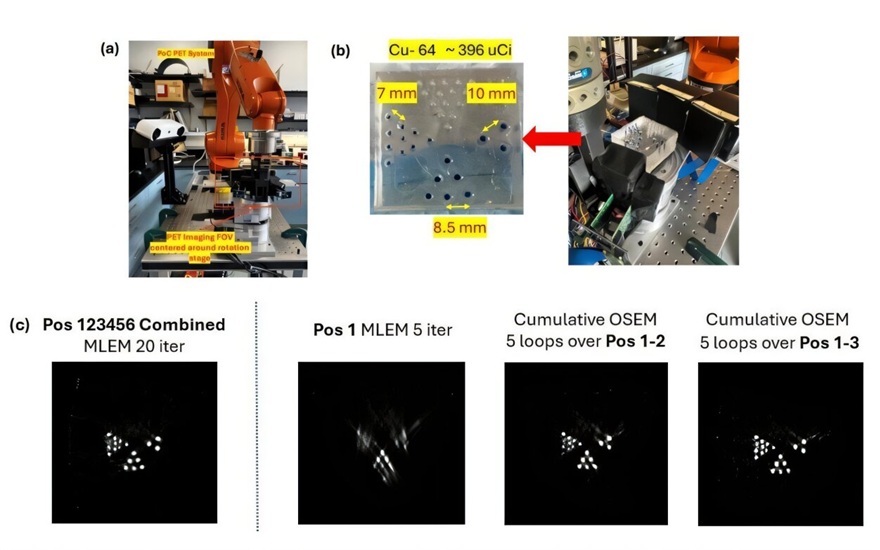
Portable PET System Enables Real-Time Bedside Guidance for Biopsies and Ablations
Interventional radiology procedures typically rely on ultrasound, X-ray fluoroscopy, or computed tomography for image guidance. These modalities visualize anatomy but offer limited molecular information,... Read more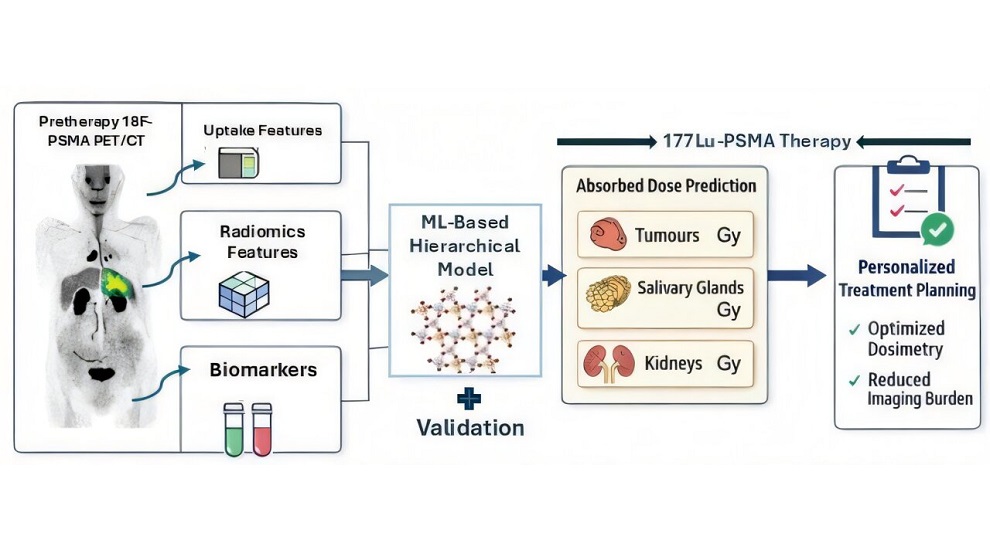

General/Advanced Imaging
view channel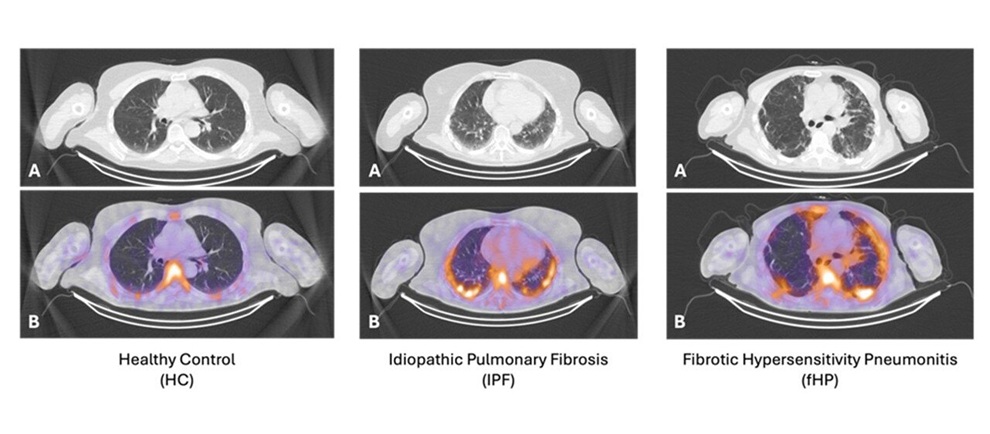
New SPECT/CT Method Differentiates Inflammation from Fibrosis in Interstitial Lung Disease
Interstitial lung disease (ILD) encompasses more than 200 disorders that inflame or scar the lung interstitium and can lead to progressive respiratory failure. Determining whether active inflammation is... Read more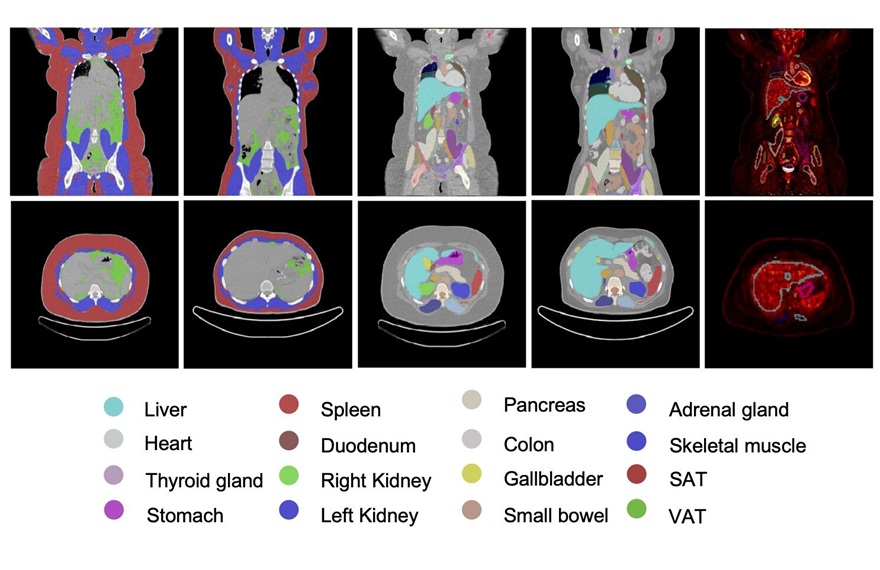
Whole-Body PET/CT Tracks Metabolic Changes After Bariatric Surgery
Obesity surgery improves weight and comorbidity profiles, yet clinicians lack tools to monitor organ-level metabolic recovery after the procedure. A clear view of systemic changes could refine follow-up... Read more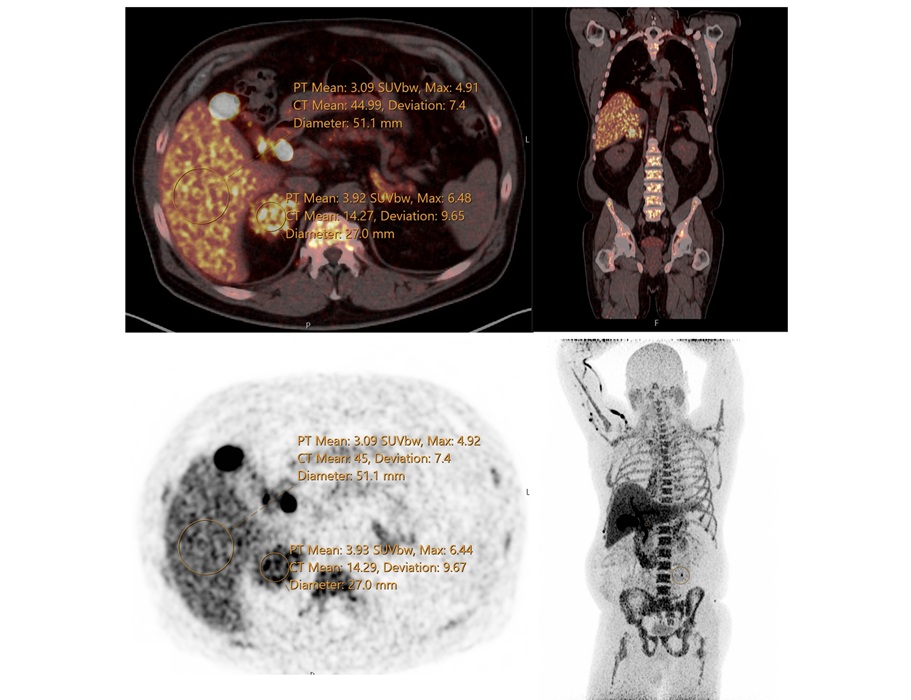
Imaging IT
view channel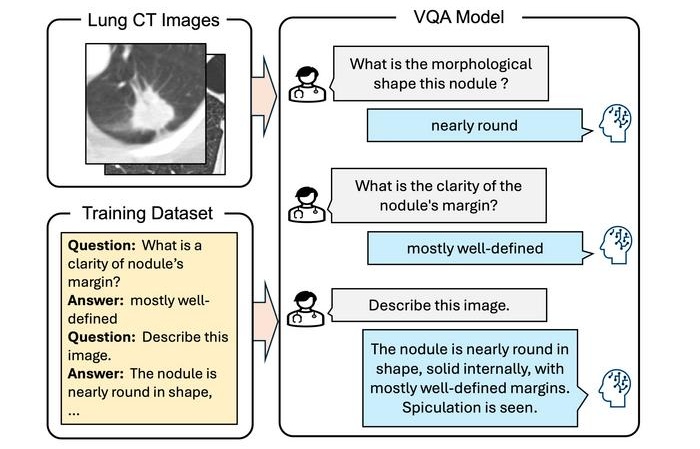
Interactive AI Tool Supports Explainable Lung Nodule Assessment
Lung cancer is a leading cause of cancer mortality, and timely characterization of pulmonary nodules on chest computed tomography (CT) is essential for directing care. Interpreting nodule morphology demands... Read more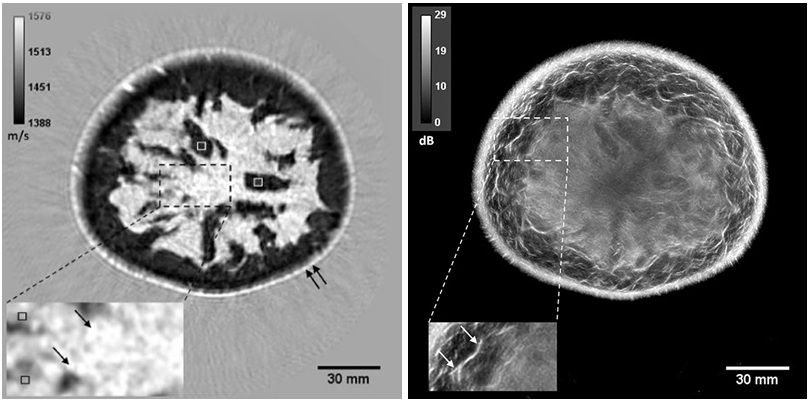
Breast Imaging Software Enhances Visualization and Tissue Characterization in Challenging Cases
Breast imaging can be particularly challenging in cases involving small breasts or implants, where image reconstruction and tissue characterization may be limited. Clinicians also need reproducible analysis... Read more
New Google Cloud Medical Imaging Suite Makes Imaging Healthcare Data More Accessible
Medical imaging is a critical tool used to diagnose patients, and there are billions of medical images scanned globally each year. Imaging data accounts for about 90% of all healthcare data1 and, until... Read more
Global AI in Medical Diagnostics Market to Be Driven by Demand for Image Recognition in Radiology
The global artificial intelligence (AI) in medical diagnostics market is expanding with early disease detection being one of its key applications and image recognition becoming a compelling consumer proposition... Read moreIndustry News
view channel
GE HealthCare Showcases AI-Enabled Nuclear Medicine Portfolio at SNMMI 2026
Nuclear medicine is expanding rapidly as health systems adopt theranostics and broaden access to radiopharmaceuticals, increasing demand for scalable operations and consistent diagnostic confidence.... Read more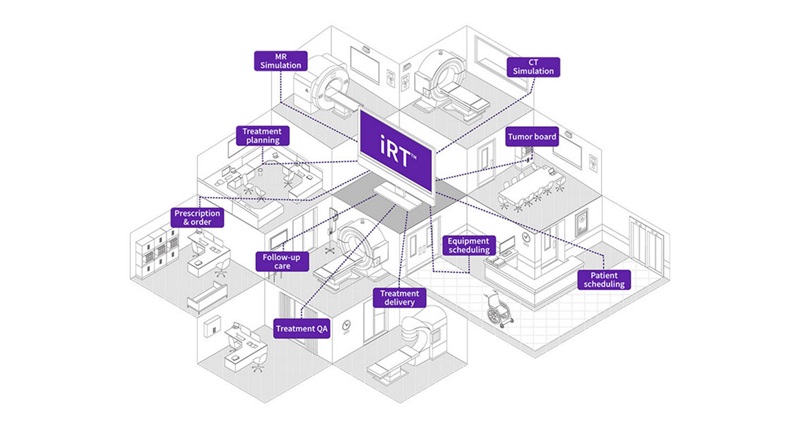
GE HealthCare Highlights AI-Supported Radiation Therapy Tools at ESTRO 2026
At the European Society for Radiotherapy and Oncology (ESTRO) 2026 Congress in Stockholm, GE HealthCare is highlighting Intelligent Radiation Therapy (iRT), MIM Software innovations, and BK Medical surgical... Read more