


Targeted Breast Ultrasound Can Reduce Biopsies for Women Under Forty
|
By MedImaging International staff writers Posted on 22 Dec 2009 |


|
Targeted breast ultrasound of suspicious areas of the breast, including lumps, is a safe, reliable, and cost-effective alternative to invasive biopsies for women under age 40, according to the recent findings of two studies.
The research was presented December 3, 2009, at the annual meeting of the Radiological Society of North America (RSNA), held in Chicago, IL, USA. "By performing high-quality breast ultrasound, we can reduce the number of expensive and avoidable invasive diagnostic procedures in young women,” said senior author Constance D. Lehman, M.D., Ph.D., professor and vice chair of radiology at the University of Washington (Seattle, WA, USA) and director of imaging at the Seattle Cancer Care Alliance. "We don't want to be overly aggressive with this population.”
The researchers conducted two studies in which targeted ultrasound was used to differentiate between potentially cancerous masses and benign findings in young women who had detected breast lumps or other focal (specific) areas of concern in their breasts. The first study included 1,123 ultrasound examinations of women under age 30, while the second included 1,577 ultrasound examinations of women ages 30 to 39.
Across both studies, all instances of cancer at the site of the clinical concern were positively identified through targeted ultrasound. Moreover, all negative ultrasound findings accurately identified benign changes in the breast. The only malignant tumor not identified by ultrasound was an unsuspected lesion outside of the targeted examination area. That cancer was detected by a full breast mammogram.
The incidence of malignancy among women in their 30s was 2%. The incidence of malignancy among women younger than 30 was 0.4%. "Surgical excision or needle biopsy of tissue can be painful, expensive, and frequently unnecessary in these age groups, which have very low rates of malignancies,” Dr. Lehman said. "In most cases, monitoring with targeted ultrasound is a very safe alternative.” She added that ultrasound should be the diagnostic tool of choice for young women seeking care for breast lumps and other suspicious focal signs and symptoms. "It is time we used ultrasound to reduce unnecessary morbidity and costs associated with more aggressive invasive approaches,” she concluded.
Related Links:
University of Washington





The research was presented December 3, 2009, at the annual meeting of the Radiological Society of North America (RSNA), held in Chicago, IL, USA. "By performing high-quality breast ultrasound, we can reduce the number of expensive and avoidable invasive diagnostic procedures in young women,” said senior author Constance D. Lehman, M.D., Ph.D., professor and vice chair of radiology at the University of Washington (Seattle, WA, USA) and director of imaging at the Seattle Cancer Care Alliance. "We don't want to be overly aggressive with this population.”
The researchers conducted two studies in which targeted ultrasound was used to differentiate between potentially cancerous masses and benign findings in young women who had detected breast lumps or other focal (specific) areas of concern in their breasts. The first study included 1,123 ultrasound examinations of women under age 30, while the second included 1,577 ultrasound examinations of women ages 30 to 39.
Across both studies, all instances of cancer at the site of the clinical concern were positively identified through targeted ultrasound. Moreover, all negative ultrasound findings accurately identified benign changes in the breast. The only malignant tumor not identified by ultrasound was an unsuspected lesion outside of the targeted examination area. That cancer was detected by a full breast mammogram.
The incidence of malignancy among women in their 30s was 2%. The incidence of malignancy among women younger than 30 was 0.4%. "Surgical excision or needle biopsy of tissue can be painful, expensive, and frequently unnecessary in these age groups, which have very low rates of malignancies,” Dr. Lehman said. "In most cases, monitoring with targeted ultrasound is a very safe alternative.” She added that ultrasound should be the diagnostic tool of choice for young women seeking care for breast lumps and other suspicious focal signs and symptoms. "It is time we used ultrasound to reduce unnecessary morbidity and costs associated with more aggressive invasive approaches,” she concluded.
Related Links:
University of Washington

Medical Radiographic X-Ray Machine
TR30N HF
Portable X-ray Unit
AJEX140H
X-Ray Generator
Advantage Plus Generators
Ultrasonic Pocket Doppler
SD1
Latest Ultrasound News
- AI Robotic Ultrasound System Automates Echocardiography and Improves Consistency
- Whole Cross-Section Ultrasound System Enables Operator-Independent Imaging
- New Ultrasound AI Tool Supports Rapid Prenatal Assessment
- New Consensus Standardizes Ultrasound-Based Fatty Liver Assessment
- Groundbreaking Technology to Enhance Precision in Emergency and Critical Care
- Reusable Gel Pad Made from Tamarind Seed Could Transform Ultrasound Examinations
- AI Model Accurately Detects Placenta Accreta in Pregnancy Before Delivery
- Portable Ultrasound Sensor to Enable Earlier Breast Cancer Detection
- Portable Imaging Scanner to Diagnose Lymphatic Disease in Real Time
- Imaging Technique Generates Simultaneous 3D Color Images of Soft-Tissue Structure and Vasculature
- Wearable Ultrasound Imaging System to Enable Real-Time Disease Monitoring
- Ultrasound Technique Visualizes Deep Blood Vessels in 3D Without Contrast Agents
- Ultrasound Probe Images Entire Organ in 4D

- Disposable Ultrasound Patch Performs Better Than Existing Devices
- Non-Invasive Ultrasound-Based Tool Accurately Detects Infant Meningitis
- Breakthrough Deep Learning Model Enhances Handheld 3D Medical Imaging
Channels
Radiography
view channel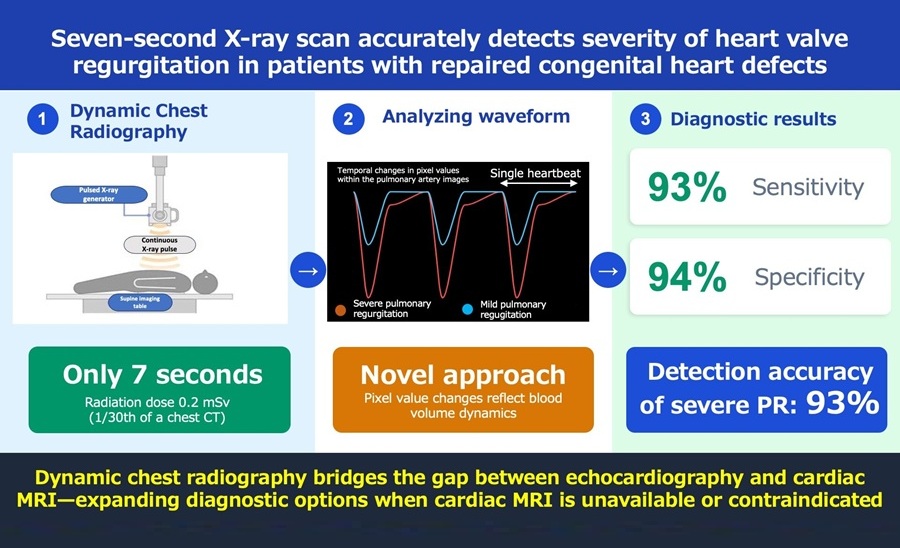
Rapid X-Ray Test Quantifies Pulmonary Regurgitation After Tetralogy of Fallot Repair
Tetralogy of Fallot is the most common cyanotic congenital heart defect and can leave patients with pulmonary valve regurgitation, a backward flow of blood into the right ventricle after repair.... Read more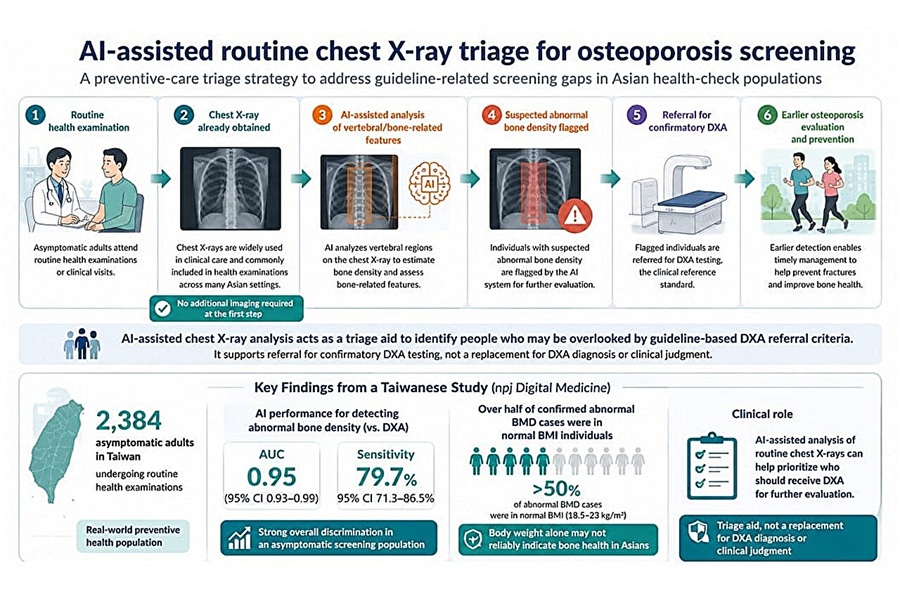
AI Tool Flags Osteoporosis Risk from Routine Chest X-Rays
Osteoporosis is a progressive loss of bone density that is often silent until a fracture occurs. Current screening frameworks concentrate on older women and select high-risk groups. Many men, younger adults,... Read more
MRI
view channel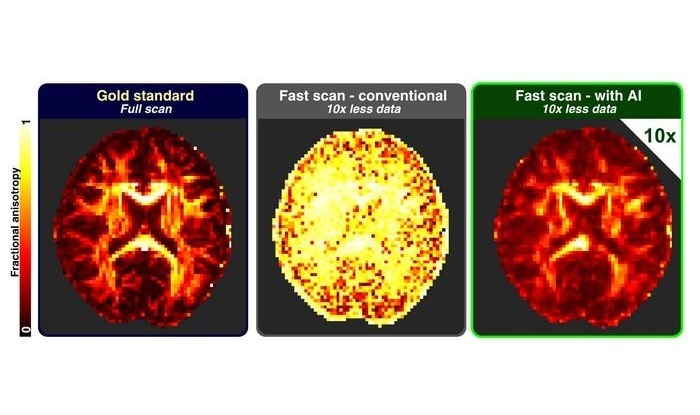
AI Approach Could Shorten Advanced Brain MRI Scans by Up to 90%
Long acquisition times for advanced brain magnetic resonance imaging (MRI) can limit access, extend waiting lists, and disrupt clinical workflows. Reducing data requirements without sacrificing image fidelity... Read more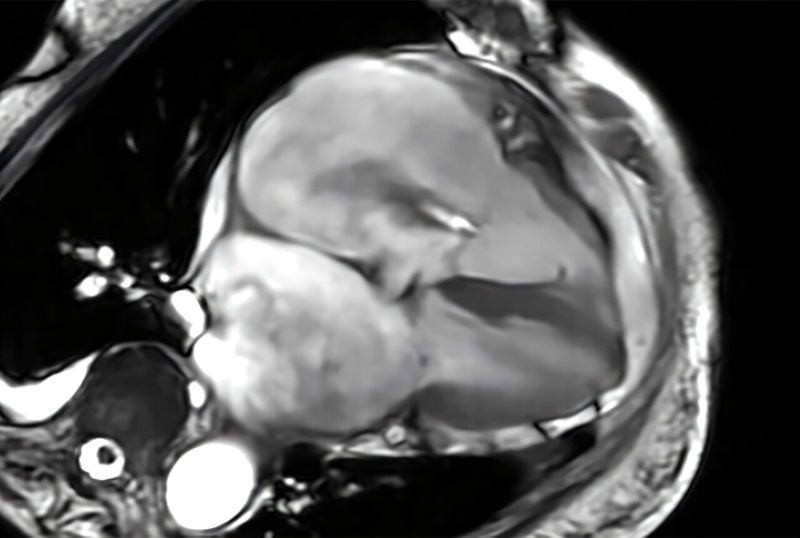
Cardiac MRI Measure Improves Risk Prediction in Tricuspid Regurgitation
Tricuspid regurgitation, in which blood flows back from the right ventricle into the right atrium, can lead to progressive right-sided heart failure. Clinicians need reliable ways to gauge severity and... Read more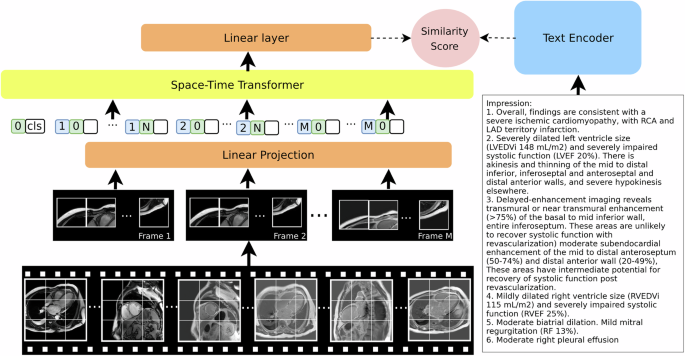

Nuclear Medicine
view channel![Image: (A-C) Representative whole-body maximum-intensity projection images and regional fused PET/CT images from three histologically confirmed osteosarcoma patients who underwent paired [68Ga]Ga-B7-H3-BCH PET/CT and 18F-FDGE PET/CT within 7 days. (D) Multimodal imaging evaluation of patient 3, including X-ray, MRI (T2-weighted imaging, T2WI), CT, and B7-H3 PET/CT. (Photo courtesy of SNMMI)](https://globetechcdn.com/mobile_medicalimaging/images/stories/articles/article_images/2026-06-07/294811110_image_1.jpg "Image: (A-C) Representative whole-body maximum-intensity projection images and regional fused PET/CT images from three histologically confirmed osteosarcoma patients who underwent paired [68Ga]Ga-B7-H3-BCH PET/CT and 18F-FDGE PET/CT within 7 days. (D) Multimodal imaging evaluation of patient 3, including X-ray, MRI (T2-weighted imaging, T2WI), CT, and B7-H3 PET/CT. (Photo courtesy of SNMMI)")
Targeted PET Platform Guides Osteosarcoma Resection and Margin Verification
Osteosarcoma, an aggressive primary bone cancer that mainly affects children and adolescents, demands wide excision to prevent local recurrence. Surgeons must achieve negative margins while preserving... Read more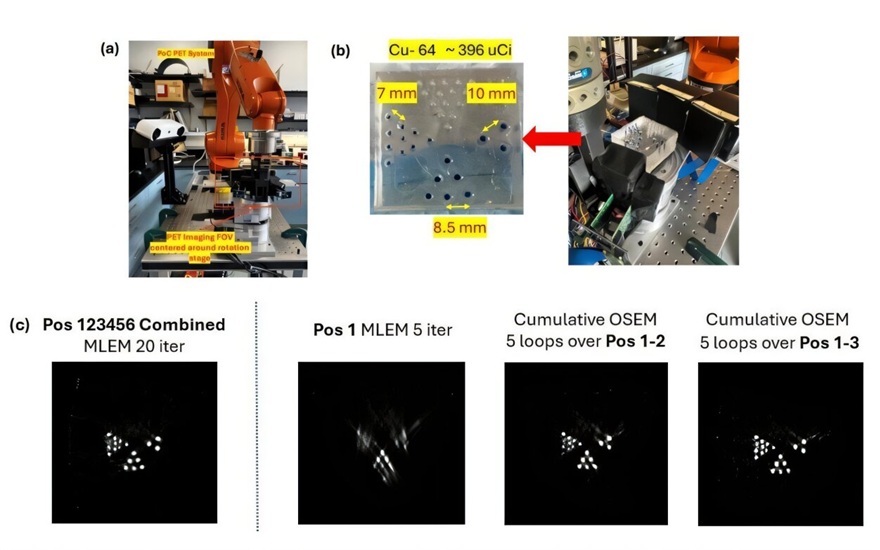
Portable PET System Enables Real-Time Bedside Guidance for Biopsies and Ablations
Interventional radiology procedures typically rely on ultrasound, X-ray fluoroscopy, or computed tomography for image guidance. These modalities visualize anatomy but offer limited molecular information,... Read more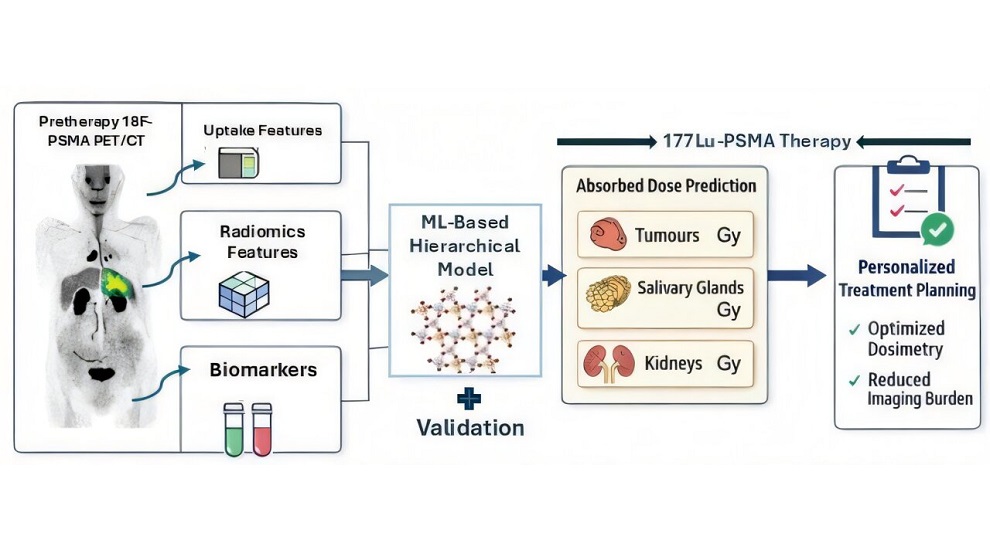

General/Advanced Imaging
view channel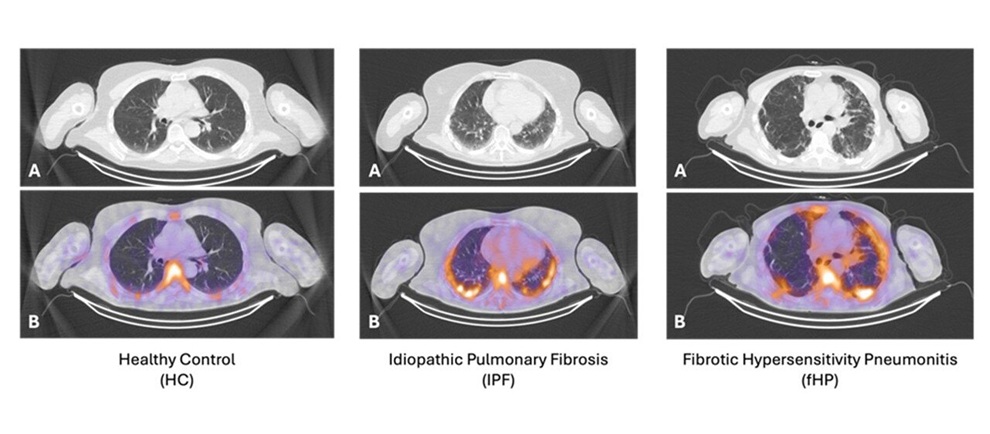
New SPECT/CT Method Differentiates Inflammation from Fibrosis in Interstitial Lung Disease
Interstitial lung disease (ILD) encompasses more than 200 disorders that inflame or scar the lung interstitium and can lead to progressive respiratory failure. Determining whether active inflammation is... Read more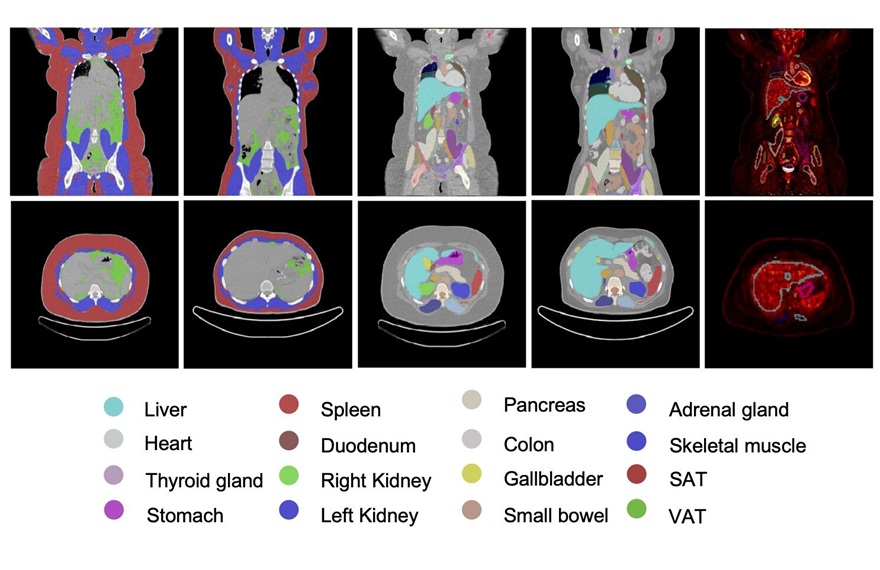
Whole-Body PET/CT Tracks Metabolic Changes After Bariatric Surgery
Obesity surgery improves weight and comorbidity profiles, yet clinicians lack tools to monitor organ-level metabolic recovery after the procedure. A clear view of systemic changes could refine follow-up... Read more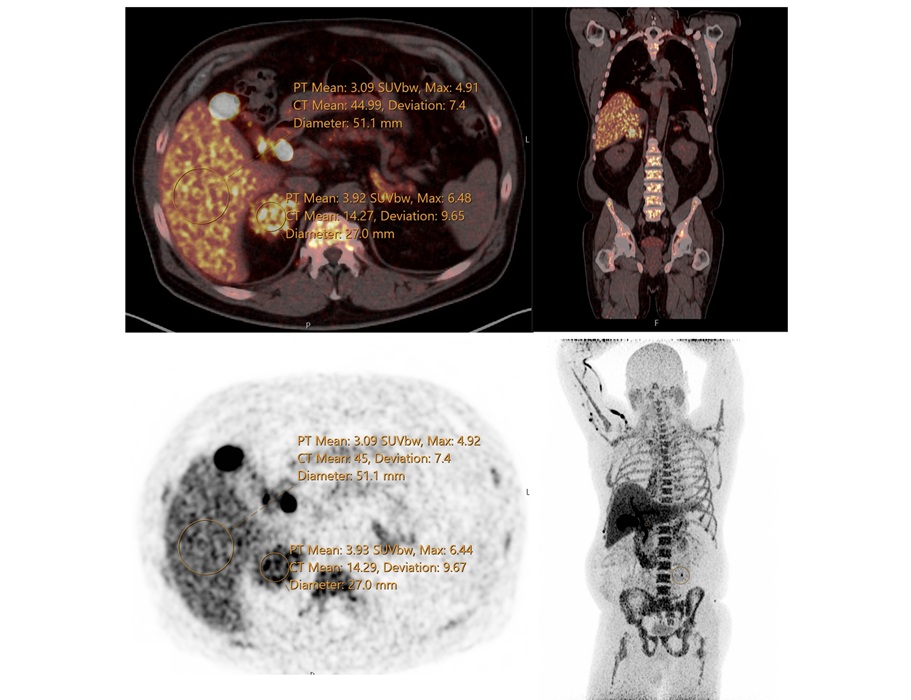
Imaging IT
view channel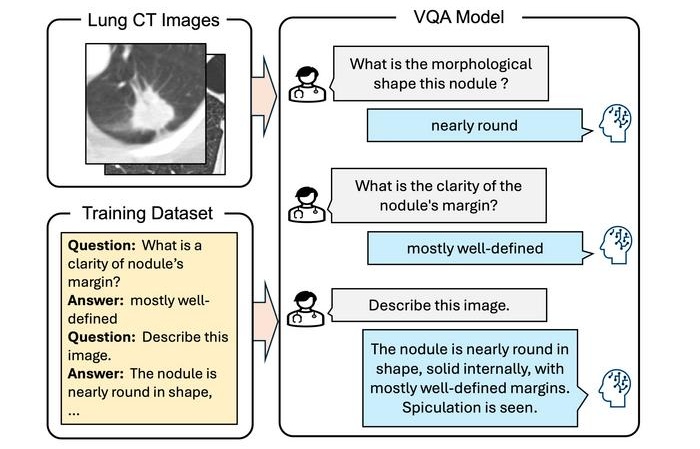
Interactive AI Tool Supports Explainable Lung Nodule Assessment
Lung cancer is a leading cause of cancer mortality, and timely characterization of pulmonary nodules on chest computed tomography (CT) is essential for directing care. Interpreting nodule morphology demands... Read more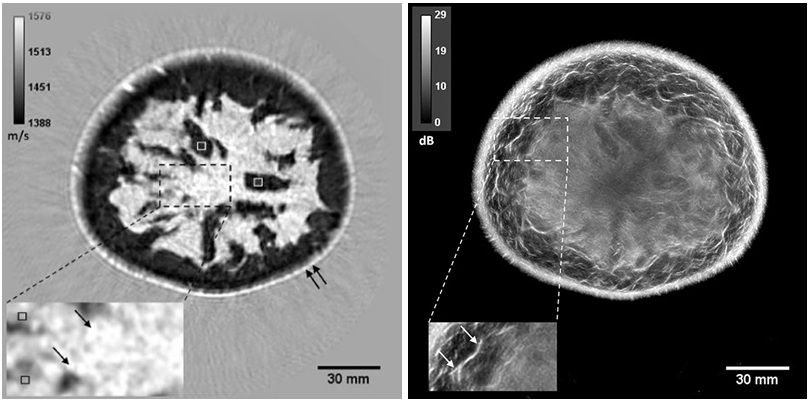
Breast Imaging Software Enhances Visualization and Tissue Characterization in Challenging Cases
Breast imaging can be particularly challenging in cases involving small breasts or implants, where image reconstruction and tissue characterization may be limited. Clinicians also need reproducible analysis... Read more
New Google Cloud Medical Imaging Suite Makes Imaging Healthcare Data More Accessible
Medical imaging is a critical tool used to diagnose patients, and there are billions of medical images scanned globally each year. Imaging data accounts for about 90% of all healthcare data1 and, until... Read more
Global AI in Medical Diagnostics Market to Be Driven by Demand for Image Recognition in Radiology
The global artificial intelligence (AI) in medical diagnostics market is expanding with early disease detection being one of its key applications and image recognition becoming a compelling consumer proposition... Read moreIndustry News
view channel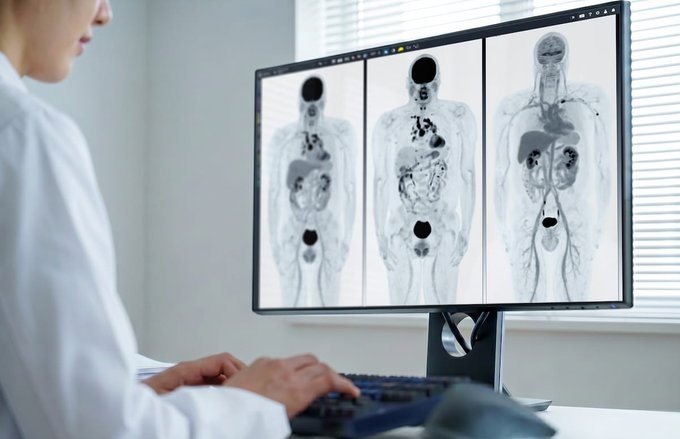
GE HealthCare Showcases AI-Enabled Nuclear Medicine Portfolio at SNMMI 2026
Nuclear medicine is expanding rapidly as health systems adopt theranostics and broaden access to radiopharmaceuticals, increasing demand for scalable operations and consistent diagnostic confidence.... Read more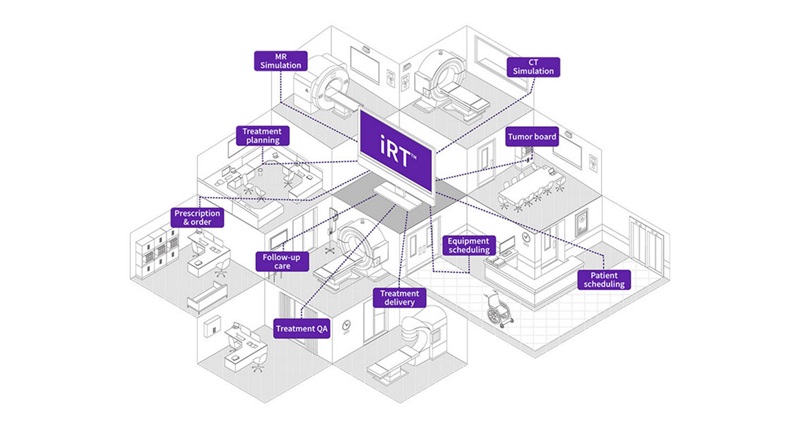
GE HealthCare Highlights AI-Supported Radiation Therapy Tools at ESTRO 2026
At the European Society for Radiotherapy and Oncology (ESTRO) 2026 Congress in Stockholm, GE HealthCare is highlighting Intelligent Radiation Therapy (iRT), MIM Software innovations, and BK Medical surgical... Read more