Fusion RIS Overcomes Billing Interoperability Challenge and Accelerates Payment Remittance
|
By MedImaging International staff writers Posted on 21 Dec 2009 |


|
By combining two distinctly separate radiology information and accounting applications into one radiology information system (RIS), medical imaging practices can accelerate their payment cycle by considerably reducing time consuming and labor-intensive processes required to generate and receive payment of radiology-based procedures.
The recent release of Fusion RIS MX 4.0 and Fusion RIS/picture archiving and communications system (PACS) 4.0 allows Merge Healthcare (Milwaukee, WI, USA) to bring stronger integrated billing capabilities to radiology businesses. Developed in close partnership with its customers, the new release was showcased during the annual Merge User Group meeting in late October 2009. Users were particularly impressed with the built-in claims processing tools, as well as the overall speed and clarity the fully integrated billing application brings to a practice's accounting department.
Newly elected president of the Merge User Group of North America (MUGONA), Sal Capirchio stated, "As a longtime customer of Merge, it's nice to see that they are innovating new practice-workflow solutions which are relevant to today's healthcare environment. Their responsiveness and close, personal involvement with users continues to impress, and it shows in the products and services they offer.”
With its fully integrated billing module, Fusion RIS MX 4.0 manages all clinical and billing data without the need for peripheral hardware or connectivity components (i.e., HL [Health Level] 7 interfaces), enabling medical imaging professionals to monitor, transmit, receive, and archive claims/payment files from a single desktop. The latest version also incorporates a proprietary EDI (electronic data interchange) tool that diagnoses reasons for claims denials. This allows for even faster reconciliation and resubmission of claims, further reducing the number of steps necessary for receiving payment.
"The value of providing accurate, timely, and pertinent billing data to our entire staff cannot be underestimated,” noted Matt Dewey, chief information officer at Zwanger Pesiri Radiology (Long Island, NY, USA). "Fusion RIS MX 4.0 assures the transparency of our entire billing process, so that we can improve the timeliness of payments and apply our team in a manner that can better serve our patients.”
Other notable functions of Fusion RIS MX 4.0 include: (1) charge level insurance assignment (versus procedure level assignment) enables the charge to be "billing-ready” as soon as it is posted to the patient account. (2) Current procedural technology (CPT) level authorization number enables assignment of separate authorization numbers to each item. (3) Automatic electronic remittances automatically create a payment batch, thereby reducing the amount of time needed to post payment(s) to patient ledgers. (4) Lastly, ad hoc reporting allows the user to design and save APAR (authorized program analysis report) reports and files using helpful "wizards.”
"Our Fusion RIS is an established radiology business platform with a very loyal customer base,” said Nancy Koenig, president of Merge Fusion. "They gave us their visions for improving their billing operations, and we have now made it a reality for them, resulting in a tested solution that solves the most complicated issues in radiology business workflow. In today's cost-constrained environment, this product is an essential tool for our customers' financial success. It was very rewarding to show our users the result of their feedback at our meeting, and to get such a positive reception to the changes.”
Merge Healthcare develops software solutions that automate healthcare data and diagnostic workflow to create a more comprehensive electronic record of the patient experience.
Related Links:
Merge Healthcare





The recent release of Fusion RIS MX 4.0 and Fusion RIS/picture archiving and communications system (PACS) 4.0 allows Merge Healthcare (Milwaukee, WI, USA) to bring stronger integrated billing capabilities to radiology businesses. Developed in close partnership with its customers, the new release was showcased during the annual Merge User Group meeting in late October 2009. Users were particularly impressed with the built-in claims processing tools, as well as the overall speed and clarity the fully integrated billing application brings to a practice's accounting department.
Newly elected president of the Merge User Group of North America (MUGONA), Sal Capirchio stated, "As a longtime customer of Merge, it's nice to see that they are innovating new practice-workflow solutions which are relevant to today's healthcare environment. Their responsiveness and close, personal involvement with users continues to impress, and it shows in the products and services they offer.”
With its fully integrated billing module, Fusion RIS MX 4.0 manages all clinical and billing data without the need for peripheral hardware or connectivity components (i.e., HL [Health Level] 7 interfaces), enabling medical imaging professionals to monitor, transmit, receive, and archive claims/payment files from a single desktop. The latest version also incorporates a proprietary EDI (electronic data interchange) tool that diagnoses reasons for claims denials. This allows for even faster reconciliation and resubmission of claims, further reducing the number of steps necessary for receiving payment.
"The value of providing accurate, timely, and pertinent billing data to our entire staff cannot be underestimated,” noted Matt Dewey, chief information officer at Zwanger Pesiri Radiology (Long Island, NY, USA). "Fusion RIS MX 4.0 assures the transparency of our entire billing process, so that we can improve the timeliness of payments and apply our team in a manner that can better serve our patients.”
Other notable functions of Fusion RIS MX 4.0 include: (1) charge level insurance assignment (versus procedure level assignment) enables the charge to be "billing-ready” as soon as it is posted to the patient account. (2) Current procedural technology (CPT) level authorization number enables assignment of separate authorization numbers to each item. (3) Automatic electronic remittances automatically create a payment batch, thereby reducing the amount of time needed to post payment(s) to patient ledgers. (4) Lastly, ad hoc reporting allows the user to design and save APAR (authorized program analysis report) reports and files using helpful "wizards.”
"Our Fusion RIS is an established radiology business platform with a very loyal customer base,” said Nancy Koenig, president of Merge Fusion. "They gave us their visions for improving their billing operations, and we have now made it a reality for them, resulting in a tested solution that solves the most complicated issues in radiology business workflow. In today's cost-constrained environment, this product is an essential tool for our customers' financial success. It was very rewarding to show our users the result of their feedback at our meeting, and to get such a positive reception to the changes.”
Merge Healthcare develops software solutions that automate healthcare data and diagnostic workflow to create a more comprehensive electronic record of the patient experience.
Related Links:
Merge Healthcare

Computed Tomography System
Aquilion ONE / INSIGHT Edition
Diagnostic Ultrasound System
DC-80A
High-Precision QA Tool
DEXA Phantom
Floor‑Mounted Digital X‑Ray System
MasteRad MX30+
Latest Imaging IT News
- Interactive AI Tool Supports Explainable Lung Nodule Assessment
- Breast Imaging Software Enhances Visualization and Tissue Characterization in Challenging Cases
- New Google Cloud Medical Imaging Suite Makes Imaging Healthcare Data More Accessible
- Global AI in Medical Diagnostics Market to Be Driven by Demand for Image Recognition in Radiology
- AI-Based Mammography Triage Software Helps Dramatically Improve Interpretation Process
- Artificial Intelligence (AI) Program Accurately Predicts Lung Cancer Risk from CT Images
- Image Management Platform Streamlines Treatment Plans
- AI-Based Technology for Ultrasound Image Analysis Receives FDA Approval
- AI Technology for Detecting Breast Cancer Receives CE Mark Approval
- Digital Pathology Software Improves Workflow Efficiency
Channels
Radiography
view channel
Rapid X-Ray Test Quantifies Pulmonary Regurgitation After Tetralogy of Fallot Repair
Tetralogy of Fallot is the most common cyanotic congenital heart defect and can leave patients with pulmonary valve regurgitation, a backward flow of blood into the right ventricle after repair.... Read more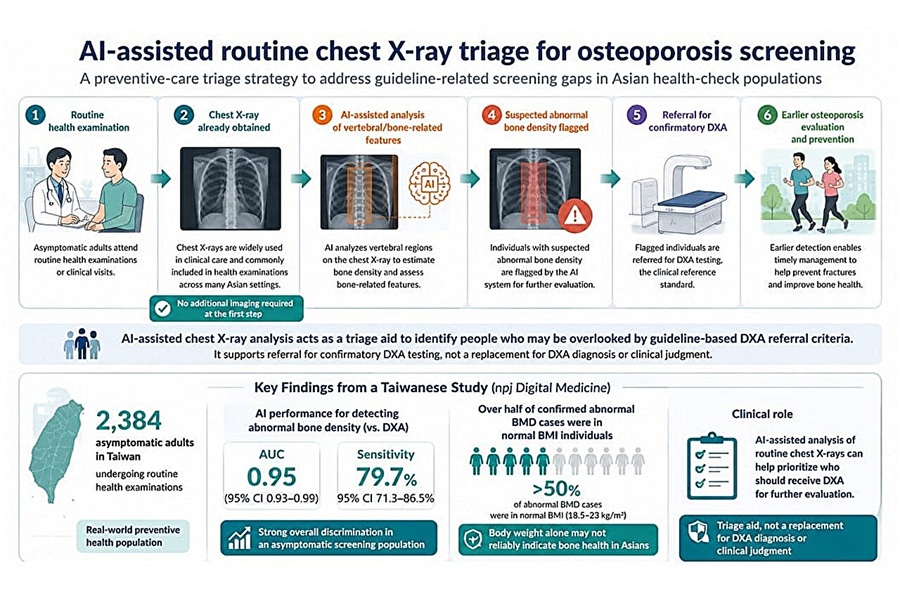
AI Tool Flags Osteoporosis Risk from Routine Chest X-Rays
Osteoporosis is a progressive loss of bone density that is often silent until a fracture occurs. Current screening frameworks concentrate on older women and select high-risk groups. Many men, younger adults,... Read more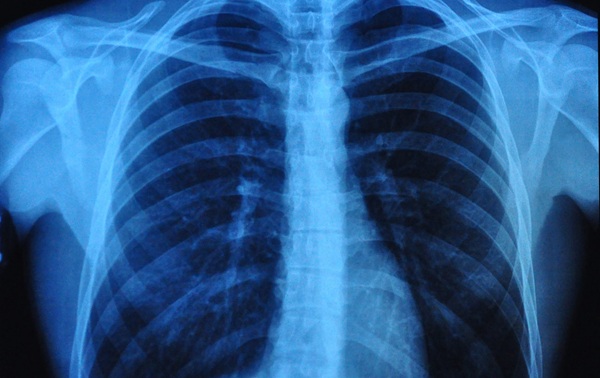
MRI
view channel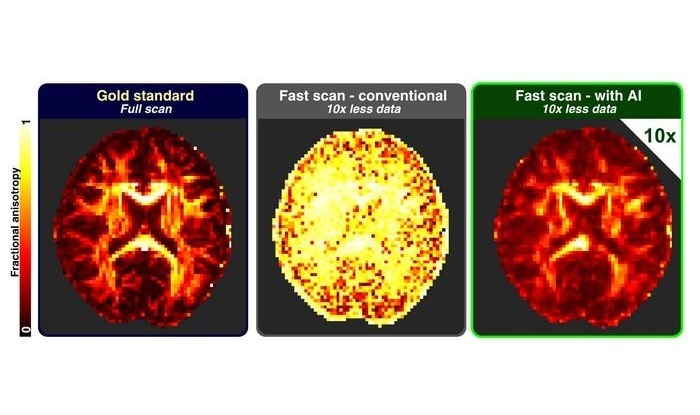
AI Approach Could Shorten Advanced Brain MRI Scans by Up to 90%
Long acquisition times for advanced brain magnetic resonance imaging (MRI) can limit access, extend waiting lists, and disrupt clinical workflows. Reducing data requirements without sacrificing image fidelity... Read more
Cardiac MRI Measure Improves Risk Prediction in Tricuspid Regurgitation
Tricuspid regurgitation, in which blood flows back from the right ventricle into the right atrium, can lead to progressive right-sided heart failure. Clinicians need reliable ways to gauge severity and... Read more

Ultrasound
view channel
AI Robotic Ultrasound System Automates Echocardiography and Improves Consistency
Echocardiography, an ultrasound examination of the heart, is central to diagnosing and managing cardiovascular disease. Many services struggle with limited availability of skilled sonographers, variable... Read more
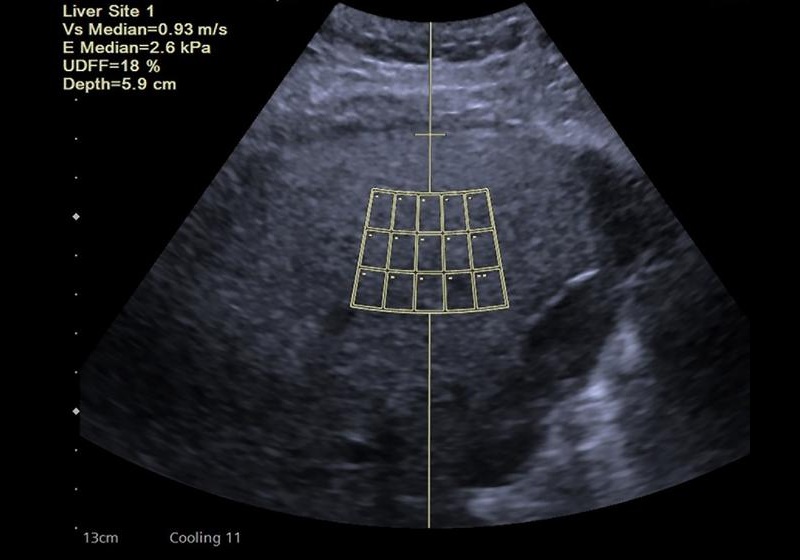
Whole Cross-Section Ultrasound System Enables Operator-Independent Imaging
Conventional ultrasound is central to bedside imaging but is limited by a narrow field of view and operator variability. Comprehensive cross-sectional assessment typically requires computed tomography... Read more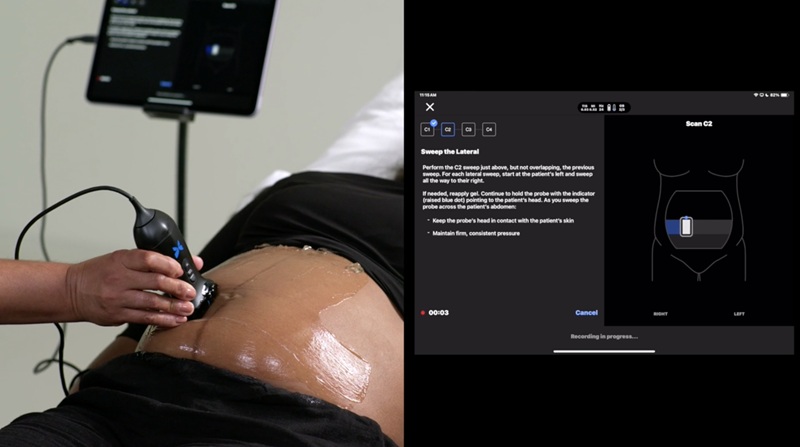
Nuclear Medicine
view channel![Image: (A-C) Representative whole-body maximum-intensity projection images and regional fused PET/CT images from three histologically confirmed osteosarcoma patients who underwent paired [68Ga]Ga-B7-H3-BCH PET/CT and 18F-FDGE PET/CT within 7 days. (D) Multimodal imaging evaluation of patient 3, including X-ray, MRI (T2-weighted imaging, T2WI), CT, and B7-H3 PET/CT. (Photo courtesy of SNMMI)](https://globetechcdn.com/mobile_medicalimaging/images/stories/articles/article_images/2026-06-07/294811110_image_1.jpg "Image: (A-C) Representative whole-body maximum-intensity projection images and regional fused PET/CT images from three histologically confirmed osteosarcoma patients who underwent paired [68Ga]Ga-B7-H3-BCH PET/CT and 18F-FDGE PET/CT within 7 days. (D) Multimodal imaging evaluation of patient 3, including X-ray, MRI (T2-weighted imaging, T2WI), CT, and B7-H3 PET/CT. (Photo courtesy of SNMMI)")
Targeted PET Platform Guides Osteosarcoma Resection and Margin Verification
Osteosarcoma, an aggressive primary bone cancer that mainly affects children and adolescents, demands wide excision to prevent local recurrence. Surgeons must achieve negative margins while preserving... Read more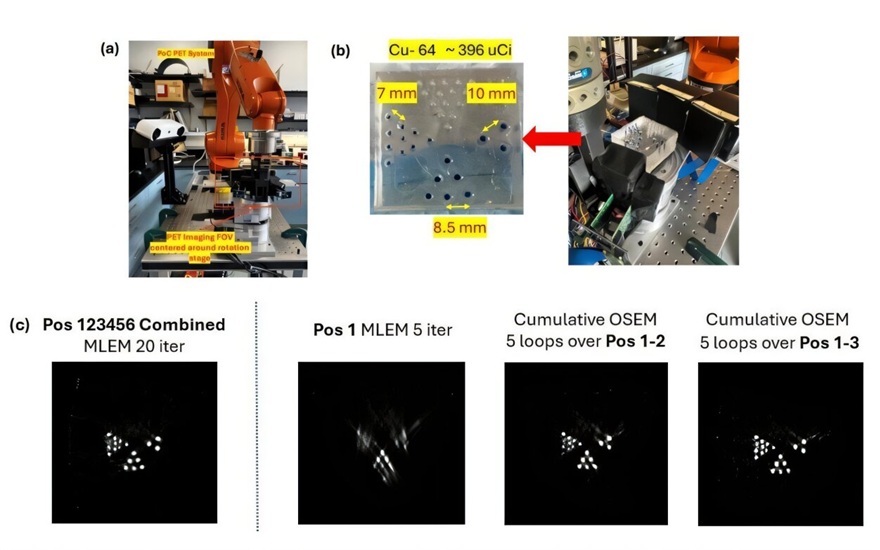
Portable PET System Enables Real-Time Bedside Guidance for Biopsies and Ablations
Interventional radiology procedures typically rely on ultrasound, X-ray fluoroscopy, or computed tomography for image guidance. These modalities visualize anatomy but offer limited molecular information,... Read more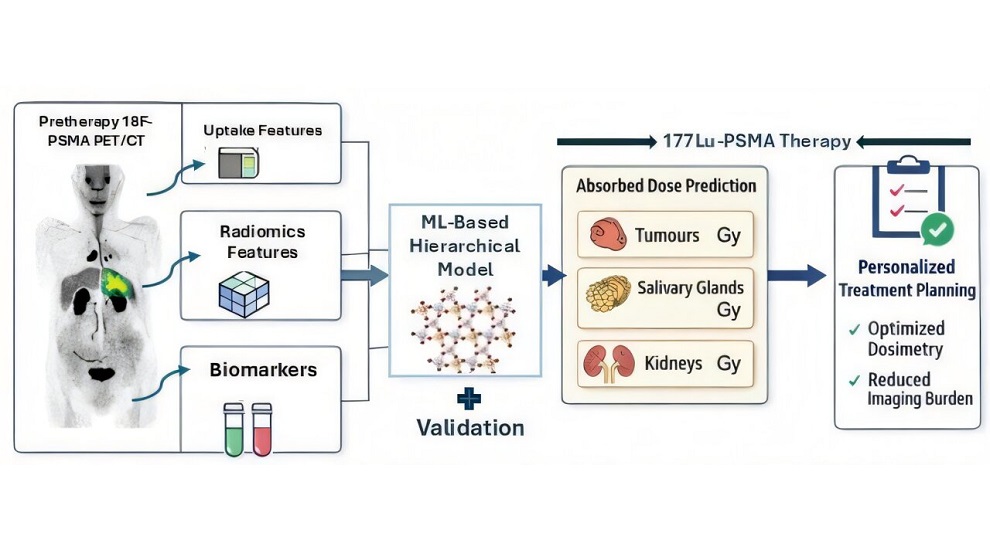

General/Advanced Imaging
view channel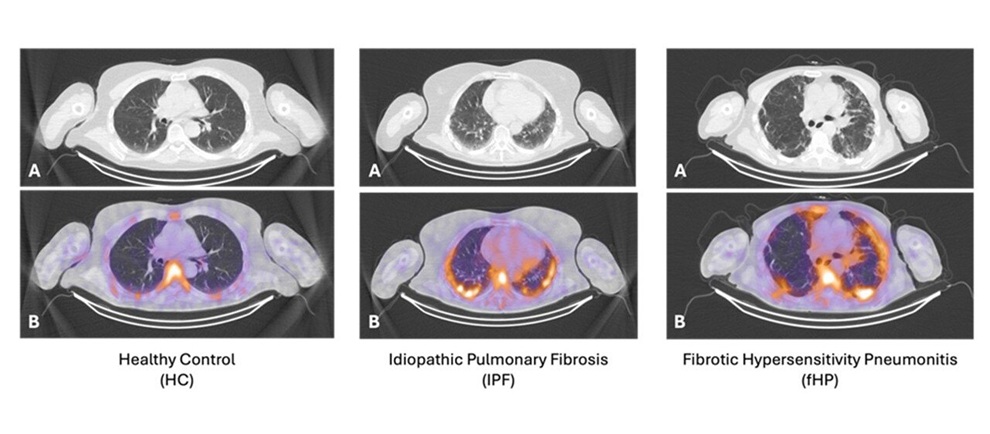
New SPECT/CT Method Differentiates Inflammation from Fibrosis in Interstitial Lung Disease
Interstitial lung disease (ILD) encompasses more than 200 disorders that inflame or scar the lung interstitium and can lead to progressive respiratory failure. Determining whether active inflammation is... Read more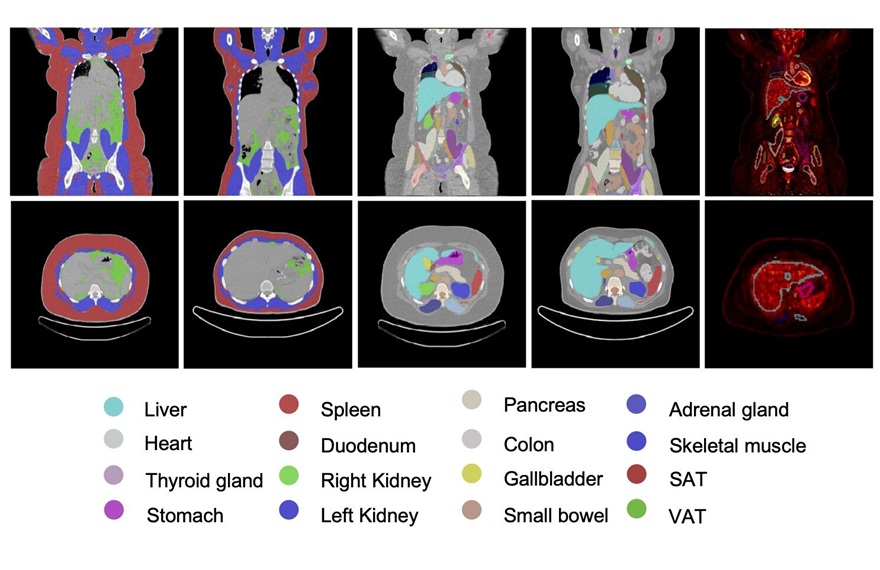
Whole-Body PET/CT Tracks Metabolic Changes After Bariatric Surgery
Obesity surgery improves weight and comorbidity profiles, yet clinicians lack tools to monitor organ-level metabolic recovery after the procedure. A clear view of systemic changes could refine follow-up... Read more
Industry News
view channel
GE HealthCare Showcases AI-Enabled Nuclear Medicine Portfolio at SNMMI 2026
Nuclear medicine is expanding rapidly as health systems adopt theranostics and broaden access to radiopharmaceuticals, increasing demand for scalable operations and consistent diagnostic confidence.... Read more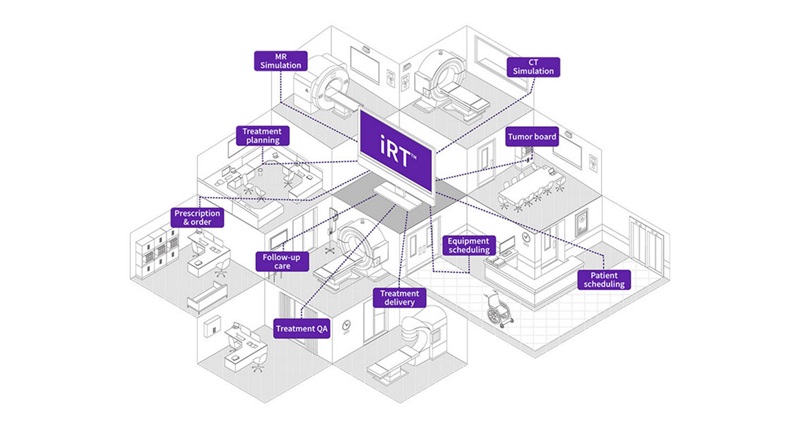
GE HealthCare Highlights AI-Supported Radiation Therapy Tools at ESTRO 2026
At the European Society for Radiotherapy and Oncology (ESTRO) 2026 Congress in Stockholm, GE HealthCare is highlighting Intelligent Radiation Therapy (iRT), MIM Software innovations, and BK Medical surgical... Read more