Siemens Releases PACS System for Image and Video Analysis
|
By MedImaging International staff writers Posted on 16 Dec 2009 |


|
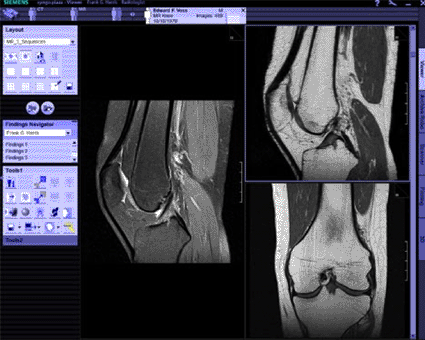
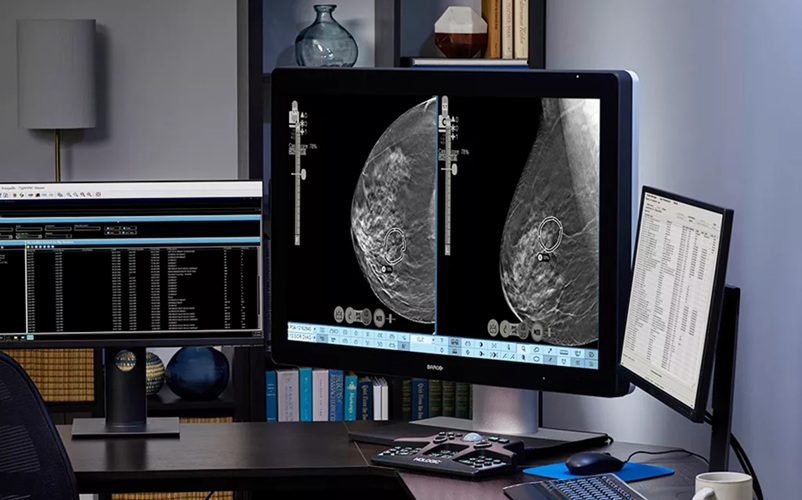
Image: The Siemens syngo.plaza PACS solution (Photo courtesy Siemens Healthcare).
A new picture archiving and communications system (PACS) software package provides easy access to visuals from computerized tomography (CT), magnetic resonance imaging (MRI), and ultrasound sources.
The Siemens syngo.plaza automatically identifies the type of source image used and then, in line with the case complexity, calls up the corresponding 2D, 3D, or 4D applications. Through no-click integration to syngo.via--a proprietary imaging software--users can then access the appropriate syngo.via applications directly through syngo.plaza. Combined with a unified user-interface, this allows for a smooth transition between different applications, helping to speed up the reading workflow. Users can also use syngo.plaza to master complex multimodality cases through access to syngo.via and syngo multimodality workplace applications. Patient jacket functionality makes it easy to view patient history at a glance, including prior exams, reports, and digital imaging and communications in medicine (DICOM) presentation states.
Siemens syngo.plaza offers two viewing modes for users; the first is a preconfigured intuitive interface, and the second is a customizable option that allows users to define and use the layouts they prefer. The timesaving SmartSelect tool enables users to access their most frequently used functions directly in the diagnostic screen, without taking their eyes off the images. Additionally, syngo.plaza's innovative system architecture allows clinicians to access the software either within their facility or remotely. The Siemens syngo.plaza is a product of Siemens Healthcare (Erlangen, Germany).
"Customer-focused innovation runs in our veins here at Siemens, and syngo.plaza is a true example of that,” said Arthur Kaindl, CEO of image and knowledge management at Siemens Healthcare. "For the first time, we are now offering fast and accurate multimodality reading on one single workplace, with one intuitive user interface. And we are helping to protect our customers´ investment, as already existing hardware components can be leveraged.”
The Siemens syngo.plaza offers users the ability to leverage their existing hardware components, functionality, and storage configurations. In addition, users can easily adapt to changes in their own environment, enabling their PACS to grow in-line with their needs and budget. Scalable storage allows syngo.plaza to adjust its shape to users' requirements, offering multiple solutions ranging from dedicated to shared storage, from single to multiple archives, and from a single workplace to an enterprise PACS, all without compromising performance.
Related Links:
Siemens Healthcare





The Siemens syngo.plaza automatically identifies the type of source image used and then, in line with the case complexity, calls up the corresponding 2D, 3D, or 4D applications. Through no-click integration to syngo.via--a proprietary imaging software--users can then access the appropriate syngo.via applications directly through syngo.plaza. Combined with a unified user-interface, this allows for a smooth transition between different applications, helping to speed up the reading workflow. Users can also use syngo.plaza to master complex multimodality cases through access to syngo.via and syngo multimodality workplace applications. Patient jacket functionality makes it easy to view patient history at a glance, including prior exams, reports, and digital imaging and communications in medicine (DICOM) presentation states.
Siemens syngo.plaza offers two viewing modes for users; the first is a preconfigured intuitive interface, and the second is a customizable option that allows users to define and use the layouts they prefer. The timesaving SmartSelect tool enables users to access their most frequently used functions directly in the diagnostic screen, without taking their eyes off the images. Additionally, syngo.plaza's innovative system architecture allows clinicians to access the software either within their facility or remotely. The Siemens syngo.plaza is a product of Siemens Healthcare (Erlangen, Germany).
"Customer-focused innovation runs in our veins here at Siemens, and syngo.plaza is a true example of that,” said Arthur Kaindl, CEO of image and knowledge management at Siemens Healthcare. "For the first time, we are now offering fast and accurate multimodality reading on one single workplace, with one intuitive user interface. And we are helping to protect our customers´ investment, as already existing hardware components can be leveraged.”
The Siemens syngo.plaza offers users the ability to leverage their existing hardware components, functionality, and storage configurations. In addition, users can easily adapt to changes in their own environment, enabling their PACS to grow in-line with their needs and budget. Scalable storage allows syngo.plaza to adjust its shape to users' requirements, offering multiple solutions ranging from dedicated to shared storage, from single to multiple archives, and from a single workplace to an enterprise PACS, all without compromising performance.
Related Links:
Siemens Healthcare

Portable X-ray Unit
AJEX140H
Digital Intelligent Ferromagnetic Detector
Digital Ferromagnetic Detector
Breast Localization System
MAMMOREP LOOP
Mobile X-Ray System
K4W
Latest Imaging IT News
- Interactive AI Tool Supports Explainable Lung Nodule Assessment
- Breast Imaging Software Enhances Visualization and Tissue Characterization in Challenging Cases
- New Google Cloud Medical Imaging Suite Makes Imaging Healthcare Data More Accessible
- Global AI in Medical Diagnostics Market to Be Driven by Demand for Image Recognition in Radiology
- AI-Based Mammography Triage Software Helps Dramatically Improve Interpretation Process
- Artificial Intelligence (AI) Program Accurately Predicts Lung Cancer Risk from CT Images
- Image Management Platform Streamlines Treatment Plans
- AI-Based Technology for Ultrasound Image Analysis Receives FDA Approval
- AI Technology for Detecting Breast Cancer Receives CE Mark Approval
- Digital Pathology Software Improves Workflow Efficiency
Channels
Radiography
view channel
Rapid X-Ray Test Quantifies Pulmonary Regurgitation After Tetralogy of Fallot Repair
Tetralogy of Fallot is the most common cyanotic congenital heart defect and can leave patients with pulmonary valve regurgitation, a backward flow of blood into the right ventricle after repair.... Read more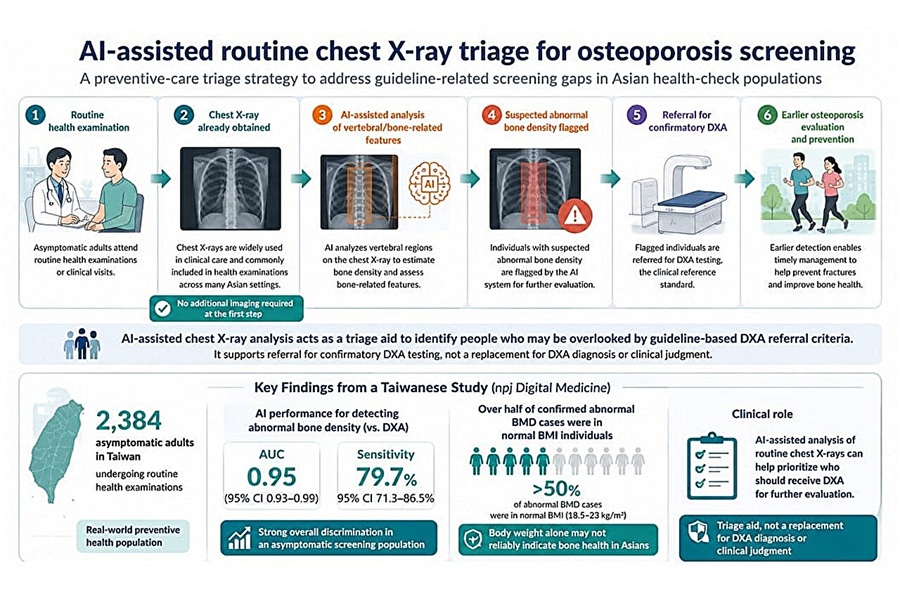
AI Tool Flags Osteoporosis Risk from Routine Chest X-Rays
Osteoporosis is a progressive loss of bone density that is often silent until a fracture occurs. Current screening frameworks concentrate on older women and select high-risk groups. Many men, younger adults,... Read more
MRI
view channel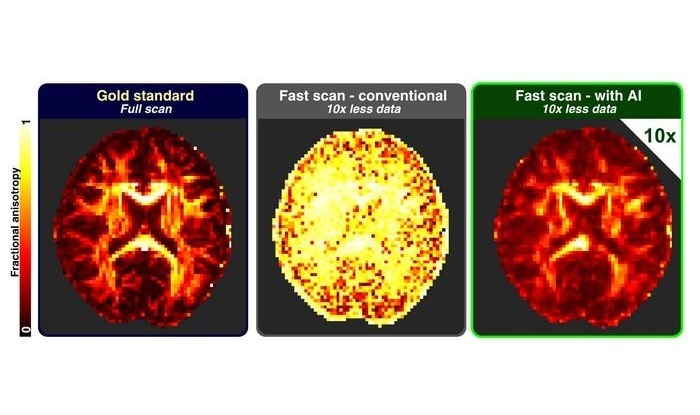
AI Approach Could Shorten Advanced Brain MRI Scans by Up to 90%
Long acquisition times for advanced brain magnetic resonance imaging (MRI) can limit access, extend waiting lists, and disrupt clinical workflows. Reducing data requirements without sacrificing image fidelity... Read more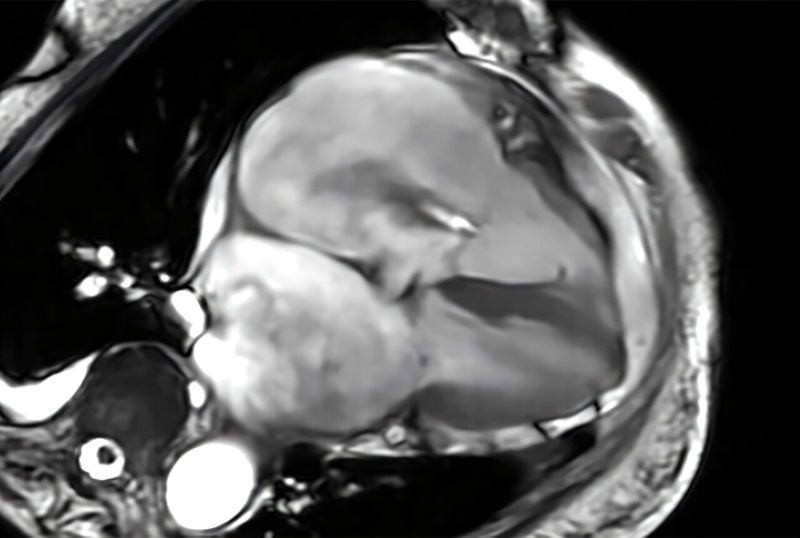
Cardiac MRI Measure Improves Risk Prediction in Tricuspid Regurgitation
Tricuspid regurgitation, in which blood flows back from the right ventricle into the right atrium, can lead to progressive right-sided heart failure. Clinicians need reliable ways to gauge severity and... Read more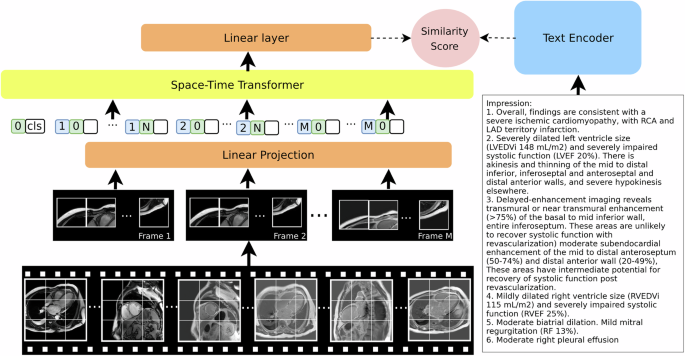

Ultrasound
view channel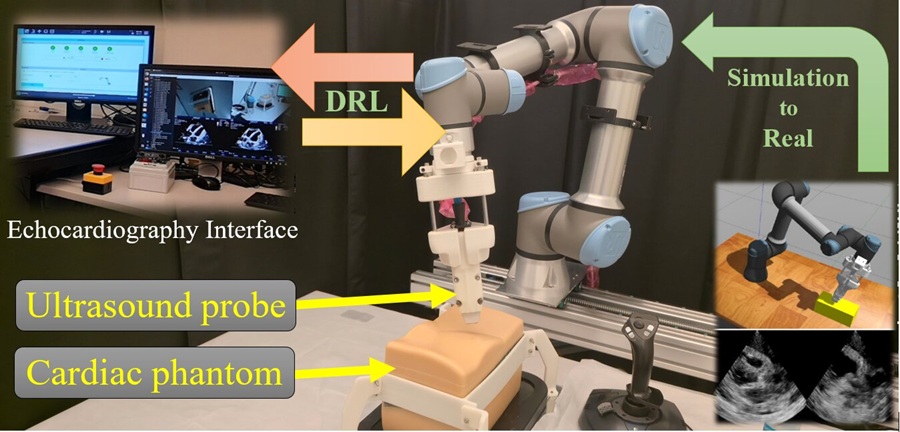
AI Robotic Ultrasound System Automates Echocardiography and Improves Consistency
Echocardiography, an ultrasound examination of the heart, is central to diagnosing and managing cardiovascular disease. Many services struggle with limited availability of skilled sonographers, variable... Read more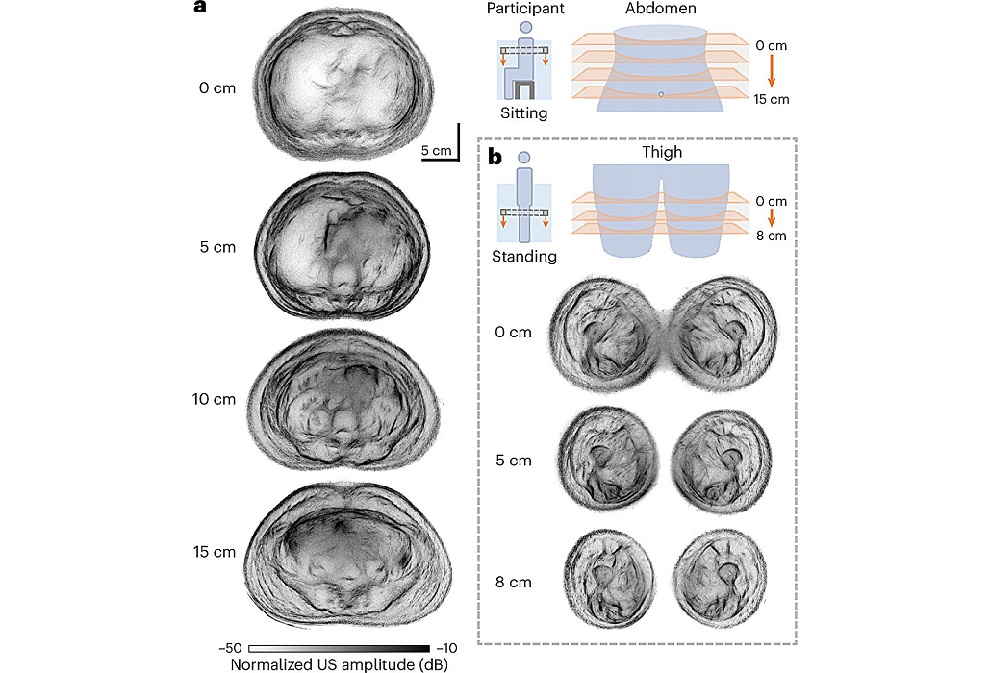
Whole Cross-Section Ultrasound System Enables Operator-Independent Imaging
Conventional ultrasound is central to bedside imaging but is limited by a narrow field of view and operator variability. Comprehensive cross-sectional assessment typically requires computed tomography... Read more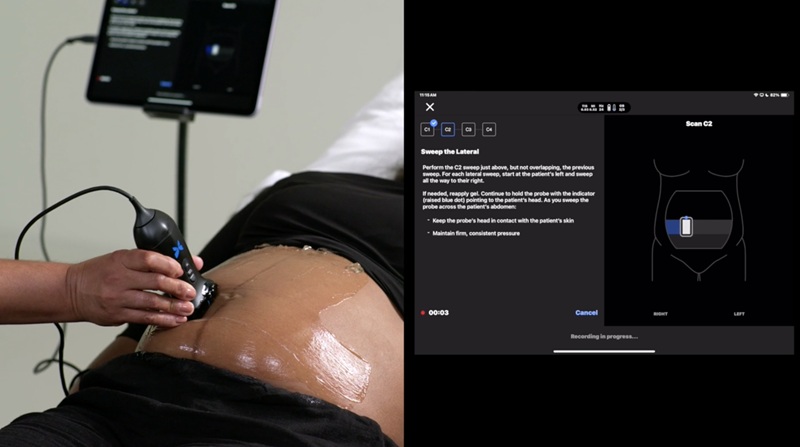
Nuclear Medicine
view channel![Image: (A-C) Representative whole-body maximum-intensity projection images and regional fused PET/CT images from three histologically confirmed osteosarcoma patients who underwent paired [68Ga]Ga-B7-H3-BCH PET/CT and 18F-FDGE PET/CT within 7 days. (D) Multimodal imaging evaluation of patient 3, including X-ray, MRI (T2-weighted imaging, T2WI), CT, and B7-H3 PET/CT. (Photo courtesy of SNMMI)](https://globetechcdn.com/mobile_medicalimaging/images/stories/articles/article_images/2026-06-07/294811110_image_1.jpg "Image: (A-C) Representative whole-body maximum-intensity projection images and regional fused PET/CT images from three histologically confirmed osteosarcoma patients who underwent paired [68Ga]Ga-B7-H3-BCH PET/CT and 18F-FDGE PET/CT within 7 days. (D) Multimodal imaging evaluation of patient 3, including X-ray, MRI (T2-weighted imaging, T2WI), CT, and B7-H3 PET/CT. (Photo courtesy of SNMMI)")
Targeted PET Platform Guides Osteosarcoma Resection and Margin Verification
Osteosarcoma, an aggressive primary bone cancer that mainly affects children and adolescents, demands wide excision to prevent local recurrence. Surgeons must achieve negative margins while preserving... Read more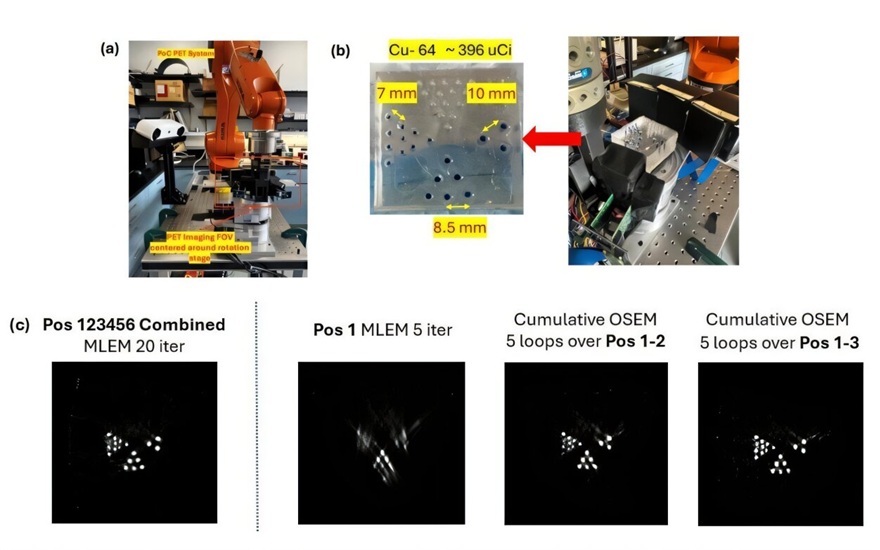
Portable PET System Enables Real-Time Bedside Guidance for Biopsies and Ablations
Interventional radiology procedures typically rely on ultrasound, X-ray fluoroscopy, or computed tomography for image guidance. These modalities visualize anatomy but offer limited molecular information,... Read more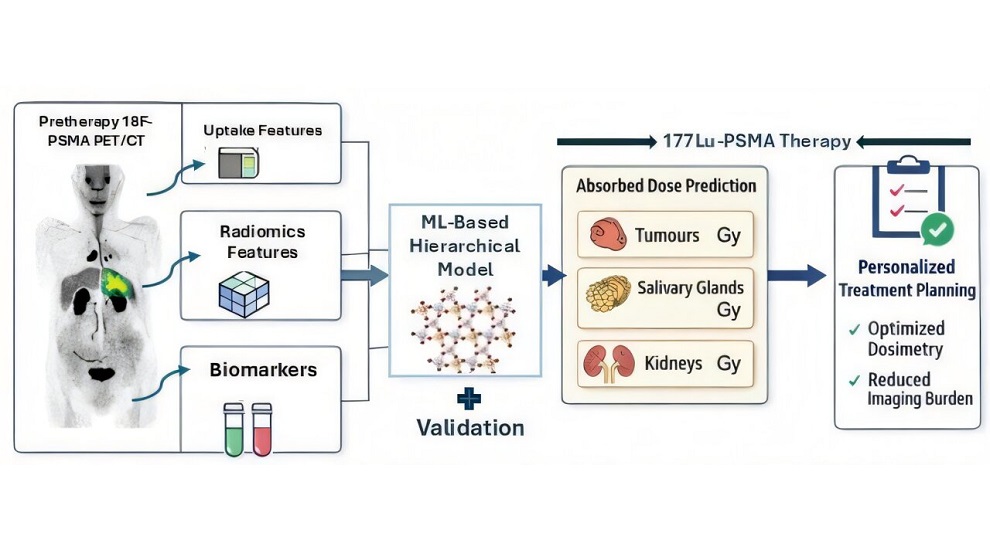

General/Advanced Imaging
view channel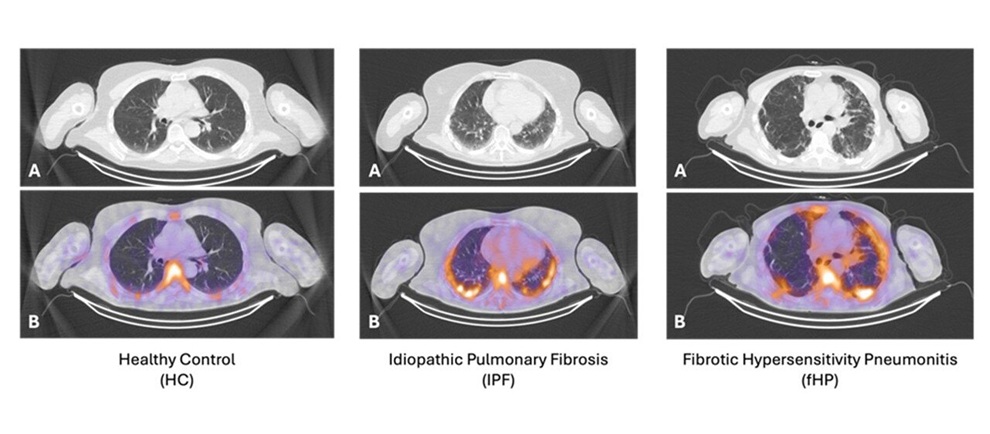
New SPECT/CT Method Differentiates Inflammation from Fibrosis in Interstitial Lung Disease
Interstitial lung disease (ILD) encompasses more than 200 disorders that inflame or scar the lung interstitium and can lead to progressive respiratory failure. Determining whether active inflammation is... Read more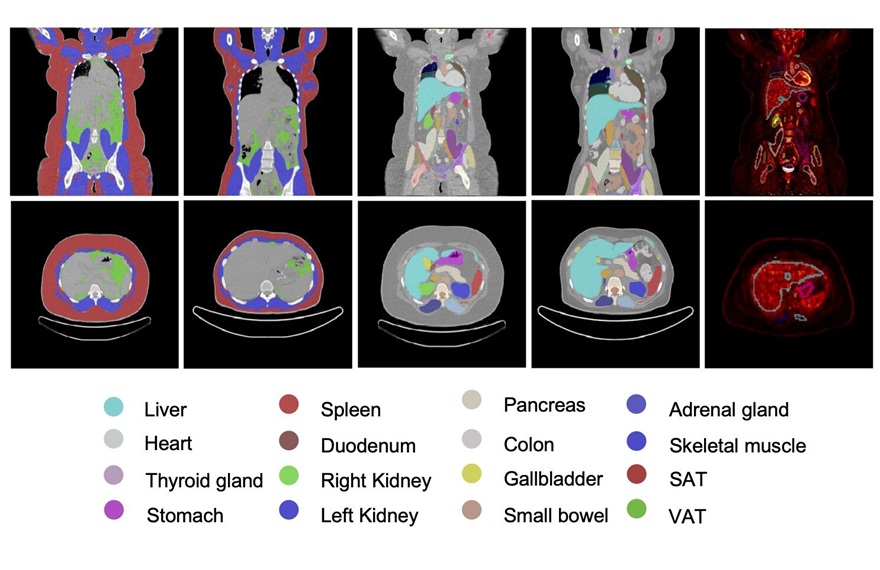
Whole-Body PET/CT Tracks Metabolic Changes After Bariatric Surgery
Obesity surgery improves weight and comorbidity profiles, yet clinicians lack tools to monitor organ-level metabolic recovery after the procedure. A clear view of systemic changes could refine follow-up... Read more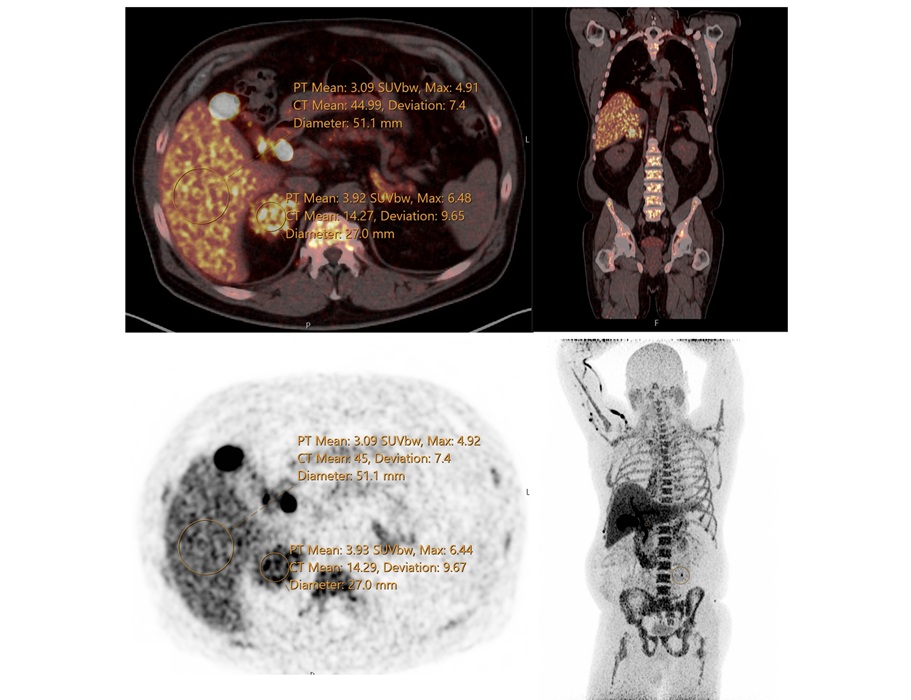
Industry News
view channel
GE HealthCare Showcases AI-Enabled Nuclear Medicine Portfolio at SNMMI 2026
Nuclear medicine is expanding rapidly as health systems adopt theranostics and broaden access to radiopharmaceuticals, increasing demand for scalable operations and consistent diagnostic confidence.... Read more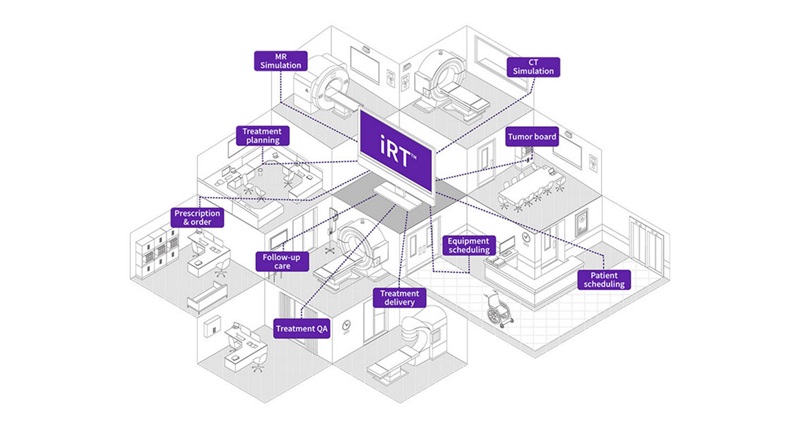
GE HealthCare Highlights AI-Supported Radiation Therapy Tools at ESTRO 2026
At the European Society for Radiotherapy and Oncology (ESTRO) 2026 Congress in Stockholm, GE HealthCare is highlighting Intelligent Radiation Therapy (iRT), MIM Software innovations, and BK Medical surgical... Read more