


Increasing Demand to Drive Growth in US and European Ultrasound Market
|
By MedImaging International staff writers Posted on 23 Nov 2009 |


|
New market research found that an aging population growth combined with cost-effectiveness and innovations in technology are expected to drive growth in the U.S. and Europe ultrasound systems market. The report highlights these factors as the key drivers for these markets.
The U.S. and Europe ultrasound systems market, together valued at US$2.4 billion in 2008, is forecast to grow by 7% annually for the next seven years to reach $4 billion by 2015, according to industry analysis specialists Global Data (Chambersburg, PA, USA). The U.S. market valued at $1.4 billion in 2008 remains the largest market for ultrasound systems, globally. An increasing aging population coupled with technologic developments such as miniaturization of the scanning system and advancement in software and ultrasound contrast media technology are expected to drive growth in the U.S. and Europe ultrasound systems market.
Ultrasound has seen tremendous progress over the last five to six decades; from simple, A-line scans to multidimensional scans (portable handheld devices) with network connectivity. This progress has been made possible due to the sophisticated software developed and innovative analytic methods created to interpret the data. It has the potential to become the gold standard for guidance in minimally invasive surgeries, biopsies and ablation procedures.
The color Doppler ultrasound systems will continue to contribute a major share to the overall market value in 2015. The color Doppler ultrasound systems segment is the largest revenue-contributing segment in both the US and Europe ultrasound system markets. The US and Europe color Doppler ultrasound systems segment, together valued at $2.2 billion in 2008, is forecast to grow by 8% annually for the next seven years to reach $3.8 billion by 2015. The market for color Doppler ultrasound systems is mainly driven by factors such as high level of reliability and stability in diagnostic scan applications, advanced digital technology features, capability of producing high-resolution images, and high adoption rates.
Hand-carried ultrasound (HCU) systems will be driving overall market growth. HCU has the potential to reshape the ultrasound market landscape. Advancements in technology, software developments, and miniaturization of the system are paving way for high performance HCU systems. HCU being cost-effective and more flexible in nature could replace the expensive cart-based systems in the near future. This portable ultrasound is being used to assess cardiovascular abnormalities and is performed at the bedside.
While the ultrasound market is dominated by large companies, smaller manufacturers remain the leaders in niche segments, according to Global Data analysts.
Philips Medical (Best, The Netherlands), GE Healthcare (Chalfont, St. Giles, UK), and Siemens healthcare (Erlangen, Germany) remain the leading companies in the U.S. ultrasound systems market with a combined share of 68% in 2008. Philips Medical has the largest share with 25%, followed by GE Healthcare, and Siemens Medical with 22% and 21%, respectively. These companies are also the leading three companies in Europe; however, the market leader in this region is Siemens with a share of 32.3%.
Despite the dominance of the market by the large global conglomerates, smaller companies such as Sonosite (Bothell, WA, USA) are making their presence felt in niche segments such as HCU.
GlobalData is an industry analysis specialist company providing business information products and services. The company's analysts, researchers, and solution consultants use proprietary data sources and various tools and techniques to gather and analyze the information essential for businesses to sustain a competitive edge.
Related Links:
Global Data
Philips Medical
GE Healthcare
Siemens Healthcare
Sonosite




The U.S. and Europe ultrasound systems market, together valued at US$2.4 billion in 2008, is forecast to grow by 7% annually for the next seven years to reach $4 billion by 2015, according to industry analysis specialists Global Data (Chambersburg, PA, USA). The U.S. market valued at $1.4 billion in 2008 remains the largest market for ultrasound systems, globally. An increasing aging population coupled with technologic developments such as miniaturization of the scanning system and advancement in software and ultrasound contrast media technology are expected to drive growth in the U.S. and Europe ultrasound systems market.
Ultrasound has seen tremendous progress over the last five to six decades; from simple, A-line scans to multidimensional scans (portable handheld devices) with network connectivity. This progress has been made possible due to the sophisticated software developed and innovative analytic methods created to interpret the data. It has the potential to become the gold standard for guidance in minimally invasive surgeries, biopsies and ablation procedures.
The color Doppler ultrasound systems will continue to contribute a major share to the overall market value in 2015. The color Doppler ultrasound systems segment is the largest revenue-contributing segment in both the US and Europe ultrasound system markets. The US and Europe color Doppler ultrasound systems segment, together valued at $2.2 billion in 2008, is forecast to grow by 8% annually for the next seven years to reach $3.8 billion by 2015. The market for color Doppler ultrasound systems is mainly driven by factors such as high level of reliability and stability in diagnostic scan applications, advanced digital technology features, capability of producing high-resolution images, and high adoption rates.
Hand-carried ultrasound (HCU) systems will be driving overall market growth. HCU has the potential to reshape the ultrasound market landscape. Advancements in technology, software developments, and miniaturization of the system are paving way for high performance HCU systems. HCU being cost-effective and more flexible in nature could replace the expensive cart-based systems in the near future. This portable ultrasound is being used to assess cardiovascular abnormalities and is performed at the bedside.
While the ultrasound market is dominated by large companies, smaller manufacturers remain the leaders in niche segments, according to Global Data analysts.
Philips Medical (Best, The Netherlands), GE Healthcare (Chalfont, St. Giles, UK), and Siemens healthcare (Erlangen, Germany) remain the leading companies in the U.S. ultrasound systems market with a combined share of 68% in 2008. Philips Medical has the largest share with 25%, followed by GE Healthcare, and Siemens Medical with 22% and 21%, respectively. These companies are also the leading three companies in Europe; however, the market leader in this region is Siemens with a share of 32.3%.
Despite the dominance of the market by the large global conglomerates, smaller companies such as Sonosite (Bothell, WA, USA) are making their presence felt in niche segments such as HCU.
GlobalData is an industry analysis specialist company providing business information products and services. The company's analysts, researchers, and solution consultants use proprietary data sources and various tools and techniques to gather and analyze the information essential for businesses to sustain a competitive edge.
Related Links:
Global Data
Philips Medical
GE Healthcare
Siemens Healthcare
Sonosite

Medical Radiographic X-Ray Machine
TR30N HF
Digital Radiography System
DR-300
Digital Intelligent Ferromagnetic Detector
Digital Ferromagnetic Detector
Floor‑Mounted Digital X‑Ray System
MasteRad MX30+
Latest Ultrasound News
- AI Robotic Ultrasound System Automates Echocardiography and Improves Consistency
- Whole Cross-Section Ultrasound System Enables Operator-Independent Imaging
- New Ultrasound AI Tool Supports Rapid Prenatal Assessment
- New Consensus Standardizes Ultrasound-Based Fatty Liver Assessment
- Groundbreaking Technology to Enhance Precision in Emergency and Critical Care
- Reusable Gel Pad Made from Tamarind Seed Could Transform Ultrasound Examinations
- AI Model Accurately Detects Placenta Accreta in Pregnancy Before Delivery
- Portable Ultrasound Sensor to Enable Earlier Breast Cancer Detection
- Portable Imaging Scanner to Diagnose Lymphatic Disease in Real Time
- Imaging Technique Generates Simultaneous 3D Color Images of Soft-Tissue Structure and Vasculature
- Wearable Ultrasound Imaging System to Enable Real-Time Disease Monitoring
- Ultrasound Technique Visualizes Deep Blood Vessels in 3D Without Contrast Agents
- Ultrasound Probe Images Entire Organ in 4D

- Disposable Ultrasound Patch Performs Better Than Existing Devices
- Non-Invasive Ultrasound-Based Tool Accurately Detects Infant Meningitis
- Breakthrough Deep Learning Model Enhances Handheld 3D Medical Imaging
Channels
Radiography
view channel
Rapid X-Ray Test Quantifies Pulmonary Regurgitation After Tetralogy of Fallot Repair
Tetralogy of Fallot is the most common cyanotic congenital heart defect and can leave patients with pulmonary valve regurgitation, a backward flow of blood into the right ventricle after repair.... Read more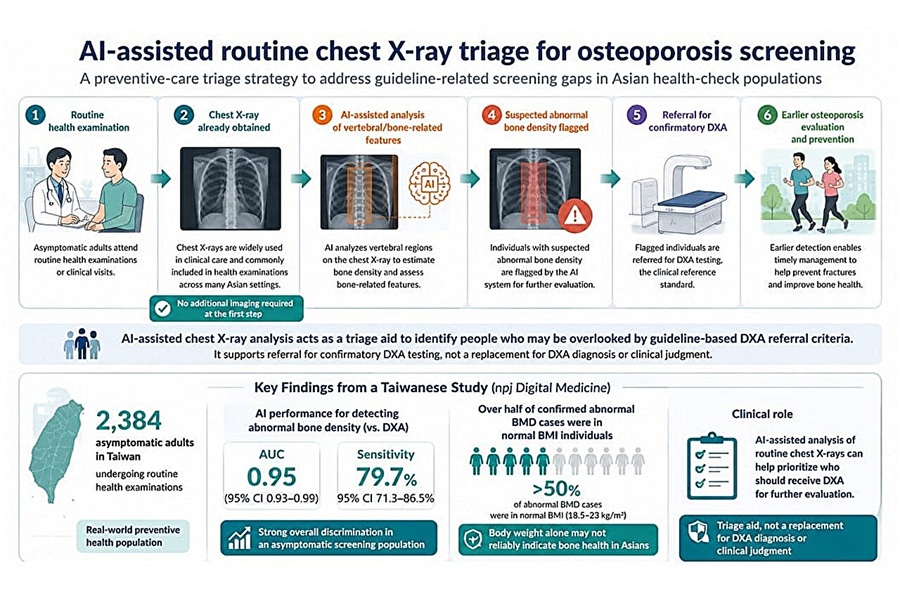
AI Tool Flags Osteoporosis Risk from Routine Chest X-Rays
Osteoporosis is a progressive loss of bone density that is often silent until a fracture occurs. Current screening frameworks concentrate on older women and select high-risk groups. Many men, younger adults,... Read more
MRI
view channel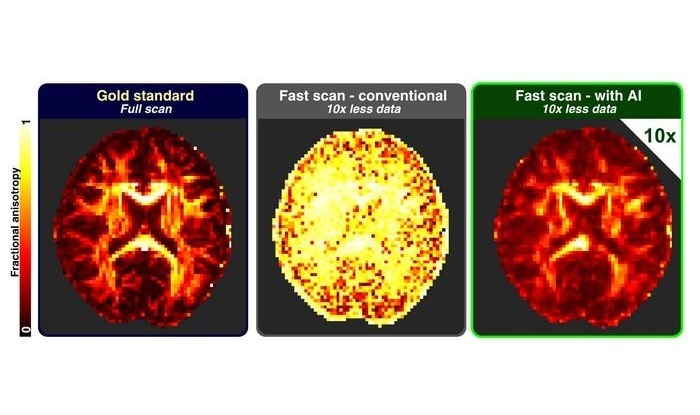
AI Approach Could Shorten Advanced Brain MRI Scans by Up to 90%
Long acquisition times for advanced brain magnetic resonance imaging (MRI) can limit access, extend waiting lists, and disrupt clinical workflows. Reducing data requirements without sacrificing image fidelity... Read more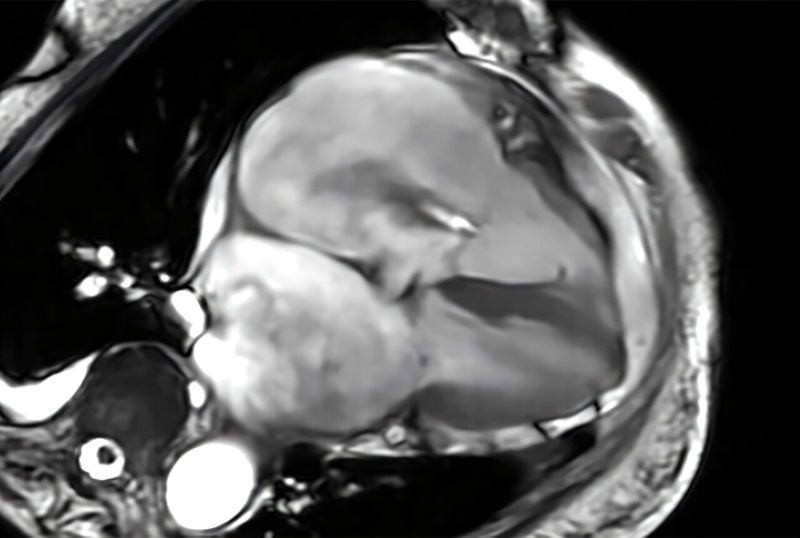
Cardiac MRI Measure Improves Risk Prediction in Tricuspid Regurgitation
Tricuspid regurgitation, in which blood flows back from the right ventricle into the right atrium, can lead to progressive right-sided heart failure. Clinicians need reliable ways to gauge severity and... Read more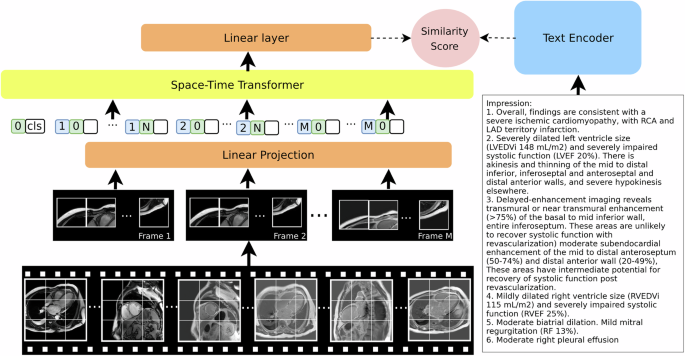

Ultrasound
view channel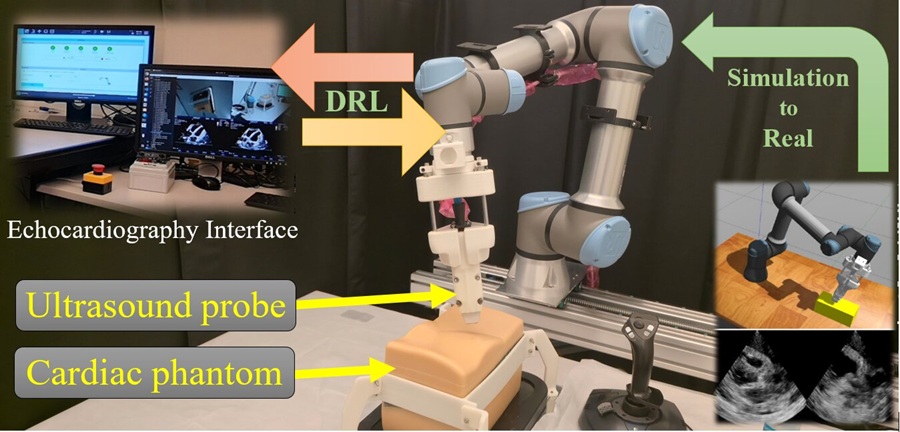
AI Robotic Ultrasound System Automates Echocardiography and Improves Consistency
Echocardiography, an ultrasound examination of the heart, is central to diagnosing and managing cardiovascular disease. Many services struggle with limited availability of skilled sonographers, variable... Read more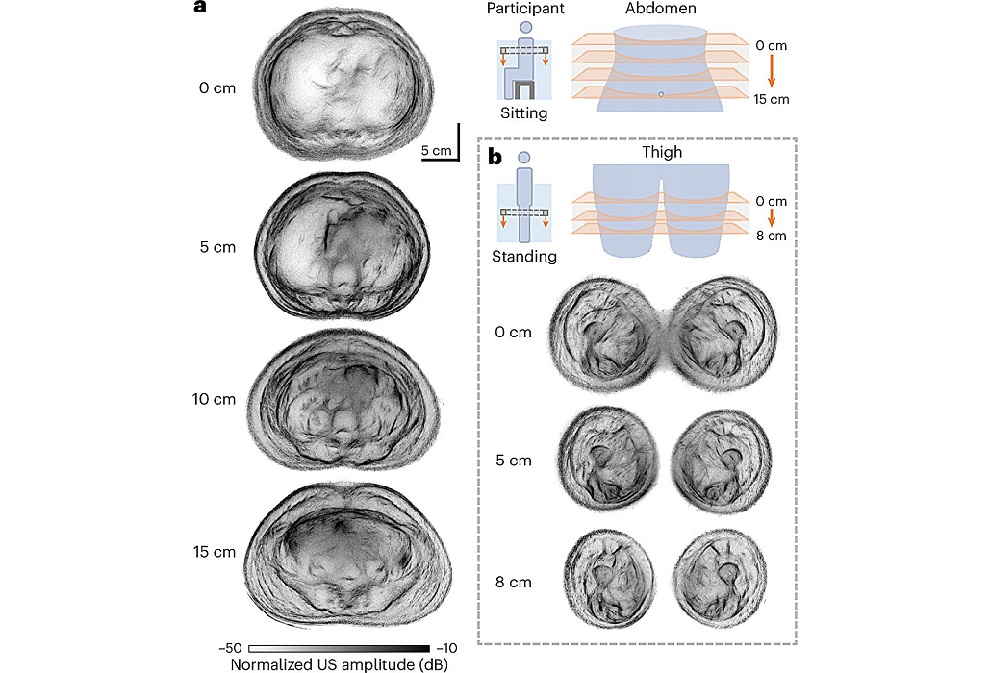
Whole Cross-Section Ultrasound System Enables Operator-Independent Imaging
Conventional ultrasound is central to bedside imaging but is limited by a narrow field of view and operator variability. Comprehensive cross-sectional assessment typically requires computed tomography... Read more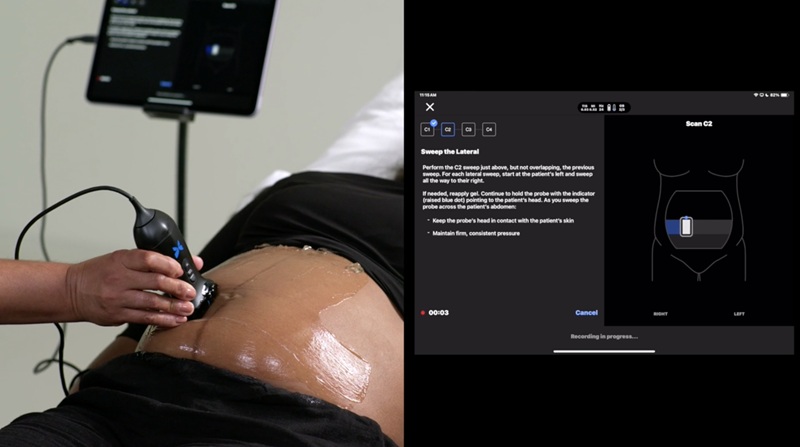
Nuclear Medicine
view channel![Image: (A-C) Representative whole-body maximum-intensity projection images and regional fused PET/CT images from three histologically confirmed osteosarcoma patients who underwent paired [68Ga]Ga-B7-H3-BCH PET/CT and 18F-FDGE PET/CT within 7 days. (D) Multimodal imaging evaluation of patient 3, including X-ray, MRI (T2-weighted imaging, T2WI), CT, and B7-H3 PET/CT. (Photo courtesy of SNMMI)](https://globetechcdn.com/mobile_medicalimaging/images/stories/articles/article_images/2026-06-07/294811110_image_1.jpg "Image: (A-C) Representative whole-body maximum-intensity projection images and regional fused PET/CT images from three histologically confirmed osteosarcoma patients who underwent paired [68Ga]Ga-B7-H3-BCH PET/CT and 18F-FDGE PET/CT within 7 days. (D) Multimodal imaging evaluation of patient 3, including X-ray, MRI (T2-weighted imaging, T2WI), CT, and B7-H3 PET/CT. (Photo courtesy of SNMMI)")
Targeted PET Platform Guides Osteosarcoma Resection and Margin Verification
Osteosarcoma, an aggressive primary bone cancer that mainly affects children and adolescents, demands wide excision to prevent local recurrence. Surgeons must achieve negative margins while preserving... Read more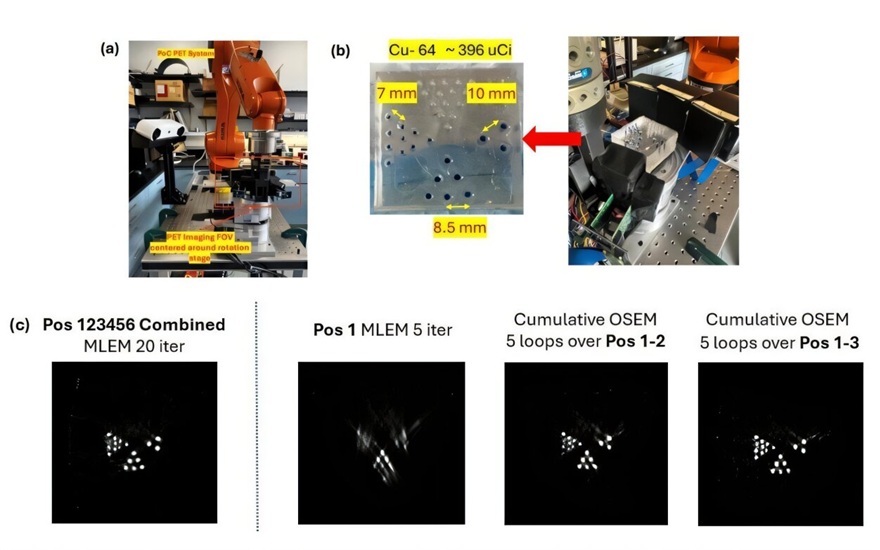
Portable PET System Enables Real-Time Bedside Guidance for Biopsies and Ablations
Interventional radiology procedures typically rely on ultrasound, X-ray fluoroscopy, or computed tomography for image guidance. These modalities visualize anatomy but offer limited molecular information,... Read more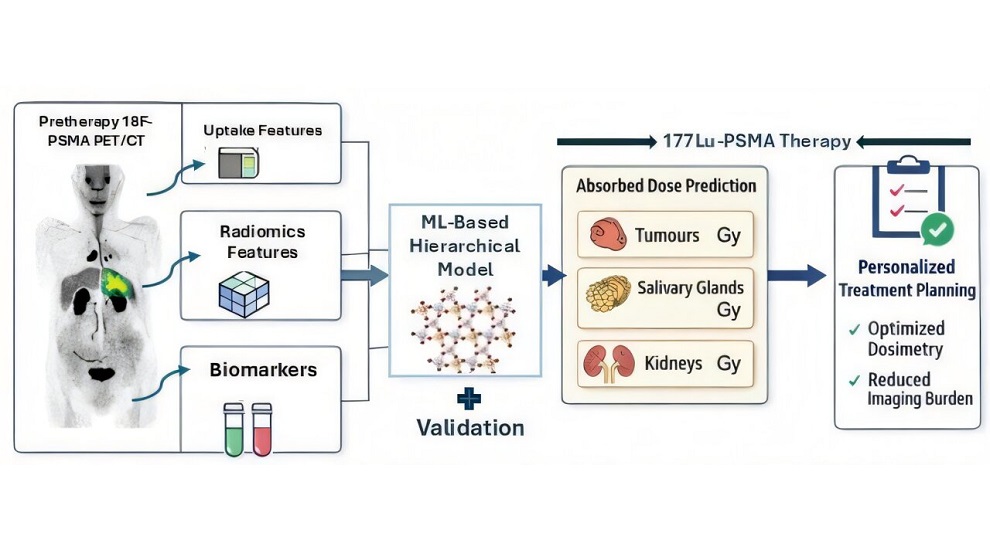

General/Advanced Imaging
view channel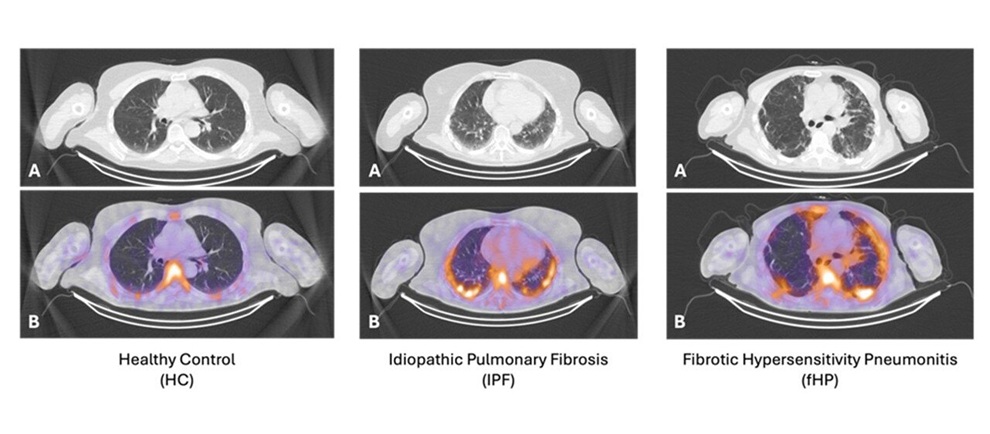
New SPECT/CT Method Differentiates Inflammation from Fibrosis in Interstitial Lung Disease
Interstitial lung disease (ILD) encompasses more than 200 disorders that inflame or scar the lung interstitium and can lead to progressive respiratory failure. Determining whether active inflammation is... Read more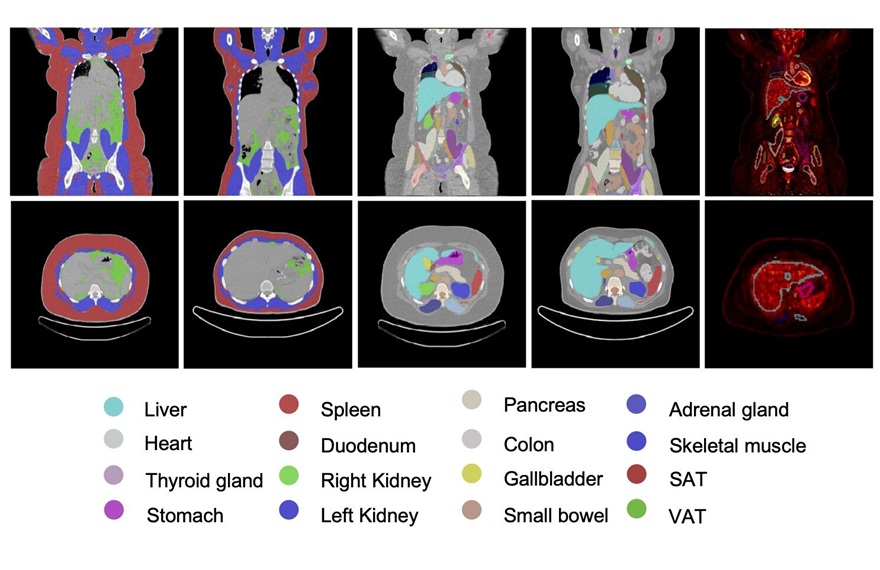
Whole-Body PET/CT Tracks Metabolic Changes After Bariatric Surgery
Obesity surgery improves weight and comorbidity profiles, yet clinicians lack tools to monitor organ-level metabolic recovery after the procedure. A clear view of systemic changes could refine follow-up... Read more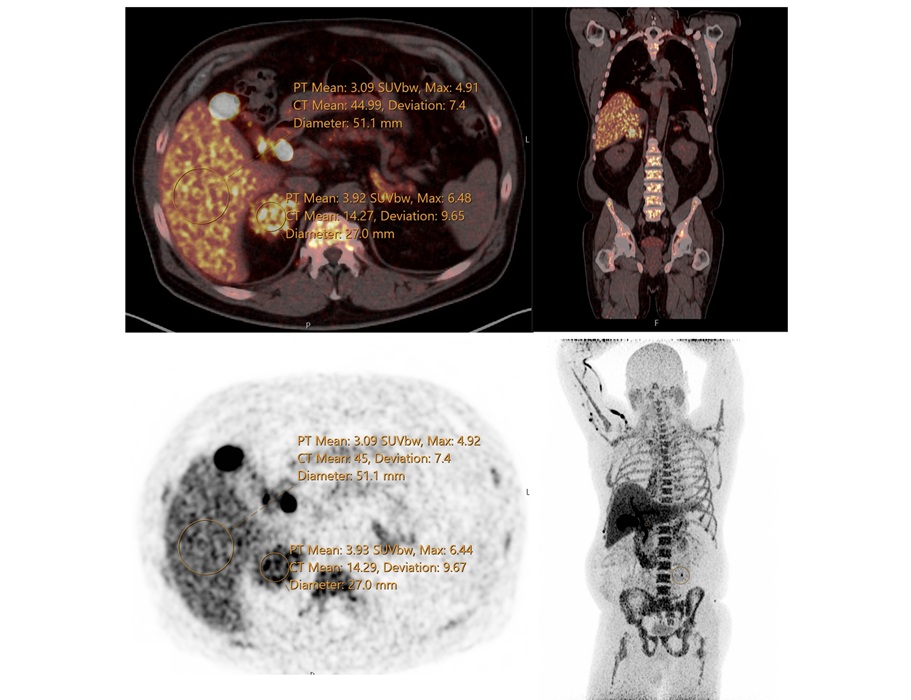
Imaging IT
view channel
Interactive AI Tool Supports Explainable Lung Nodule Assessment
Lung cancer is a leading cause of cancer mortality, and timely characterization of pulmonary nodules on chest computed tomography (CT) is essential for directing care. Interpreting nodule morphology demands... Read more
Breast Imaging Software Enhances Visualization and Tissue Characterization in Challenging Cases
Breast imaging can be particularly challenging in cases involving small breasts or implants, where image reconstruction and tissue characterization may be limited. Clinicians also need reproducible analysis... Read more
New Google Cloud Medical Imaging Suite Makes Imaging Healthcare Data More Accessible
Medical imaging is a critical tool used to diagnose patients, and there are billions of medical images scanned globally each year. Imaging data accounts for about 90% of all healthcare data1 and, until... Read more