


Carestream’s Lux 35 Detector Wins Frost & Sullivan New Product Innovation Award
|
By MedImaging International staff writers Posted on 28 Jul 2022 |


|

Carestream Health (Rochester, NY, USA) was the first to introduce to the market a wireless cassette-sized detector and continues to lead the way in technology innovation by designing products and solutions that help alleviate customer pain points and help make their radiology workflow easier. Now, the Carestream Lux 35 Detector has earned the 2022 Frost & Sullivan Global New Product Innovation Award in the digital radiography detector industry. Frost & Sullivan has noted that the Lux 35 Detector “encompasses all of the attractive features of different digital radiography (DR) detectors in a single solution, making it the industry’s best DR detector.”
Weighing just around five pounds - including the battery - the sleek 14” x 17” (35 cm x 43 cm) Lux 35 Detector with its glass-free sensor is Carestream’s lightest detector to date. The lightweight, glass-free wireless detector ergonomically designed with the comfort of patients and radiographers in mind, makes it easier for radiographers to transport while making rounds and performing bedside exams. Also, the Lux 35 Detector has additional ergonomic features that reduce stress and fatigue for radiographers, allow for easier positioning, and make the exam process more comfortable for patients.
The Lux 35 Detector supports a variety of image-processing options to assist radiologists, including Tube and Line Visualization, Pneumothorax Visualization, EVP Plus, Bone Suppression and many more. It uses Carestream’s ImageView Software powered by Eclipse for high image quality and also features the X-Factor, so the detector can be shared with other compatible DRX equipment. Additionally, the Lux 35 Detector battery is backwards compatible - it works with DRX Plus Detectors and uses the same battery charger.
“Frost & Sullivan applauds Carestream’s commitment to customer prioritization that has successfully culminated in efficient product delivery,” said Ojaswi Rana, Best Practices Research Analyst at Frost & Sullivan, which applies a rigorous analytical process to evaluate each nominee for its awards.
“The Frost & Sullivan Award is another validation of our research and development team’s continued success at developing solutions that incorporate cutting-edge technology to improve radiology workflow and enhance patient care,” said Dharmendu Damany, Chief Technology Officer at Carestream. “With our first cesium iodide, glass-free Lux 35 Detector for the medical space, we provide a solution that is lightweight and provides superb resolution and better detail, and a reduced exposure as compared with gadolinium detectors.”
Related Links:
Carestream Health







Latest Radiography News
- AI Tool Predicts Five-Year Breast Cancer Risk from Mammograms
- AI Mammography Tools Detect Early Breast Cancer Signs Years Before Diagnosis
- Rapid X-Ray Test Quantifies Pulmonary Regurgitation After Tetralogy of Fallot Repair
- AI Tool Flags Osteoporosis Risk from Routine Chest X-Rays
- Simple Chest X-Ray Measure Predicts Survival After Lung Cancer Surgery
- AI Detection Tool Improves Identification of Lobular Breast Cancer
- New Contrast Agent Enables Low-Dose X-Ray Joint Imaging
- AI Boosts Breast Cancer Detection and Cuts Screening Workload
- AI Tool Predicts Breast Cancer Risk Years Ahead Using Routine Mammograms
- Routine Mammograms Could Predict Future Cardiovascular Disease in Women
- AI Detects Early Signs of Aging from Chest X-Rays
- X-Ray Breakthrough Captures Three Image-Contrast Types in Single Shot
- AI Generates Future Knee X-Rays to Predict Osteoarthritis Progression Risk
- AI Algorithm Uses Mammograms to Accurately Predict Cardiovascular Risk in Women
- AI Hybrid Strategy Improves Mammogram Interpretation
- AI Technology Predicts Personalized Five-Year Risk of Developing Breast Cancer
Channels
MRI
view channel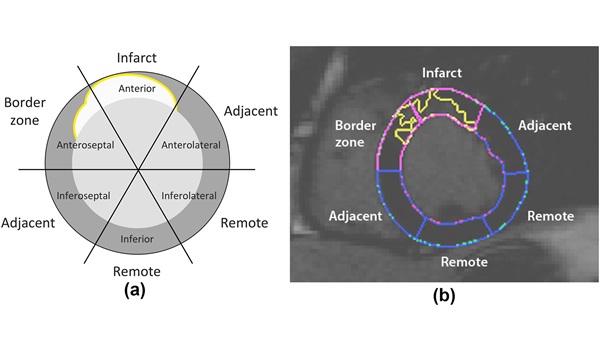
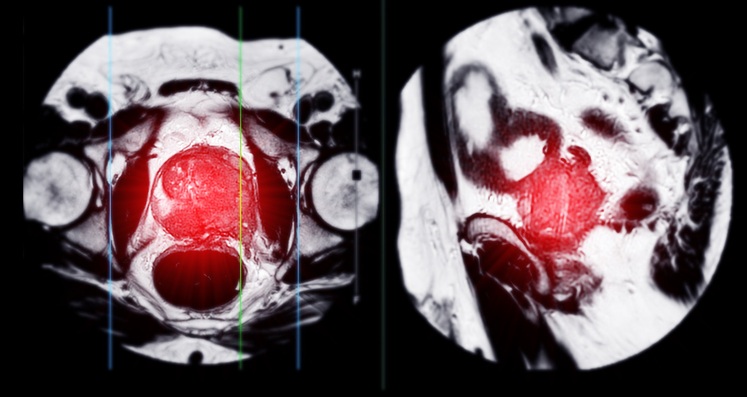
Cardiac MRI Detects Hidden Heart Dysfunction After Heart Attack
Myocardial infarction often leaves patients with persistent ventricular dysfunction that can progress without obvious signs. Detecting early decline remains difficult because standard measures may miss... Read more
AI Tool Reveals Cortical Lesions on Standard MRI in Multiple Sclerosis
Multiple sclerosis (MS) causes immune-mediated damage in the brain that leads to disability and cognitive decline. Clinicians have long recognized that lesions in the brain’s gray matter, or cortex, are... Read more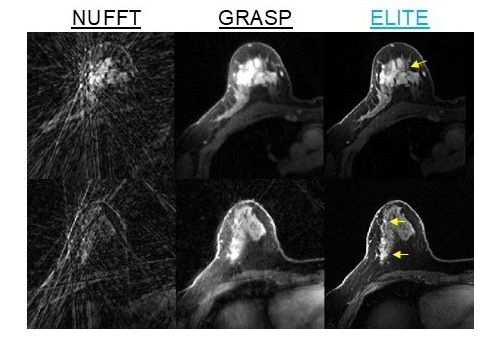
Ultrasound
view channel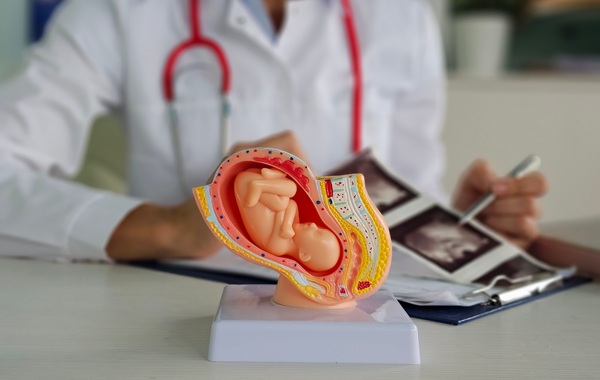
Simple 2D Ultrasound Tool Accurately Estimates Placental Volume
Stillbirth remains a major cause of perinatal loss, with about 21,000 cases annually in the United States. Although placental abnormalities are linked to adverse pregnancy outcomes, routine monitoring... Read more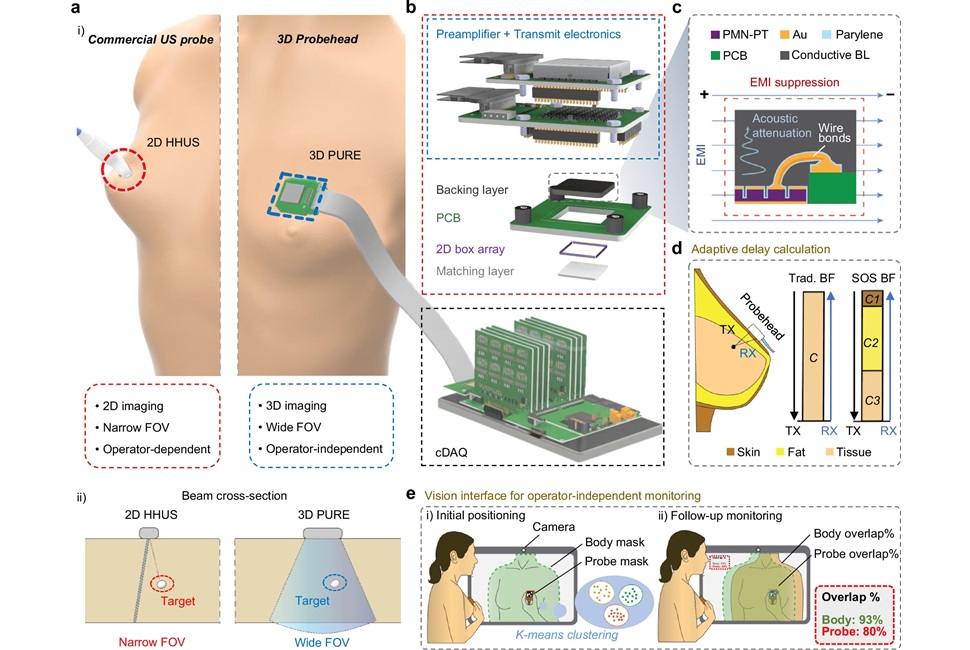
Portable 3D Ultrasound System Enables Reproducible Breast Cancer Monitoring
Breast cancer can develop between annual mammograms, and these interval cancers account for 20% to 30% of cases and tend to be more aggressive. The challenge is pronounced in people with dense breast tissue.... Read more
Nuclear Medicine
view channel
Radiotherapy Professionals Embrace AI as a Clinical Support Tool
Radiotherapy planning requires precise identification of organs at risk near a tumor, but manual contouring is repetitive and time-consuming, often delaying plan completion and straining specialist capacity.... Read more
Second PSMA PET Identifies Disease in More Than Half of Negative Cases
Biochemical recurrence of prostate cancer after prostatectomy or radiation can be difficult to localize when imaging is negative. Uncertain disease sites may delay salvage therapy and expose patients to... Read more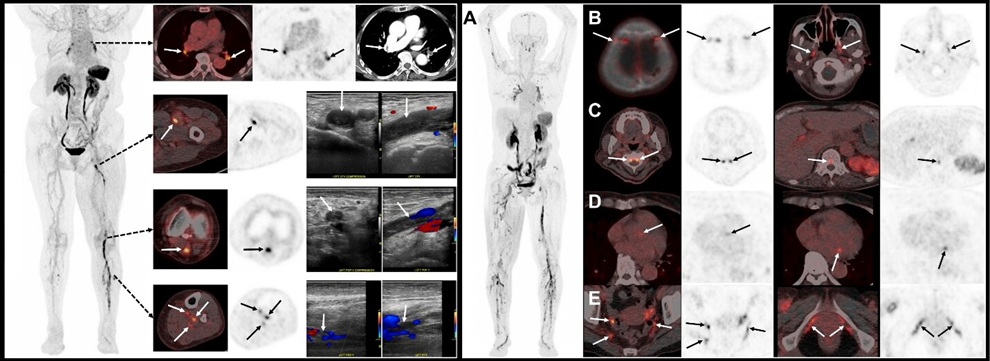
![Image: (A-C) Representative whole-body maximum-intensity projection images and regional fused PET/CT images from three histologically confirmed osteosarcoma patients who underwent paired [68Ga]Ga-B7-H3-BCH PET/CT and 18F-FDGE PET/CT within 7 days. (D) Multimodal imaging evaluation of patient 3, including X-ray, MRI (T2-weighted imaging, T2WI), CT, and B7-H3 PET/CT. (Photo courtesy of SNMMI)](https://globetechcdn.com/mobile_medicalimaging/images/stories/articles/article_images/2026-06-07/294811110_image_1.jpg "Image: (A-C) Representative whole-body maximum-intensity projection images and regional fused PET/CT images from three histologically confirmed osteosarcoma patients who underwent paired [68Ga]Ga-B7-H3-BCH PET/CT and 18F-FDGE PET/CT within 7 days. (D) Multimodal imaging evaluation of patient 3, including X-ray, MRI (T2-weighted imaging, T2WI), CT, and B7-H3 PET/CT. (Photo courtesy of SNMMI)")
General/Advanced Imaging
view channel
Virtual Staining Technique Creates Histology Images from CT Data
Pulmonary hypertension, a disorder marked by pathological remodeling of the pulmonary vessels, often requires detailed histologic assessment. Yet routine pathology remains anchored in labor‑intensive,... Read more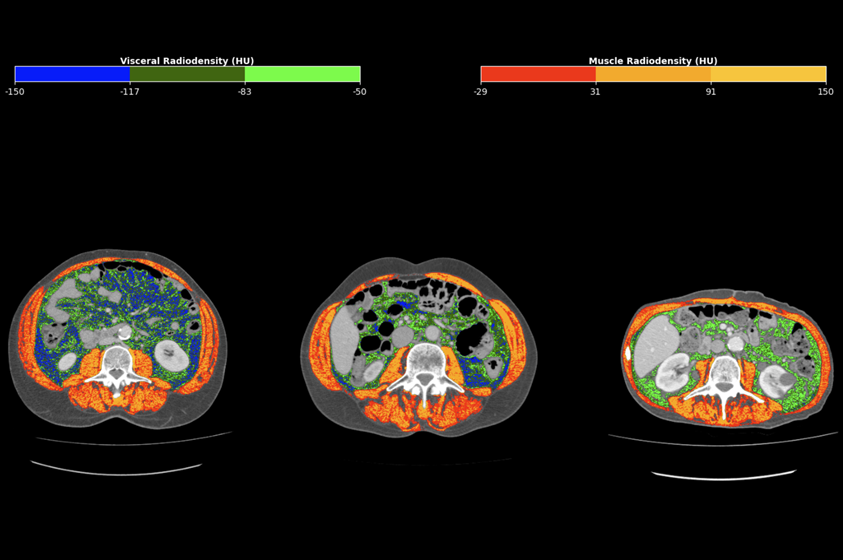
CT-Derived Biomarker Predicts Outcomes in Gastric Cancer
Gastric cancer, also known as stomach cancer, is the fifth most common malignancy worldwide and often shows heterogeneous outcomes even within the same stage. Prognostic estimates typically rely on tumor-centric... Read more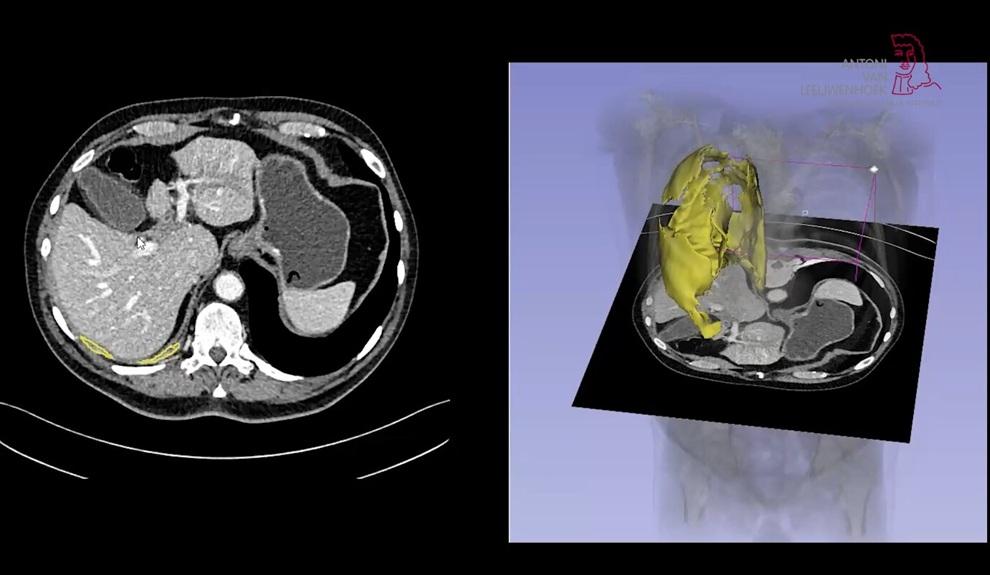
AI Tool Enhances Response Assessment and Survival Prediction in Pleural Mesothelioma
Pleural mesothelioma, a cancer that grows as a thin, irregular layer along the lung wall, is difficult to measure on imaging. Clinicians rely on diameter-based Response Evaluation Criteria in Solid Tumors... Read more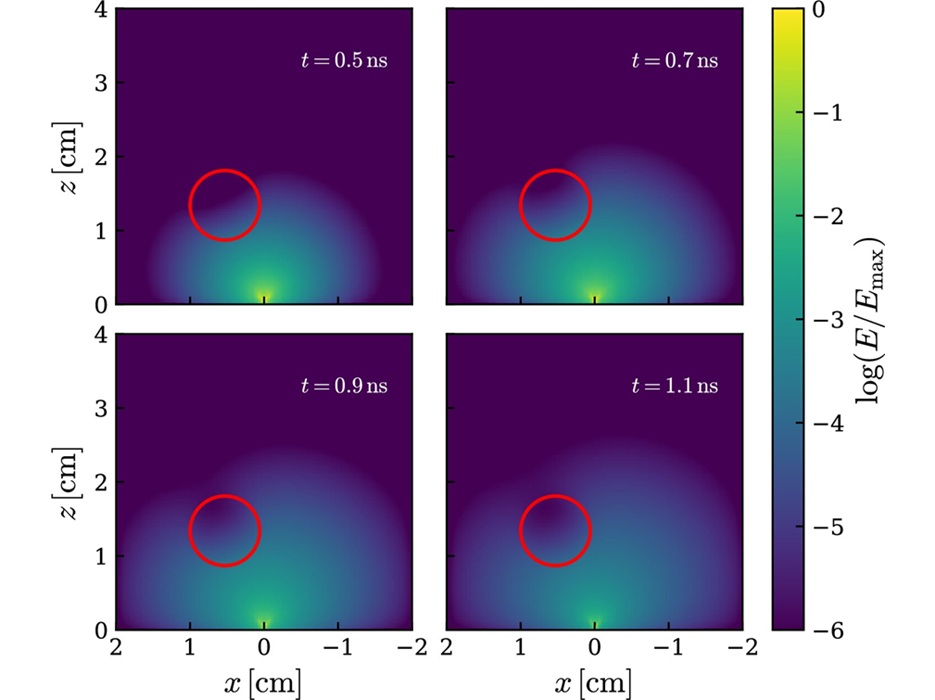
Imaging IT
view channel
Ambient AI Reporting Platform Streamlines Radiology Reporting
Radiology departments face growing imaging volumes and staffing shortages, creating reporting bottlenecks and pressure to maintain turnaround times. Conventional dictation tools document findings after... Read more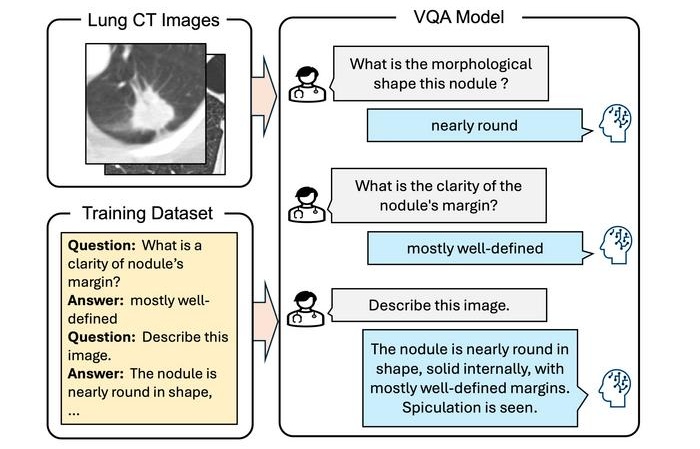
Interactive AI Tool Supports Explainable Lung Nodule Assessment
Lung cancer is a leading cause of cancer mortality, and timely characterization of pulmonary nodules on chest computed tomography (CT) is essential for directing care. Interpreting nodule morphology demands... Read more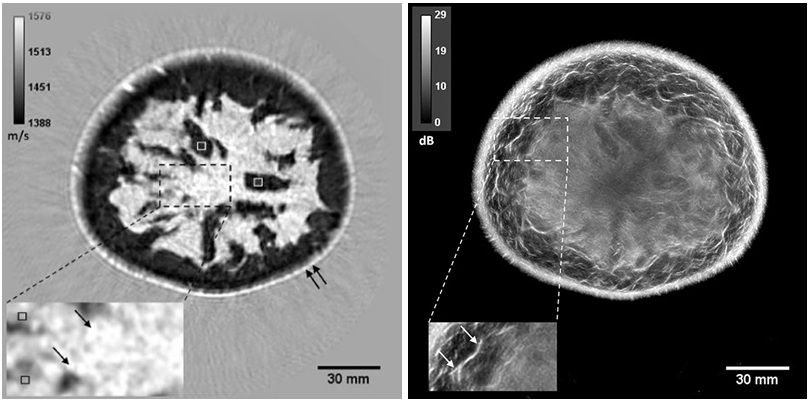
Breast Imaging Software Enhances Visualization and Tissue Characterization in Challenging Cases
Breast imaging can be particularly challenging in cases involving small breasts or implants, where image reconstruction and tissue characterization may be limited. Clinicians also need reproducible analysis... Read more
Industry News
view channel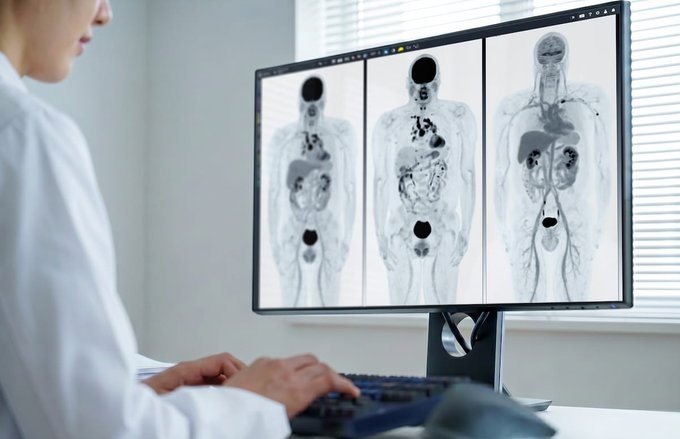
GE HealthCare Showcases AI-Enabled Nuclear Medicine Portfolio at SNMMI 2026
Nuclear medicine is expanding rapidly as health systems adopt theranostics and broaden access to radiopharmaceuticals, increasing demand for scalable operations and consistent diagnostic confidence.... Read more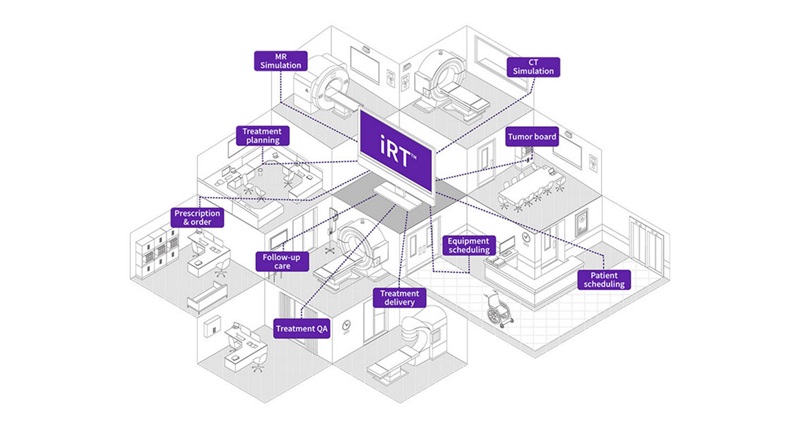
GE HealthCare Highlights AI-Supported Radiation Therapy Tools at ESTRO 2026
At the European Society for Radiotherapy and Oncology (ESTRO) 2026 Congress in Stockholm, GE HealthCare is highlighting Intelligent Radiation Therapy (iRT), MIM Software innovations, and BK Medical surgical... Read more