Medical Radiation Shielding Market to Surpass USD 1 Billion by 2022
|
By MedImaging International staff writers Posted on 16 Apr 2019 |


|
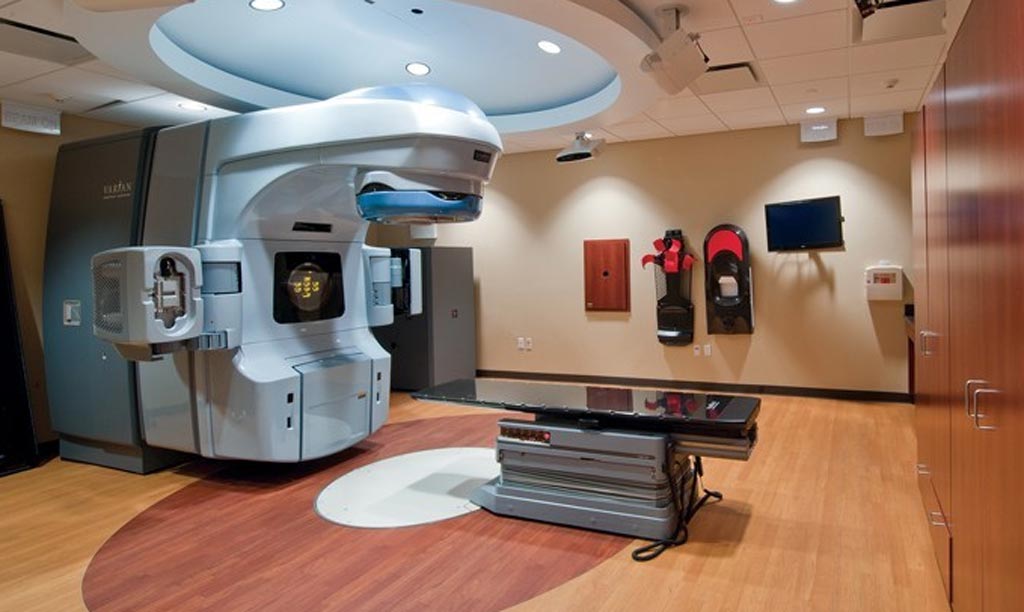
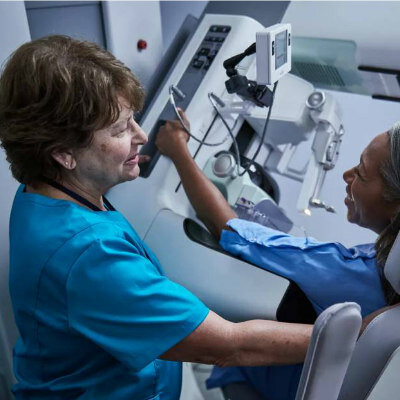
Image: The global medical radiation shielding market is projected to reach a value of USD 1 billion by the end of 2022 (Photo courtesy of TMR).
The global medical radiation shielding market is projected to register a CAGR of 4.8% over the forecast period from 2017 to 2022 to reach a value of USD 1 billion by 2022-end. The market growth is being driven mainly by growing awareness about the adverse effects of medical radiation on human health that is fueling the adoption of medical radiation shielding.
These are the latest findings of Transparency Market Research, (Albany, NY, USA), a global market intelligence company providing business information reports and services.
The growing usage of nuclear medicine and radiation therapy for the diagnosis and treatment of life-threatening diseases such as cancer is also contributing positively to the growth of the global medical radiation shielding market. Additionally, the increasing number of diagnostic imaging centers to curb the rising incidence of cancer globally is boosting the demand for radiology equipment and consequently, for medical radiation shielding. Further, the growing demand for radiation therapy is also boosting the growth of the medical radiation shielding market.
Also, increasing government support is further supporting the growth of the global medical radiation shielding market. In addition to this, rising awareness about the significant health hazards posed by medical radiation among patients is boosting the adoption of medical equipment, which protects them from radiation. However, the lack of professional and trained workers for handling these shielding and knowledge of doses of consuming the type of shielding poses a challenge to the market growth to some extent. Nevertheless, the growing importance of sufficient medical radiation shielding in imaging, particularly in diagnostic facilities, in order to protect the medical staff as well as patients is expected to offer lucrative opportunities for market growth over the forecast period.
Related Links:
Transparency Market Research



These are the latest findings of Transparency Market Research, (Albany, NY, USA), a global market intelligence company providing business information reports and services.
The growing usage of nuclear medicine and radiation therapy for the diagnosis and treatment of life-threatening diseases such as cancer is also contributing positively to the growth of the global medical radiation shielding market. Additionally, the increasing number of diagnostic imaging centers to curb the rising incidence of cancer globally is boosting the demand for radiology equipment and consequently, for medical radiation shielding. Further, the growing demand for radiation therapy is also boosting the growth of the medical radiation shielding market.
Also, increasing government support is further supporting the growth of the global medical radiation shielding market. In addition to this, rising awareness about the significant health hazards posed by medical radiation among patients is boosting the adoption of medical equipment, which protects them from radiation. However, the lack of professional and trained workers for handling these shielding and knowledge of doses of consuming the type of shielding poses a challenge to the market growth to some extent. Nevertheless, the growing importance of sufficient medical radiation shielding in imaging, particularly in diagnostic facilities, in order to protect the medical staff as well as patients is expected to offer lucrative opportunities for market growth over the forecast period.
Related Links:
Transparency Market Research

Mammo DR Retrofit Solution
DR Retrofit Mammography
Biopsy Software
Affirm® Contrast
X-Ray Generator
Advantage Plus Generators
Medical Radiographic X-Ray Machine
TR30N HF
Latest Industry News News
- GE HealthCare Showcases AI-Enabled Nuclear Medicine Portfolio at SNMMI 2026
- GE HealthCare Highlights AI-Supported Radiation Therapy Tools at ESTRO 2026
- Nuclear Medicine Set for Continued Growth Driven by Demand for Precision Diagnostics
- GE HealthCare and NVIDIA Collaboration to Reimagine Diagnostic Imaging
- Patient-Specific 3D-Printed Phantoms Transform CT Imaging
- Siemens and Sectra Collaborate on Enhancing Radiology Workflows
- Bracco Diagnostics and ColoWatch Partner to Expand Availability CRC Screening Tests Using Virtual Colonoscopy
- Mindray Partners with TeleRay to Streamline Ultrasound Delivery
- Philips and Medtronic Partner on Stroke Care
- Siemens and Medtronic Enter into Global Partnership for Advancing Spine Care Imaging Technologies
- RSNA 2024 Technical Exhibits to Showcase Latest Advances in Radiology
- Bracco Collaborates with Arrayus on Microbubble-Assisted Focused Ultrasound Therapy for Pancreatic Cancer
- Innovative Collaboration to Enhance Ischemic Stroke Detection and Elevate Standards in Diagnostic Imaging
- RSNA 2024 Registration Opens
- Microsoft collaborates with Leading Academic Medical Systems to Advance AI in Medical Imaging
- GE HealthCare Acquires Intelligent Ultrasound Group’s Clinical Artificial Intelligence Business
Channels
Radiography
view channel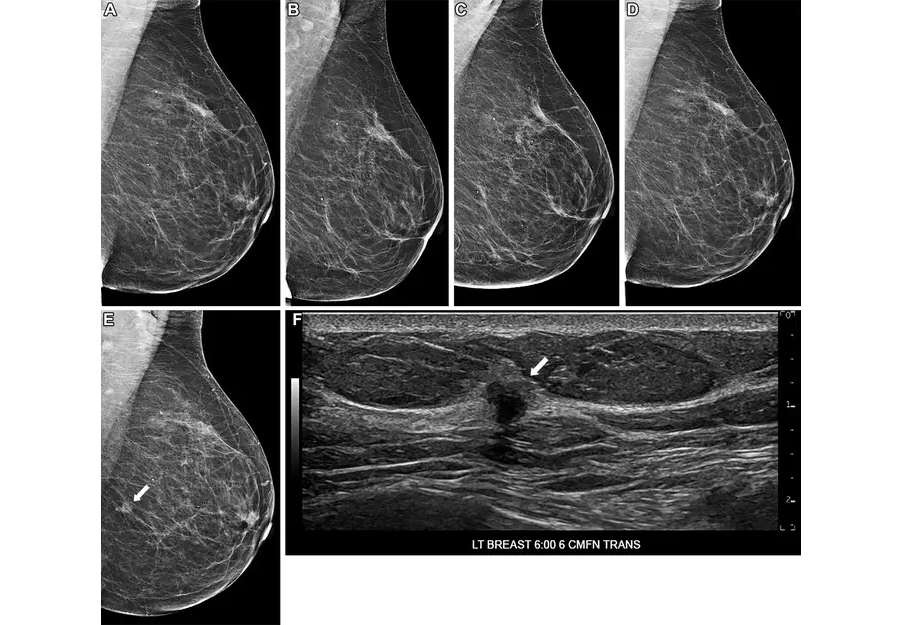
AI Tool Predicts Five-Year Breast Cancer Risk from Mammograms
Breast cancer risk assessment during routine screening is difficult because many women who develop the disease have no known genetic mutations or family history. Static risk tools provide limited discrimination... Read more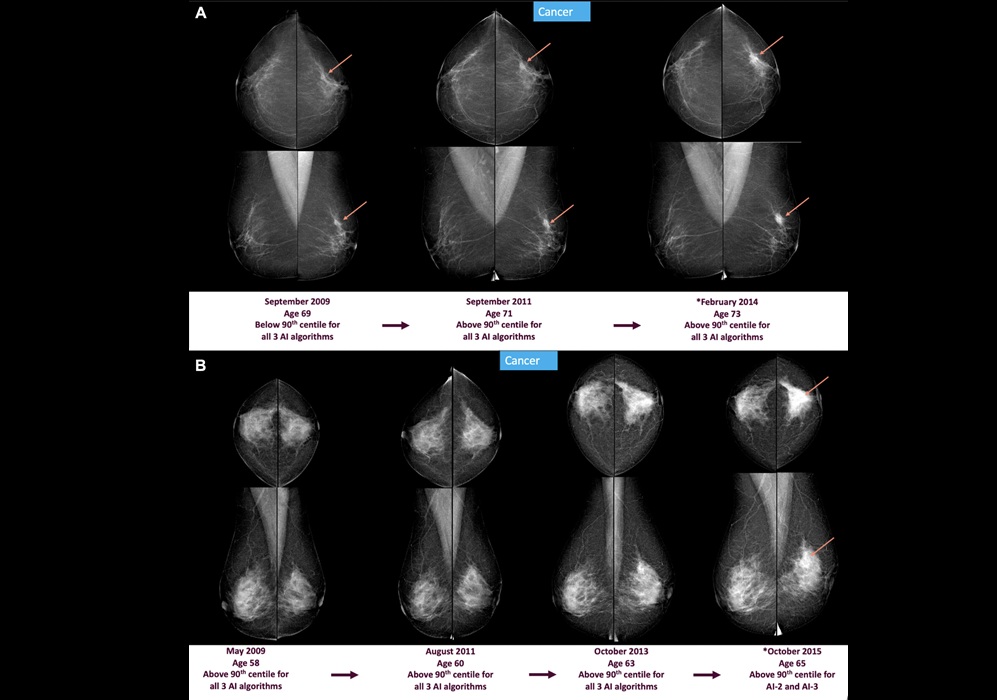
AI Mammography Tools Detect Early Breast Cancer Signs Years Before Diagnosis
Breast cancer screening aims to detect tumors before symptoms develop, but subtle mammographic changes can appear years before diagnosis and may be missed during routine reads. Delayed detection can lead... Read more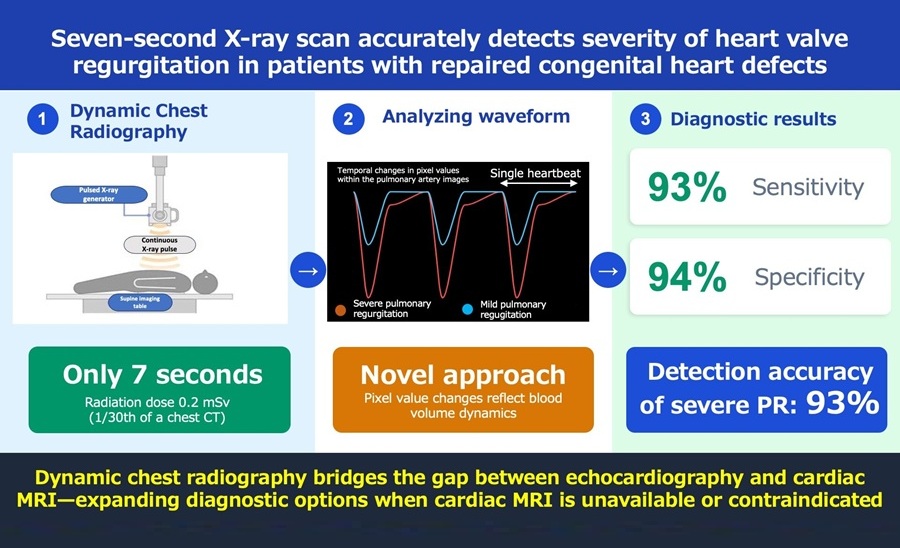
MRI
view channel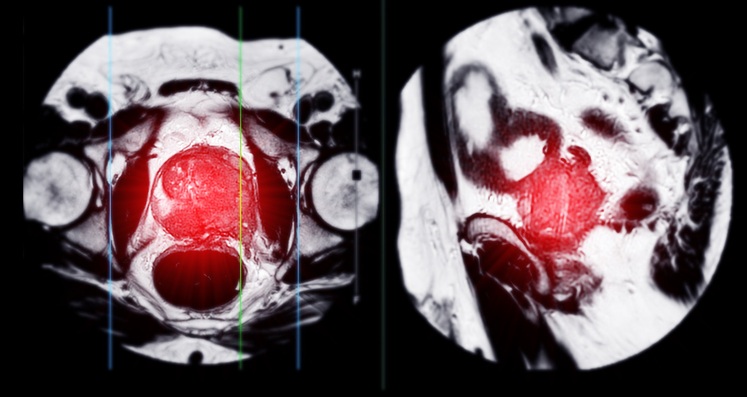
International Study Assesses AI for Prostate Cancer MRI Interpretation
Prostate cancer is a leading cause of cancer morbidity in men, and accurate early diagnosis hinges on expert interpretation of prostate magnetic resonance imaging (MRI). Rapid adoption of MRI-first pathways... Read more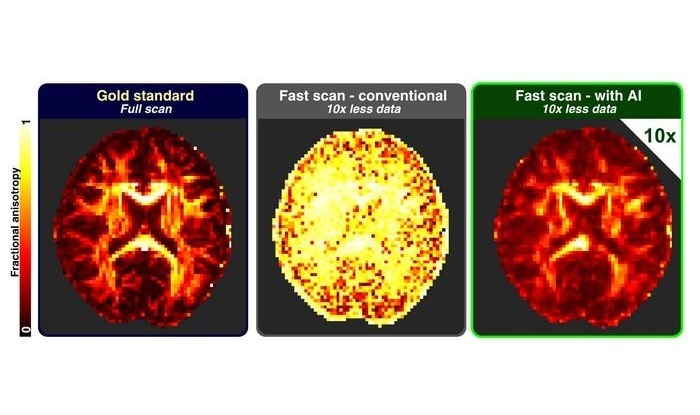
AI Approach Could Shorten Advanced Brain MRI Scans by Up to 90%
Long acquisition times for advanced brain magnetic resonance imaging (MRI) can limit access, extend waiting lists, and disrupt clinical workflows. Reducing data requirements without sacrificing image fidelity... Read more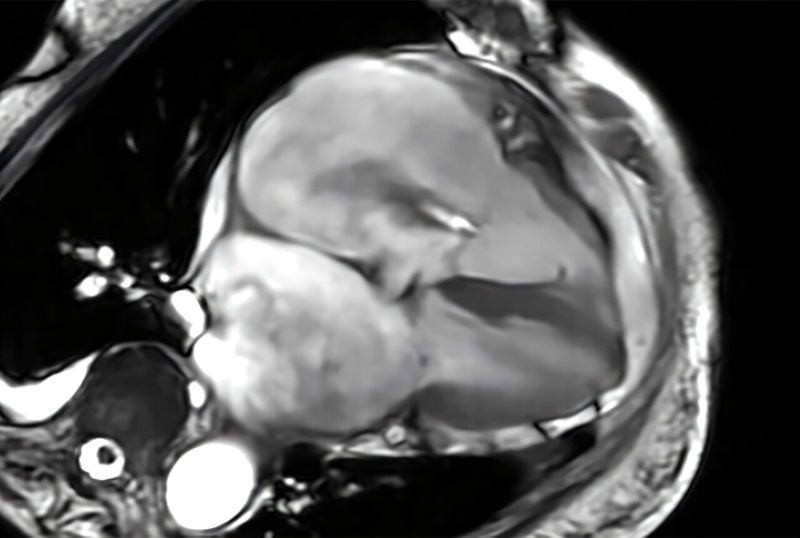
Ultrasound
view channel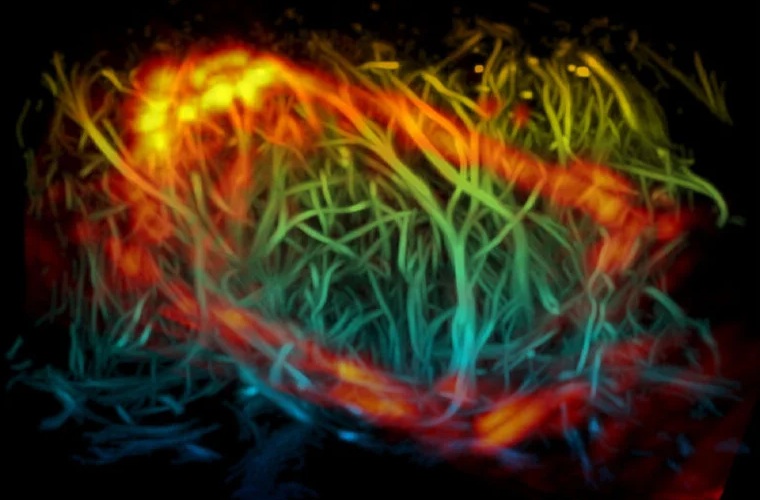
Hybrid Imaging Platform Reveals How Sleep Supports Brain Waste Removal
The brain’s glymphatic system clears metabolic waste via cerebrospinal fluid and is thought to support neural health during sleep. Yet clinicians and researchers have struggled to observe its whole‑brain... Read more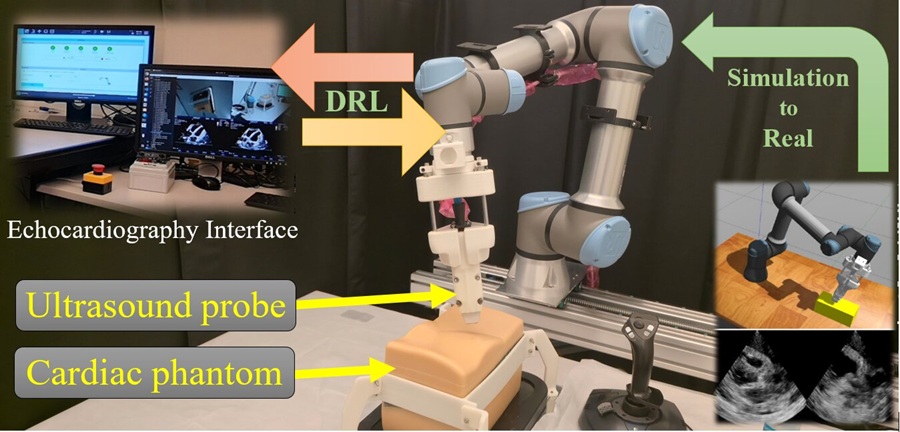
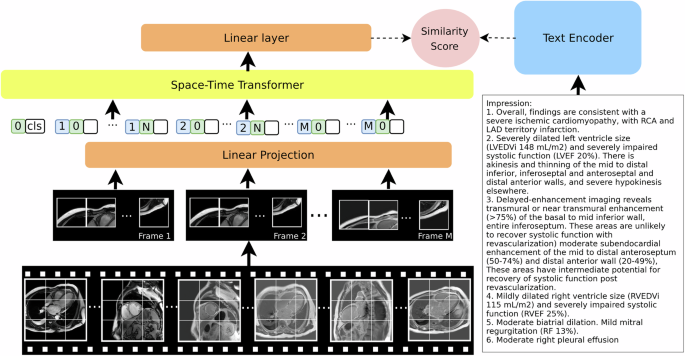
AI Robotic Ultrasound System Automates Echocardiography and Improves Consistency
Echocardiography, an ultrasound examination of the heart, is central to diagnosing and managing cardiovascular disease. Many services struggle with limited availability of skilled sonographers, variable... Read more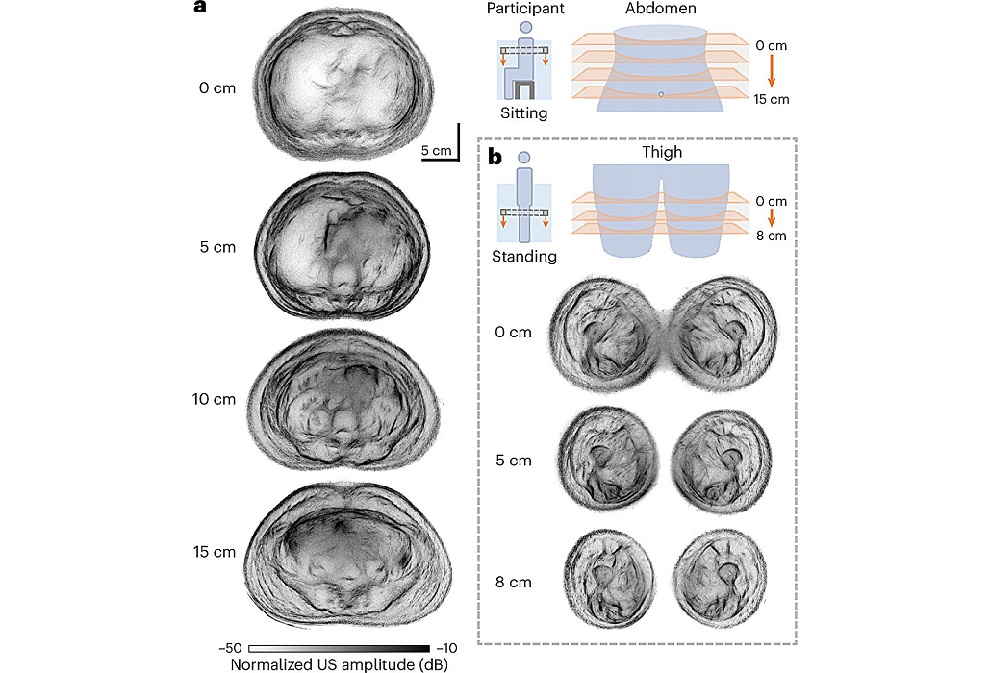
Nuclear Medicine
view channel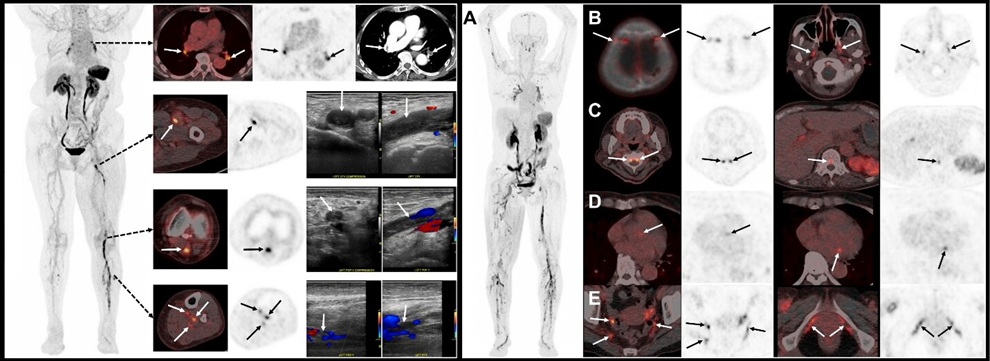
New PET Tracer Detects DVT and Pulmonary Embolism in One Scan
Deep vein thrombosis is the formation of clots in deep leg veins that can migrate to the lungs as pulmonary embolism. Rapid confirmation across both regions often requires multiple tests and can delay treatment.... Read more![Image: (A-C) Representative whole-body maximum-intensity projection images and regional fused PET/CT images from three histologically confirmed osteosarcoma patients who underwent paired [68Ga]Ga-B7-H3-BCH PET/CT and 18F-FDGE PET/CT within 7 days. (D) Multimodal imaging evaluation of patient 3, including X-ray, MRI (T2-weighted imaging, T2WI), CT, and B7-H3 PET/CT. (Photo courtesy of SNMMI)](https://globetechcdn.com/mobile_medicalimaging/images/stories/articles/article_images/2026-06-07/294811110_image_1.jpg "Image: (A-C) Representative whole-body maximum-intensity projection images and regional fused PET/CT images from three histologically confirmed osteosarcoma patients who underwent paired [68Ga]Ga-B7-H3-BCH PET/CT and 18F-FDGE PET/CT within 7 days. (D) Multimodal imaging evaluation of patient 3, including X-ray, MRI (T2-weighted imaging, T2WI), CT, and B7-H3 PET/CT. (Photo courtesy of SNMMI)")
Targeted PET Platform Guides Osteosarcoma Resection and Margin Verification
Osteosarcoma, an aggressive primary bone cancer that mainly affects children and adolescents, demands wide excision to prevent local recurrence. Surgeons must achieve negative margins while preserving... Read more
General/Advanced Imaging
view channel
Virtual Staining Technique Creates Histology Images from CT Data
Pulmonary hypertension, a disorder marked by pathological remodeling of the pulmonary vessels, often requires detailed histologic assessment. Yet routine pathology remains anchored in labor‑intensive,... Read more
CT-Derived Biomarker Predicts Outcomes in Gastric Cancer
Gastric cancer, also known as stomach cancer, is the fifth most common malignancy worldwide and often shows heterogeneous outcomes even within the same stage. Prognostic estimates typically rely on tumor-centric... Read more
AI Tool Enhances Response Assessment and Survival Prediction in Pleural Mesothelioma
Pleural mesothelioma, a cancer that grows as a thin, irregular layer along the lung wall, is difficult to measure on imaging. Clinicians rely on diameter-based Response Evaluation Criteria in Solid Tumors... Read more
Imaging IT
view channel
Ambient AI Reporting Platform Streamlines Radiology Reporting
Radiology departments face growing imaging volumes and staffing shortages, creating reporting bottlenecks and pressure to maintain turnaround times. Conventional dictation tools document findings after... Read more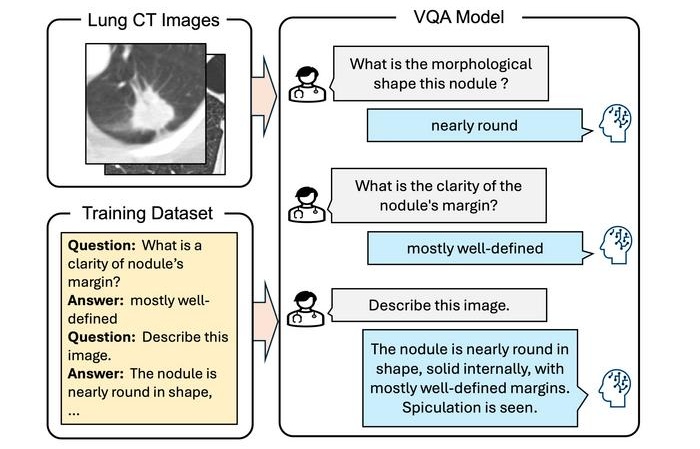
Interactive AI Tool Supports Explainable Lung Nodule Assessment
Lung cancer is a leading cause of cancer mortality, and timely characterization of pulmonary nodules on chest computed tomography (CT) is essential for directing care. Interpreting nodule morphology demands... Read more