Medical Image Viewing Platform to Integrate with Google Cloud
|
By MedImaging International staff writers Posted on 01 Jan 2019 |


|
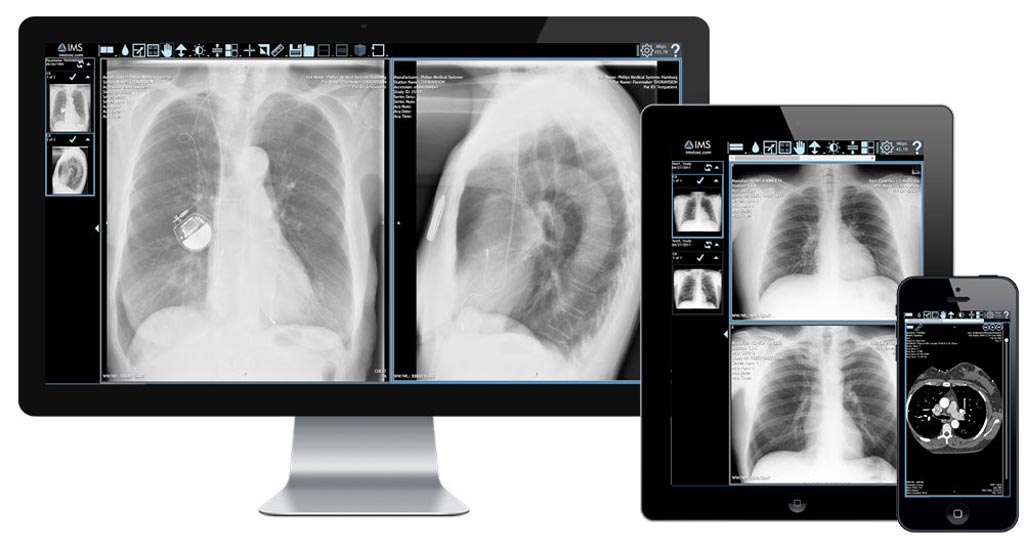
Image: A merged cloud platform allows rapid sharing of images (Photo courtesy of IMS).
International Medical Solutions (IMS; Mississauga, Canada) will provide Google Cloud account users with the ability to upload, manage, distribute, view, annotate, save, download and delete their medical images in a secure environment.
Similar to Google Drive, the IMS Cloud View will connect directly to any Google Cloud account and enable users to access full fidelity medical images, with no installation required. The underlying imaging technology allows medical professionals to engage in interactive, web-based reviews, on any device, using full fidelity digital imaging and communications in medicine (DICOM) images. IMS also plans to optimize the global reach of Google Cloud Platform and expand its current serverless viewing technology in parallel with its artificial intelligence (AI) and machine learning initiatives.
Features include intuitive imaging tools, hanging protocols, presets, and customized toolbars that facilitate image uploading, viewing, annotation, saving, and exporting. Uploaded studies of interest can be immediately downloaded for instant viewing, with all annotations and markups saved and displayed immediately, and can also be shared with colleagues with a quick email link. A full tool set enables quick content creation, including for educational purposes, such as quiz-style multiple choice, true/false, anatomical, or informative questions alongside full-resolution medical images.
“Clients tell us that they like IMS Cloud View because our technology is the missing piece that completes the viewer value chain. It is simple to use, reliable in all types of network conditions, and gives them the freedom and flexibility to read, assess, mark-up and save, import, share, and send secure links from any device, anytime, anywhere,” said Vittorio Accomazzi, CTO of IMS. “They maintain ownership of their data in Google Cloud and we store it in a DICOM compliant, non-proprietary way. We believe IMS Cloud View and Google Cloud Platform will revolutionize the medical imaging industry.”
Google Cloud Platform is a suite of cloud computing services that provides infrastructure as a service, platform as a service, and serverless computing environments. It runs on the same infrastructure that Google uses internally for its end-user products, such as Google Search and YouTube. Alongside a set of management tools, it provides a series of modular services including computing, data storage, data analytics, and machine learning.
Related Links:
International Medical Solutions






Similar to Google Drive, the IMS Cloud View will connect directly to any Google Cloud account and enable users to access full fidelity medical images, with no installation required. The underlying imaging technology allows medical professionals to engage in interactive, web-based reviews, on any device, using full fidelity digital imaging and communications in medicine (DICOM) images. IMS also plans to optimize the global reach of Google Cloud Platform and expand its current serverless viewing technology in parallel with its artificial intelligence (AI) and machine learning initiatives.
Features include intuitive imaging tools, hanging protocols, presets, and customized toolbars that facilitate image uploading, viewing, annotation, saving, and exporting. Uploaded studies of interest can be immediately downloaded for instant viewing, with all annotations and markups saved and displayed immediately, and can also be shared with colleagues with a quick email link. A full tool set enables quick content creation, including for educational purposes, such as quiz-style multiple choice, true/false, anatomical, or informative questions alongside full-resolution medical images.
“Clients tell us that they like IMS Cloud View because our technology is the missing piece that completes the viewer value chain. It is simple to use, reliable in all types of network conditions, and gives them the freedom and flexibility to read, assess, mark-up and save, import, share, and send secure links from any device, anytime, anywhere,” said Vittorio Accomazzi, CTO of IMS. “They maintain ownership of their data in Google Cloud and we store it in a DICOM compliant, non-proprietary way. We believe IMS Cloud View and Google Cloud Platform will revolutionize the medical imaging industry.”
Google Cloud Platform is a suite of cloud computing services that provides infrastructure as a service, platform as a service, and serverless computing environments. It runs on the same infrastructure that Google uses internally for its end-user products, such as Google Search and YouTube. Alongside a set of management tools, it provides a series of modular services including computing, data storage, data analytics, and machine learning.
Related Links:
International Medical Solutions

High-Precision QA Tool
DEXA Phantom
Portable X-ray Unit
AJEX140H
Digital Radiography System (Ceiling Free)
Digix CF Series
Ultrasonic Pocket Doppler
SD1
Latest Imaging IT News
- Ambient AI Reporting Platform Streamlines Radiology Reporting
- Interactive AI Tool Supports Explainable Lung Nodule Assessment
- Breast Imaging Software Enhances Visualization and Tissue Characterization in Challenging Cases
- New Google Cloud Medical Imaging Suite Makes Imaging Healthcare Data More Accessible
- Global AI in Medical Diagnostics Market to Be Driven by Demand for Image Recognition in Radiology
- AI-Based Mammography Triage Software Helps Dramatically Improve Interpretation Process
- Artificial Intelligence (AI) Program Accurately Predicts Lung Cancer Risk from CT Images
- Image Management Platform Streamlines Treatment Plans
- AI-Based Technology for Ultrasound Image Analysis Receives FDA Approval
- AI Technology for Detecting Breast Cancer Receives CE Mark Approval
Channels
Radiography
view channel
Computational X-Ray Technique Enables High-Resolution, Low-Dose Radiography
Reducing radiation in medical X-ray imaging remains a persistent challenge because dose reductions often degrade spatial resolution and diagnostic confidence. This is especially critical in pediatrics,... Read more
AI Tool Predicts Five-Year Breast Cancer Risk from Mammograms
Breast cancer risk assessment during routine screening is difficult because many women who develop the disease have no known genetic mutations or family history. Static risk tools provide limited discrimination... Read more

MRI
view channel
Advanced MRI Reveals Structural Brain Changes Linked to Better Cognitive Health
Objective, noninvasive measures that capture subtle, training-related changes in adult brain structure remain limited in routine clinical practice. Quantifying neuroplasticity with precision is especially... Read more
Cardiac MRI Detects Hidden Heart Dysfunction After Heart Attack
Myocardial infarction often leaves patients with persistent ventricular dysfunction that can progress without obvious signs. Detecting early decline remains difficult because standard measures may miss... Read more
Ultrasound
view channel
Simple 2D Ultrasound Tool Accurately Estimates Placental Volume
Stillbirth remains a major cause of perinatal loss, with about 21,000 cases annually in the United States. Although placental abnormalities are linked to adverse pregnancy outcomes, routine monitoring... Read more
Portable 3D Ultrasound System Enables Reproducible Breast Cancer Monitoring
Breast cancer can develop between annual mammograms, and these interval cancers account for 20% to 30% of cases and tend to be more aggressive. The challenge is pronounced in people with dense breast tissue.... Read more

Nuclear Medicine
view channel
Radiotherapy Professionals Embrace AI as a Clinical Support Tool
Radiotherapy planning requires precise identification of organs at risk near a tumor, but manual contouring is repetitive and time-consuming, often delaying plan completion and straining specialist capacity.... Read more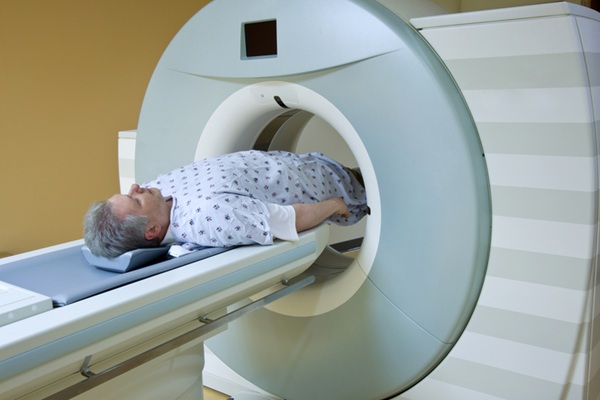
Second PSMA PET Identifies Disease in More Than Half of Negative Cases
Biochemical recurrence of prostate cancer after prostatectomy or radiation can be difficult to localize when imaging is negative. Uncertain disease sites may delay salvage therapy and expose patients to... Read more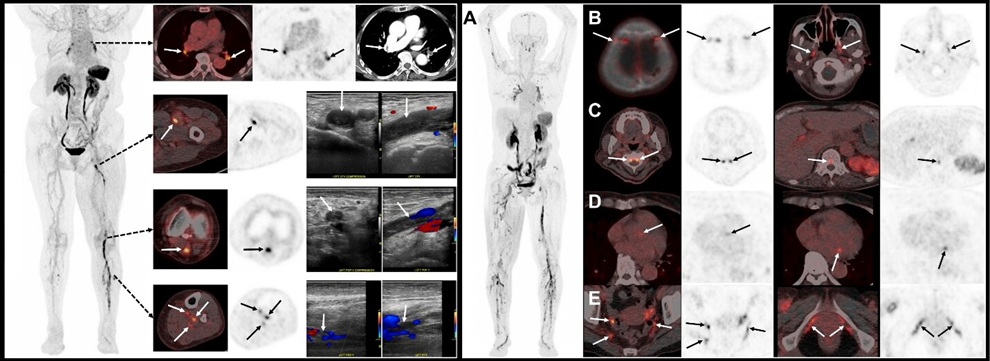
![Image: (A-C) Representative whole-body maximum-intensity projection images and regional fused PET/CT images from three histologically confirmed osteosarcoma patients who underwent paired [68Ga]Ga-B7-H3-BCH PET/CT and 18F-FDGE PET/CT within 7 days. (D) Multimodal imaging evaluation of patient 3, including X-ray, MRI (T2-weighted imaging, T2WI), CT, and B7-H3 PET/CT. (Photo courtesy of SNMMI)](https://globetechcdn.com/mobile_medicalimaging/images/stories/articles/article_images/2026-06-07/294811110_image_1.jpg "Image: (A-C) Representative whole-body maximum-intensity projection images and regional fused PET/CT images from three histologically confirmed osteosarcoma patients who underwent paired [68Ga]Ga-B7-H3-BCH PET/CT and 18F-FDGE PET/CT within 7 days. (D) Multimodal imaging evaluation of patient 3, including X-ray, MRI (T2-weighted imaging, T2WI), CT, and B7-H3 PET/CT. (Photo courtesy of SNMMI)")
Imaging IT
view channel
Ambient AI Reporting Platform Streamlines Radiology Reporting
Radiology departments face growing imaging volumes and staffing shortages, creating reporting bottlenecks and pressure to maintain turnaround times. Conventional dictation tools document findings after... Read more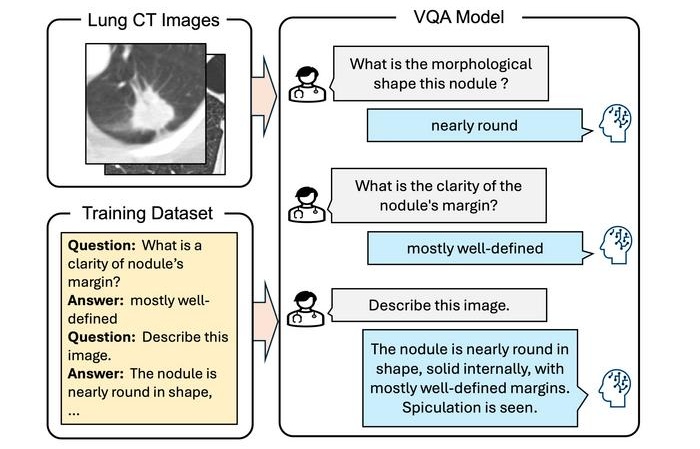
Interactive AI Tool Supports Explainable Lung Nodule Assessment
Lung cancer is a leading cause of cancer mortality, and timely characterization of pulmonary nodules on chest computed tomography (CT) is essential for directing care. Interpreting nodule morphology demands... Read more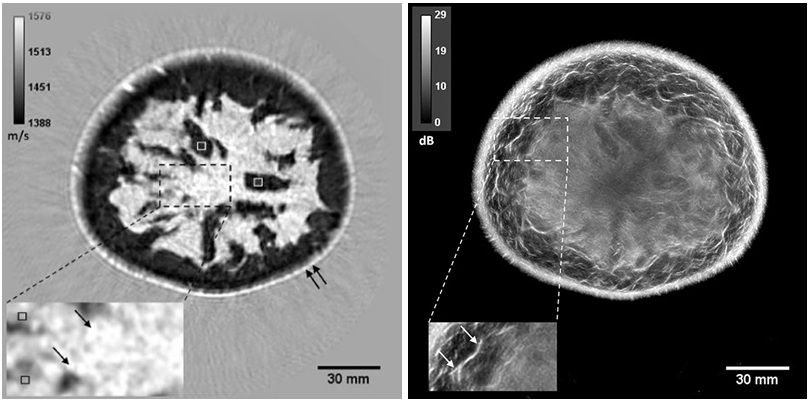
Breast Imaging Software Enhances Visualization and Tissue Characterization in Challenging Cases
Breast imaging can be particularly challenging in cases involving small breasts or implants, where image reconstruction and tissue characterization may be limited. Clinicians also need reproducible analysis... Read more
Industry News
view channel
GE HealthCare Showcases AI-Enabled Nuclear Medicine Portfolio at SNMMI 2026
Nuclear medicine is expanding rapidly as health systems adopt theranostics and broaden access to radiopharmaceuticals, increasing demand for scalable operations and consistent diagnostic confidence.... Read more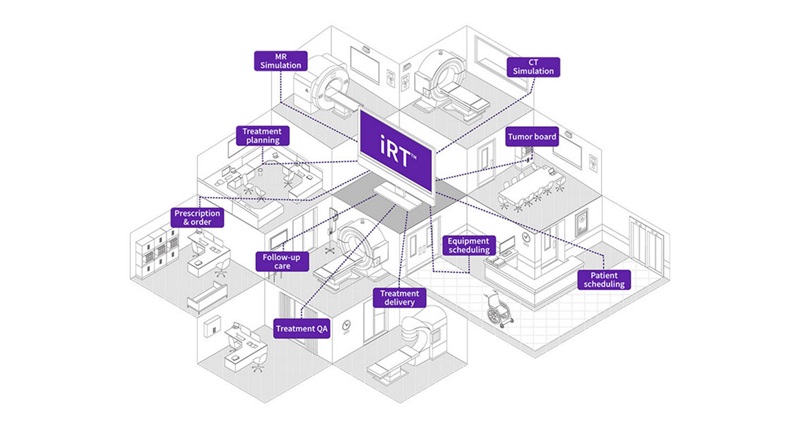
GE HealthCare Highlights AI-Supported Radiation Therapy Tools at ESTRO 2026
At the European Society for Radiotherapy and Oncology (ESTRO) 2026 Congress in Stockholm, GE HealthCare is highlighting Intelligent Radiation Therapy (iRT), MIM Software innovations, and BK Medical surgical... Read more