Fujifilm and IU School of Medicine to Study AI in Diagnostic Imaging
|
By MedImaging International staff writers Posted on 12 Sep 2018 |


|

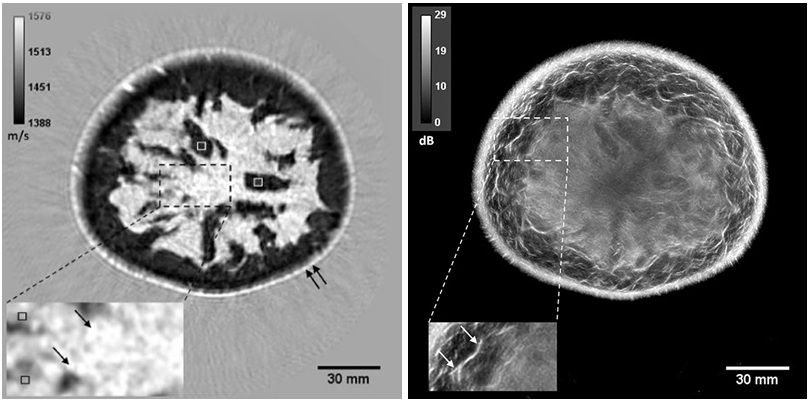
Image: Researchers are working to develop the application of AI in medical imaging diagnostics (Photo courtesy of Digital Health).
Fujifilm Corporation (Tokyo, Japan) has entered into a joint research agreement with Indiana University School of Medicine (Indianapolis, IN, USA) to develop the application of artificial intelligence (AI) in medical imaging diagnostic support systems.
Going forward, as clinical information is increasingly viewed in the context of big data, AI technology will be applied to develop products that meet the different and challenging needs of the healthcare industry. For instance, recent technological advancements in diagnostic imaging system capabilities, such as multi-slice CT, have created the need for an efficient solution to read and interpret the increased number of images being generated. The application of AI technology to support physicians by detecting suspicious lesions in images, comparing results with prior studies and the implementation of semi-automated reporting is expected to significantly increase the efficiency of diagnostic medical imaging in patient care.
Fujifilm is using AI technology to develop image diagnosis support systems, which will support the overall diagnostic workflow of physicians. In addition to undertaking various in-house development projects, Fujifilm is also entering into a partnership with leading AI technology vendors to expand the disease coverage of its systems. The Indiana University School of Medicine is affiliated with Indiana University Health (IU Health), a medical healthcare system with 17 hospitals and about 33,000 employees in the US.
The collaboration aims to combine Fujifilm’s image processing and AI technology with the Indiana University School of Medicine’s rich diagnostic and clinical expertise to develop medical AI technology, while searching for a system optimized to support diagnosis workflow. The research will initially utilize Fujifilm’s AI technology to segment and quantify muscle atrophy (sarcopenia) in body images, as well as detect and quantify brain lesions in neuroradiology imaging exams.





Going forward, as clinical information is increasingly viewed in the context of big data, AI technology will be applied to develop products that meet the different and challenging needs of the healthcare industry. For instance, recent technological advancements in diagnostic imaging system capabilities, such as multi-slice CT, have created the need for an efficient solution to read and interpret the increased number of images being generated. The application of AI technology to support physicians by detecting suspicious lesions in images, comparing results with prior studies and the implementation of semi-automated reporting is expected to significantly increase the efficiency of diagnostic medical imaging in patient care.
Fujifilm is using AI technology to develop image diagnosis support systems, which will support the overall diagnostic workflow of physicians. In addition to undertaking various in-house development projects, Fujifilm is also entering into a partnership with leading AI technology vendors to expand the disease coverage of its systems. The Indiana University School of Medicine is affiliated with Indiana University Health (IU Health), a medical healthcare system with 17 hospitals and about 33,000 employees in the US.
The collaboration aims to combine Fujifilm’s image processing and AI technology with the Indiana University School of Medicine’s rich diagnostic and clinical expertise to develop medical AI technology, while searching for a system optimized to support diagnosis workflow. The research will initially utilize Fujifilm’s AI technology to segment and quantify muscle atrophy (sarcopenia) in body images, as well as detect and quantify brain lesions in neuroradiology imaging exams.

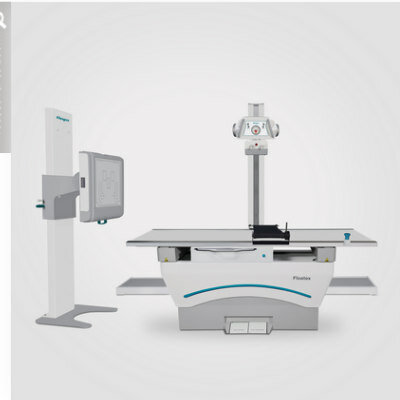
Computed Tomography System
Aquilion ONE / INSIGHT Edition
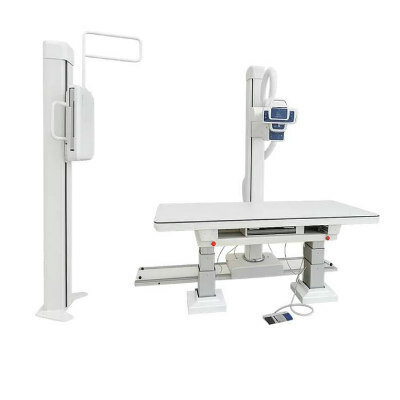
Digital Radiography System (Ceiling Free)
Digix CF Series
Floor‑Mounted Digital X‑Ray System
MasteRad MX30+
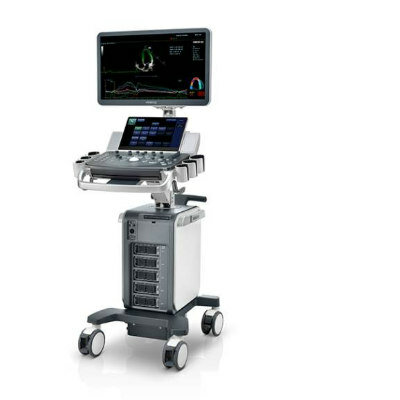
Diagnostic Ultrasound System
DC-80A
Latest Industry News News
- GE HealthCare Showcases AI-Enabled Nuclear Medicine Portfolio at SNMMI 2026
- GE HealthCare Highlights AI-Supported Radiation Therapy Tools at ESTRO 2026
- Nuclear Medicine Set for Continued Growth Driven by Demand for Precision Diagnostics
- GE HealthCare and NVIDIA Collaboration to Reimagine Diagnostic Imaging
- Patient-Specific 3D-Printed Phantoms Transform CT Imaging
- Siemens and Sectra Collaborate on Enhancing Radiology Workflows
- Bracco Diagnostics and ColoWatch Partner to Expand Availability CRC Screening Tests Using Virtual Colonoscopy
- Mindray Partners with TeleRay to Streamline Ultrasound Delivery
- Philips and Medtronic Partner on Stroke Care
- Siemens and Medtronic Enter into Global Partnership for Advancing Spine Care Imaging Technologies
- RSNA 2024 Technical Exhibits to Showcase Latest Advances in Radiology
- Bracco Collaborates with Arrayus on Microbubble-Assisted Focused Ultrasound Therapy for Pancreatic Cancer
- Innovative Collaboration to Enhance Ischemic Stroke Detection and Elevate Standards in Diagnostic Imaging
- RSNA 2024 Registration Opens
- Microsoft collaborates with Leading Academic Medical Systems to Advance AI in Medical Imaging
- GE HealthCare Acquires Intelligent Ultrasound Group’s Clinical Artificial Intelligence Business
Channels
Radiography
view channel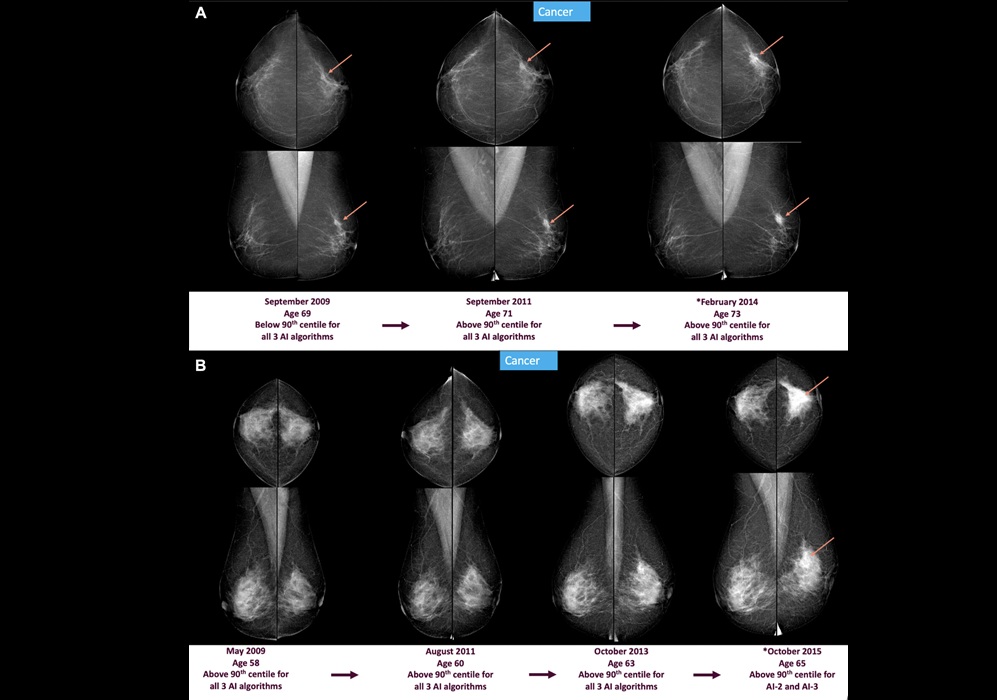
AI Mammography Tools Detect Early Breast Cancer Signs Years Before Diagnosis
Breast cancer screening aims to detect tumors before symptoms develop, but subtle mammographic changes can appear years before diagnosis and may be missed during routine reads. Delayed detection can lead... Read more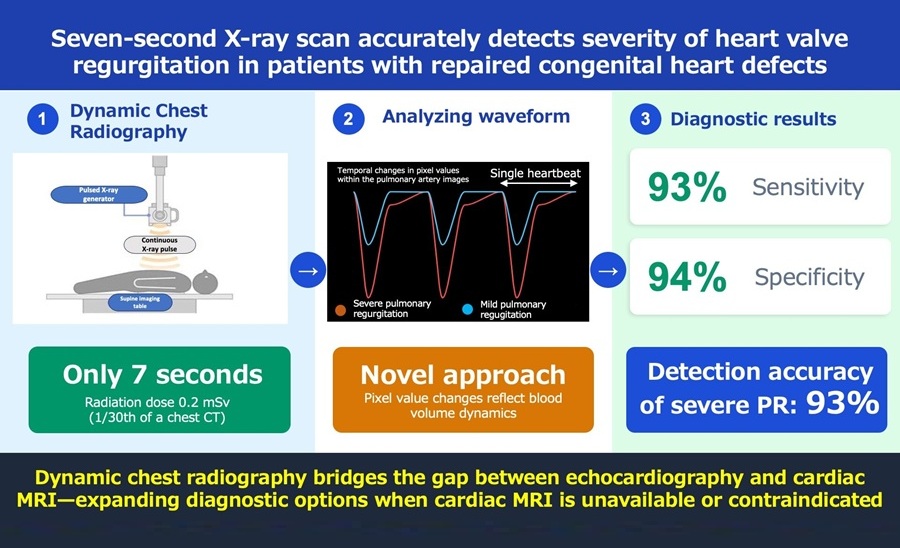
Rapid X-Ray Test Quantifies Pulmonary Regurgitation After Tetralogy of Fallot Repair
Tetralogy of Fallot is the most common cyanotic congenital heart defect and can leave patients with pulmonary valve regurgitation, a backward flow of blood into the right ventricle after repair.... Read more
MRI
view channel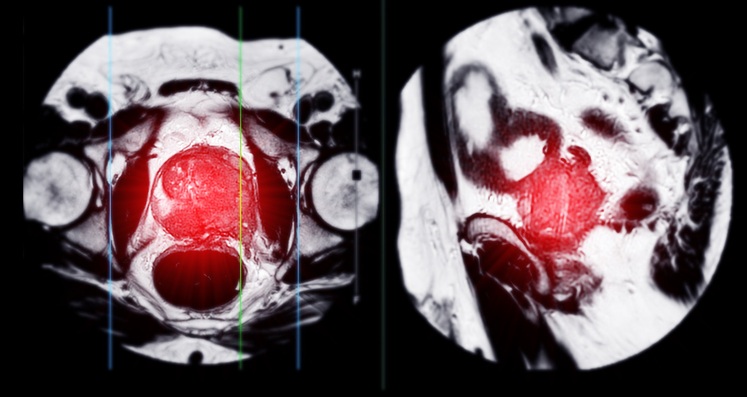
International Study Assesses AI for Prostate Cancer MRI Interpretation
Prostate cancer is a leading cause of cancer morbidity in men, and accurate early diagnosis hinges on expert interpretation of prostate magnetic resonance imaging (MRI). Rapid adoption of MRI-first pathways... Read more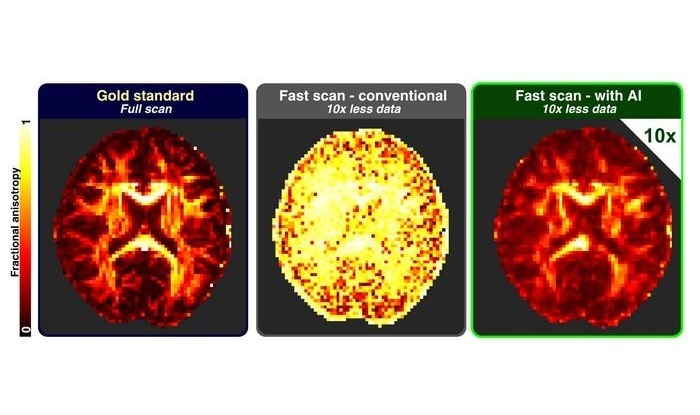
AI Approach Could Shorten Advanced Brain MRI Scans by Up to 90%
Long acquisition times for advanced brain magnetic resonance imaging (MRI) can limit access, extend waiting lists, and disrupt clinical workflows. Reducing data requirements without sacrificing image fidelity... Read more
Ultrasound
view channel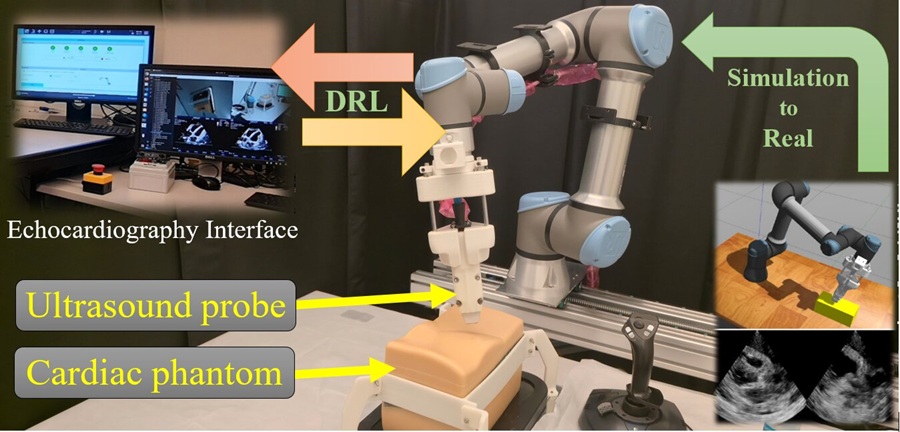
AI Robotic Ultrasound System Automates Echocardiography and Improves Consistency
Echocardiography, an ultrasound examination of the heart, is central to diagnosing and managing cardiovascular disease. Many services struggle with limited availability of skilled sonographers, variable... Read more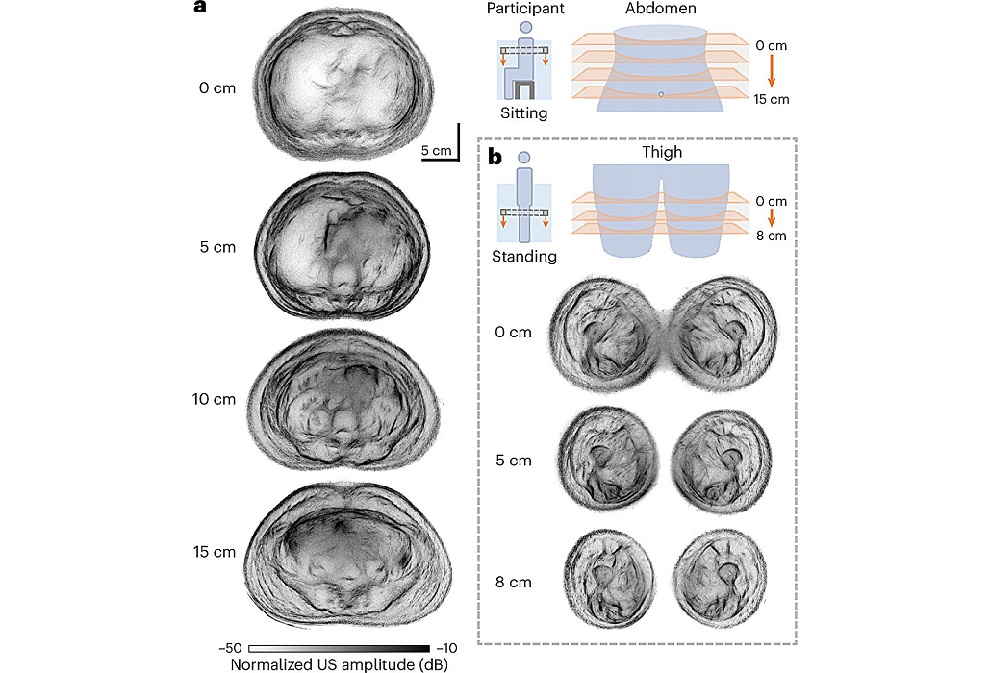
Whole Cross-Section Ultrasound System Enables Operator-Independent Imaging
Conventional ultrasound is central to bedside imaging but is limited by a narrow field of view and operator variability. Comprehensive cross-sectional assessment typically requires computed tomography... Read more
Nuclear Medicine
view channel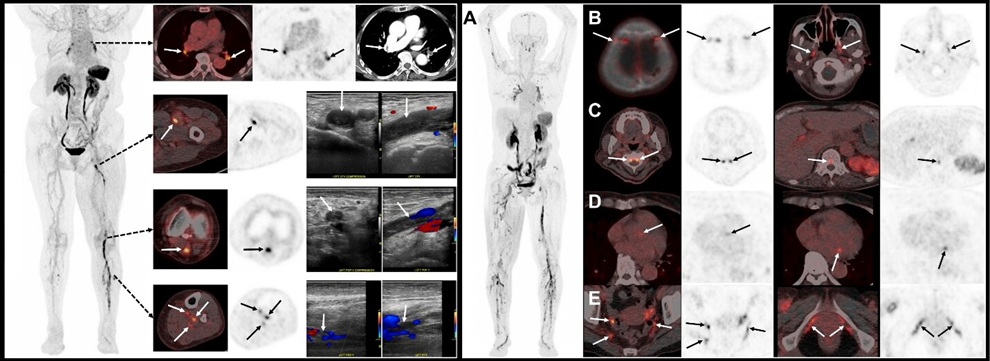
New PET Tracer Detects DVT and Pulmonary Embolism in One Scan
Deep vein thrombosis is the formation of clots in deep leg veins that can migrate to the lungs as pulmonary embolism. Rapid confirmation across both regions often requires multiple tests and can delay treatment.... Read more![Image: (A-C) Representative whole-body maximum-intensity projection images and regional fused PET/CT images from three histologically confirmed osteosarcoma patients who underwent paired [68Ga]Ga-B7-H3-BCH PET/CT and 18F-FDGE PET/CT within 7 days. (D) Multimodal imaging evaluation of patient 3, including X-ray, MRI (T2-weighted imaging, T2WI), CT, and B7-H3 PET/CT. (Photo courtesy of SNMMI)](https://globetechcdn.com/mobile_medicalimaging/images/stories/articles/article_images/2026-06-07/294811110_image_1.jpg "Image: (A-C) Representative whole-body maximum-intensity projection images and regional fused PET/CT images from three histologically confirmed osteosarcoma patients who underwent paired [68Ga]Ga-B7-H3-BCH PET/CT and 18F-FDGE PET/CT within 7 days. (D) Multimodal imaging evaluation of patient 3, including X-ray, MRI (T2-weighted imaging, T2WI), CT, and B7-H3 PET/CT. (Photo courtesy of SNMMI)")
Targeted PET Platform Guides Osteosarcoma Resection and Margin Verification
Osteosarcoma, an aggressive primary bone cancer that mainly affects children and adolescents, demands wide excision to prevent local recurrence. Surgeons must achieve negative margins while preserving... Read more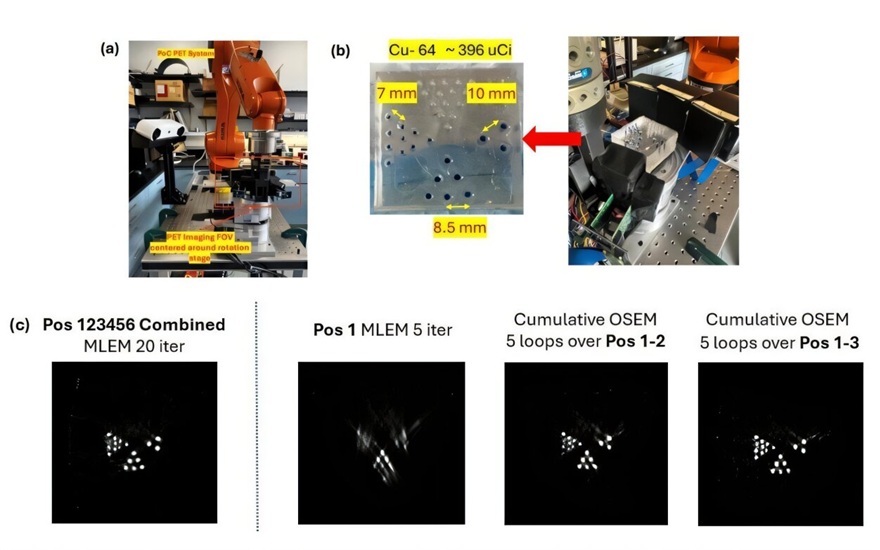
General/Advanced Imaging
view channel
Virtual Staining Technique Creates Histology Images from CT Data
Pulmonary hypertension, a disorder marked by pathological remodeling of the pulmonary vessels, often requires detailed histologic assessment. Yet routine pathology remains anchored in labor‑intensive,... Read more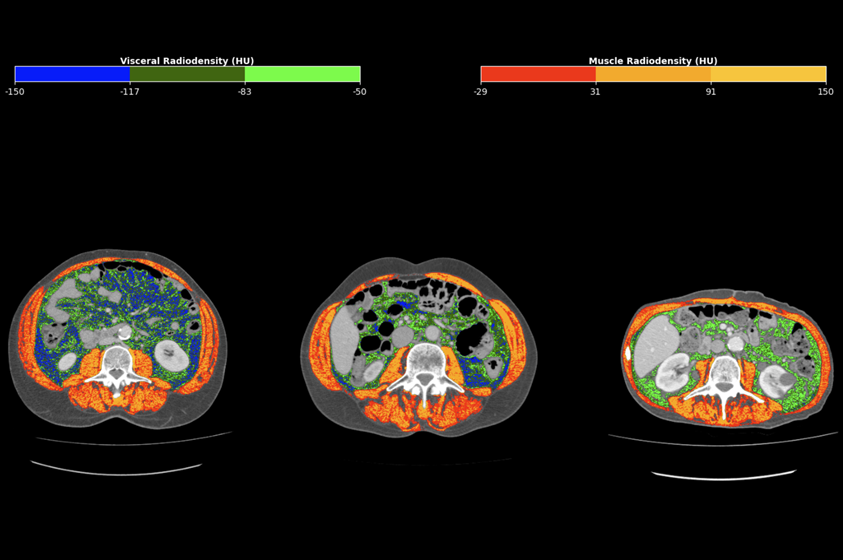
CT-Derived Biomarker Predicts Outcomes in Gastric Cancer
Gastric cancer, also known as stomach cancer, is the fifth most common malignancy worldwide and often shows heterogeneous outcomes even within the same stage. Prognostic estimates typically rely on tumor-centric... Read more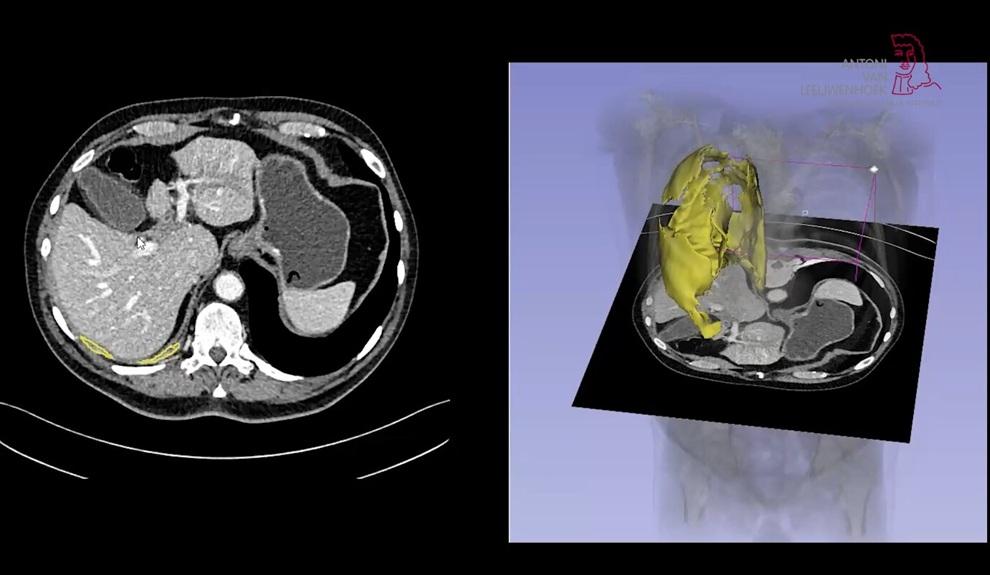
AI Tool Enhances Response Assessment and Survival Prediction in Pleural Mesothelioma
Pleural mesothelioma, a cancer that grows as a thin, irregular layer along the lung wall, is difficult to measure on imaging. Clinicians rely on diameter-based Response Evaluation Criteria in Solid Tumors... Read more
Imaging IT
view channel
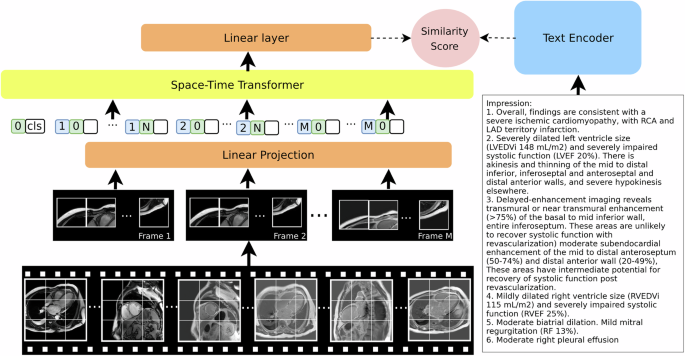
Ambient AI Reporting Platform Streamlines Radiology Reporting
Radiology departments face growing imaging volumes and staffing shortages, creating reporting bottlenecks and pressure to maintain turnaround times. Conventional dictation tools document findings after... Read more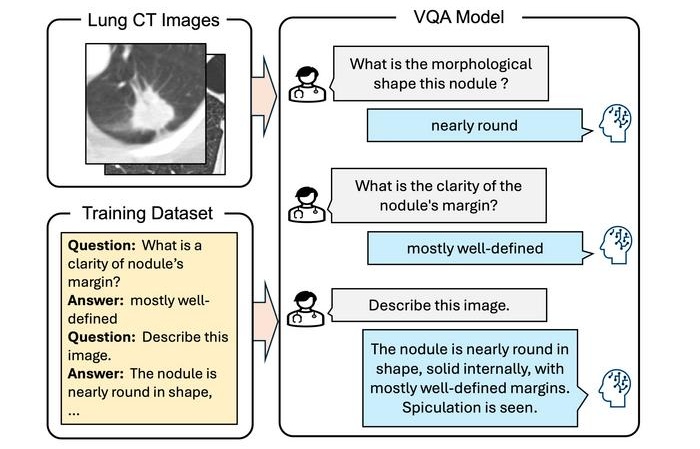
Interactive AI Tool Supports Explainable Lung Nodule Assessment
Lung cancer is a leading cause of cancer mortality, and timely characterization of pulmonary nodules on chest computed tomography (CT) is essential for directing care. Interpreting nodule morphology demands... Read more