Carestream Exhibits New Diagnostic Imaging Solutions in Chicago
|
By MedImaging International staff writers Posted on 27 Nov 2017 |


|

Image: The MR Brain Perfusion and MR Brain Diffusion modules, which enable radiologists to read these imaging studies from a Carestream Vue PACS diagnostic viewer (Photo courtesy of Carestream Health).
Carestream Health (Rochester, NY, USA), a provider of medical imaging systems and IT solutions, exhibited several new diagnostic imaging solutions introduced by the company this year at RSNA 2017 in Chicago.
Among the company’s new offerings at RSNA 2017 were the MR Brain Perfusion and MR Brain Diffusion modules, which enable radiologists to read these imaging studies from a Carestream Vue PACS diagnostic viewer. The company exhibited its MyVue Center Self-Service Kiosk, which is designed to enhance the patients’ ability to access and manage their medical imaging exam records. Patients can use the kiosk to print or share radiology reports and output their medical images onto film or a USB drive. Carestream also demonstrated its SmartGrid software which helps reduce the damaging effects of scatter radiation in a radiographic image and eliminate the need for an anti-scatter grid. This optional capability is available for use with Carestream’s portable and room-based DRX imaging systems, as well as its DRX-1 retrofit system, which converts computed radiography systems to digital radiography.
Carestream’s flagship products for medical imaging displayed at RSNA 2017 included the DRX-Revolution mobile X-ray system, which offers excellent image quality and maneuverability, and features a collapsible column that makes it safer and easier to drive. Also on display at this year’s RSNA were the DRX-Ascend and DRX-Evolution Plus, which features software and hardware enhancements to help expedite complex medical imaging exams and support future advanced imaging applications. The company also exhibited the DRX-Excel Plus for radiography/fluoroscopy imaging which performs contrast exams using fluoroscopy that can be associated with a radiography image. It is also suited for specialized contrast procedures that record both fluoroscopy and radiography sequences and interventional procedures.
Other products showcased at the event included Carestream’s new family of DRX Core detectors, which are thinner and lighter, and deliver enhanced image quality. Visitors at RSNA 2017 were also able to view the Touch Prime ultrasound systems featuring a sealed, all-touch control panel that combines the speed and flexibility of a soft user interface with the tactile feedback of traditional keys. Additionally, the company exhibited its OnSight 3D Extremity System which uses cone beam CT technology to capture high-quality, 3D weight-bearing and other types of extremity exams for orthopedic practices, imaging centers, and hospitals, along with the Vue Clinical Collaboration Platform for health IT.



 Guided Devices.jpg)

Among the company’s new offerings at RSNA 2017 were the MR Brain Perfusion and MR Brain Diffusion modules, which enable radiologists to read these imaging studies from a Carestream Vue PACS diagnostic viewer. The company exhibited its MyVue Center Self-Service Kiosk, which is designed to enhance the patients’ ability to access and manage their medical imaging exam records. Patients can use the kiosk to print or share radiology reports and output their medical images onto film or a USB drive. Carestream also demonstrated its SmartGrid software which helps reduce the damaging effects of scatter radiation in a radiographic image and eliminate the need for an anti-scatter grid. This optional capability is available for use with Carestream’s portable and room-based DRX imaging systems, as well as its DRX-1 retrofit system, which converts computed radiography systems to digital radiography.
Carestream’s flagship products for medical imaging displayed at RSNA 2017 included the DRX-Revolution mobile X-ray system, which offers excellent image quality and maneuverability, and features a collapsible column that makes it safer and easier to drive. Also on display at this year’s RSNA were the DRX-Ascend and DRX-Evolution Plus, which features software and hardware enhancements to help expedite complex medical imaging exams and support future advanced imaging applications. The company also exhibited the DRX-Excel Plus for radiography/fluoroscopy imaging which performs contrast exams using fluoroscopy that can be associated with a radiography image. It is also suited for specialized contrast procedures that record both fluoroscopy and radiography sequences and interventional procedures.
Other products showcased at the event included Carestream’s new family of DRX Core detectors, which are thinner and lighter, and deliver enhanced image quality. Visitors at RSNA 2017 were also able to view the Touch Prime ultrasound systems featuring a sealed, all-touch control panel that combines the speed and flexibility of a soft user interface with the tactile feedback of traditional keys. Additionally, the company exhibited its OnSight 3D Extremity System which uses cone beam CT technology to capture high-quality, 3D weight-bearing and other types of extremity exams for orthopedic practices, imaging centers, and hospitals, along with the Vue Clinical Collaboration Platform for health IT.

Digital Intelligent Ferromagnetic Detector
Digital Ferromagnetic Detector
Digital Radiography System (Ceiling Free)
Digix CF Series
Digital Color Doppler Ultrasound System
MS22Plus
Ultrasound-Guided Biopsy & Visualization Tools
Endoscopic Ultrasound (EUS) Guided Devices
Latest RSNA 2017 News
- Siemens Healthineers Launches New Mammography System at RSNA
- New Real-Time Imaging AI Platform Unveiled
- Bracco Diagnostics Highlights Advancement in Diagnostic Imaging Portfolio
- Varex Imaging Showcases New X-ray Components at Trade Fair
- Samsung Unveils New Mobile CT at RSNA 2017
- Thales Unveils World’s First Portable Detector with Embedded Patient ID
- PACSHealth Showcases DoseMonitor Upgrade at Chicago Trade Show
- Siemens Healthineers Spotlights Advances in Breast Imaging
- Agfa HealthCare Presents Advances in AI and Machine Learning at RSNA 2017
- Philips Showcases New Imaging Systems and Informatics Portfolio at RSNA
- Fujifilm Debuts New FDR Go PLUS Version Portable System
- Canon Showcases New DR Systems at Medical Imaging Fair
- Aspect Imaging Presents Neonatal MRI System at RSNA 2017
- Visage Imaging Debuts AI Offerings at Chicago Show
- Carestream Joins Zebra Medical Vision to Provide Access to AI Algorithms
Channels
Radiography
view channel
Computational X-Ray Technique Enables High-Resolution, Low-Dose Radiography
Reducing radiation in medical X-ray imaging remains a persistent challenge because dose reductions often degrade spatial resolution and diagnostic confidence. This is especially critical in pediatrics,... Read more
AI Tool Predicts Five-Year Breast Cancer Risk from Mammograms
Breast cancer risk assessment during routine screening is difficult because many women who develop the disease have no known genetic mutations or family history. Static risk tools provide limited discrimination... Read more

MRI
view channel
Advanced MRI Reveals Structural Brain Changes Linked to Better Cognitive Health
Objective, noninvasive measures that capture subtle, training-related changes in adult brain structure remain limited in routine clinical practice. Quantifying neuroplasticity with precision is especially... Read more
Cardiac MRI Detects Hidden Heart Dysfunction After Heart Attack
Myocardial infarction often leaves patients with persistent ventricular dysfunction that can progress without obvious signs. Detecting early decline remains difficult because standard measures may miss... Read more
Ultrasound
view channel
Simple 2D Ultrasound Tool Accurately Estimates Placental Volume
Stillbirth remains a major cause of perinatal loss, with about 21,000 cases annually in the United States. Although placental abnormalities are linked to adverse pregnancy outcomes, routine monitoring... Read more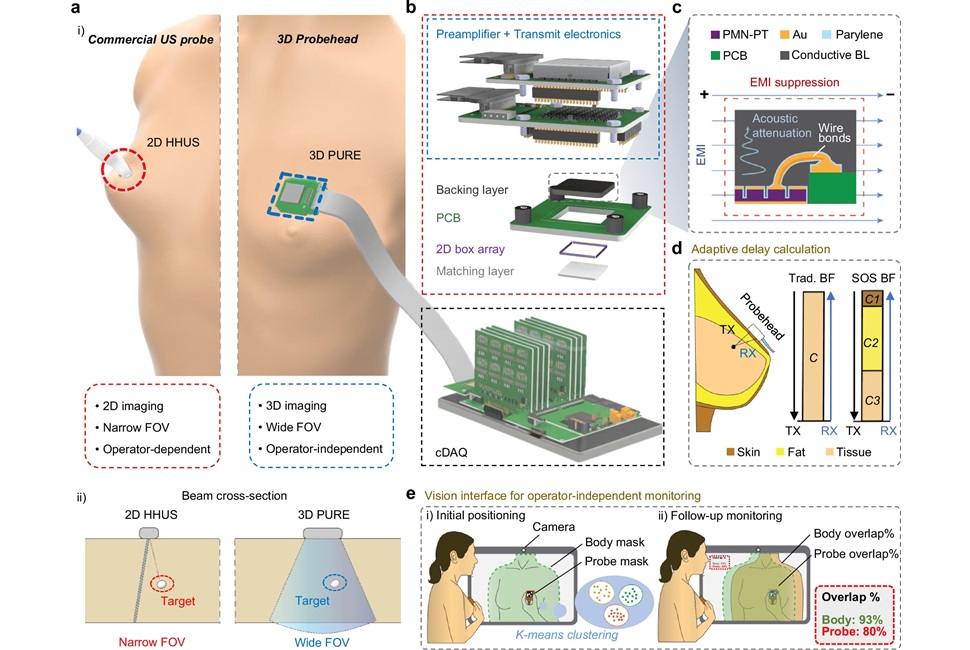
Portable 3D Ultrasound System Enables Reproducible Breast Cancer Monitoring
Breast cancer can develop between annual mammograms, and these interval cancers account for 20% to 30% of cases and tend to be more aggressive. The challenge is pronounced in people with dense breast tissue.... Read more

Nuclear Medicine
view channel
Radiotherapy Professionals Embrace AI as a Clinical Support Tool
Radiotherapy planning requires precise identification of organs at risk near a tumor, but manual contouring is repetitive and time-consuming, often delaying plan completion and straining specialist capacity.... Read more
Second PSMA PET Identifies Disease in More Than Half of Negative Cases
Biochemical recurrence of prostate cancer after prostatectomy or radiation can be difficult to localize when imaging is negative. Uncertain disease sites may delay salvage therapy and expose patients to... Read more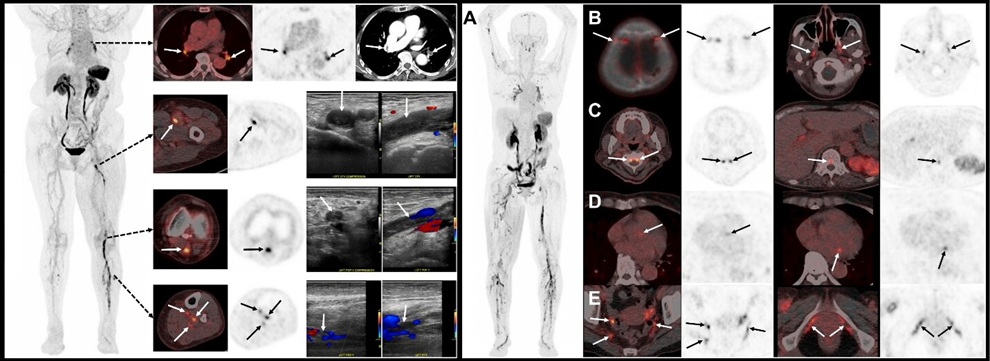
![Image: (A-C) Representative whole-body maximum-intensity projection images and regional fused PET/CT images from three histologically confirmed osteosarcoma patients who underwent paired [68Ga]Ga-B7-H3-BCH PET/CT and 18F-FDGE PET/CT within 7 days. (D) Multimodal imaging evaluation of patient 3, including X-ray, MRI (T2-weighted imaging, T2WI), CT, and B7-H3 PET/CT. (Photo courtesy of SNMMI)](https://globetechcdn.com/mobile_medicalimaging/images/stories/articles/article_images/2026-06-07/294811110_image_1.jpg "Image: (A-C) Representative whole-body maximum-intensity projection images and regional fused PET/CT images from three histologically confirmed osteosarcoma patients who underwent paired [68Ga]Ga-B7-H3-BCH PET/CT and 18F-FDGE PET/CT within 7 days. (D) Multimodal imaging evaluation of patient 3, including X-ray, MRI (T2-weighted imaging, T2WI), CT, and B7-H3 PET/CT. (Photo courtesy of SNMMI)")
General/Advanced Imaging
view channel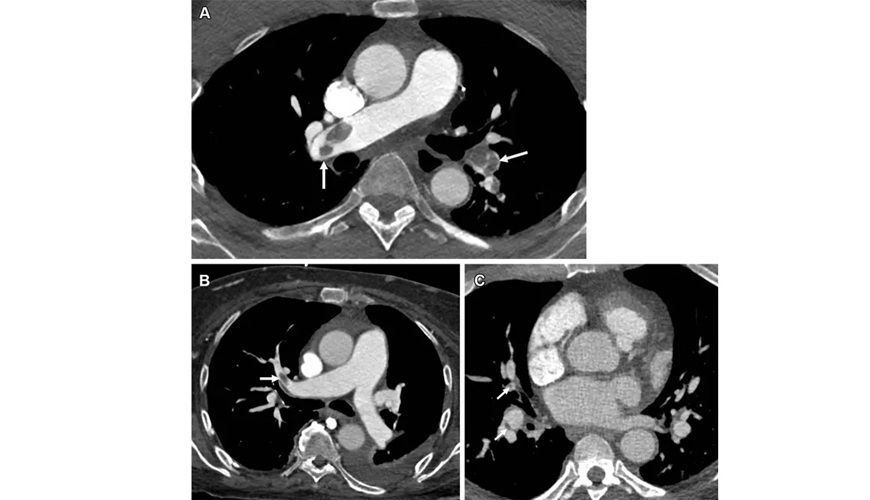
New PE-RADS Framework Standardizes Pulmonary Embolism Imaging Reports
Pulmonary embolism is a sudden blockage of the lung’s blood vessels that reduces pulmonary blood flow, can strain the right hear,t and may be fatal if untreated. Patients often present with shortness of... Read more
Virtual Staining Technique Creates Histology Images from CT Data
Pulmonary hypertension, a disorder marked by pathological remodeling of the pulmonary vessels, often requires detailed histologic assessment. Yet routine pathology remains anchored in labor‑intensive,... Read more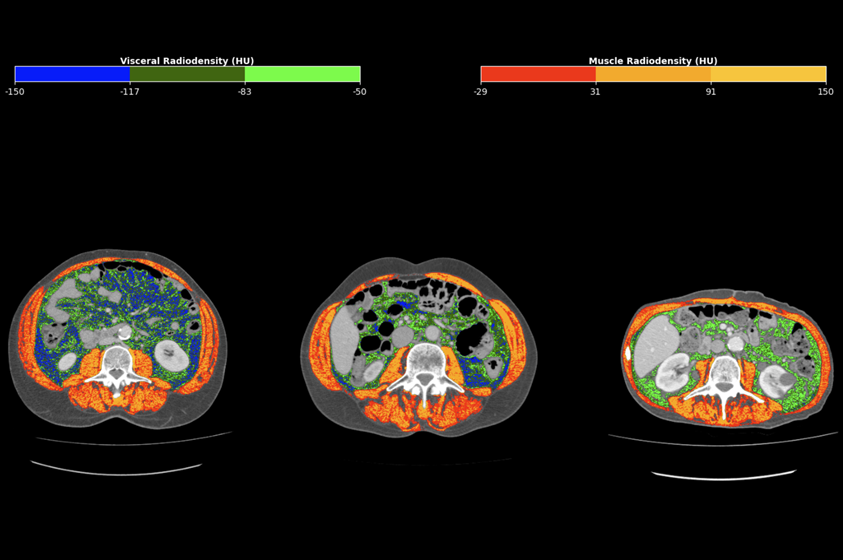
CT-Derived Biomarker Predicts Outcomes in Gastric Cancer
Gastric cancer, also known as stomach cancer, is the fifth most common malignancy worldwide and often shows heterogeneous outcomes even within the same stage. Prognostic estimates typically rely on tumor-centric... Read more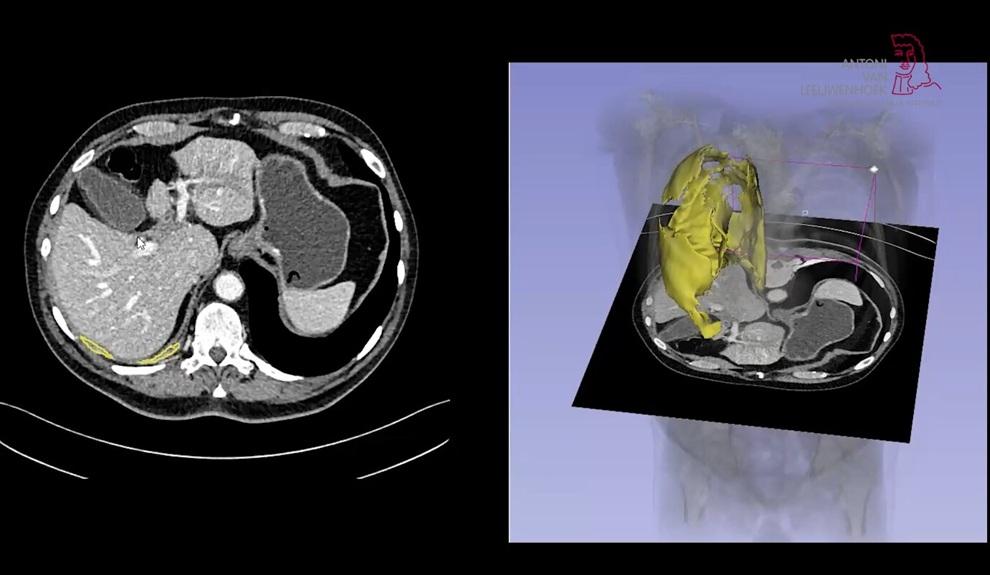
AI Tool Enhances Response Assessment and Survival Prediction in Pleural Mesothelioma
Pleural mesothelioma, a cancer that grows as a thin, irregular layer along the lung wall, is difficult to measure on imaging. Clinicians rely on diameter-based Response Evaluation Criteria in Solid Tumors... Read moreImaging IT
view channel
Ambient AI Reporting Platform Streamlines Radiology Reporting
Radiology departments face growing imaging volumes and staffing shortages, creating reporting bottlenecks and pressure to maintain turnaround times. Conventional dictation tools document findings after... Read more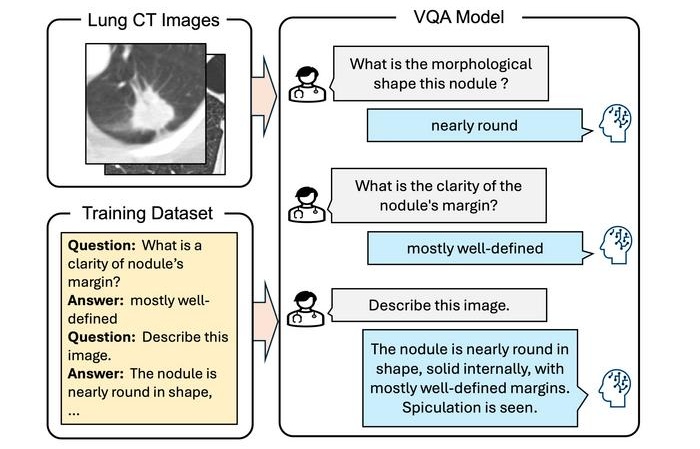
Interactive AI Tool Supports Explainable Lung Nodule Assessment
Lung cancer is a leading cause of cancer mortality, and timely characterization of pulmonary nodules on chest computed tomography (CT) is essential for directing care. Interpreting nodule morphology demands... Read more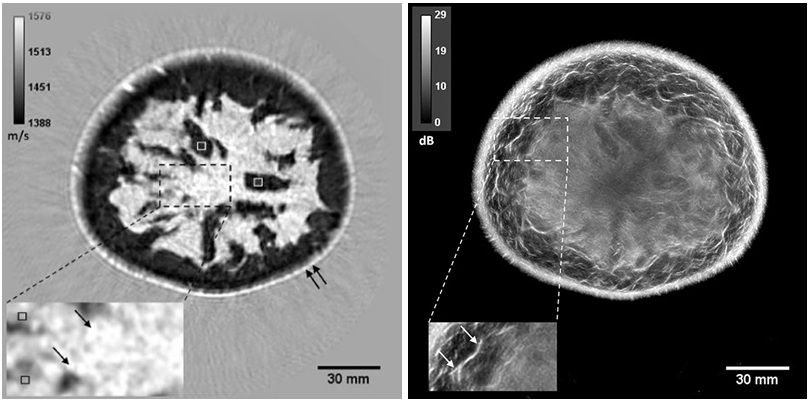
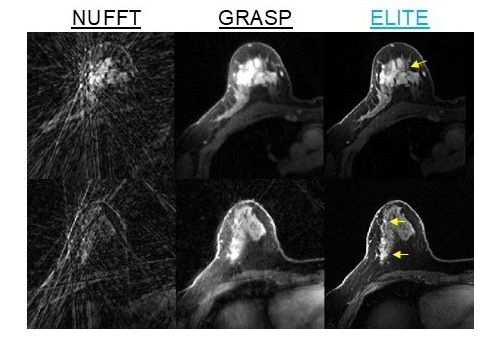
Breast Imaging Software Enhances Visualization and Tissue Characterization in Challenging Cases
Breast imaging can be particularly challenging in cases involving small breasts or implants, where image reconstruction and tissue characterization may be limited. Clinicians also need reproducible analysis... Read more
Industry News
view channel
GE HealthCare Showcases AI-Enabled Nuclear Medicine Portfolio at SNMMI 2026
Nuclear medicine is expanding rapidly as health systems adopt theranostics and broaden access to radiopharmaceuticals, increasing demand for scalable operations and consistent diagnostic confidence.... Read more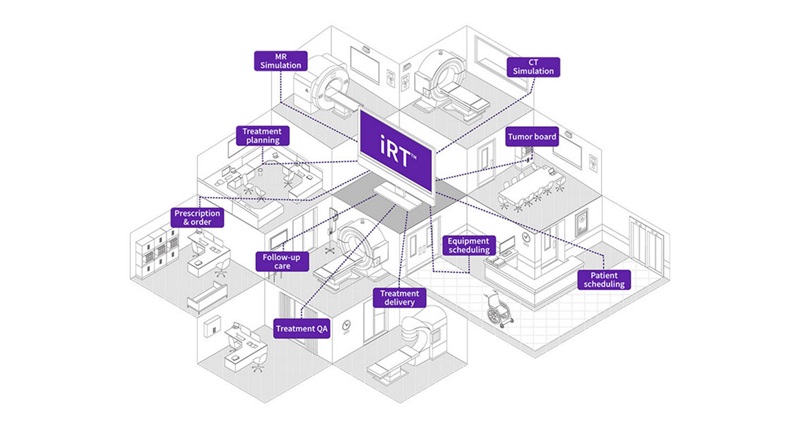
GE HealthCare Highlights AI-Supported Radiation Therapy Tools at ESTRO 2026
At the European Society for Radiotherapy and Oncology (ESTRO) 2026 Congress in Stockholm, GE HealthCare is highlighting Intelligent Radiation Therapy (iRT), MIM Software innovations, and BK Medical surgical... Read more