



Highly Targeted Irradiation Works as Well as Whole Breast Radiotherapy in Early Stage Breast Cancer
|
By MedImaging International staff writers Posted on 05 Jun 2012 |


|
Hungarian researchers have revealed that by using a concentrated, highly targeted dose of radiation to the breast has equally good results as irradiating the whole area, with no adverse effects on survival and a much better cosmetic outcome.
Reporting the 10-year results of a randomized trial, Prof. Csaba Polgar, MD, director of the Centre for Radiotherapy, National Institute of Oncology (Budapest, Hungary) told the World Congress of Brachytherapy, which was held in in Barcelona (Spain) during May 9-13, 2012, that he believes accelerated partial breast irradiation (APBI) could be offered to many more breast cancer patients, resulting in fewer side effects and major cost savings to healthcare systems.
The Budapest trial was the first randomized study to compare the efficacy and side effects of conventional whole breast irradiation with APBI using multicatheter brachytherapy. This technique consists of inserting multiple plastic catheters into the tumor bed after breast conserving surgery. The catheters are inserted under local or general anesthesia, according to the wishes of the patient. The radiation source is then loaded into them to deliver a highly concentrated dose to the exact region of the excised tumor--the region most likely to develop a local recurrence of the cancer. By using APBI, the major part of the healthy breast tissue does not receive radiation.
“In a group of 258 women who had had breast-conserving surgery, we found that, at a median follow-up time of just over 10 years, the rate of local recurrence--the cancer coming back in the same place--was 5.9% in the APBI group and 5.1% in the group who received whole breast irradiation,” said Prof. Polgár. “There was no significant difference in overall survival, cancer-specific survival, and disease free survival between the two groups. However, the differences in cosmetic outcome were striking--81% in the APBI group had good-to-excellent results as opposed to 63% of those who received whole breast irradiation.”
An additional benefit of APBI is that treatment time can be shortened. As opposed to whole breast irradiation, where a course of treatment typically takes five weeks (five treatments per week), APBI can be performed in four to five days. “We believe that the results of our trial will encourage more patients to choose APBI, particularly those who may now be inclined to refuse radiotherapy because of the logistical difficulties involved--having to travel long distances over a period of six weeks can be a major problem for some patients,” Prof. Polgár noted.
Fewer than 10% of early stage breast-cancer patients currently receive APBI in Europe, and in some countries, it is still considered an investigational treatment. In other parts of the world, for example, in the United States, it has already been accepted into general practice for the treatment of selected low-risk patients.
“Our trial has shown that it is possible to use a faster and more focused treatment without compromising survival. It is a little like comparing a total mastectomy with a lumpectomy--we have found that we can improve cosmetic outcomes, lessen side effects, and achieve greater patient satisfaction with a less invasive and more cost-effective technique. Other multicenter trials of APBI are currently underway, and we believe that these are likely to give further support to our findings,” Prof. Polgár concluded.
Dr. Christine Haie-Meder, a radiation oncologist at the Institut Gustave Roussy (Villejuif, France) and chairperson of the congress, said, “We know that all the patients with breast cancer do not need whole breast irradiation. Especially in elderly patients, the treatment, when limited to partial breast irradiation, can be significantly shortened. This study is important because, within the frame of a randomized trial with a 10-year follow-up, it shows that in selected patients, partial breast irradiation gives as good results as whole breast irradiation with the same recurrence rate, but with significantly better cosmetic results.”
Brachytherapy is a type of internal radiotherapy, which involves putting solid radioactive material close to, or inside, the tumor. This gives a high dose of radiotherapy directly to the tumor but only a low dose to normal tissues.
The World Congress of Brachytherapy was held in parallel with the 31st conference of the European Society for Radiotherapy and Oncology (ESTRO 31).
Related Links:
Hungarian National Institute of Oncology








Reporting the 10-year results of a randomized trial, Prof. Csaba Polgar, MD, director of the Centre for Radiotherapy, National Institute of Oncology (Budapest, Hungary) told the World Congress of Brachytherapy, which was held in in Barcelona (Spain) during May 9-13, 2012, that he believes accelerated partial breast irradiation (APBI) could be offered to many more breast cancer patients, resulting in fewer side effects and major cost savings to healthcare systems.
The Budapest trial was the first randomized study to compare the efficacy and side effects of conventional whole breast irradiation with APBI using multicatheter brachytherapy. This technique consists of inserting multiple plastic catheters into the tumor bed after breast conserving surgery. The catheters are inserted under local or general anesthesia, according to the wishes of the patient. The radiation source is then loaded into them to deliver a highly concentrated dose to the exact region of the excised tumor--the region most likely to develop a local recurrence of the cancer. By using APBI, the major part of the healthy breast tissue does not receive radiation.
“In a group of 258 women who had had breast-conserving surgery, we found that, at a median follow-up time of just over 10 years, the rate of local recurrence--the cancer coming back in the same place--was 5.9% in the APBI group and 5.1% in the group who received whole breast irradiation,” said Prof. Polgár. “There was no significant difference in overall survival, cancer-specific survival, and disease free survival between the two groups. However, the differences in cosmetic outcome were striking--81% in the APBI group had good-to-excellent results as opposed to 63% of those who received whole breast irradiation.”
An additional benefit of APBI is that treatment time can be shortened. As opposed to whole breast irradiation, where a course of treatment typically takes five weeks (five treatments per week), APBI can be performed in four to five days. “We believe that the results of our trial will encourage more patients to choose APBI, particularly those who may now be inclined to refuse radiotherapy because of the logistical difficulties involved--having to travel long distances over a period of six weeks can be a major problem for some patients,” Prof. Polgár noted.
Fewer than 10% of early stage breast-cancer patients currently receive APBI in Europe, and in some countries, it is still considered an investigational treatment. In other parts of the world, for example, in the United States, it has already been accepted into general practice for the treatment of selected low-risk patients.
“Our trial has shown that it is possible to use a faster and more focused treatment without compromising survival. It is a little like comparing a total mastectomy with a lumpectomy--we have found that we can improve cosmetic outcomes, lessen side effects, and achieve greater patient satisfaction with a less invasive and more cost-effective technique. Other multicenter trials of APBI are currently underway, and we believe that these are likely to give further support to our findings,” Prof. Polgár concluded.
Dr. Christine Haie-Meder, a radiation oncologist at the Institut Gustave Roussy (Villejuif, France) and chairperson of the congress, said, “We know that all the patients with breast cancer do not need whole breast irradiation. Especially in elderly patients, the treatment, when limited to partial breast irradiation, can be significantly shortened. This study is important because, within the frame of a randomized trial with a 10-year follow-up, it shows that in selected patients, partial breast irradiation gives as good results as whole breast irradiation with the same recurrence rate, but with significantly better cosmetic results.”
Brachytherapy is a type of internal radiotherapy, which involves putting solid radioactive material close to, or inside, the tumor. This gives a high dose of radiotherapy directly to the tumor but only a low dose to normal tissues.
The World Congress of Brachytherapy was held in parallel with the 31st conference of the European Society for Radiotherapy and Oncology (ESTRO 31).
Related Links:
Hungarian National Institute of Oncology

Mobile X-Ray System
K4W
Digital Color Doppler Ultrasound System
MS22Plus
X-ray Diagnostic System
FDX Visionary-A
Ultrasonic Pocket Doppler
SD1
Latest Radiography News
- AI Mammography Tools Detect Early Breast Cancer Signs Years Before Diagnosis
- Rapid X-Ray Test Quantifies Pulmonary Regurgitation After Tetralogy of Fallot Repair
- AI Tool Flags Osteoporosis Risk from Routine Chest X-Rays
- Simple Chest X-Ray Measure Predicts Survival After Lung Cancer Surgery
- AI Detection Tool Improves Identification of Lobular Breast Cancer
- New Contrast Agent Enables Low-Dose X-Ray Joint Imaging
- AI Boosts Breast Cancer Detection and Cuts Screening Workload
- AI Tool Predicts Breast Cancer Risk Years Ahead Using Routine Mammograms
- Routine Mammograms Could Predict Future Cardiovascular Disease in Women
- AI Detects Early Signs of Aging from Chest X-Rays
- X-Ray Breakthrough Captures Three Image-Contrast Types in Single Shot
- AI Generates Future Knee X-Rays to Predict Osteoarthritis Progression Risk
- AI Algorithm Uses Mammograms to Accurately Predict Cardiovascular Risk in Women
- AI Hybrid Strategy Improves Mammogram Interpretation
- AI Technology Predicts Personalized Five-Year Risk of Developing Breast Cancer
- RSNA AI Challenge Models Can Independently Interpret Mammograms
Channels
MRI
view channel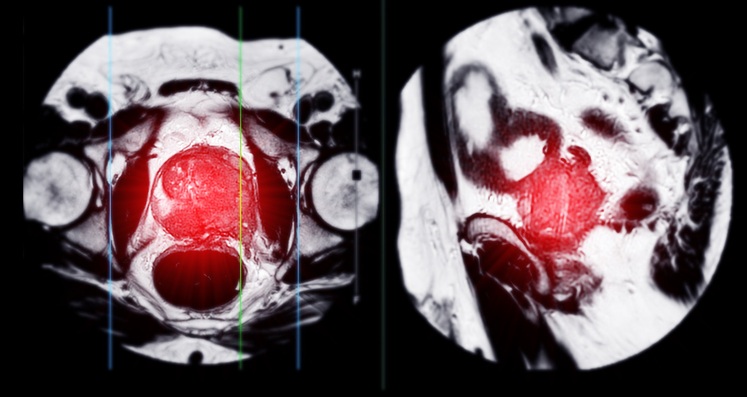
International Study Assesses AI for Prostate Cancer MRI Interpretation
Prostate cancer is a leading cause of cancer morbidity in men, and accurate early diagnosis hinges on expert interpretation of prostate magnetic resonance imaging (MRI). Rapid adoption of MRI-first pathways... Read more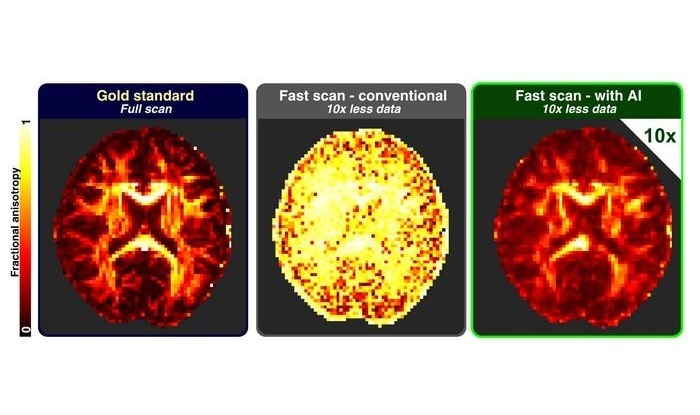
AI Approach Could Shorten Advanced Brain MRI Scans by Up to 90%
Long acquisition times for advanced brain magnetic resonance imaging (MRI) can limit access, extend waiting lists, and disrupt clinical workflows. Reducing data requirements without sacrificing image fidelity... Read more
Ultrasound
view channel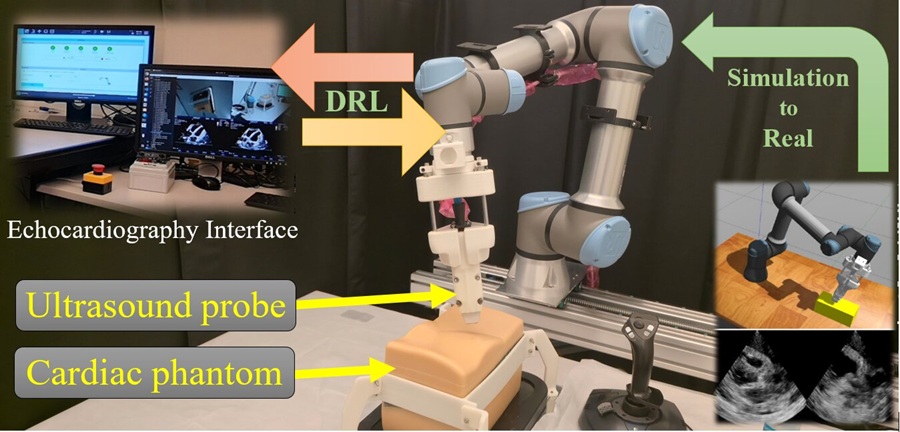
AI Robotic Ultrasound System Automates Echocardiography and Improves Consistency
Echocardiography, an ultrasound examination of the heart, is central to diagnosing and managing cardiovascular disease. Many services struggle with limited availability of skilled sonographers, variable... Read more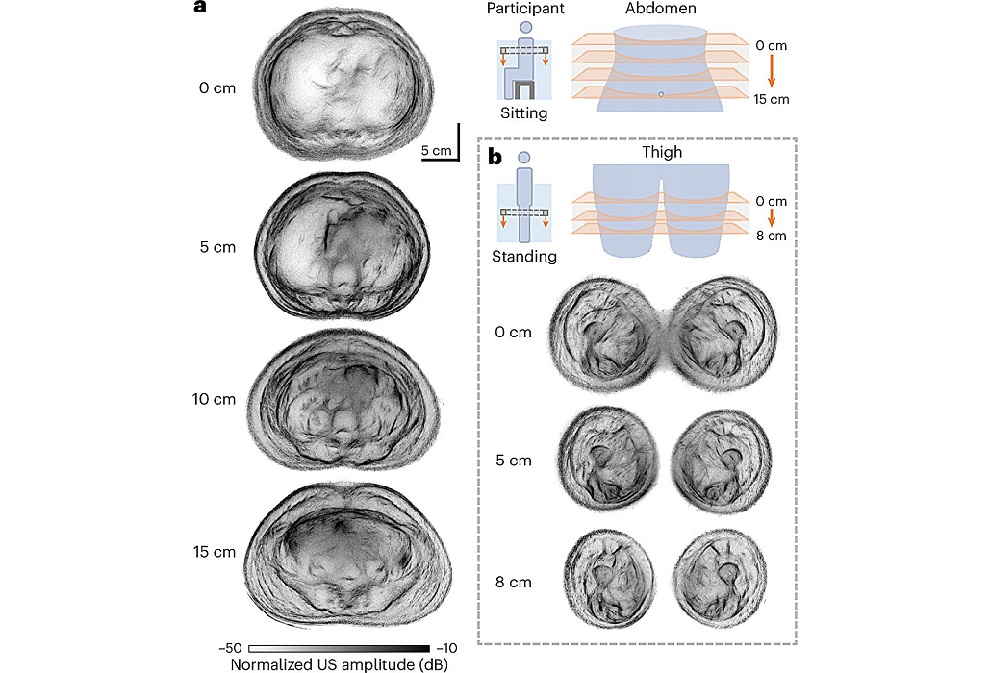
Whole Cross-Section Ultrasound System Enables Operator-Independent Imaging
Conventional ultrasound is central to bedside imaging but is limited by a narrow field of view and operator variability. Comprehensive cross-sectional assessment typically requires computed tomography... Read more
Nuclear Medicine
view channel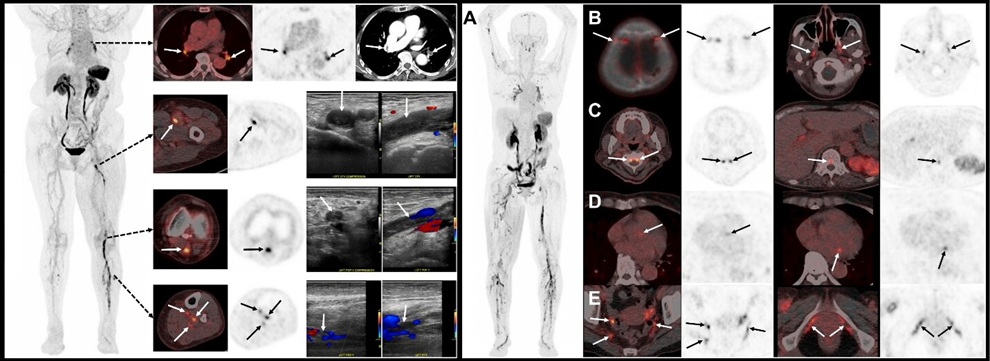
New PET Tracer Detects DVT and Pulmonary Embolism in One Scan
Deep vein thrombosis is the formation of clots in deep leg veins that can migrate to the lungs as pulmonary embolism. Rapid confirmation across both regions often requires multiple tests and can delay treatment.... Read more![Image: (A-C) Representative whole-body maximum-intensity projection images and regional fused PET/CT images from three histologically confirmed osteosarcoma patients who underwent paired [68Ga]Ga-B7-H3-BCH PET/CT and 18F-FDGE PET/CT within 7 days. (D) Multimodal imaging evaluation of patient 3, including X-ray, MRI (T2-weighted imaging, T2WI), CT, and B7-H3 PET/CT. (Photo courtesy of SNMMI)](https://globetechcdn.com/mobile_medicalimaging/images/stories/articles/article_images/2026-06-07/294811110_image_1.jpg "Image: (A-C) Representative whole-body maximum-intensity projection images and regional fused PET/CT images from three histologically confirmed osteosarcoma patients who underwent paired [68Ga]Ga-B7-H3-BCH PET/CT and 18F-FDGE PET/CT within 7 days. (D) Multimodal imaging evaluation of patient 3, including X-ray, MRI (T2-weighted imaging, T2WI), CT, and B7-H3 PET/CT. (Photo courtesy of SNMMI)")
Targeted PET Platform Guides Osteosarcoma Resection and Margin Verification
Osteosarcoma, an aggressive primary bone cancer that mainly affects children and adolescents, demands wide excision to prevent local recurrence. Surgeons must achieve negative margins while preserving... Read more
General/Advanced Imaging
view channel
AI Tool Enables Real-Time Diffuse Optical Tomography for Brain Lesion Detection
Diffuse optical tomography is a noninvasive imaging technique that uses near-infrared light to detect internal abnormalities such as cerebral hemorrhage and tumors. Its clinical utility for real-time ... Read more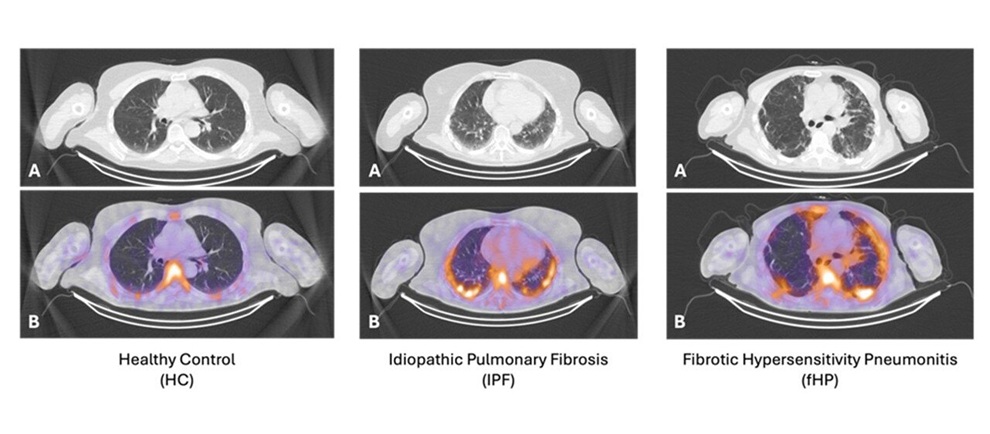
New SPECT/CT Method Differentiates Inflammation from Fibrosis in Interstitial Lung Disease
Interstitial lung disease (ILD) encompasses more than 200 disorders that inflame or scar the lung interstitium and can lead to progressive respiratory failure. Determining whether active inflammation is... Read more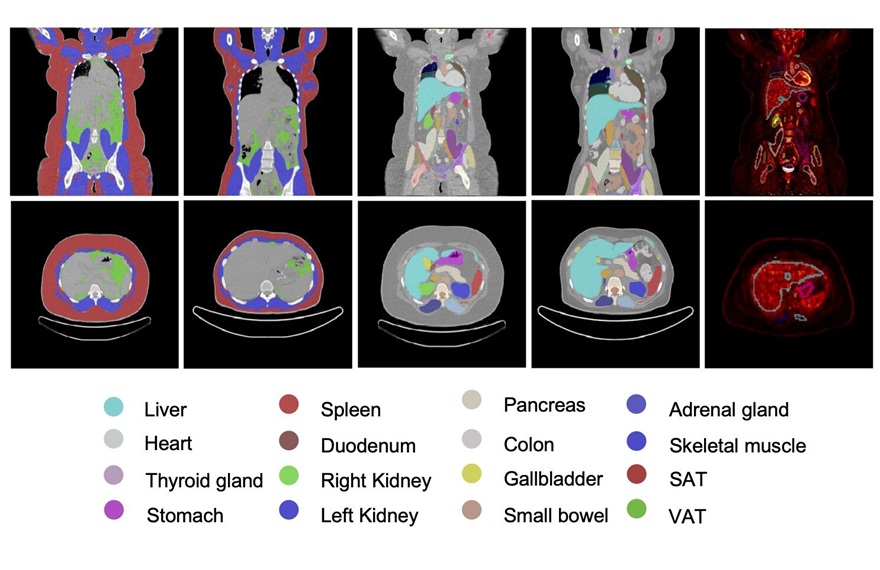
Imaging IT
view channel
Ambient AI Reporting Platform Streamlines Radiology Reporting
Radiology departments face growing imaging volumes and staffing shortages, creating reporting bottlenecks and pressure to maintain turnaround times. Conventional dictation tools document findings after... Read more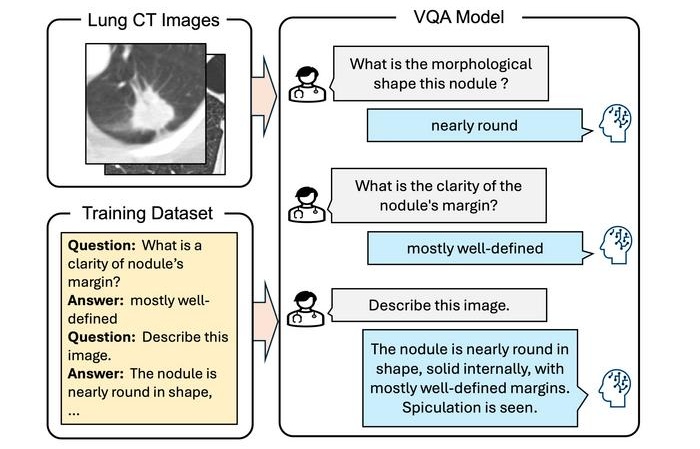
Interactive AI Tool Supports Explainable Lung Nodule Assessment
Lung cancer is a leading cause of cancer mortality, and timely characterization of pulmonary nodules on chest computed tomography (CT) is essential for directing care. Interpreting nodule morphology demands... Read more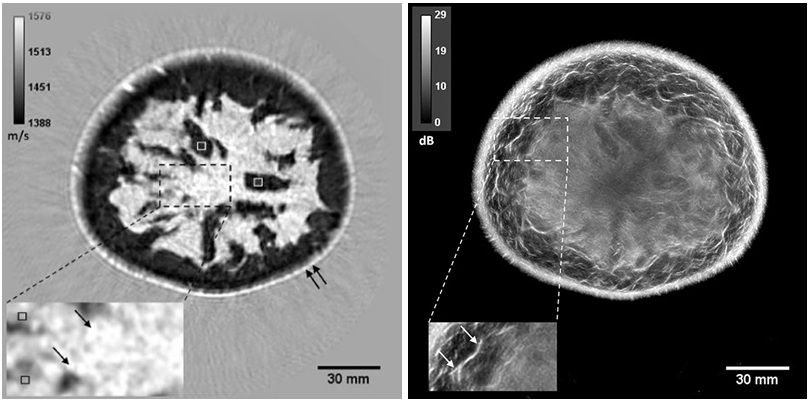
Breast Imaging Software Enhances Visualization and Tissue Characterization in Challenging Cases
Breast imaging can be particularly challenging in cases involving small breasts or implants, where image reconstruction and tissue characterization may be limited. Clinicians also need reproducible analysis... Read more
Industry News
view channel
GE HealthCare Showcases AI-Enabled Nuclear Medicine Portfolio at SNMMI 2026
Nuclear medicine is expanding rapidly as health systems adopt theranostics and broaden access to radiopharmaceuticals, increasing demand for scalable operations and consistent diagnostic confidence.... Read more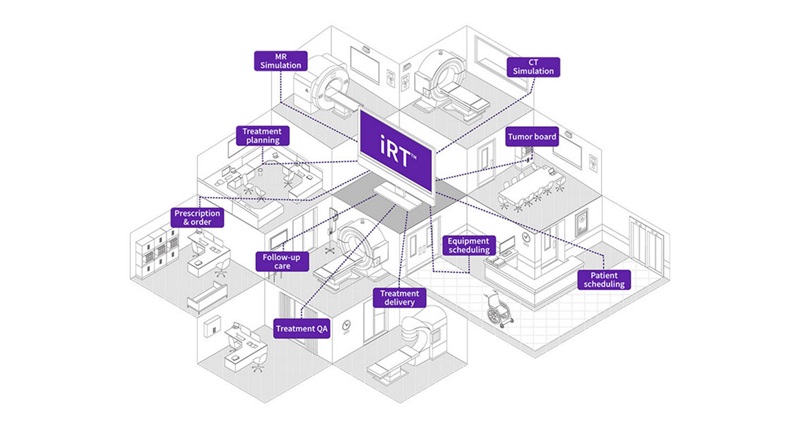
GE HealthCare Highlights AI-Supported Radiation Therapy Tools at ESTRO 2026
At the European Society for Radiotherapy and Oncology (ESTRO) 2026 Congress in Stockholm, GE HealthCare is highlighting Intelligent Radiation Therapy (iRT), MIM Software innovations, and BK Medical surgical... Read more