






MRI
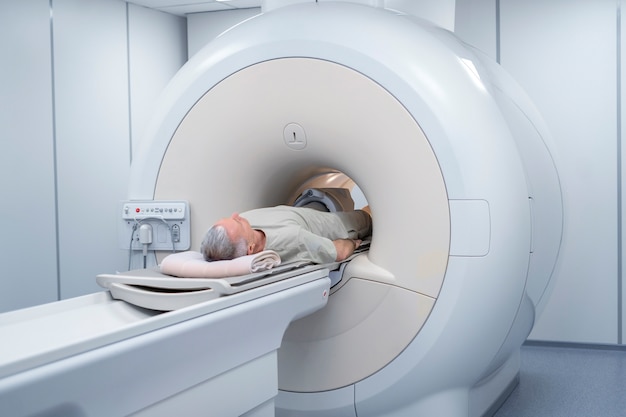
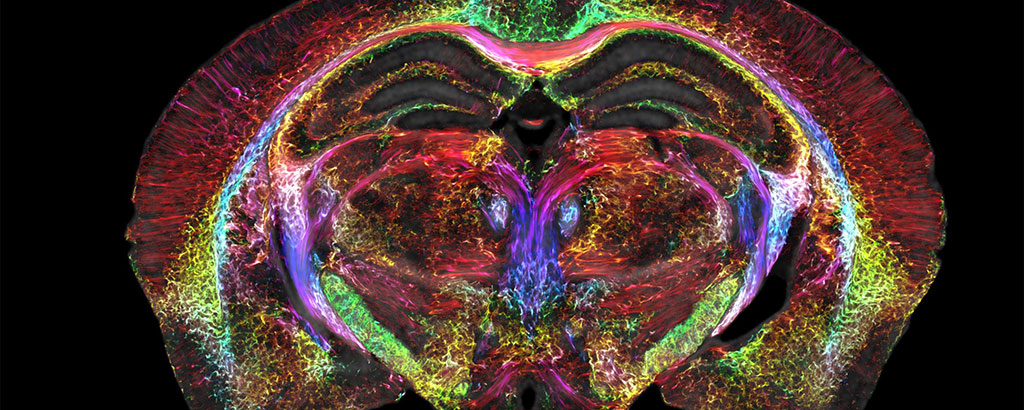
Super-Powerful MRI Merged With Light-Sheet Microscopy Provides 64 Million Times Sharper Brain Images 
In a groundbreaking achievement coinciding with the first MRI's 50th anniversary, researchers have significantly enhanced MRI resolution, resulting in the clearest images of a mouse brain ever captured. More...
19 Apr 2023
New PET/MR Imaging Technique Could be a Game Changer for Treatment of Crohn's Disease
Currently, no imaging procedure allows for therapy-relevant differentiation between intestinal wall inflammation and fibrosis. Now, a new imaging technique may enhance the treatment of intestinal strictures in patients with Crohn's disease. More...12 Apr 2023
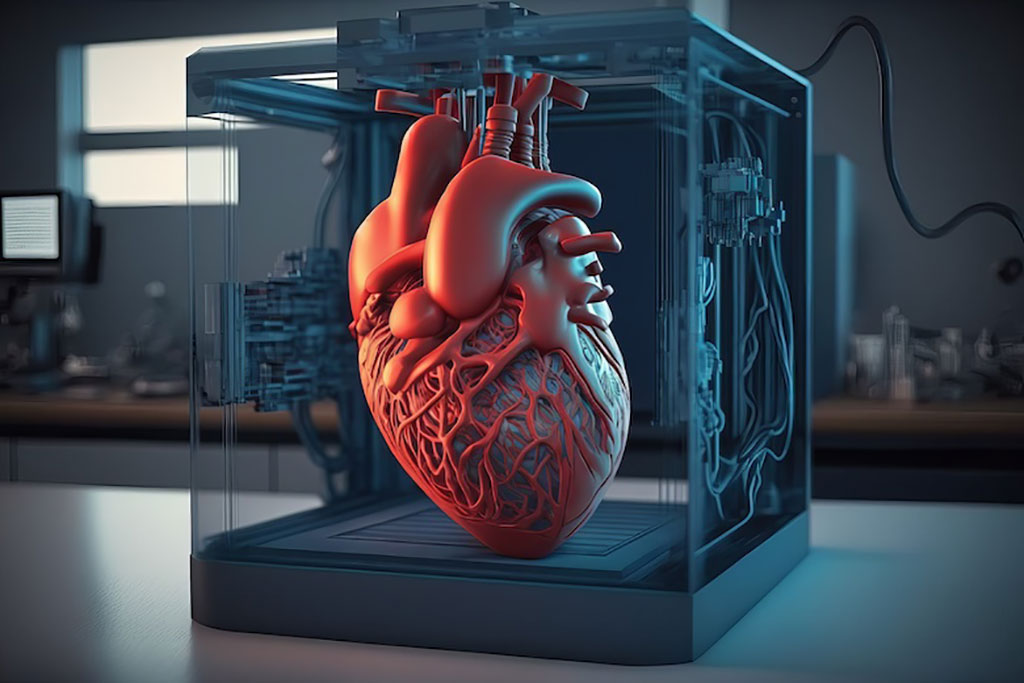
3D Printed Heart Models Could Enable Non-Invasive Diagnosis of Aortic Stenosis
Existing methods for assessing the severity of aortic stenosis, like Doppler echocardiography, can be prone to uncontrolled errors and often necessitate invasive pressure measurements for patients. No, aortic flow phantoms could provide a potential solution to this issue. More...11 Apr 2023
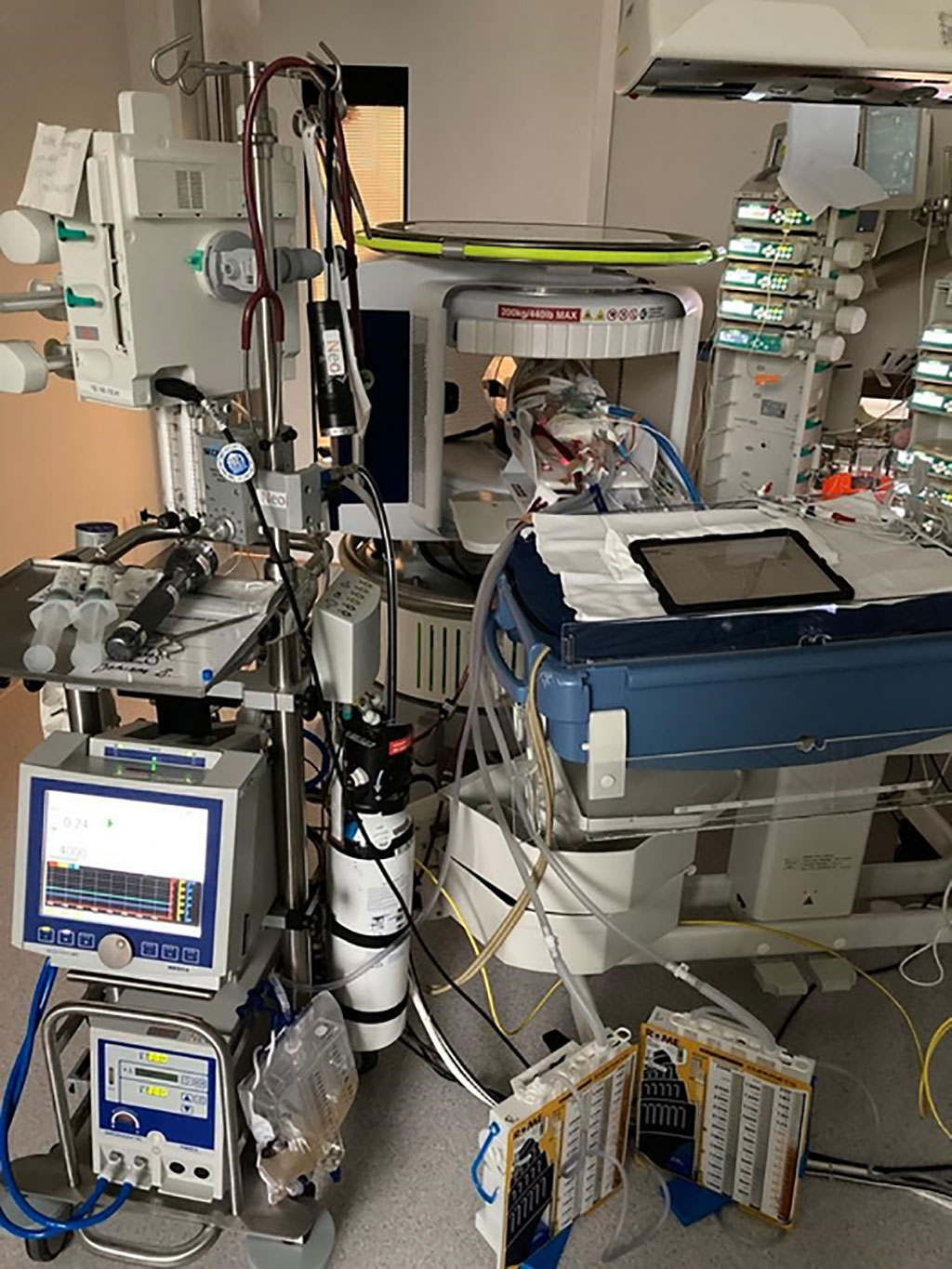
World's First Studies with Bedside Portable MRI in Pediatric ECMO Patients Demonstrate Safety and Efficacy
The world's first study of children receiving ECMO therapy using mobile magnetic resonance imaging (MRI) has found that the scan can be performed safely without any problems. More...07 Apr 2023

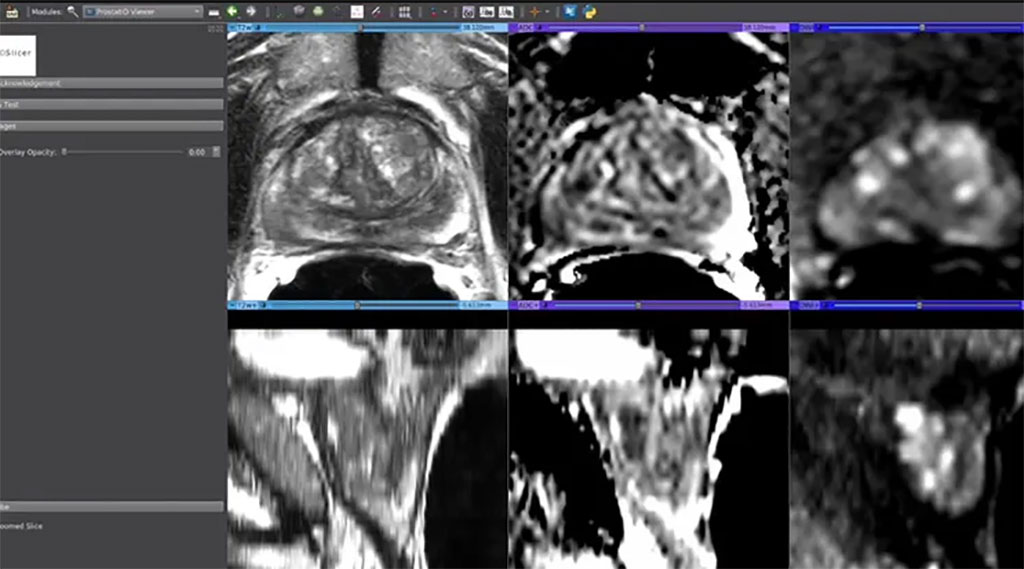
CADx System Combines AI with Low-Cost MRI Scans to Speed up Prostate Cancer Detection
A powerful computer-aided diagnosis (CADx) software device is poised to change the standard of care for prostate cancer screening, detection and diagnosis by avoiding the expensive pitfalls of current prostate cancer pathways. More...29 Mar 2023


Post-Processing Imaging System
DynaCAD Prostate

High-Precision QA Tool
DEXA Phantom
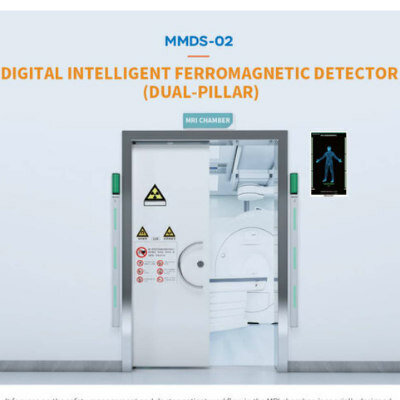

Digital Intelligent Ferromagnetic Detector
Digital Ferromagnetic Detector
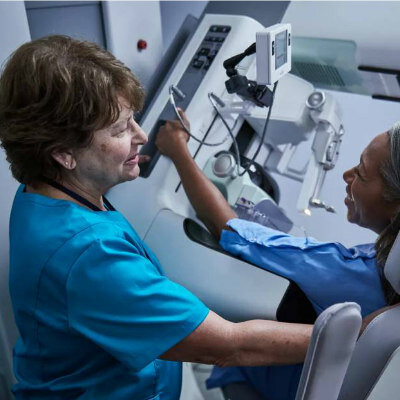

Biopsy Software
Affirm® Contrast
In Other News
Machine Learning Aids Diagnosis and Prognosis of Prostate Cancer Using MRI
Oxygen-Enhanced MRI Technology Allows Cancer Doctors to See Inside Tumors
Non-Invasive MR Elastography Could Provide Alternative to Liver Biopsy in Obese Patients
New Tool Images Uterine Contractions in Real Time to Identify High-Risk Pregnancies
World's First Whole-Body Ultra-High Field 5.0T MRI Visualizes Previously Unseen Anatomical Structures
AR System Enables Free-Hand, Real-Time Needle Guidance for Prostate Cancer Diagnosis
Enhanced Ultrasound Superior to MRI for Diagnosing Certain Liver and Kidney Tumors
Ultrafast MRI Predicts DCIS Upgrade to Invasive Cancer at Breast Surgery
World-First Benchmark for Measuring Brain Atrophy Created Using `Fake` MRIs Developed via AI
New MRI Method Automatically Detects Placental Health during Pregnancy
AI-Guided Image Acquisition Software Significantly Reduces Cardiac MRI Scan Time
MRI Far Superior in Cancer Detection than Hand-Held & Automated Ultrasound and DBT
Accelerated MRI with AI Image Reconstruction Nearly Halves Scan Times (MI-MRI)
Machine Learning Analyzes MRI Data to Predict Brain Tumor Progression
AI Algorithm Identifies MRI Scanner Malfunctions
Magnetic Resonance Imaging (MRI) Halves Risk of Prostate Cancer Overdiagnosis
Use of High-Temperature Superconductors to Make MR Imaging More Affordable, Accessible and Sustainable
Novel Technology Designed to Increase MRI Speeds Could Lead to Faster Scans
Combined ECG and Cardiac Imaging-Derived Radiomics Model Improves Detection of AF in Women
Non-Invasive 3D Imaging System Enables Physicians to Identify Origin of Arrhythmias Pre-Procedure
MRI Technology to Visualize Metabolic Processes in Real Time Could Improve Heart Disease Diagnosis
PET/MRI Machine Learning Model Eliminates Sentinel Lymph Node Biopsy in Most Breast Cancer Patients
MRI-Guided Focused Ultrasound Procedure Offers Long-Term Relief for Patients with Essential Tremor


MedImaging's MRI channel in addition to reporting on MR hardware, informs about the many magnetic resonance applications possible with the technique notably MRI, fMRI, diffusion MRI, MR angiography, MR guided surgery, in addition to industry developments, and safety issues.