


Most Radiologists Want to Adopt AI Tools into Clinical Practice, Finds Study
|
By MedImaging International staff writers Posted on 17 Aug 2022 |


|

Artificial intelligence (AI) may improve cancer detection and risk prediction during mammography screening, but radiologists’ preferences regarding its characteristics and implementation are unknown. Now, a new study into radiologists’ preferences pertaining to the use of AI as a support tool for cancer detection and risk prediction during mammography screening has found that up to 60% of radiologists intend to adopt AI tools into clinical practice in the near future.
Through qualitative interviews with radiologists, investigators at the University of Washington (Seattle, WA, USA) and Seattle Cancer Care Alliance (Seattle, WA, USA) identified five primary attributes for AI-based breast cancer detection and four for breast cancer risk prediction. The team developed a discrete choice experiment (DCE) based on these attributes and invited 150 U.S.-based radiologists to participate. Each respondent made eight choices for each tool between three alternatives: two hypothetical AI-based tools versus screening without AI. The investigators analyzed sample-wide preferences using random parameters logit models and identified subgroups with latent class models. The respondents (N=66; 44% response rate) were from six diverse practice settings across eight states.
The investigators found that the radiologists were more interested in AI for cancer detection when sensitivity and specificity were balanced (94% sensitivity with <25% of examinations marked) and AI mark-up appeared at the end of the hanging protocol after radiologists complete their independent review. For AI-based risk prediction, the radiologists preferred AI models using both mammography images and clinical data. Overall, 46-60% intended to adopt any of the AI tools presented in the study; 26-33% approached AI enthusiastically but were deterred if the features did not align with their preferences. Based on these findings, the investigators concluded that although most radiologists want to use AI-based decision support, short-term uptake may be maximized by implementing tools that meet the preferences of dissuadable users.
Related Links:
University of Washington
Seattle Cancer Care Alliance






Latest General/Advanced Imaging News
- Whole-Body PET/CT Tracks Metabolic Changes After Bariatric Surgery
- PET Tracer Localizes Overactive Adrenal Glands in Primary Aldosteronism
- Multimodal AI Tool Combines CT and Health Records to Predict Heart Risk
- AI Tool Automates Radiotherapy Planning for Cervical and Prostate Cancer
- New Proton Therapy Platform Integrates into Existing Radiotherapy Departments
- 3D-Printed Intraoral Device Enhances Head and Neck Radiotherapy Accuracy
- Molecular Imaging Agent Shows Promise for Endometriosis Detection and Monitoring
- Automated AI Tool Detects Early Pancreatic Cancer on Routine CT
- Routine Cardiac CT Enhanced to Predict Heart Failure Risk
- New Breast Imaging Viewer Unifies Modalities and Enhances Clinical Workflow
- Radiomics Analysis of CT Scans Enhances Evaluation of Sarcoidosis
- Hybrid AI System Improves Early Lung Cancer Detection on CT
- AI Tool Predicts Side Effects from Lung Cancer Treatment
- AI Tool Offers Prognosis for Patients with Head and Neck Cancer
- New 3D Imaging System Addresses MRI, CT and Ultrasound Limitations
- AI-Based Tool Predicts Future Cardiovascular Events in Angina Patients
Channels
Radiography
view channel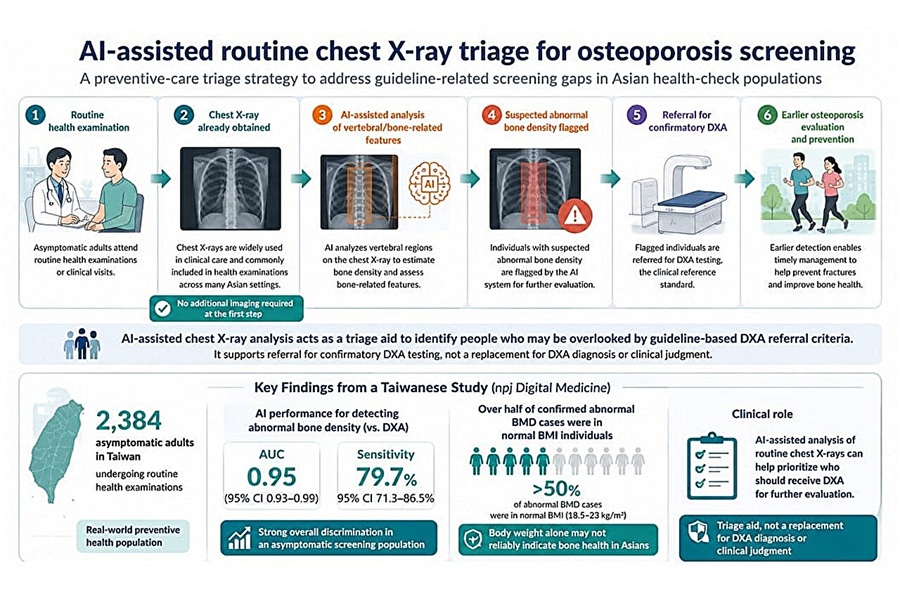
AI Tool Flags Osteoporosis Risk from Routine Chest X-Rays
Osteoporosis is a progressive loss of bone density that is often silent until a fracture occurs. Current screening frameworks concentrate on older women and select high-risk groups. Many men, younger adults,... Read more
Simple Chest X-Ray Measure Predicts Survival After Lung Cancer Surgery
Obstructive ventilatory disorder, marked by airflow limitation that reduces breathing efficiency, increases postoperative risk in patients with lung cancer. Although surgery offers the best chance of cure,... Read more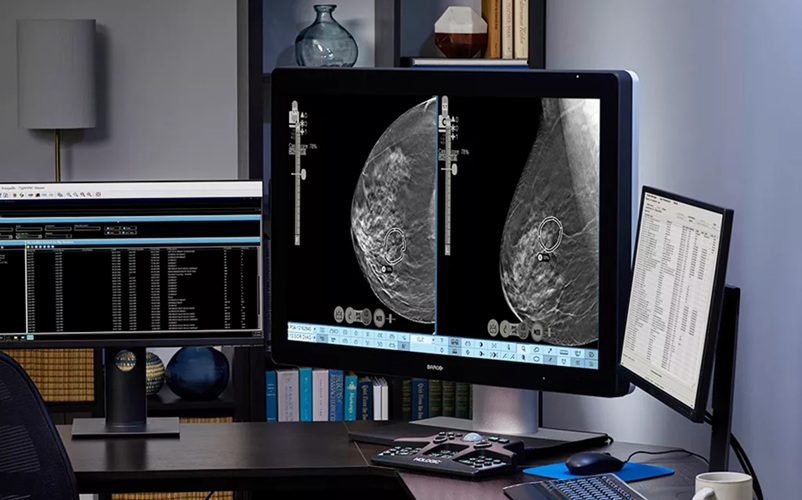

MRI
view channel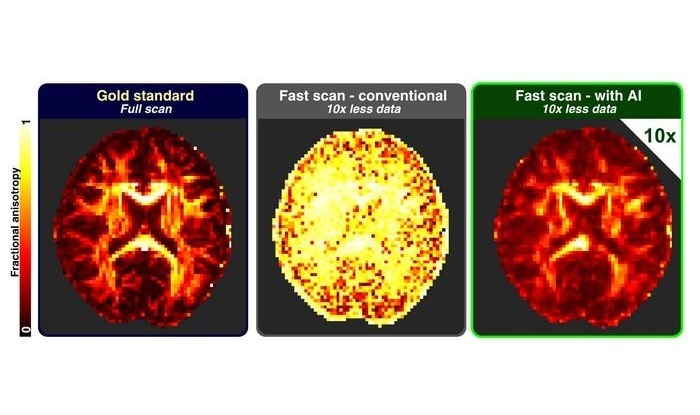
AI Approach Could Shorten Advanced Brain MRI Scans by Up to 90%
Long acquisition times for advanced brain magnetic resonance imaging (MRI) can limit access, extend waiting lists, and disrupt clinical workflows. Reducing data requirements without sacrificing image fidelity... Read more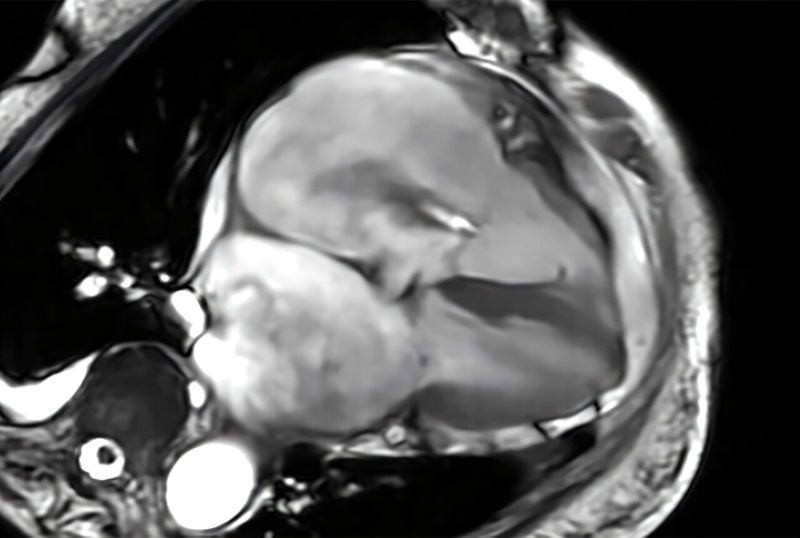
Cardiac MRI Measure Improves Risk Prediction in Tricuspid Regurgitation
Tricuspid regurgitation, in which blood flows back from the right ventricle into the right atrium, can lead to progressive right-sided heart failure. Clinicians need reliable ways to gauge severity and... Read more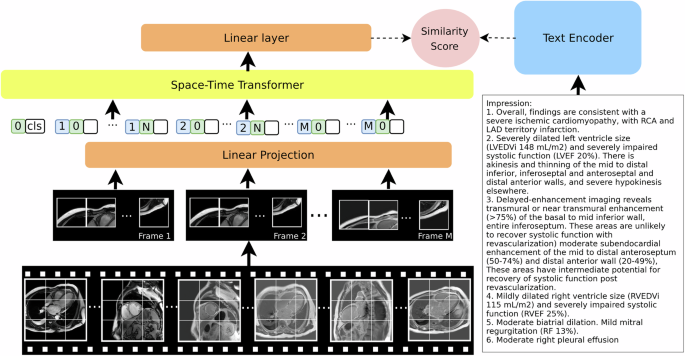

Ultrasound
view channel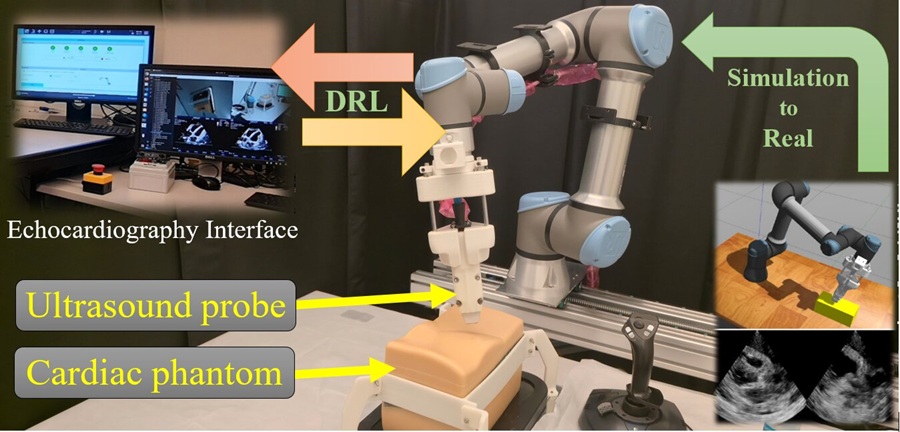
AI Robotic Ultrasound System Automates Echocardiography and Improves Consistency
Echocardiography, an ultrasound examination of the heart, is central to diagnosing and managing cardiovascular disease. Many services struggle with limited availability of skilled sonographers, variable... Read more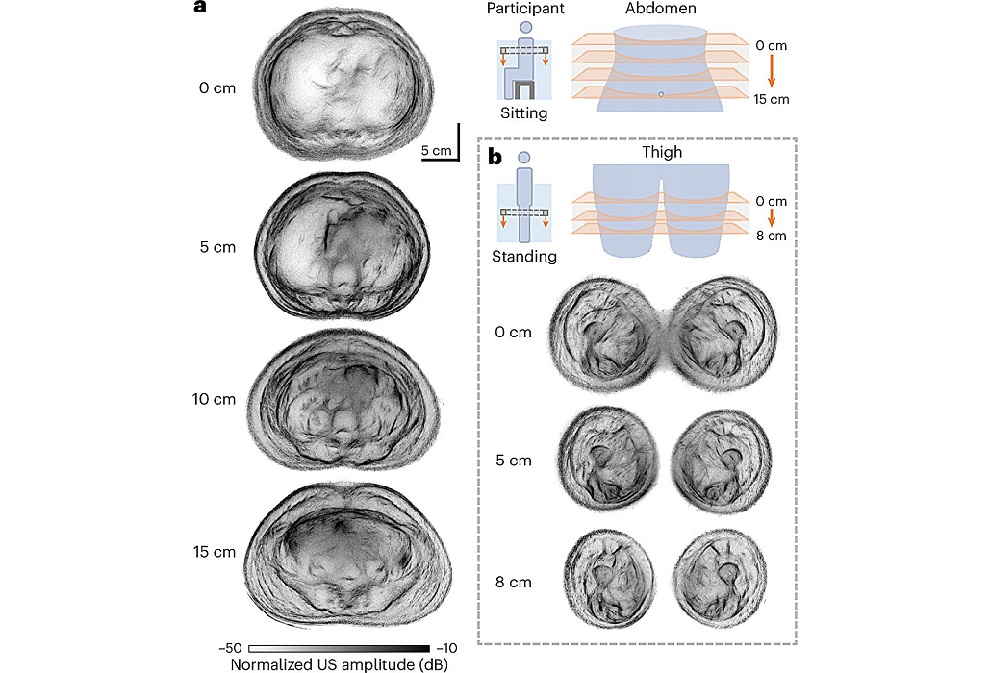
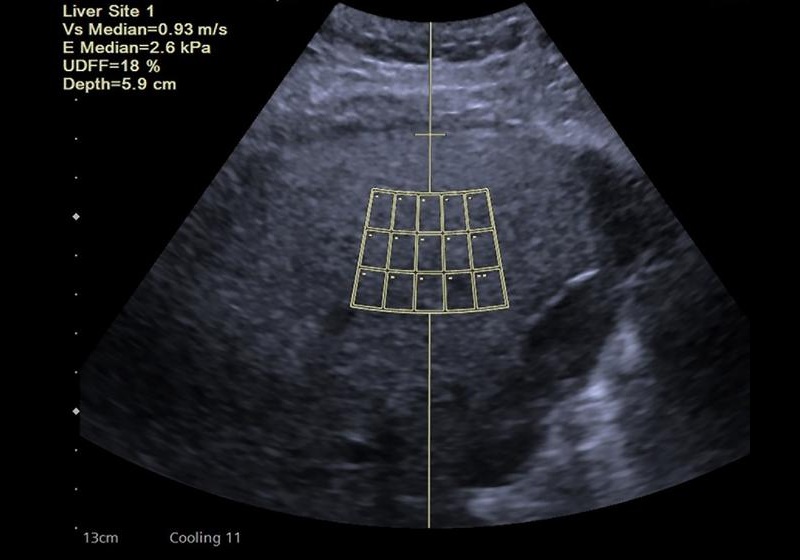
Whole Cross-Section Ultrasound System Enables Operator-Independent Imaging
Conventional ultrasound is central to bedside imaging but is limited by a narrow field of view and operator variability. Comprehensive cross-sectional assessment typically requires computed tomography... Read more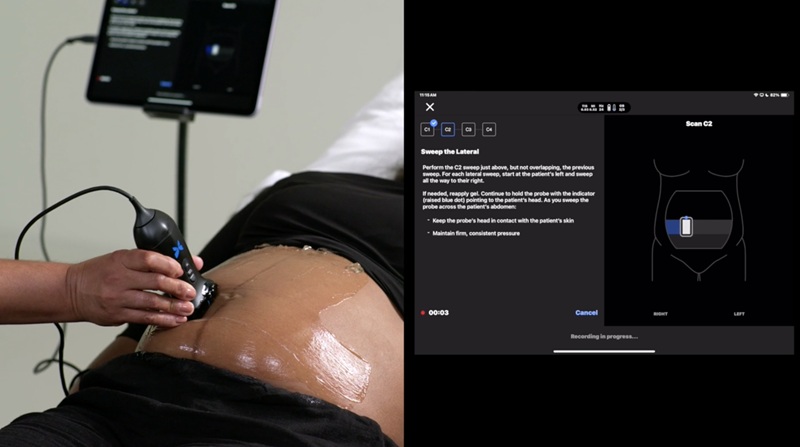
Nuclear Medicine
view channel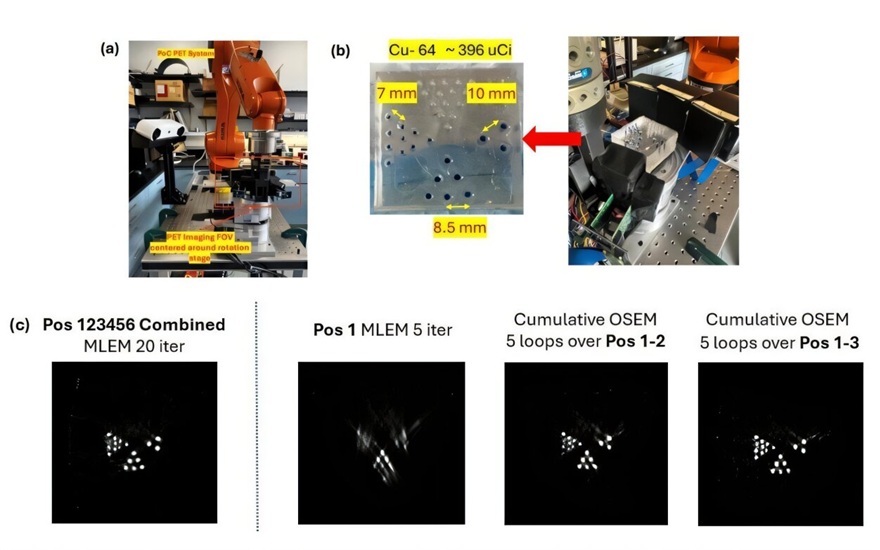
Portable PET System Enables Real-Time Bedside Guidance for Biopsies and Ablations
Interventional radiology procedures typically rely on ultrasound, X-ray fluoroscopy, or computed tomography for image guidance. These modalities visualize anatomy but offer limited molecular information,... Read more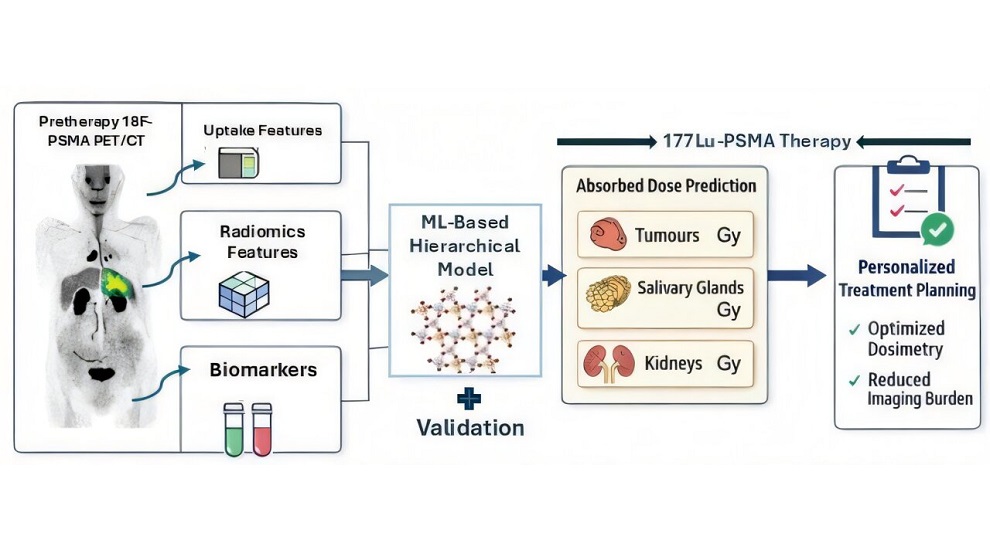
AI Model Predicts Radiation Dose Before Prostate Cancer Therapy
Metastatic castration-resistant prostate cancer (mCRPC) is an advanced form of disease that progresses despite androgen-deprivation therapy and frequently spreads to bone and visceral organs.... Read more
Imaging IT
view channel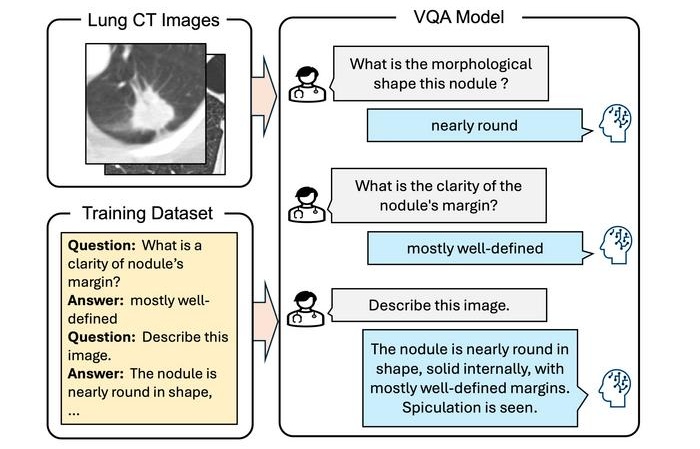
Interactive AI Tool Supports Explainable Lung Nodule Assessment
Lung cancer is a leading cause of cancer mortality, and timely characterization of pulmonary nodules on chest computed tomography (CT) is essential for directing care. Interpreting nodule morphology demands... Read more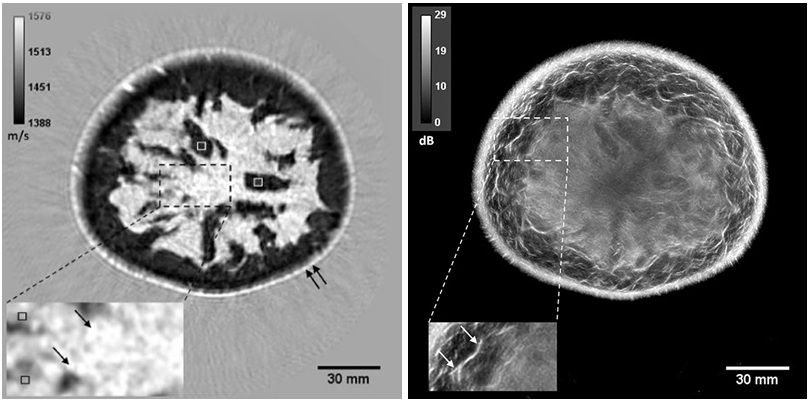
Breast Imaging Software Enhances Visualization and Tissue Characterization in Challenging Cases
Breast imaging can be particularly challenging in cases involving small breasts or implants, where image reconstruction and tissue characterization may be limited. Clinicians also need reproducible analysis... Read more
New Google Cloud Medical Imaging Suite Makes Imaging Healthcare Data More Accessible
Medical imaging is a critical tool used to diagnose patients, and there are billions of medical images scanned globally each year. Imaging data accounts for about 90% of all healthcare data1 and, until... Read more
Global AI in Medical Diagnostics Market to Be Driven by Demand for Image Recognition in Radiology
The global artificial intelligence (AI) in medical diagnostics market is expanding with early disease detection being one of its key applications and image recognition becoming a compelling consumer proposition... Read moreIndustry News
view channel
GE HealthCare Showcases AI-Enabled Nuclear Medicine Portfolio at SNMMI 2026
Nuclear medicine is expanding rapidly as health systems adopt theranostics and broaden access to radiopharmaceuticals, increasing demand for scalable operations and consistent diagnostic confidence.... Read more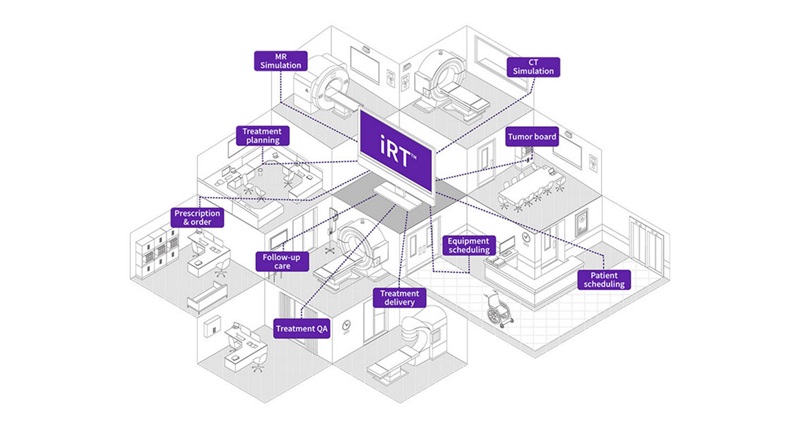
GE HealthCare Highlights AI-Supported Radiation Therapy Tools at ESTRO 2026
At the European Society for Radiotherapy and Oncology (ESTRO) 2026 Congress in Stockholm, GE HealthCare is highlighting Intelligent Radiation Therapy (iRT), MIM Software innovations, and BK Medical surgical... Read more