


Portable DR Systems Integrated with Automated Chest X-Ray AI to Enhance Diagnostic Capabilities
|
By MedImaging International staff writers Posted on 13 Jun 2022 |


|
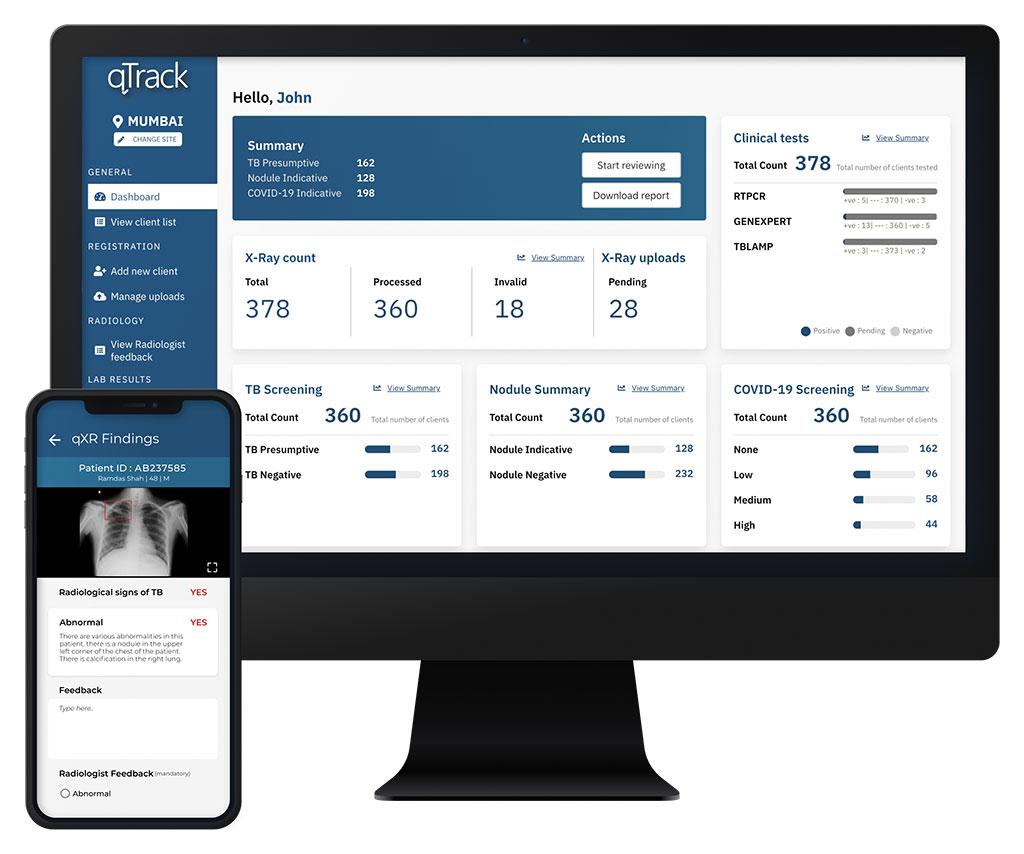
MinXray, Inc. (Northbrook, IL, USA) has further enhanced the diagnostic capabilities of its digital radiography systems with the addition of qXR Automated Chest X-ray AI Solution from Qure AI (Mumbai, India). The new artificial intelligence (AI) software can detect and localize 30 chest X-ray abnormalities, including TB and changes indicative of COVID-19 infections.
Available on the CMDR Series portable digital radiography systems, and the Impact battery-powered portable digital radiography system, the qXR module is loaded directly on the system laptop, with no additional hardware required. X-ray exposure to AI report interpretation occurs in less than 60 seconds. As a chest X-ray screening tool, qXR can detect signs of pulmonary, hilar, and pleural tuberculosis. The AI algorithm for qXR is trained to detect not only classic primary pulmonary TB, but also atypical manifestations. It can be used to also screen for COPD, lung malignancies in high-risk populations, and certain cardiac disorders. Both systems also include qTrack from Qure.ai, an end-to-end disease management tool that specializes in respiratory disease such and COVID-19 and TB.
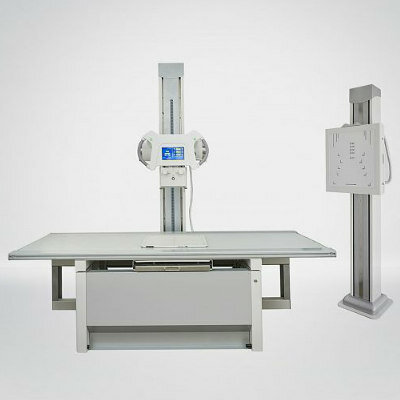
MinXray’s Impact with qXR AI Solution offers a complete battery-powered digital radiography system in a single, portable package. This compact system includes MinXray’s TR90BH battery-powered X-ray generator, wireless CsI Flat Panel DR Detector, laptop with MinXView DICOM 3.0 compliant image acquisition software with qXR from Qure.ai. The system is easily transported even in the most remote locations with total system setup in less than one minute.
“qXR is being used worldwide for TB screenings,” said Mike Cairnie, MinXray’s Director of Global Sales. “We see that automated chest X-ray reads has become a valuable diagnostic tool; helping more doctors fast-track confirmation of TB in patients. With the prevalence of TB and a lack of physicians needed to interpret chest X-rays in a timely manner, AI increases the capacity for faster and earlier detection.”
Related Links:
MinXray, Inc.
Qure AI




 Guided Devices.jpg)



Latest Radiography News
- AI Tool Flags Osteoporosis Risk from Routine Chest X-Rays
- Simple Chest X-Ray Measure Predicts Survival After Lung Cancer Surgery
- AI Detection Tool Improves Identification of Lobular Breast Cancer
- New Contrast Agent Enables Low-Dose X-Ray Joint Imaging
- AI Boosts Breast Cancer Detection and Cuts Screening Workload
- AI Tool Predicts Breast Cancer Risk Years Ahead Using Routine Mammograms
- Routine Mammograms Could Predict Future Cardiovascular Disease in Women
- AI Detects Early Signs of Aging from Chest X-Rays
- X-Ray Breakthrough Captures Three Image-Contrast Types in Single Shot
- AI Generates Future Knee X-Rays to Predict Osteoarthritis Progression Risk
- AI Algorithm Uses Mammograms to Accurately Predict Cardiovascular Risk in Women
- AI Hybrid Strategy Improves Mammogram Interpretation
- AI Technology Predicts Personalized Five-Year Risk of Developing Breast Cancer
- RSNA AI Challenge Models Can Independently Interpret Mammograms
- New Technique Combines X-Ray Imaging and Radar for Safer Cancer Diagnosis
- New AI Tool Helps Doctors Read Chest X‑Rays Better
Channels
MRI
view channel
AI Approach Could Shorten Advanced Brain MRI Scans by Up to 90%
Long acquisition times for advanced brain magnetic resonance imaging (MRI) can limit access, extend waiting lists, and disrupt clinical workflows. Reducing data requirements without sacrificing image fidelity... Read more
Cardiac MRI Measure Improves Risk Prediction in Tricuspid Regurgitation
Tricuspid regurgitation, in which blood flows back from the right ventricle into the right atrium, can lead to progressive right-sided heart failure. Clinicians need reliable ways to gauge severity and... Read more

Ultrasound
view channel
AI Robotic Ultrasound System Automates Echocardiography and Improves Consistency
Echocardiography, an ultrasound examination of the heart, is central to diagnosing and managing cardiovascular disease. Many services struggle with limited availability of skilled sonographers, variable... Read more
Whole Cross-Section Ultrasound System Enables Operator-Independent Imaging
Conventional ultrasound is central to bedside imaging but is limited by a narrow field of view and operator variability. Comprehensive cross-sectional assessment typically requires computed tomography... Read more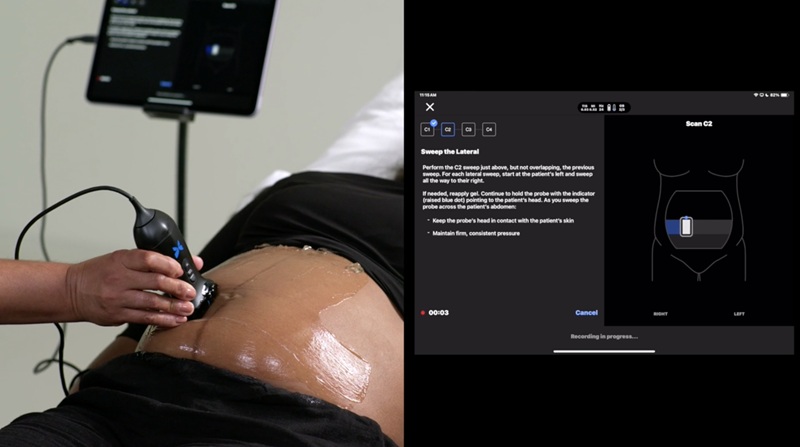
Nuclear Medicine
view channel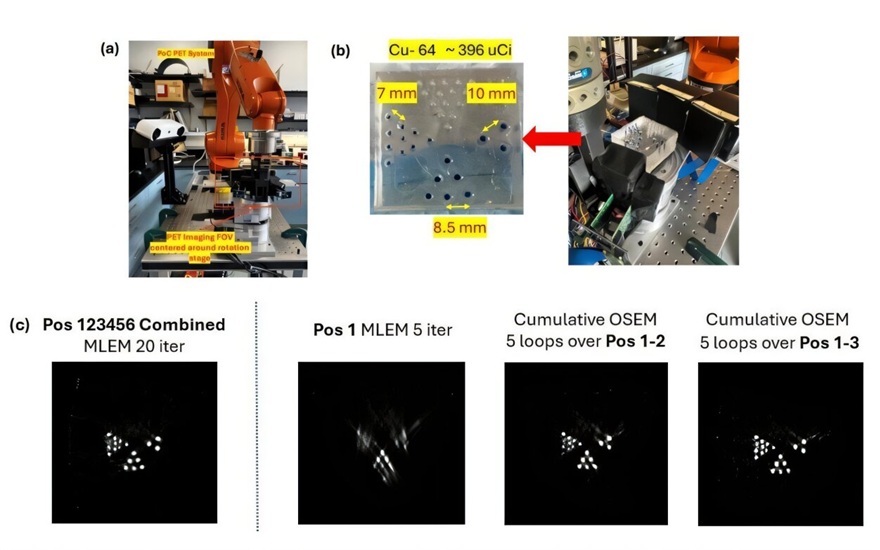
Portable PET System Enables Real-Time Bedside Guidance for Biopsies and Ablations
Interventional radiology procedures typically rely on ultrasound, X-ray fluoroscopy, or computed tomography for image guidance. These modalities visualize anatomy but offer limited molecular information,... Read more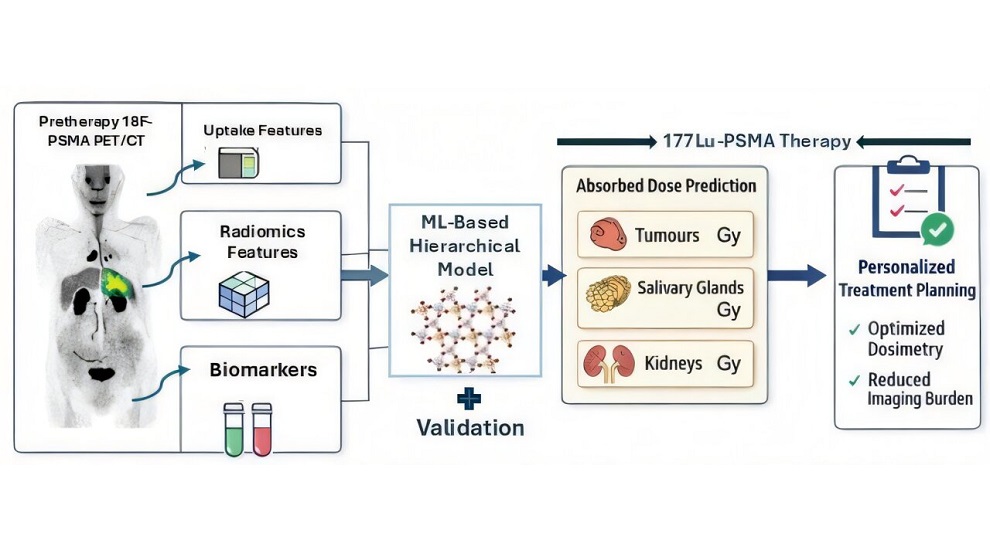
AI Model Predicts Radiation Dose Before Prostate Cancer Therapy
Metastatic castration-resistant prostate cancer (mCRPC) is an advanced form of disease that progresses despite androgen-deprivation therapy and frequently spreads to bone and visceral organs.... Read more
General/Advanced Imaging
view channel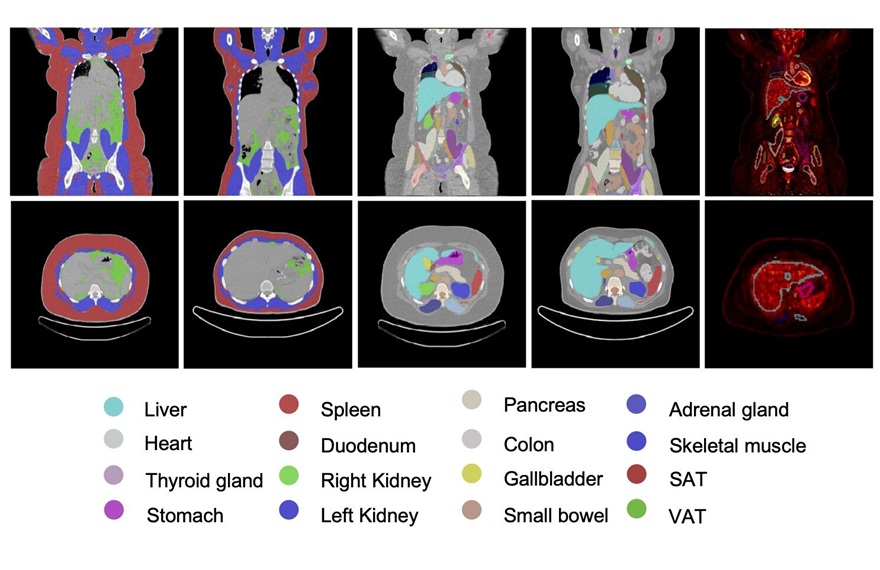
Whole-Body PET/CT Tracks Metabolic Changes After Bariatric Surgery
Obesity surgery improves weight and comorbidity profiles, yet clinicians lack tools to monitor organ-level metabolic recovery after the procedure. A clear view of systemic changes could refine follow-up... Read more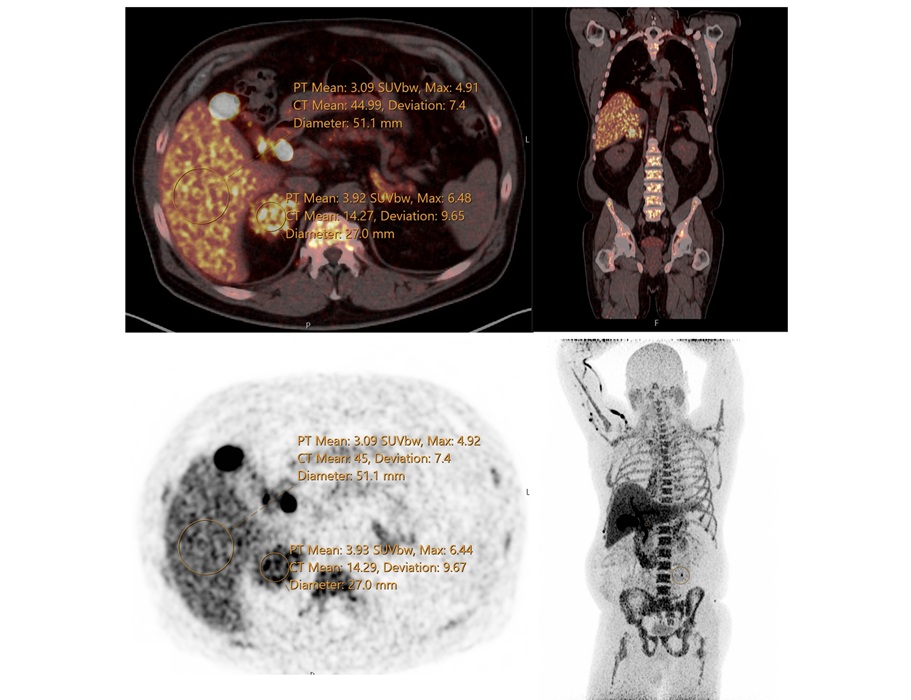
PET Tracer Localizes Overactive Adrenal Glands in Primary Aldosteronism
Primary aldosteronism (Conn’s syndrome) is the leading cause of curable secondary hypertension and results from excess aldosterone produced by the adrenal cortex. Determining whether hormone overproduction... Read more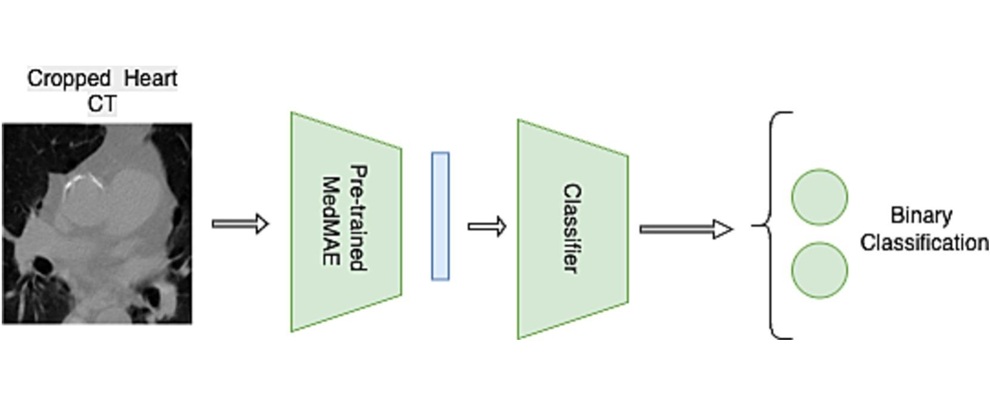
Imaging IT
view channel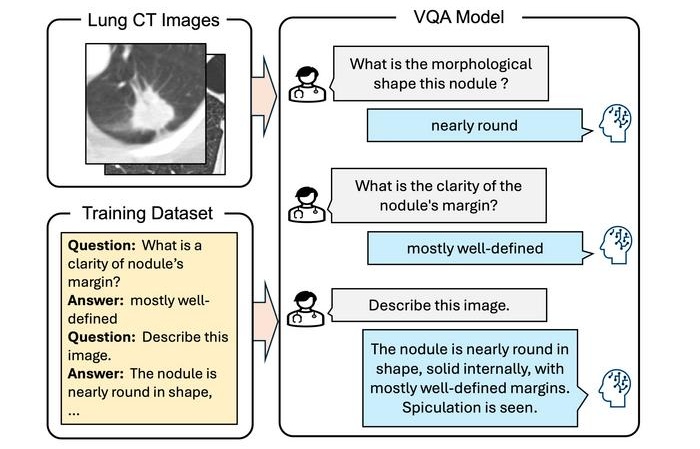
Interactive AI Tool Supports Explainable Lung Nodule Assessment
Lung cancer is a leading cause of cancer mortality, and timely characterization of pulmonary nodules on chest computed tomography (CT) is essential for directing care. Interpreting nodule morphology demands... Read more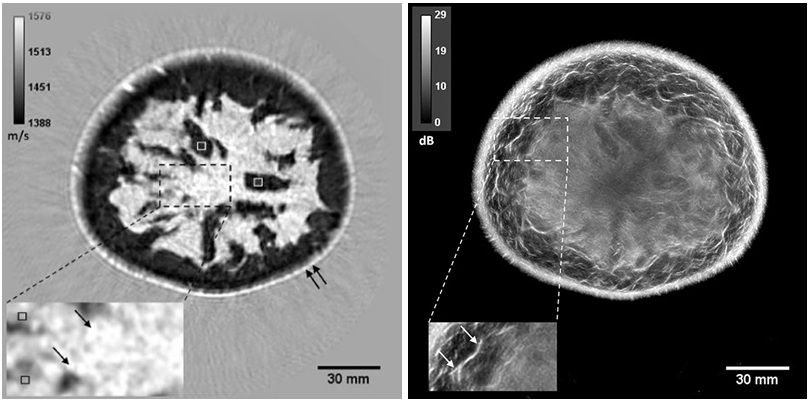
Breast Imaging Software Enhances Visualization and Tissue Characterization in Challenging Cases
Breast imaging can be particularly challenging in cases involving small breasts or implants, where image reconstruction and tissue characterization may be limited. Clinicians also need reproducible analysis... Read more
New Google Cloud Medical Imaging Suite Makes Imaging Healthcare Data More Accessible
Medical imaging is a critical tool used to diagnose patients, and there are billions of medical images scanned globally each year. Imaging data accounts for about 90% of all healthcare data1 and, until... Read more
Global AI in Medical Diagnostics Market to Be Driven by Demand for Image Recognition in Radiology
The global artificial intelligence (AI) in medical diagnostics market is expanding with early disease detection being one of its key applications and image recognition becoming a compelling consumer proposition... Read moreIndustry News
view channel
GE HealthCare Showcases AI-Enabled Nuclear Medicine Portfolio at SNMMI 2026
Nuclear medicine is expanding rapidly as health systems adopt theranostics and broaden access to radiopharmaceuticals, increasing demand for scalable operations and consistent diagnostic confidence.... Read more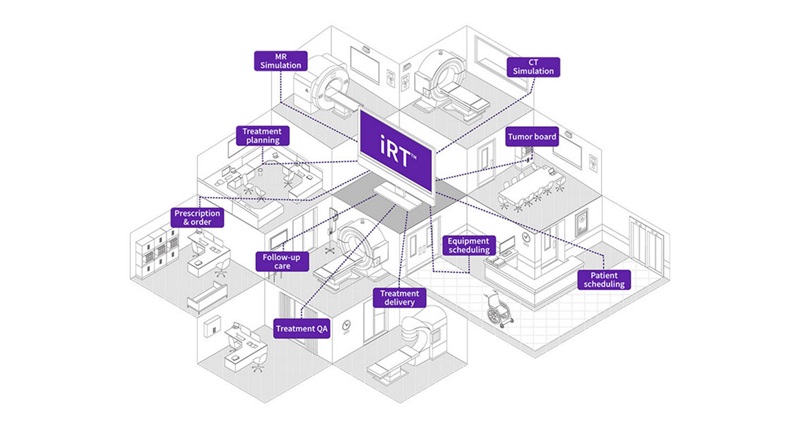
GE HealthCare Highlights AI-Supported Radiation Therapy Tools at ESTRO 2026
At the European Society for Radiotherapy and Oncology (ESTRO) 2026 Congress in Stockholm, GE HealthCare is highlighting Intelligent Radiation Therapy (iRT), MIM Software innovations, and BK Medical surgical... Read more