


Endoscope Visualization System Eases Colonoscopy Procedures
|
By MedImaging International staff writers Posted on 06 Dec 2021 |


|
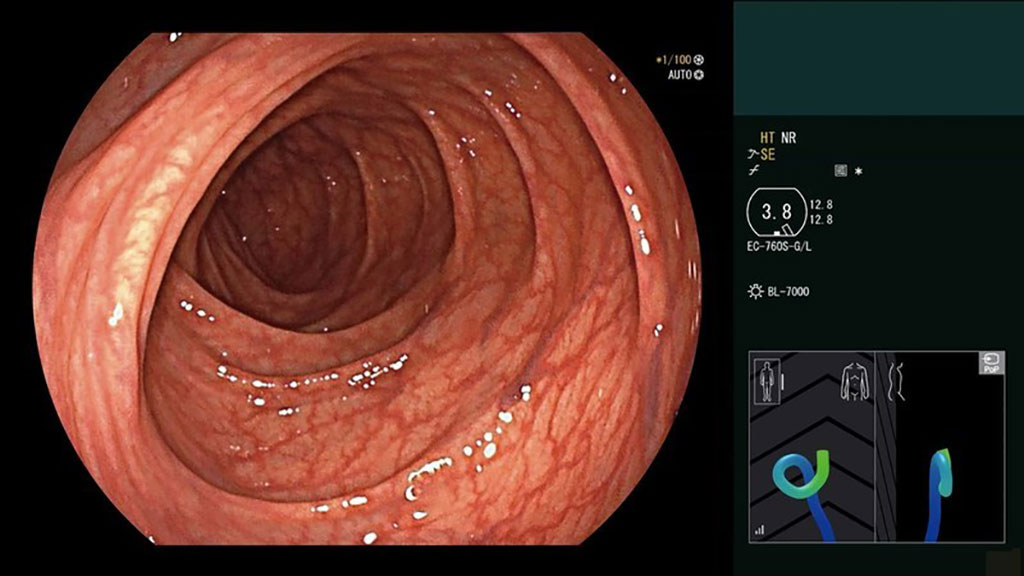
Image: The ColoAssist PRO endoscope visualization system (Photo courtesy of Fujifilm Medical Systems)
A real-time graphical representation system assists endoscopists to efficiently and accurately maneuver a colonoscope inside the patient.
The Fujifilm Medical Systems (Tokyo, Japan) ColoAssist PRO endoscope visualization system is based on electromagnetic coils (integrated within the transceiver dish), which generate an electromagnetic field that is received by other coils incorporated within the dedicated colonoscope . The positioning data is then used determine the location of the endoscope's coil inside the patient and reproduce a graphical model of the endoscope, alongside the physicians endoscopic view.
Features include a user-friendly interface with an image centering function, allowing endoscopists to perform procedures without losing sight of the graphical endoscope position. ColoAssist PRO also provides a color graduation function that enables better identification of overlapping sections of the endoscope--such as loop formations--to safely maneuver the endoscope throughout the procedure, potentially avoiding discomfort for the patient.
“Colonoscopy can be complicated and tiresome for endoscopists, while it can also be uncomfortable for patients,” said Mat Tallis, European business manager at FujiFilm Europe. “ColoAssist PRO has the potential to increase confidence and efficiency of endoscopists, by enabling the identification of loop formations, enabling better decision making by the endoscopist, and subsequently reduce the patient burden during the procedures. It also has the potential to decrease the time needed for an endoscopy.”
“ELUXEO Ultra ColoAssist PRO offers the ability to maneuver the colonoscope more easily and clearly during the procedure, and I believe this is beneficial to maintain comfort and help reduce use of sedation,” said Robert Berger, MD, director of endoscopy at the Moncton Hospital (Canada). “In addition, ColoAssist PRO works well with the ELUXEO platform and CAD EYE, a colon polyp detection and characterization function utilizing AI technology, providing enhanced support to clinicians.”
Related Links:
Fujifilm Medical Systems





The Fujifilm Medical Systems (Tokyo, Japan) ColoAssist PRO endoscope visualization system is based on electromagnetic coils (integrated within the transceiver dish), which generate an electromagnetic field that is received by other coils incorporated within the dedicated colonoscope . The positioning data is then used determine the location of the endoscope's coil inside the patient and reproduce a graphical model of the endoscope, alongside the physicians endoscopic view.
Features include a user-friendly interface with an image centering function, allowing endoscopists to perform procedures without losing sight of the graphical endoscope position. ColoAssist PRO also provides a color graduation function that enables better identification of overlapping sections of the endoscope--such as loop formations--to safely maneuver the endoscope throughout the procedure, potentially avoiding discomfort for the patient.
“Colonoscopy can be complicated and tiresome for endoscopists, while it can also be uncomfortable for patients,” said Mat Tallis, European business manager at FujiFilm Europe. “ColoAssist PRO has the potential to increase confidence and efficiency of endoscopists, by enabling the identification of loop formations, enabling better decision making by the endoscopist, and subsequently reduce the patient burden during the procedures. It also has the potential to decrease the time needed for an endoscopy.”
“ELUXEO Ultra ColoAssist PRO offers the ability to maneuver the colonoscope more easily and clearly during the procedure, and I believe this is beneficial to maintain comfort and help reduce use of sedation,” said Robert Berger, MD, director of endoscopy at the Moncton Hospital (Canada). “In addition, ColoAssist PRO works well with the ELUXEO platform and CAD EYE, a colon polyp detection and characterization function utilizing AI technology, providing enhanced support to clinicians.”
Related Links:
Fujifilm Medical Systems

Digital Color Doppler Ultrasound System
MS22Plus
Diagnostic Ultrasound System
DC-80A
Digital Radiography System (Ceiling Free)
Digix CF Series
Computed Tomography System
Aquilion ONE / INSIGHT Edition
Latest General/Advanced Imaging News
- Virtual Staining Technique Creates Histology Images from CT Data
- CT-Derived Biomarker Predicts Outcomes in Gastric Cancer
- AI Tool Enhances Response Assessment and Survival Prediction in Pleural Mesothelioma
- AI Tool Enables Real-Time Diffuse Optical Tomography for Brain Lesion Detection
- New SPECT/CT Method Differentiates Inflammation from Fibrosis in Interstitial Lung Disease
- Whole-Body PET/CT Tracks Metabolic Changes After Bariatric Surgery
- PET Tracer Localizes Overactive Adrenal Glands in Primary Aldosteronism
- Multimodal AI Tool Combines CT and Health Records to Predict Heart Risk
- AI Tool Automates Radiotherapy Planning for Cervical and Prostate Cancer
- New Proton Therapy Platform Integrates into Existing Radiotherapy Departments
- 3D-Printed Intraoral Device Enhances Head and Neck Radiotherapy Accuracy
- Molecular Imaging Agent Shows Promise for Endometriosis Detection and Monitoring
- Automated AI Tool Detects Early Pancreatic Cancer on Routine CT
- Routine Cardiac CT Enhanced to Predict Heart Failure Risk
- New Breast Imaging Viewer Unifies Modalities and Enhances Clinical Workflow
- Radiomics Analysis of CT Scans Enhances Evaluation of Sarcoidosis
Channels
Radiography
view channel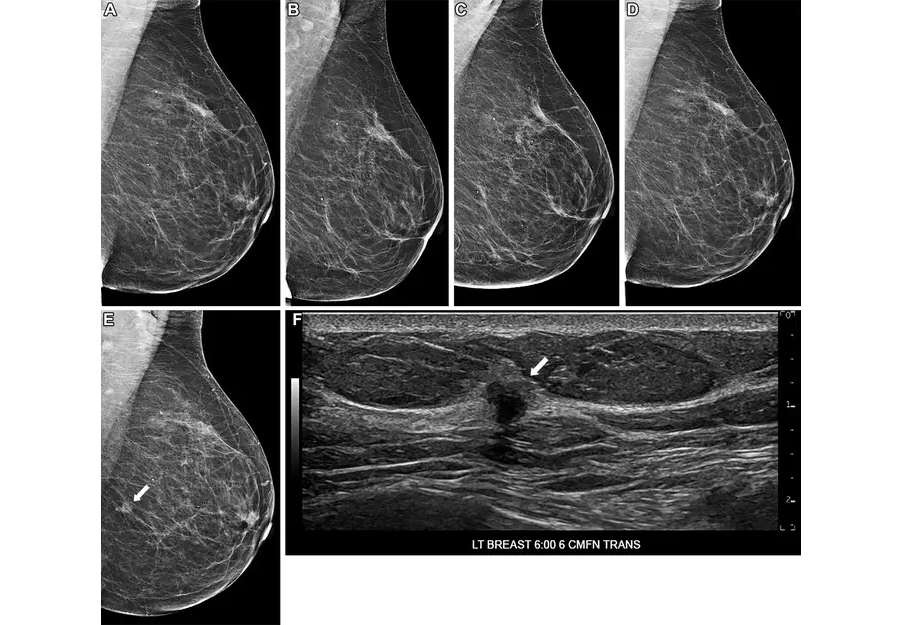
AI Tool Predicts Five-Year Breast Cancer Risk from Mammograms
Breast cancer risk assessment during routine screening is difficult because many women who develop the disease have no known genetic mutations or family history. Static risk tools provide limited discrimination... Read more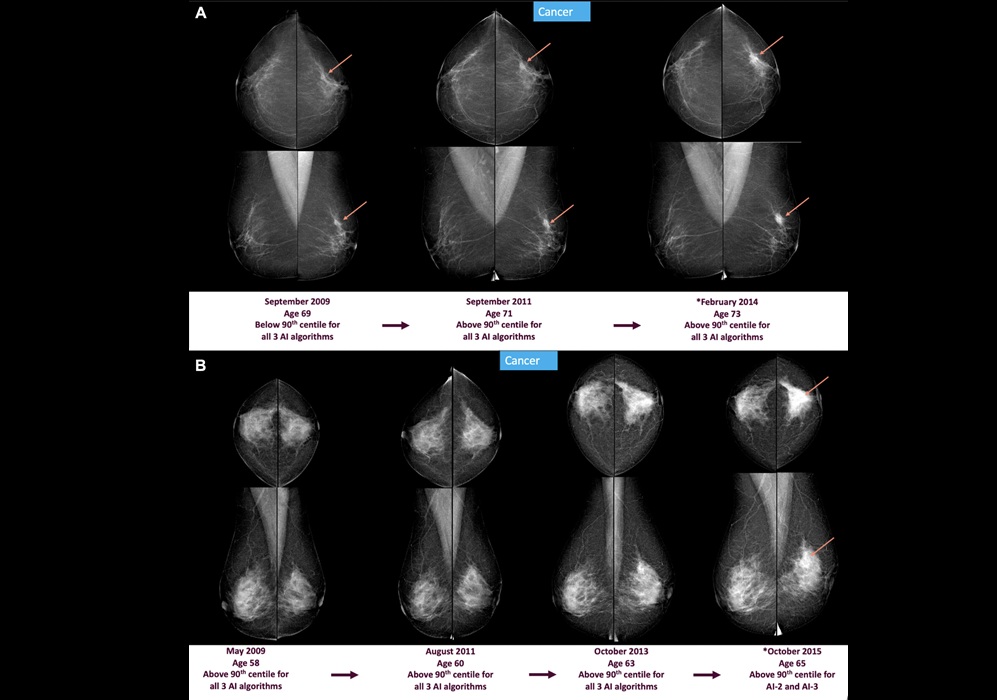
AI Mammography Tools Detect Early Breast Cancer Signs Years Before Diagnosis
Breast cancer screening aims to detect tumors before symptoms develop, but subtle mammographic changes can appear years before diagnosis and may be missed during routine reads. Delayed detection can lead... Read more
MRI
view channel
International Study Assesses AI for Prostate Cancer MRI Interpretation
Prostate cancer is a leading cause of cancer morbidity in men, and accurate early diagnosis hinges on expert interpretation of prostate magnetic resonance imaging (MRI). Rapid adoption of MRI-first pathways... Read more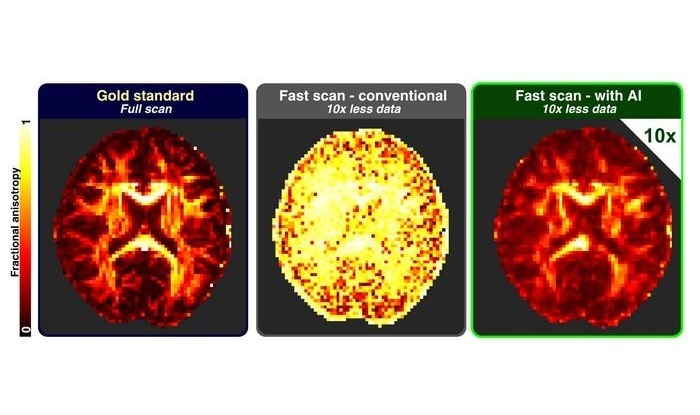
AI Approach Could Shorten Advanced Brain MRI Scans by Up to 90%
Long acquisition times for advanced brain magnetic resonance imaging (MRI) can limit access, extend waiting lists, and disrupt clinical workflows. Reducing data requirements without sacrificing image fidelity... Read more
Ultrasound
view channel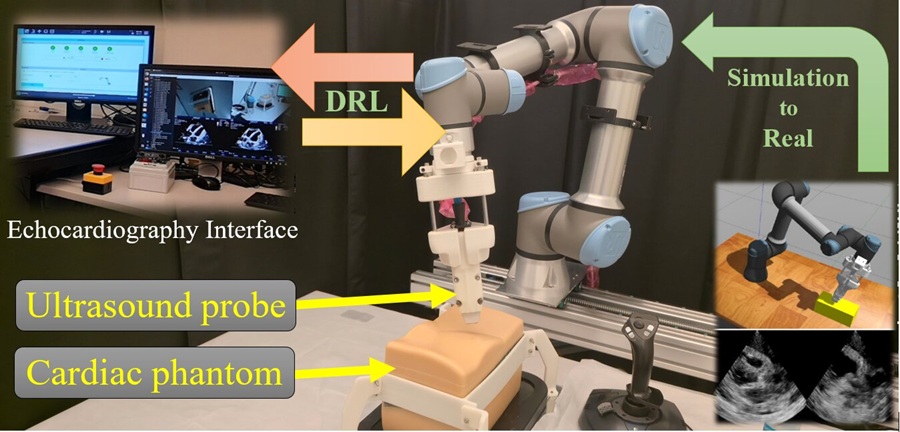
AI Robotic Ultrasound System Automates Echocardiography and Improves Consistency
Echocardiography, an ultrasound examination of the heart, is central to diagnosing and managing cardiovascular disease. Many services struggle with limited availability of skilled sonographers, variable... Read more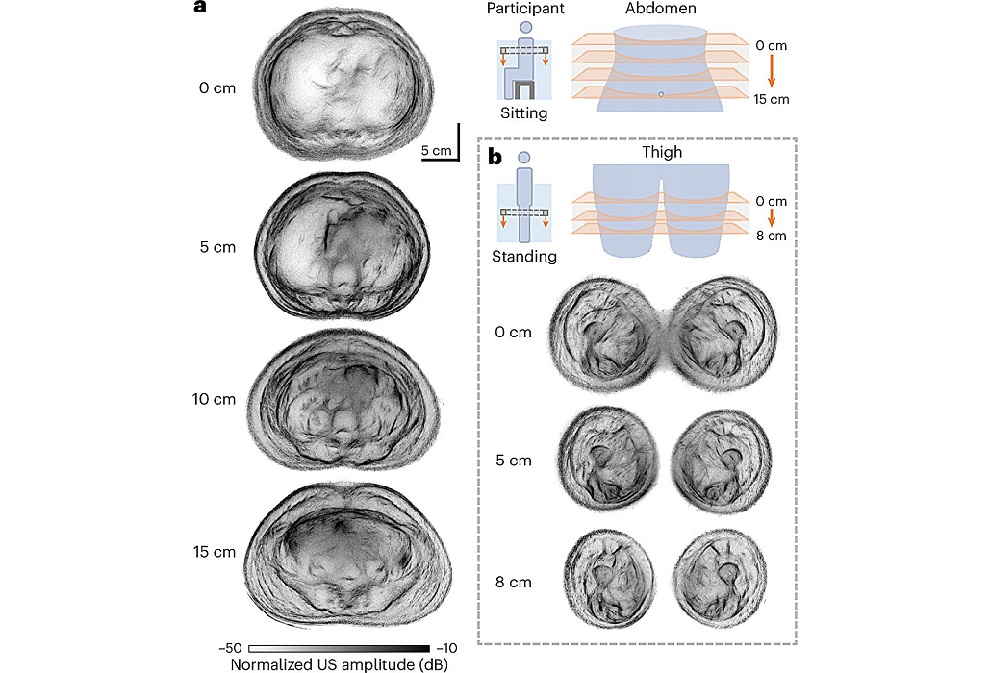
Whole Cross-Section Ultrasound System Enables Operator-Independent Imaging
Conventional ultrasound is central to bedside imaging but is limited by a narrow field of view and operator variability. Comprehensive cross-sectional assessment typically requires computed tomography... Read more
Nuclear Medicine
view channel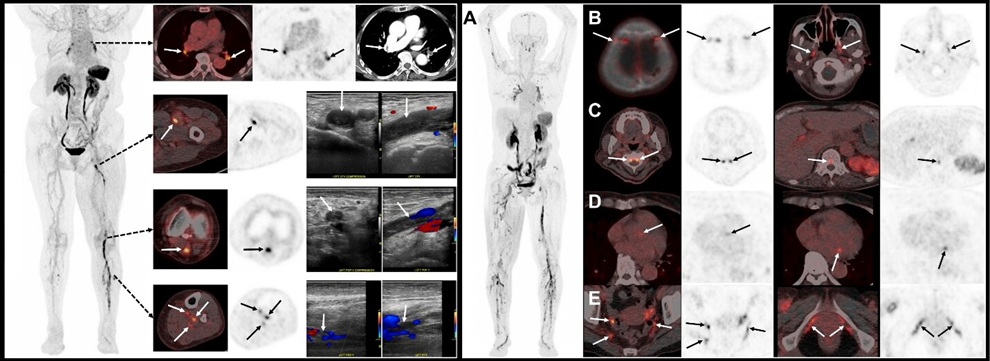
New PET Tracer Detects DVT and Pulmonary Embolism in One Scan
Deep vein thrombosis is the formation of clots in deep leg veins that can migrate to the lungs as pulmonary embolism. Rapid confirmation across both regions often requires multiple tests and can delay treatment.... Read more![Image: (A-C) Representative whole-body maximum-intensity projection images and regional fused PET/CT images from three histologically confirmed osteosarcoma patients who underwent paired [68Ga]Ga-B7-H3-BCH PET/CT and 18F-FDGE PET/CT within 7 days. (D) Multimodal imaging evaluation of patient 3, including X-ray, MRI (T2-weighted imaging, T2WI), CT, and B7-H3 PET/CT. (Photo courtesy of SNMMI)](https://globetechcdn.com/mobile_medicalimaging/images/stories/articles/article_images/2026-06-07/294811110_image_1.jpg "Image: (A-C) Representative whole-body maximum-intensity projection images and regional fused PET/CT images from three histologically confirmed osteosarcoma patients who underwent paired [68Ga]Ga-B7-H3-BCH PET/CT and 18F-FDGE PET/CT within 7 days. (D) Multimodal imaging evaluation of patient 3, including X-ray, MRI (T2-weighted imaging, T2WI), CT, and B7-H3 PET/CT. (Photo courtesy of SNMMI)")
Targeted PET Platform Guides Osteosarcoma Resection and Margin Verification
Osteosarcoma, an aggressive primary bone cancer that mainly affects children and adolescents, demands wide excision to prevent local recurrence. Surgeons must achieve negative margins while preserving... Read more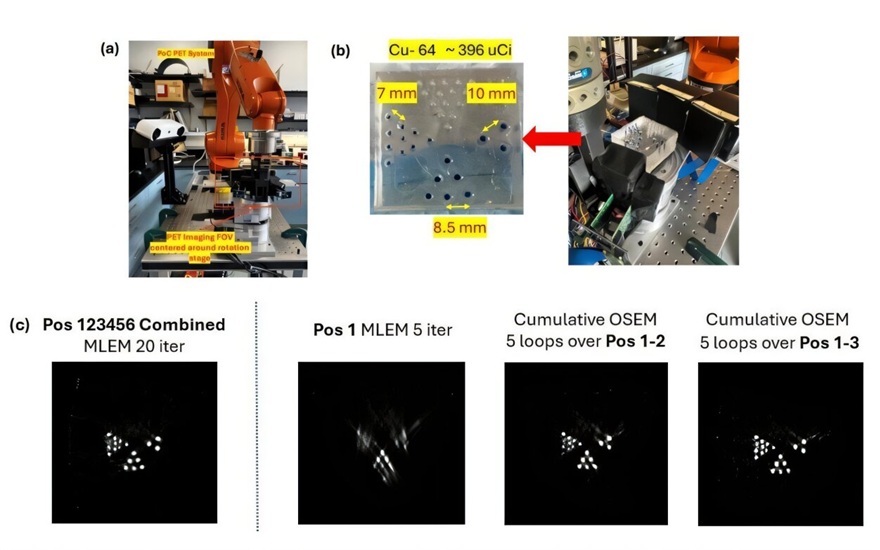
Imaging IT
view channel
Ambient AI Reporting Platform Streamlines Radiology Reporting
Radiology departments face growing imaging volumes and staffing shortages, creating reporting bottlenecks and pressure to maintain turnaround times. Conventional dictation tools document findings after... Read more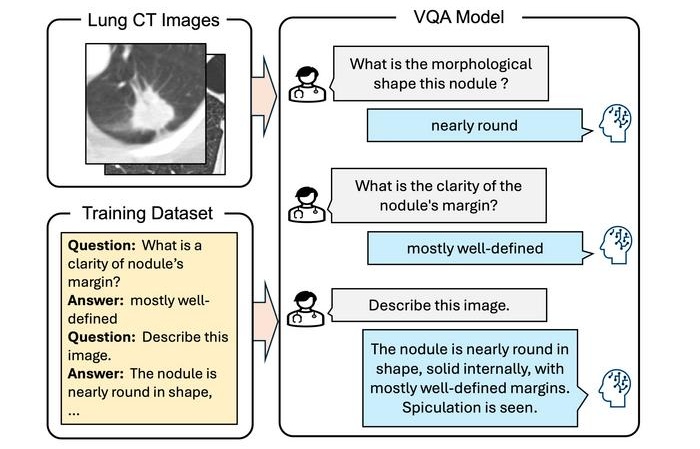
Interactive AI Tool Supports Explainable Lung Nodule Assessment
Lung cancer is a leading cause of cancer mortality, and timely characterization of pulmonary nodules on chest computed tomography (CT) is essential for directing care. Interpreting nodule morphology demands... Read more
Breast Imaging Software Enhances Visualization and Tissue Characterization in Challenging Cases
Breast imaging can be particularly challenging in cases involving small breasts or implants, where image reconstruction and tissue characterization may be limited. Clinicians also need reproducible analysis... Read more
Industry News
view channel
GE HealthCare Showcases AI-Enabled Nuclear Medicine Portfolio at SNMMI 2026
Nuclear medicine is expanding rapidly as health systems adopt theranostics and broaden access to radiopharmaceuticals, increasing demand for scalable operations and consistent diagnostic confidence.... Read more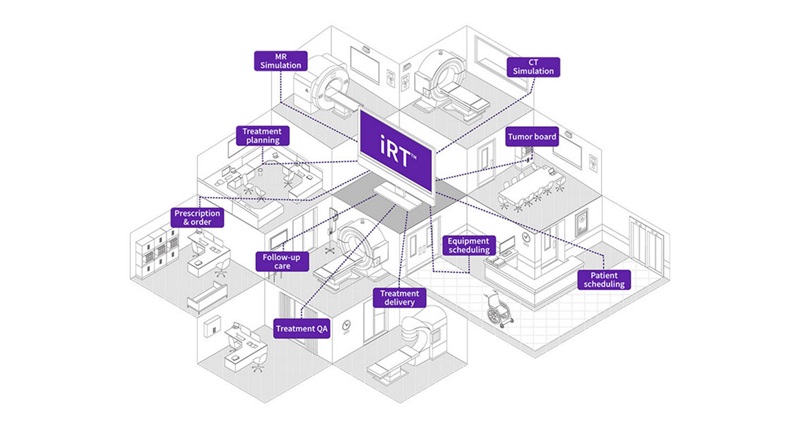
GE HealthCare Highlights AI-Supported Radiation Therapy Tools at ESTRO 2026
At the European Society for Radiotherapy and Oncology (ESTRO) 2026 Congress in Stockholm, GE HealthCare is highlighting Intelligent Radiation Therapy (iRT), MIM Software innovations, and BK Medical surgical... Read more