


Konica Minolta Launches New Solutions in Healthcare IT, X-Ray and Ultrasound Imaging at ECR 2021
|
By MedImaging International staff writers Posted on 04 Mar 2021 |


|
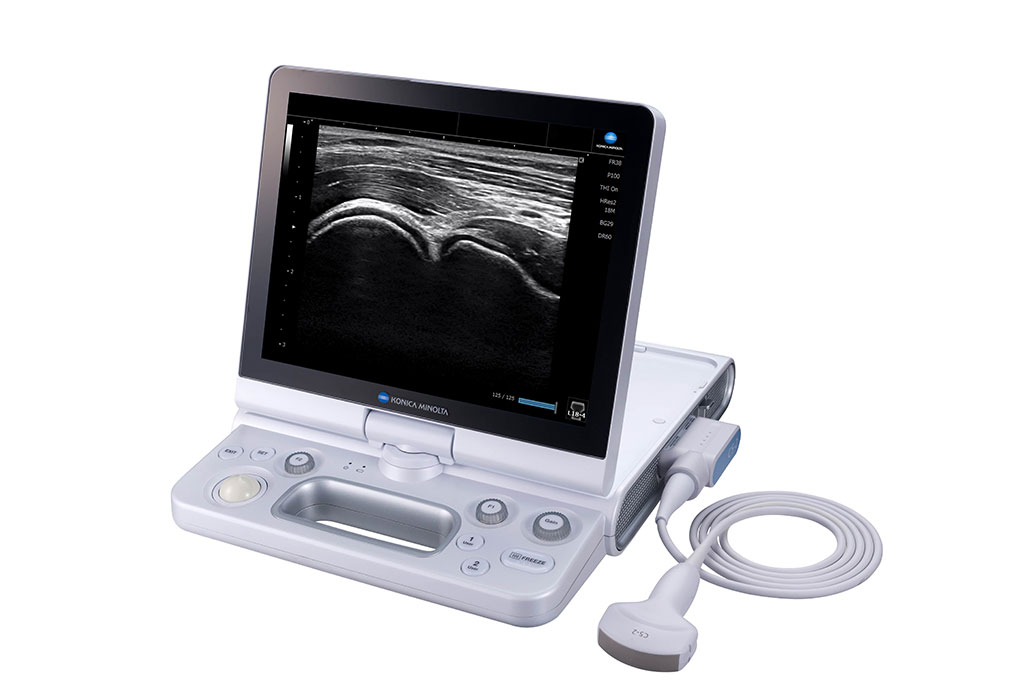
Image: Sonimage HS2 (Photo courtesy of Konica Minolta)
Konica Minolta (Tokyo, Japan) launched new solutions in healthcare IT, X-ray and ultrasound imaging at European Congress of Radiology (ECR) 2021 held in Vienna, Austria which is one of the world’s largest medical congresses and the second-largest radiological meeting.
Among the advances in healthcare IT unveiled by Konica Minolta at the European Congress of Radiology Virtual Exhibition from March 3-10, 2021 were the launch of AeroDR X90, a high-end auto positioning X-ray system, and Sonimage HS2, a premium portable ultrasound device, as well as Exa Enterprise Imaging offering full diagnostic toolsets and viewing capabilities.
Konica Minolta’s new X-ray system AeroDR X90 enables radiography professionals to examine more patients per day and shorten patient wait time by reducing the time to diagnosis, with the user-friendly AeroNAV software. The AeroDR X90 is a highly ergonomically designed system that will use auto-positioning, auto-tracking and auto-stitching to help drive an efficient workflow. AeroDR X90 auto stitching functionality reduces patient hold time and speeds up daily workflow. For the full auto stitching operation, up to four images can be stitched together for a long leg and full spine examination. When the patient is on a special stitching trolley, the detector automatically moves to the correct defined positions. The images are acquired just by pressing the X-ray button.
Another attraction for visitors to Konica Minolta’s booth was the new Sonimage HS2, a Point-of-Care ultrasound system that is designed to support a wide range of applications and patient types. Konica Minolta’s advanced technology features provide high resolution image quality and efficient workflow for daily clinical practice. Sonimage HS2 is the newest member of Konica Minolta’s Sonimage Ultrasound Product Family.
Additionally, Konica Minolta’s Exa Enterprise Imaging offers a diagnostic quality zero footprint universal viewer for DICOM and non-DICOM images, server-side rendering, for fast access to large files, such as 3D mammography, with no prefetching required and cybersecurity with no data transferred to or stored on workstations to minimize unwanted exposure to patient data. Exa offers full diagnostic toolsets and viewing capabilities from any computer including specific viewing toolsets for subspecialties like mammography, cardiology, and orthopedics.
Related Links:
Konica Minolta






Among the advances in healthcare IT unveiled by Konica Minolta at the European Congress of Radiology Virtual Exhibition from March 3-10, 2021 were the launch of AeroDR X90, a high-end auto positioning X-ray system, and Sonimage HS2, a premium portable ultrasound device, as well as Exa Enterprise Imaging offering full diagnostic toolsets and viewing capabilities.
Konica Minolta’s new X-ray system AeroDR X90 enables radiography professionals to examine more patients per day and shorten patient wait time by reducing the time to diagnosis, with the user-friendly AeroNAV software. The AeroDR X90 is a highly ergonomically designed system that will use auto-positioning, auto-tracking and auto-stitching to help drive an efficient workflow. AeroDR X90 auto stitching functionality reduces patient hold time and speeds up daily workflow. For the full auto stitching operation, up to four images can be stitched together for a long leg and full spine examination. When the patient is on a special stitching trolley, the detector automatically moves to the correct defined positions. The images are acquired just by pressing the X-ray button.
Another attraction for visitors to Konica Minolta’s booth was the new Sonimage HS2, a Point-of-Care ultrasound system that is designed to support a wide range of applications and patient types. Konica Minolta’s advanced technology features provide high resolution image quality and efficient workflow for daily clinical practice. Sonimage HS2 is the newest member of Konica Minolta’s Sonimage Ultrasound Product Family.
Additionally, Konica Minolta’s Exa Enterprise Imaging offers a diagnostic quality zero footprint universal viewer for DICOM and non-DICOM images, server-side rendering, for fast access to large files, such as 3D mammography, with no prefetching required and cybersecurity with no data transferred to or stored on workstations to minimize unwanted exposure to patient data. Exa offers full diagnostic toolsets and viewing capabilities from any computer including specific viewing toolsets for subspecialties like mammography, cardiology, and orthopedics.
Related Links:
Konica Minolta

Breast Localization System
MAMMOREP LOOP
Multi-Use Ultrasound Table
Clinton
Post-Processing Imaging System
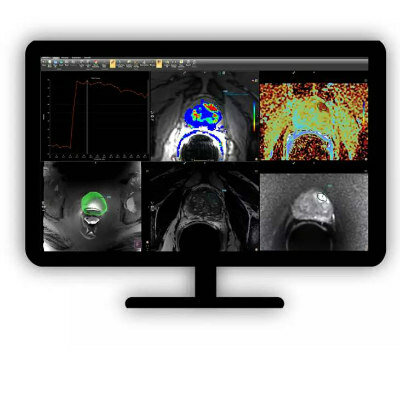
DynaCAD Prostate
X-Ray Illuminator
X-Ray Viewbox Illuminators
Latest ECR 2021 News
- GE Healthcare Showcases Innovative AI, Digital and Imaging Solutions at ECR 2021
- Hitachi Unveils MRI Systems with Human-Centered Design at ECR 2021
- Mindray Showcases Advanced Imaging and Laboratory Diagnostic Solutions at ECR 2021
- Vieworks Presents Next Generation Photon-Understanding Detector Solution Powered by AI
- First Ever Autonomous AI Medical Imaging Application Previewed at ECR 2021
- VUNO Presents State-of-the-Art AI Medical Imaging Technology at ECR 2021
- Agfa Launches Groundbreaking SmartXR Artificial Intelligence on Its Mobile DR 100s
- Canon Demonstrates How AI Can Help to Drive Workflow in COVID-19 Era
- Shimadzu Showcases Latest Lab and Imaging Technologies at ECR 2021
- Carestream Showcases New Glass-Free Detector and Intelligent Solutions for Digital Radiography at Virtual ECR 2021
- Siemens Holds Live Demonstrations of Groundbreaking, New Innovations in Imaging, Diagnostics and Therapy
- Hologic Showcases New Genius AI Powered Imaging Technology for Breast Health Care
- Philips Spotlights New and Enhanced Diagnostic and AI-Enabled Solutions to Streamline Workflows Across Imaging Enterprise
- ECR 2021 Virtual Exhibition Features One of the Biggest-Ever Online Programs in Radiology
Channels
Radiography
view channel
Simple Chest X-Ray Measure Predicts Survival After Lung Cancer Surgery
Obstructive ventilatory disorder, marked by airflow limitation that reduces breathing efficiency, increases postoperative risk in patients with lung cancer. Although surgery offers the best chance of cure,... Read more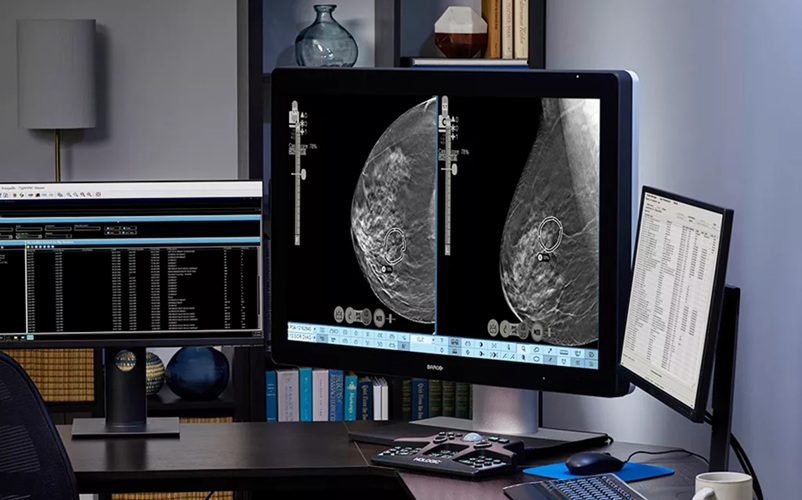
AI Detection Tool Improves Identification of Lobular Breast Cancer
Breast cancer screening seeks early detection, yet some subtypes remain difficult to visualize on mammography, risking delayed diagnosis. On average, 1 in 20 women worldwide will develop breast cancer,... Read more
MRI
view channel
Deep Learning Model Predicts Alzheimer’s Disease Outcomes from Baseline MRI
Alzheimer’s disease, which accounts for 60% to 70% of dementia cases worldwide, remains difficult to predict early in its course. Accurate prognostication typically relies on neuropsychological testing,... Read more
AI Body Composition MRI Analysis Predicts Cardiometabolic Disease Risk
Cardiometabolic disease, driven by interactions between cardiovascular and metabolic systems, is a leading cause of morbidity and mortality. Risk assessment often relies on body mass index, which overlooks... Read more
Ultrasound
view channel
AI Robotic Ultrasound System Automates Echocardiography and Improves Consistency
Echocardiography, an ultrasound examination of the heart, is central to diagnosing and managing cardiovascular disease. Many services struggle with limited availability of skilled sonographers, variable... Read more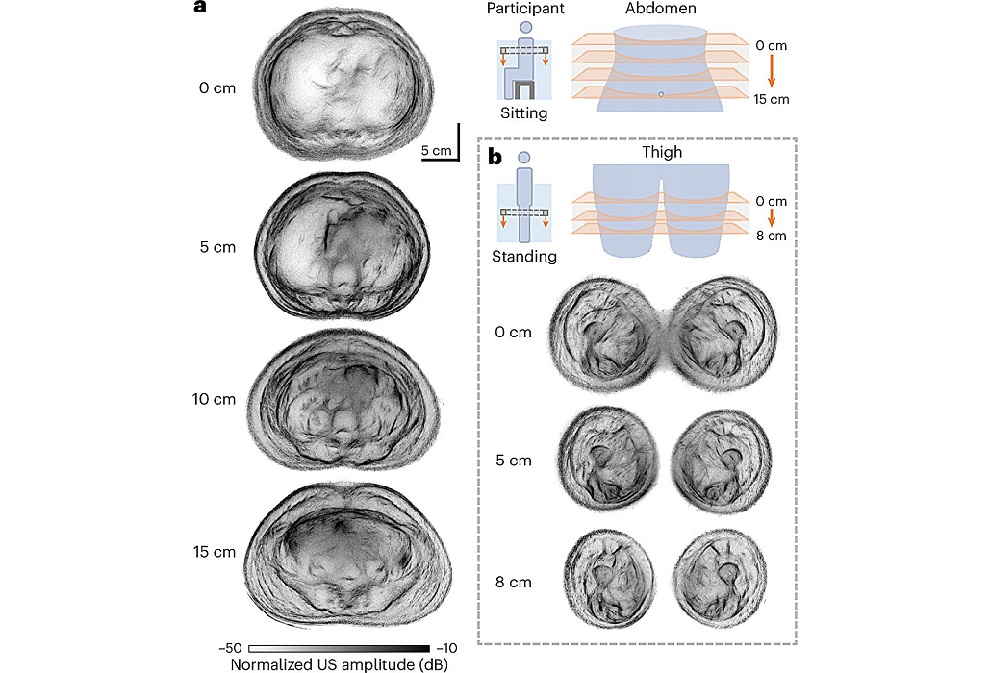
Whole Cross-Section Ultrasound System Enables Operator-Independent Imaging
Conventional ultrasound is central to bedside imaging but is limited by a narrow field of view and operator variability. Comprehensive cross-sectional assessment typically requires computed tomography... Read more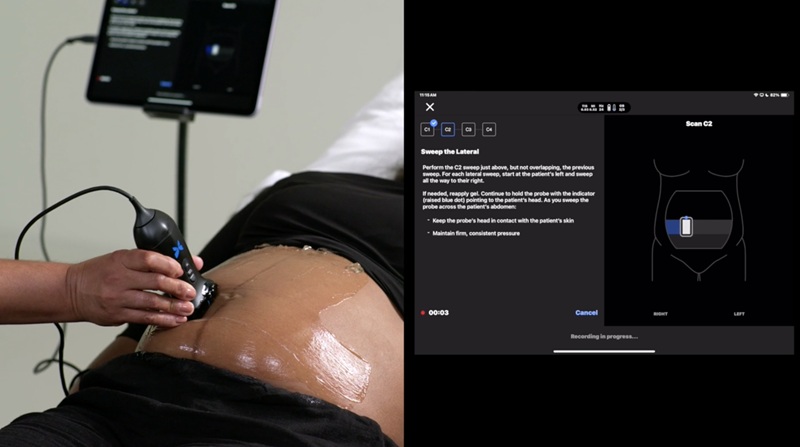
Nuclear Medicine
view channel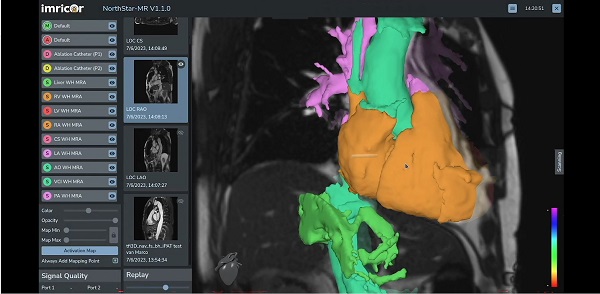
MR-Guided Cardiac Mapping System Enables Radiation-Free Procedures
Cardiac electrophysiology procedures are typically guided by X-ray fluoroscopy, which limits soft-tissue visualization and exposes patients and clinical staff to ionizing radiation. Real-time mapping that... Read more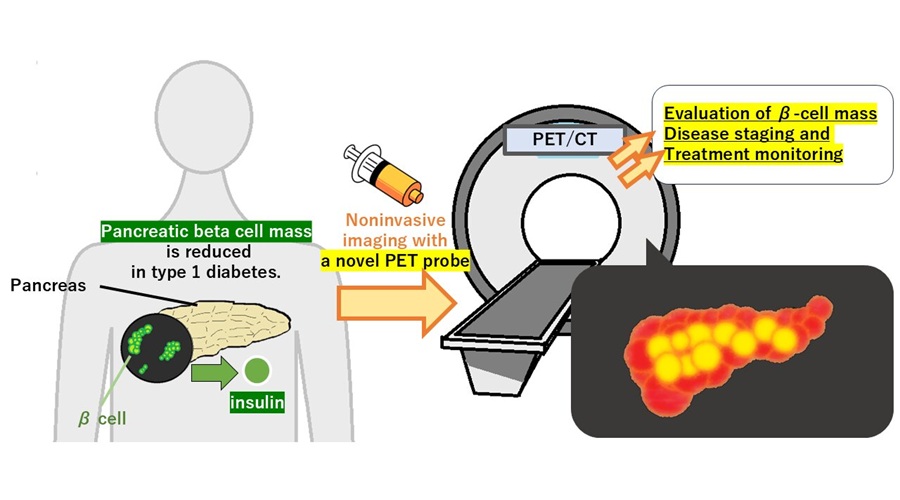
PET Tracer Enables Noninvasive Measurement of Beta Cell Mass
Type 1 diabetes is an autoimmune disease in which the immune system destroys insulin-producing pancreatic beta cells. Loss of these cells destabilizes glucose control and drives complications.... Read more
New Imaging Tool Sheds Light on Tumor Fat Metabolism
Rapidly growing tumors reprogram metabolism to meet high energy demands. While many cancers preferentially consume glucose, lipid utilization by malignant cells is difficult to measure in living subjects.... Read more
Radiopharmaceutical Molecule Marker to Improve Choice of Bladder Cancer Therapies
Targeted cancer therapies only work when tumor cells express the specific molecular structures they are designed to attack. In urothelial carcinoma, a common form of bladder cancer, the cell surface protein... Read moreGeneral/Advanced Imaging
view channel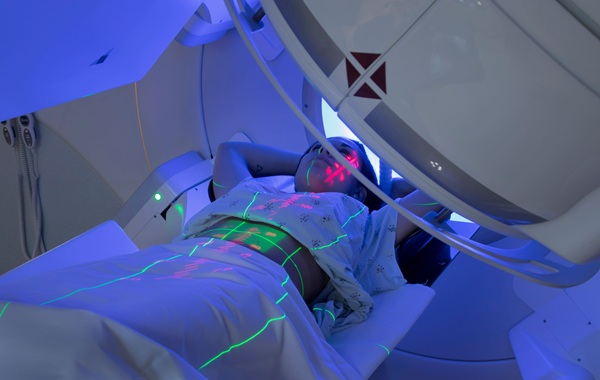
AI Tool Automates Radiotherapy Planning for Cervical and Prostate Cancer
Cervical cancer causes most of its global mortality in low- and middle-income countries, where radiotherapy capacity and specialist staff are limited. Treatment planning is labor-intensive and can delay... Read more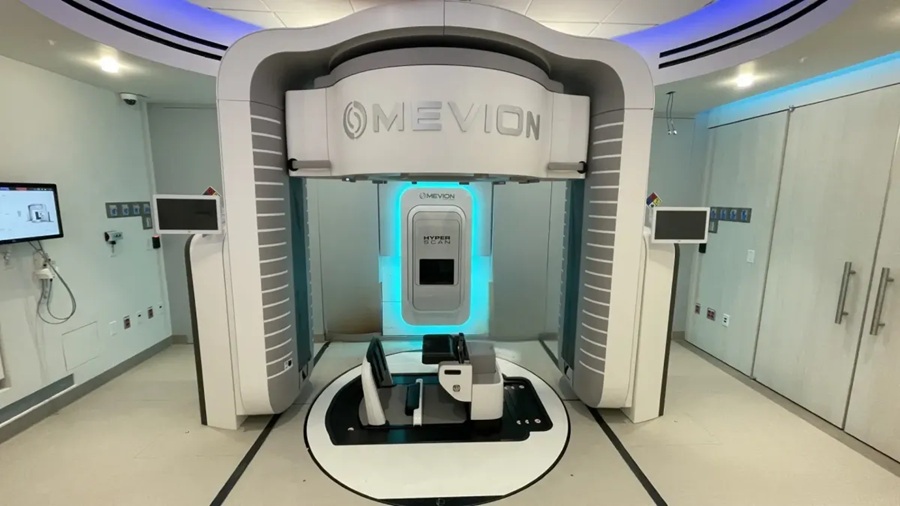
New Proton Therapy Platform Integrates into Existing Radiotherapy Departments
Mevion Medical Systems (Littleton, MA, USA) has introduced the MEVION S250-FIT Proton Therapy System to the European radiation oncology community at ESTRO 2026, the first proton therapy platform designed... Read more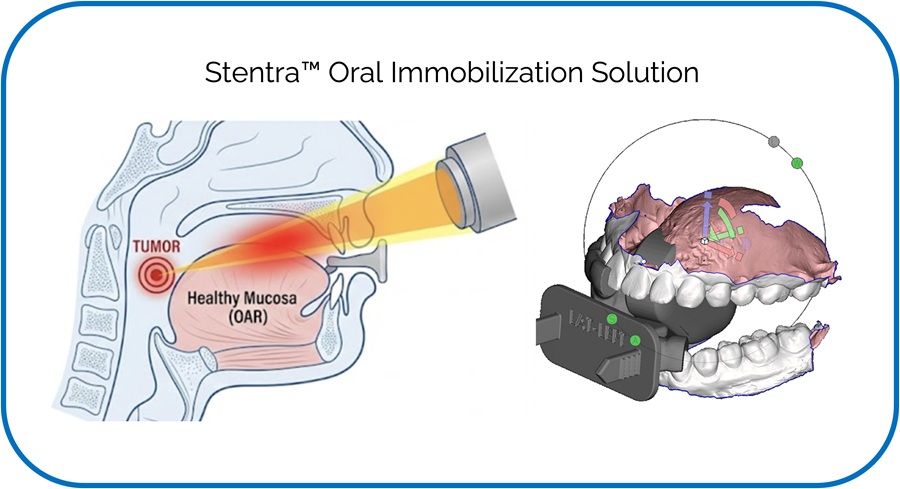
3D-Printed Intraoral Device Enhances Head and Neck Radiotherapy Accuracy
Ensuring consistent immobilization and soft-tissue positioning is central to safe, effective head and neck radiotherapy, where protection of organs at risk must be balanced with dose accuracy.... Read more
Molecular Imaging Agent Shows Promise for Endometriosis Detection and Monitoring
Diagnosing endometriosis remains challenging, particularly for superficial peritoneal endometriosis, the most common subtype, which is often missed on conventional imaging and typically requires laparoscopic... Read moreImaging IT
view channel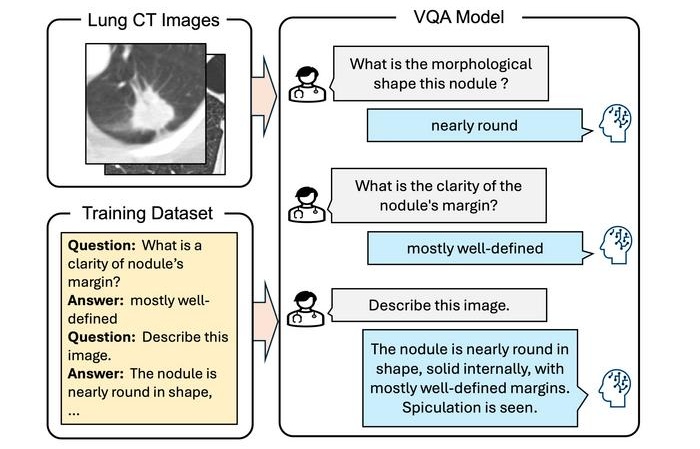
Interactive AI Tool Supports Explainable Lung Nodule Assessment
Lung cancer is a leading cause of cancer mortality, and timely characterization of pulmonary nodules on chest computed tomography (CT) is essential for directing care. Interpreting nodule morphology demands... Read more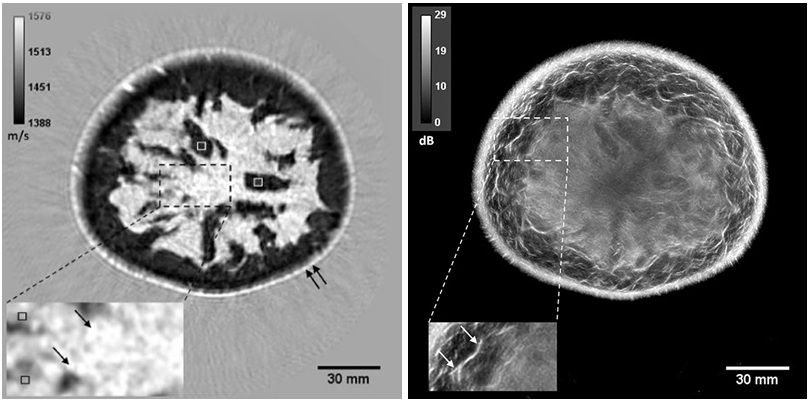
Breast Imaging Software Enhances Visualization and Tissue Characterization in Challenging Cases
Breast imaging can be particularly challenging in cases involving small breasts or implants, where image reconstruction and tissue characterization may be limited. Clinicians also need reproducible analysis... Read more
New Google Cloud Medical Imaging Suite Makes Imaging Healthcare Data More Accessible
Medical imaging is a critical tool used to diagnose patients, and there are billions of medical images scanned globally each year. Imaging data accounts for about 90% of all healthcare data1 and, until... Read more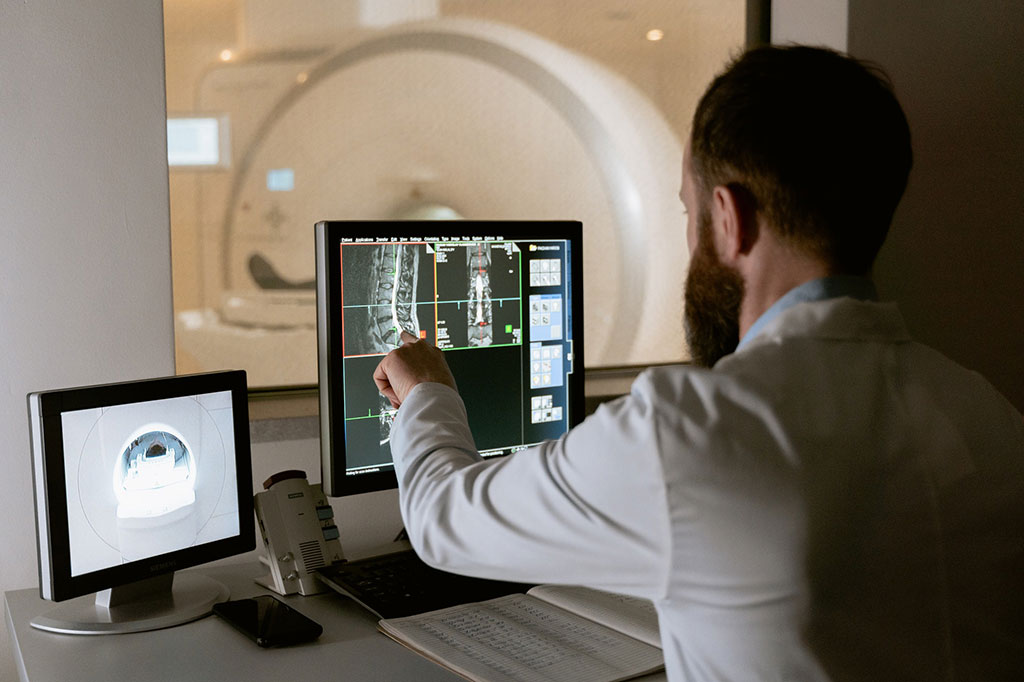
Global AI in Medical Diagnostics Market to Be Driven by Demand for Image Recognition in Radiology
The global artificial intelligence (AI) in medical diagnostics market is expanding with early disease detection being one of its key applications and image recognition becoming a compelling consumer proposition... Read moreIndustry News
view channel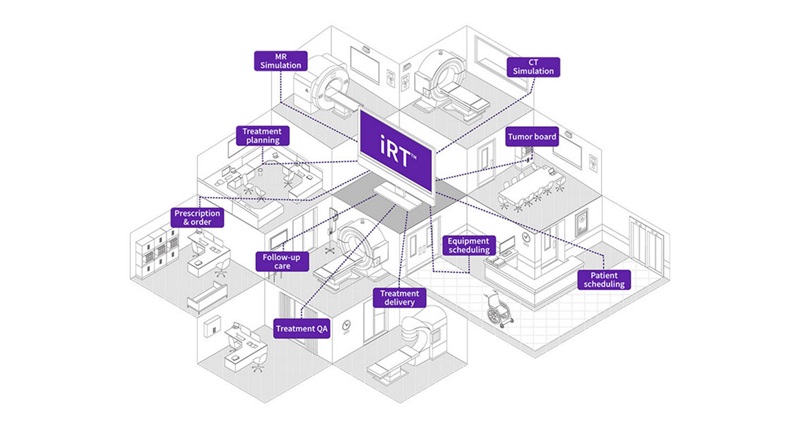
GE HealthCare Highlights AI-Supported Radiation Therapy Tools at ESTRO 2026
At the European Society for Radiotherapy and Oncology (ESTRO) 2026 Congress in Stockholm, GE HealthCare is highlighting Intelligent Radiation Therapy (iRT), MIM Software innovations, and BK Medical surgical... Read more