Cutting-Edge AI Software Automatically Analyzes Screening Mammograms to Accurately Diagnose Breast Cancer Much Earlier
|
By MedImaging International staff writers Posted on 14 Jan 2021 |


|
Illustration
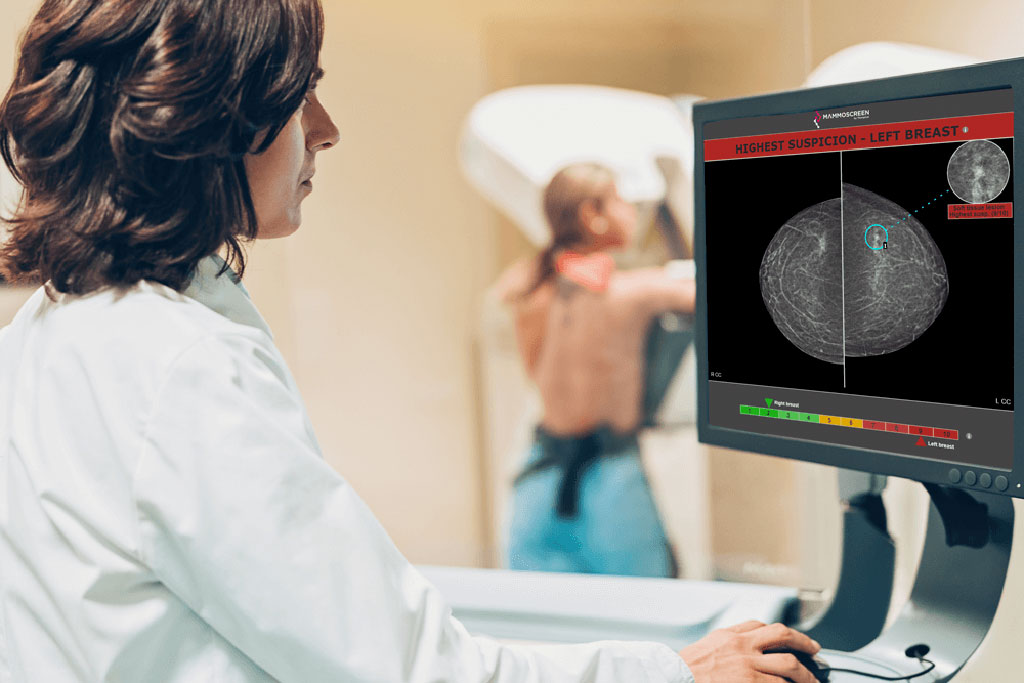
A cutting-edge artificial intelligence (AI) solution assists radiologists in the interpretation of screening mammograms and allows them to diagnose breast cancer earlier and more accurately.
The MammoScreen software from Therapixel (Paris, France) helps in reading digital mammograms to detect and qualify suspicious tissue whether they are likely to be cancerous. It uses the proprietary MammoScreen Score to provide an immediate level-of-suspicion scoring of screenings; confirming certain findings, and pointing out unsure cases that demand further scrutiny. By providing AI-guided decision-making support for breast cancer screening, MammoScreen allows radiologists to validate their suspicions, identify what they might have overlooked, and focus on uncertain studies requiring more attention.
Its non-intrusive design does not interrupt the current workflow, providing instead the results on a dedicated monitor, or side-by-side with the radiologist’s reporting software. The interface presents all the required information and a synchronization with the worklist, at once, with no additional clicks.
Using deep learning technologies, the algorithm was trained to recognize cancer lesions on hundreds of thousands of cases that were previously annotated by breast radiologist experts and confirmed when needed by a biopsy. A clinical study has shown that radiologists assisted by MammoScreen have a better performance than without the software. After having received FDA clearance for commercial sales in the US in March 2020, the AI solution is now available in the European market.
"We are proud to have received the CE Mark. This brings us a step closer to our goal of reducing breast cancer burden worldwide by improving breast cancer screening," said Pierre Fillard, Therapixel's Founder and Chief Scientific Officer.
"I am confident that MammoScreen will not only increase radiologists' performance but will also improve the patient experience by reassuring women faster," added Matthieu Leclerc-Chalvet, CEO of Therapixel.
Related Links:
Therapixel



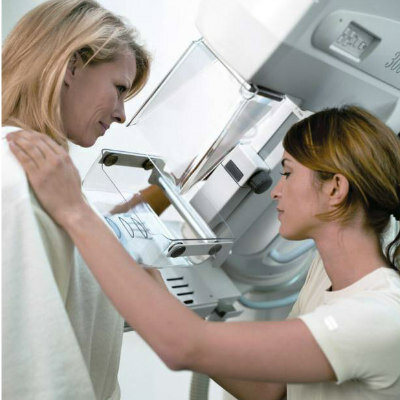

The MammoScreen software from Therapixel (Paris, France) helps in reading digital mammograms to detect and qualify suspicious tissue whether they are likely to be cancerous. It uses the proprietary MammoScreen Score to provide an immediate level-of-suspicion scoring of screenings; confirming certain findings, and pointing out unsure cases that demand further scrutiny. By providing AI-guided decision-making support for breast cancer screening, MammoScreen allows radiologists to validate their suspicions, identify what they might have overlooked, and focus on uncertain studies requiring more attention.
Its non-intrusive design does not interrupt the current workflow, providing instead the results on a dedicated monitor, or side-by-side with the radiologist’s reporting software. The interface presents all the required information and a synchronization with the worklist, at once, with no additional clicks.
Using deep learning technologies, the algorithm was trained to recognize cancer lesions on hundreds of thousands of cases that were previously annotated by breast radiologist experts and confirmed when needed by a biopsy. A clinical study has shown that radiologists assisted by MammoScreen have a better performance than without the software. After having received FDA clearance for commercial sales in the US in March 2020, the AI solution is now available in the European market.
"We are proud to have received the CE Mark. This brings us a step closer to our goal of reducing breast cancer burden worldwide by improving breast cancer screening," said Pierre Fillard, Therapixel's Founder and Chief Scientific Officer.
"I am confident that MammoScreen will not only increase radiologists' performance but will also improve the patient experience by reassuring women faster," added Matthieu Leclerc-Chalvet, CEO of Therapixel.
Related Links:
Therapixel

Mobile X-Ray System
K4W
Ultrasonic Pocket Doppler
SD1
Ultrasound Table
Women’s Ultrasound EA Table
Mammo DR Retrofit Solution
DR Retrofit Mammography
Latest Industry News News
- GE HealthCare Showcases AI-Enabled Nuclear Medicine Portfolio at SNMMI 2026
- GE HealthCare Highlights AI-Supported Radiation Therapy Tools at ESTRO 2026
- Nuclear Medicine Set for Continued Growth Driven by Demand for Precision Diagnostics
- GE HealthCare and NVIDIA Collaboration to Reimagine Diagnostic Imaging
- Patient-Specific 3D-Printed Phantoms Transform CT Imaging
- Siemens and Sectra Collaborate on Enhancing Radiology Workflows
- Bracco Diagnostics and ColoWatch Partner to Expand Availability CRC Screening Tests Using Virtual Colonoscopy
- Mindray Partners with TeleRay to Streamline Ultrasound Delivery
- Philips and Medtronic Partner on Stroke Care
- Siemens and Medtronic Enter into Global Partnership for Advancing Spine Care Imaging Technologies
- RSNA 2024 Technical Exhibits to Showcase Latest Advances in Radiology
- Bracco Collaborates with Arrayus on Microbubble-Assisted Focused Ultrasound Therapy for Pancreatic Cancer
- Innovative Collaboration to Enhance Ischemic Stroke Detection and Elevate Standards in Diagnostic Imaging
- RSNA 2024 Registration Opens
- Microsoft collaborates with Leading Academic Medical Systems to Advance AI in Medical Imaging
- GE HealthCare Acquires Intelligent Ultrasound Group’s Clinical Artificial Intelligence Business
Channels
Radiography
view channel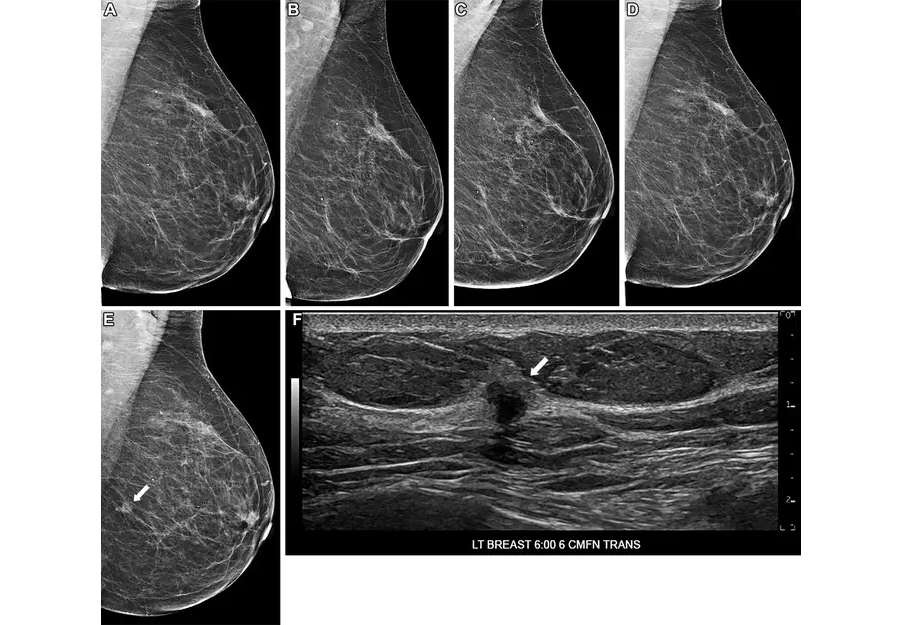
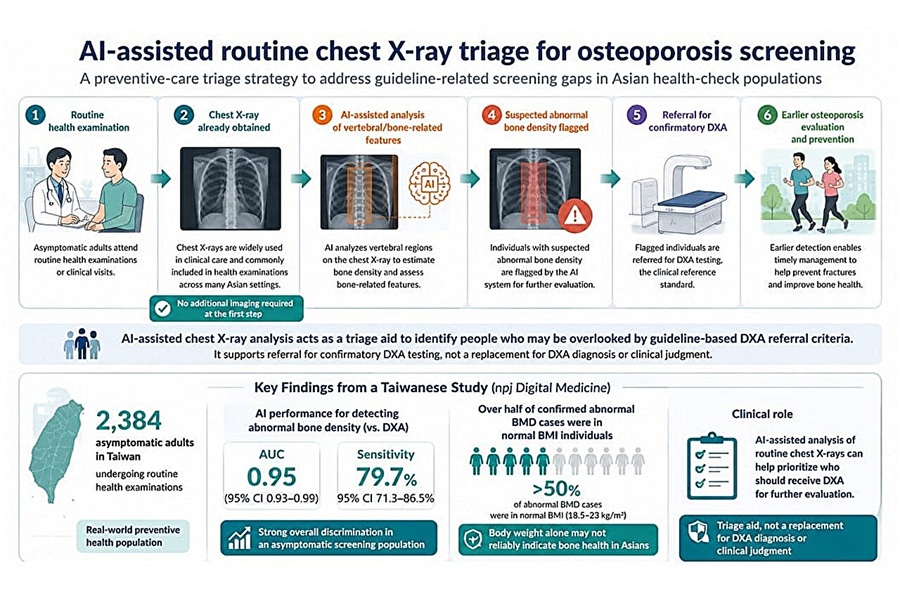
AI Tool Predicts Five-Year Breast Cancer Risk from Mammograms
Breast cancer risk assessment during routine screening is difficult because many women who develop the disease have no known genetic mutations or family history. Static risk tools provide limited discrimination... Read more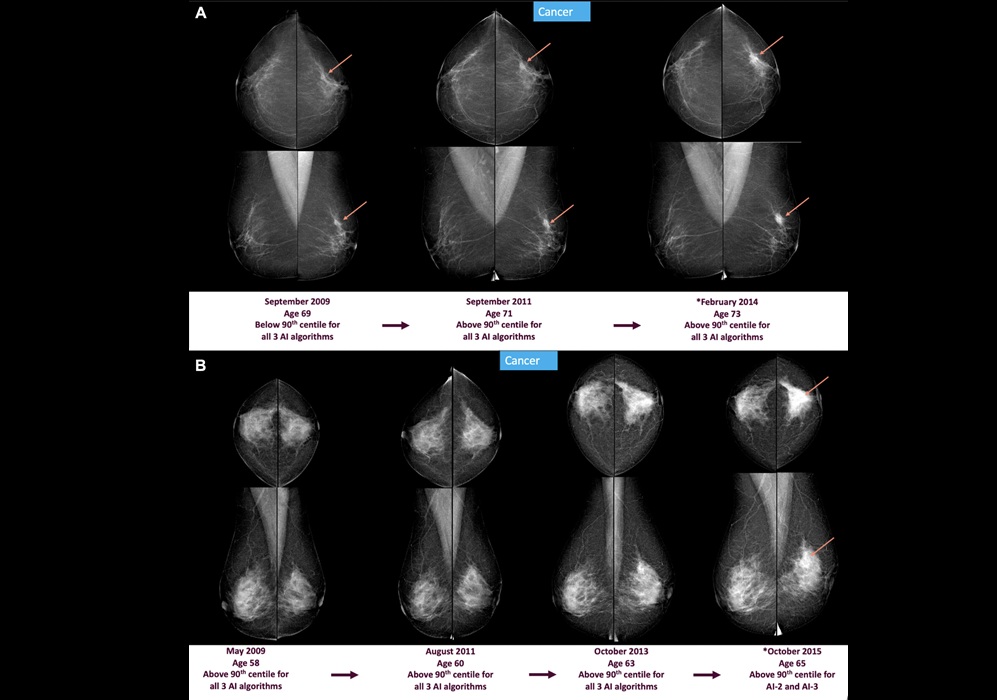
AI Mammography Tools Detect Early Breast Cancer Signs Years Before Diagnosis
Breast cancer screening aims to detect tumors before symptoms develop, but subtle mammographic changes can appear years before diagnosis and may be missed during routine reads. Delayed detection can lead... Read more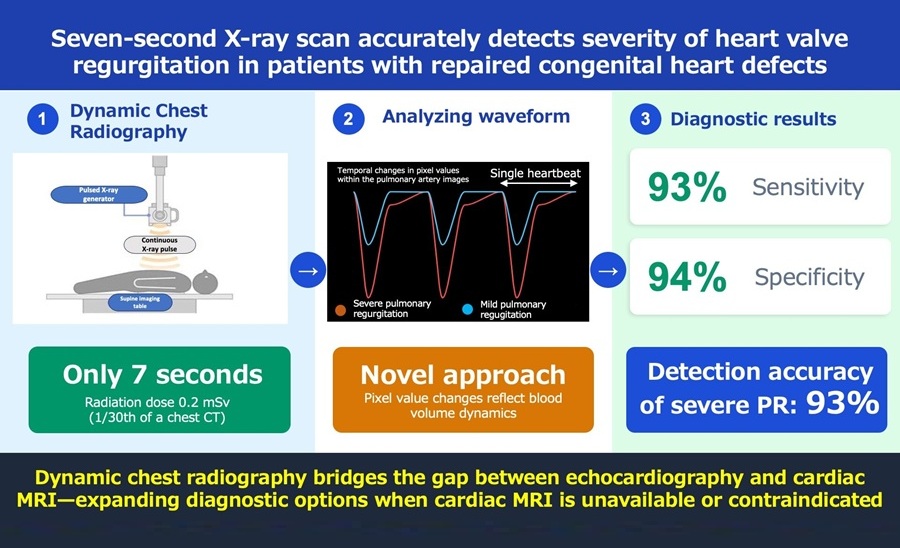
MRI
view channel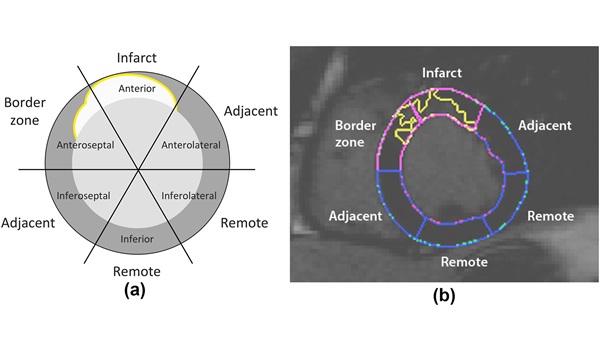
Cardiac MRI Detects Hidden Heart Dysfunction After Heart Attack
Myocardial infarction often leaves patients with persistent ventricular dysfunction that can progress without obvious signs. Detecting early decline remains difficult because standard measures may miss... Read more
AI Tool Reveals Cortical Lesions on Standard MRI in Multiple Sclerosis
Multiple sclerosis (MS) causes immune-mediated damage in the brain that leads to disability and cognitive decline. Clinicians have long recognized that lesions in the brain’s gray matter, or cortex, are... Read more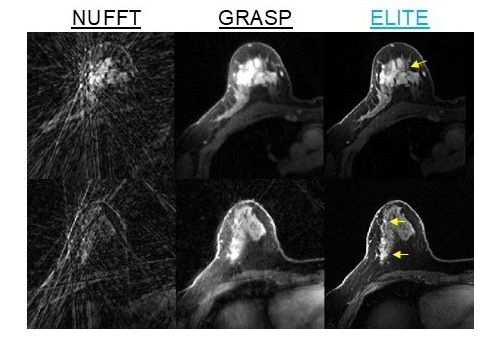
Ultrasound
view channel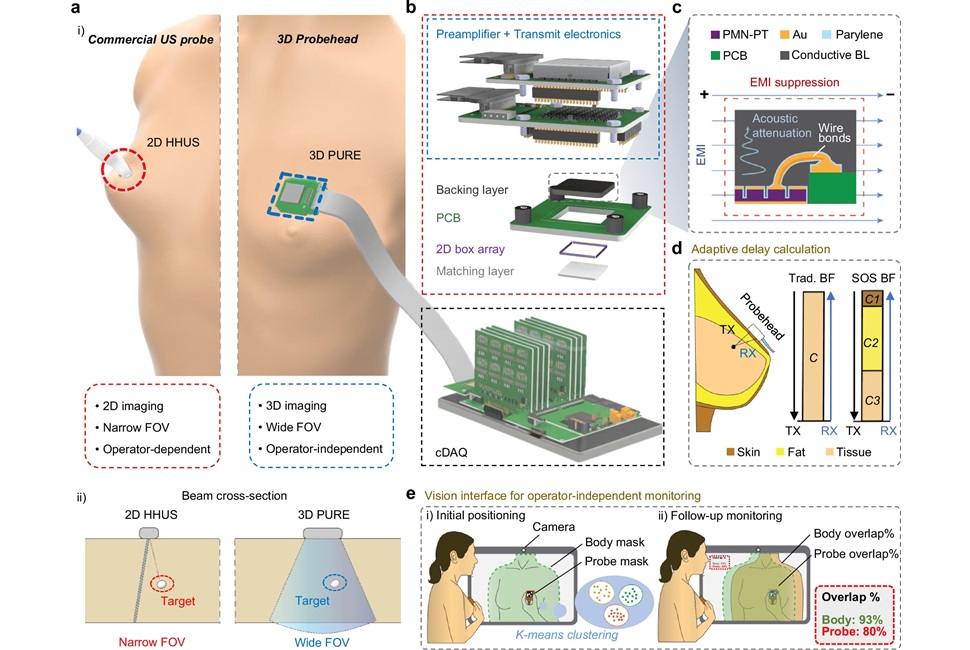
Portable 3D Ultrasound System Enables Reproducible Breast Cancer Monitoring
Breast cancer can develop between annual mammograms, and these interval cancers account for 20% to 30% of cases and tend to be more aggressive. The challenge is pronounced in people with dense breast tissue.... Read more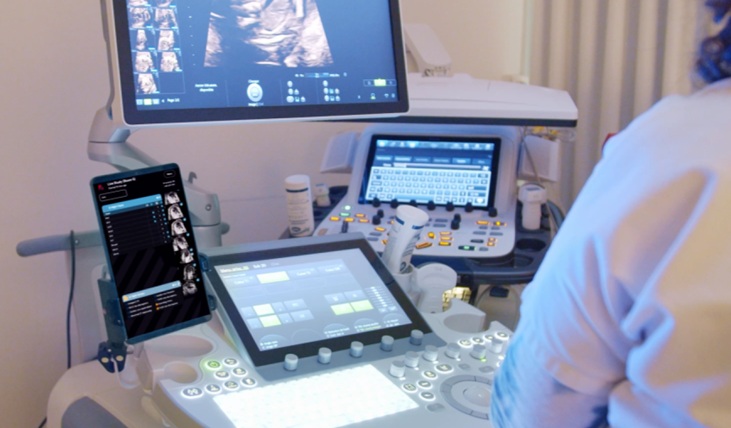
AI Ultrasound Platform Receives CE Mark for Prenatal Screening
Prenatal ultrasound is central to fetal anomaly screening, yet it remains one of the most technically demanding examinations in routine care. Because both image acquisition and interpretation are highly... Read more
Nuclear Medicine
view channel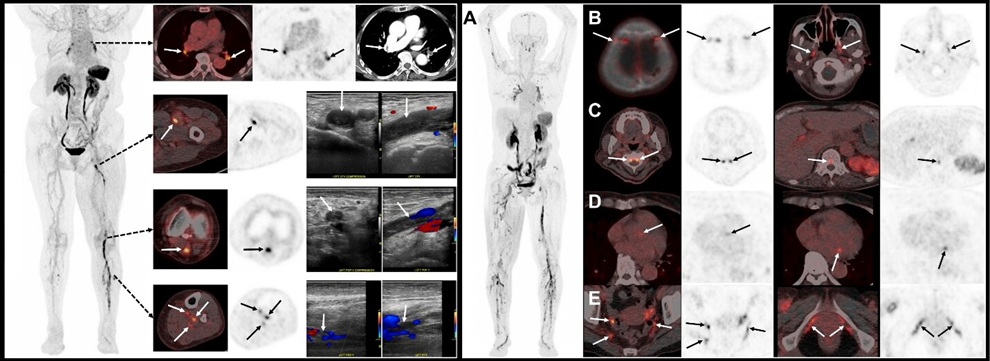
New PET Tracer Detects DVT and Pulmonary Embolism in One Scan
Deep vein thrombosis is the formation of clots in deep leg veins that can migrate to the lungs as pulmonary embolism. Rapid confirmation across both regions often requires multiple tests and can delay treatment.... Read more![Image: (A-C) Representative whole-body maximum-intensity projection images and regional fused PET/CT images from three histologically confirmed osteosarcoma patients who underwent paired [68Ga]Ga-B7-H3-BCH PET/CT and 18F-FDGE PET/CT within 7 days. (D) Multimodal imaging evaluation of patient 3, including X-ray, MRI (T2-weighted imaging, T2WI), CT, and B7-H3 PET/CT. (Photo courtesy of SNMMI)](https://globetechcdn.com/mobile_medicalimaging/images/stories/articles/article_images/2026-06-07/294811110_image_1.jpg "Image: (A-C) Representative whole-body maximum-intensity projection images and regional fused PET/CT images from three histologically confirmed osteosarcoma patients who underwent paired [68Ga]Ga-B7-H3-BCH PET/CT and 18F-FDGE PET/CT within 7 days. (D) Multimodal imaging evaluation of patient 3, including X-ray, MRI (T2-weighted imaging, T2WI), CT, and B7-H3 PET/CT. (Photo courtesy of SNMMI)")
Targeted PET Platform Guides Osteosarcoma Resection and Margin Verification
Osteosarcoma, an aggressive primary bone cancer that mainly affects children and adolescents, demands wide excision to prevent local recurrence. Surgeons must achieve negative margins while preserving... Read more
General/Advanced Imaging
view channel
Virtual Staining Technique Creates Histology Images from CT Data
Pulmonary hypertension, a disorder marked by pathological remodeling of the pulmonary vessels, often requires detailed histologic assessment. Yet routine pathology remains anchored in labor‑intensive,... Read more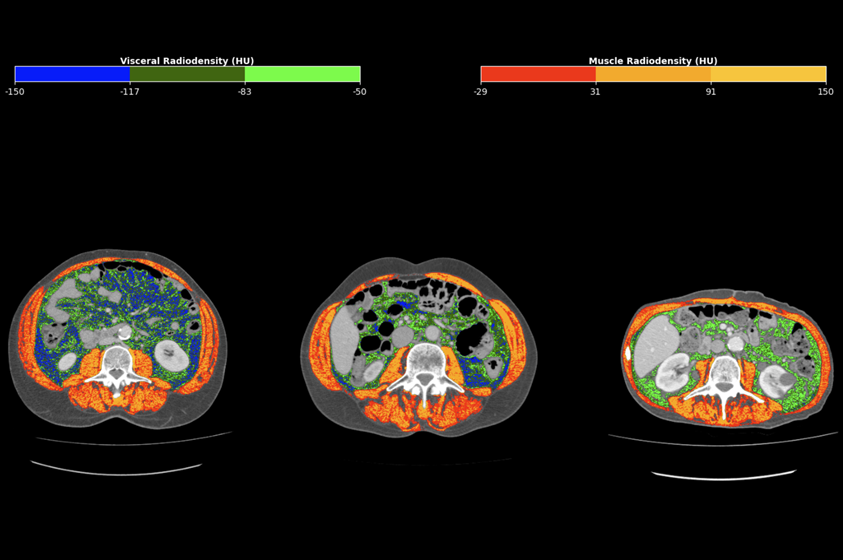
CT-Derived Biomarker Predicts Outcomes in Gastric Cancer
Gastric cancer, also known as stomach cancer, is the fifth most common malignancy worldwide and often shows heterogeneous outcomes even within the same stage. Prognostic estimates typically rely on tumor-centric... Read more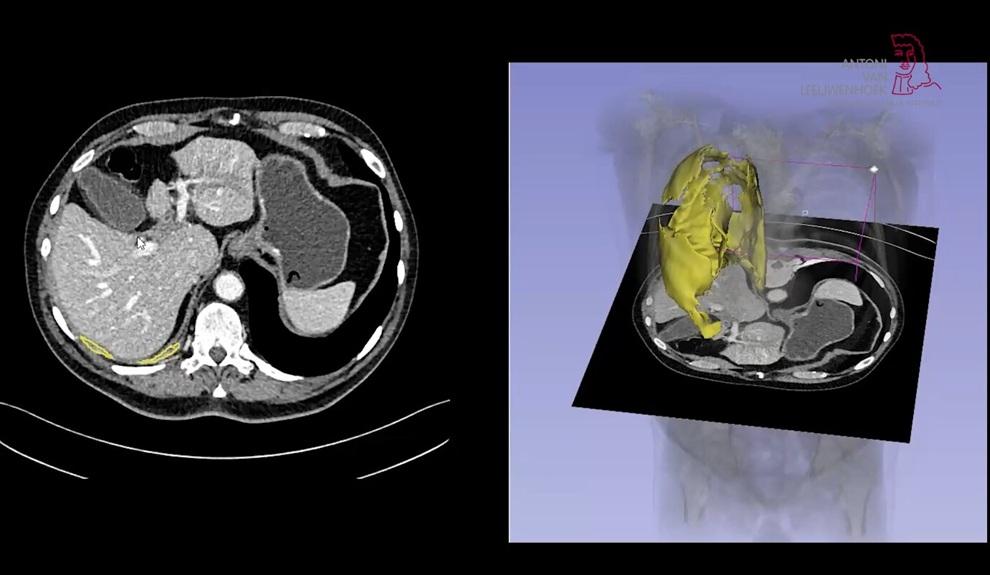
AI Tool Enhances Response Assessment and Survival Prediction in Pleural Mesothelioma
Pleural mesothelioma, a cancer that grows as a thin, irregular layer along the lung wall, is difficult to measure on imaging. Clinicians rely on diameter-based Response Evaluation Criteria in Solid Tumors... Read more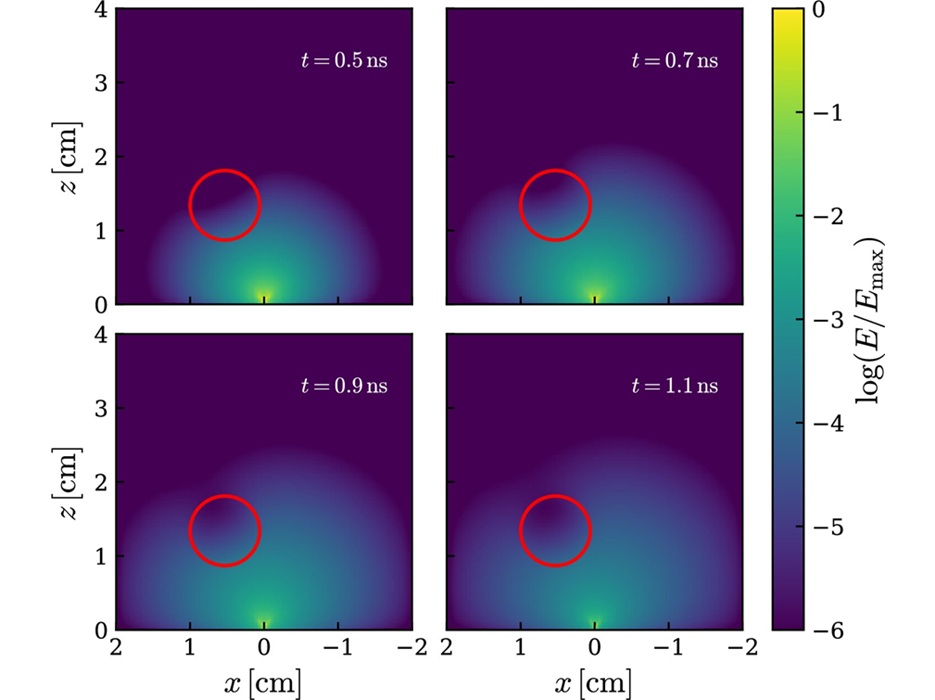
Imaging IT
view channel
Ambient AI Reporting Platform Streamlines Radiology Reporting
Radiology departments face growing imaging volumes and staffing shortages, creating reporting bottlenecks and pressure to maintain turnaround times. Conventional dictation tools document findings after... Read more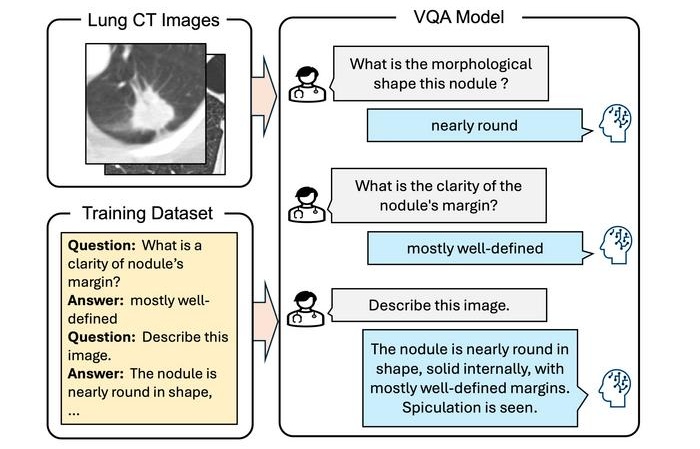
Interactive AI Tool Supports Explainable Lung Nodule Assessment
Lung cancer is a leading cause of cancer mortality, and timely characterization of pulmonary nodules on chest computed tomography (CT) is essential for directing care. Interpreting nodule morphology demands... Read more