


Researchers Develop AI Algorithm to Predict Immunotherapy Response
|
By MedImaging International staff writers Posted on 12 Sep 2018 |


|
A team of French researchers have designed an algorithm and developed it to analyze Computed Tomography (CT) scan images, establishing for the first time that artificial intelligence (AI) can process medical images to extract biological and clinical information. The researchers have created a so-called radiomic signature, which defines the level of lymphocyte infiltration of a tumor and provides a predictive score for the efficacy of immunotherapy in the patient.
In the near future, this could make it possible for physicians to use imaging to identify biological phenomena in a tumor located anywhere in the body without performing a biopsy.
Currently, there are no markers, which can accurately identify patients who will respond to anti-PD-1/PD-L1 immunotherapy in a situation where only 15 to 30% of patients do respond to such treatment. The more immunologically richer the tumor environment (presence of lymphocytes), the higher is the chances of immunotherapy being effective. Hence, the researchers tried to characterize this environment using imaging and correlate this with the patients’ clinical response. In their study, the radiomic signature was captured, developed and validated genomically, histologically and clinically in 500 patients with solid tumors (all sites) from four independent cohorts.
The researchers first used a machine learning-based approach to teach the algorithm how to use relevant information extracted from CT scans of patients participating in an earlier study, which also held tumor genome data. Thus, based solely on images, the algorithm learned to predict what the genome might have revealed about the tumor immune infiltrate, in particular with respect to the presence of cytotoxic T-lymphocytes (CD8) in the tumor, thus establishing a radiomic signature.
The researchers tested and validated this signature in other cohorts, including that of TCGA (The Cancer Genome Atlas), thus demonstrating that imaging could predict a biological phenomenon, providing an estimation of the degree of immune infiltration of a tumor. Further, in order to test the signature’s applicability in a real situation and correlate it to the efficacy of immunotherapy, it was evaluated using CT scans performed before the start of treatment in patients participating in five phase I trials of anti-PD-1/PD-L1 immunotherapy. The researchers found that the patients in whom immunotherapy was effective at three and six months had higher radiomic scores as did those with better overall survival.
In their next clinical study, the researchers will assess the signature both retrospectively and prospectively, using a larger number of patients and stratifying them based on cancer type in order to refine the signature. They will also use more sophisticated automatic learning and AI algorithms to predict patient response to immunotherapy, while integrating data from imaging, molecular biology and tissue analysis. The researchers aim to identify those patients who are most likely to respond to treatment, thereby improving the efficacy/cost ratio of treatment.





In the near future, this could make it possible for physicians to use imaging to identify biological phenomena in a tumor located anywhere in the body without performing a biopsy.
Currently, there are no markers, which can accurately identify patients who will respond to anti-PD-1/PD-L1 immunotherapy in a situation where only 15 to 30% of patients do respond to such treatment. The more immunologically richer the tumor environment (presence of lymphocytes), the higher is the chances of immunotherapy being effective. Hence, the researchers tried to characterize this environment using imaging and correlate this with the patients’ clinical response. In their study, the radiomic signature was captured, developed and validated genomically, histologically and clinically in 500 patients with solid tumors (all sites) from four independent cohorts.
The researchers first used a machine learning-based approach to teach the algorithm how to use relevant information extracted from CT scans of patients participating in an earlier study, which also held tumor genome data. Thus, based solely on images, the algorithm learned to predict what the genome might have revealed about the tumor immune infiltrate, in particular with respect to the presence of cytotoxic T-lymphocytes (CD8) in the tumor, thus establishing a radiomic signature.
The researchers tested and validated this signature in other cohorts, including that of TCGA (The Cancer Genome Atlas), thus demonstrating that imaging could predict a biological phenomenon, providing an estimation of the degree of immune infiltration of a tumor. Further, in order to test the signature’s applicability in a real situation and correlate it to the efficacy of immunotherapy, it was evaluated using CT scans performed before the start of treatment in patients participating in five phase I trials of anti-PD-1/PD-L1 immunotherapy. The researchers found that the patients in whom immunotherapy was effective at three and six months had higher radiomic scores as did those with better overall survival.
In their next clinical study, the researchers will assess the signature both retrospectively and prospectively, using a larger number of patients and stratifying them based on cancer type in order to refine the signature. They will also use more sophisticated automatic learning and AI algorithms to predict patient response to immunotherapy, while integrating data from imaging, molecular biology and tissue analysis. The researchers aim to identify those patients who are most likely to respond to treatment, thereby improving the efficacy/cost ratio of treatment.

Ultrasonic Pocket Doppler
SD1
Ultrasound Table
Women’s Ultrasound EA Table
Digital Intelligent Ferromagnetic Detector
Digital Ferromagnetic Detector
X-Ray Generator
Advantage Plus Generators
Latest Industry News News
- GE HealthCare Showcases AI-Enabled Nuclear Medicine Portfolio at SNMMI 2026
- GE HealthCare Highlights AI-Supported Radiation Therapy Tools at ESTRO 2026
- Nuclear Medicine Set for Continued Growth Driven by Demand for Precision Diagnostics
- GE HealthCare and NVIDIA Collaboration to Reimagine Diagnostic Imaging
- Patient-Specific 3D-Printed Phantoms Transform CT Imaging
- Siemens and Sectra Collaborate on Enhancing Radiology Workflows
- Bracco Diagnostics and ColoWatch Partner to Expand Availability CRC Screening Tests Using Virtual Colonoscopy
- Mindray Partners with TeleRay to Streamline Ultrasound Delivery
- Philips and Medtronic Partner on Stroke Care
- Siemens and Medtronic Enter into Global Partnership for Advancing Spine Care Imaging Technologies
- RSNA 2024 Technical Exhibits to Showcase Latest Advances in Radiology
- Bracco Collaborates with Arrayus on Microbubble-Assisted Focused Ultrasound Therapy for Pancreatic Cancer
- Innovative Collaboration to Enhance Ischemic Stroke Detection and Elevate Standards in Diagnostic Imaging
- RSNA 2024 Registration Opens
- Microsoft collaborates with Leading Academic Medical Systems to Advance AI in Medical Imaging
- GE HealthCare Acquires Intelligent Ultrasound Group’s Clinical Artificial Intelligence Business
Channels
Radiography
view channel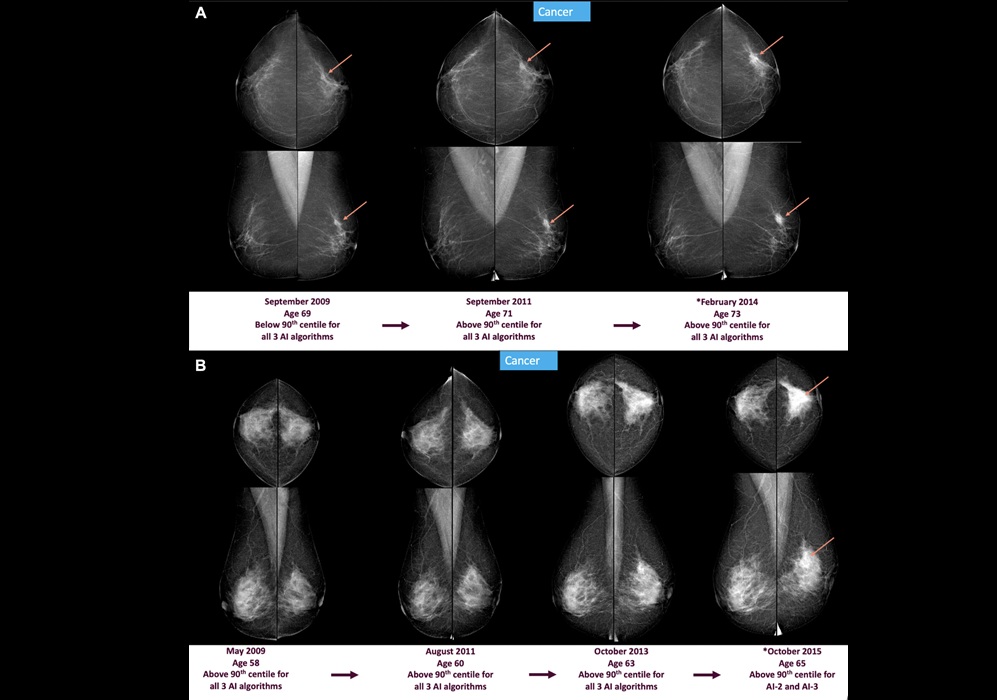
AI Mammography Tools Detect Early Breast Cancer Signs Years Before Diagnosis
Breast cancer screening aims to detect tumors before symptoms develop, but subtle mammographic changes can appear years before diagnosis and may be missed during routine reads. Delayed detection can lead... Read more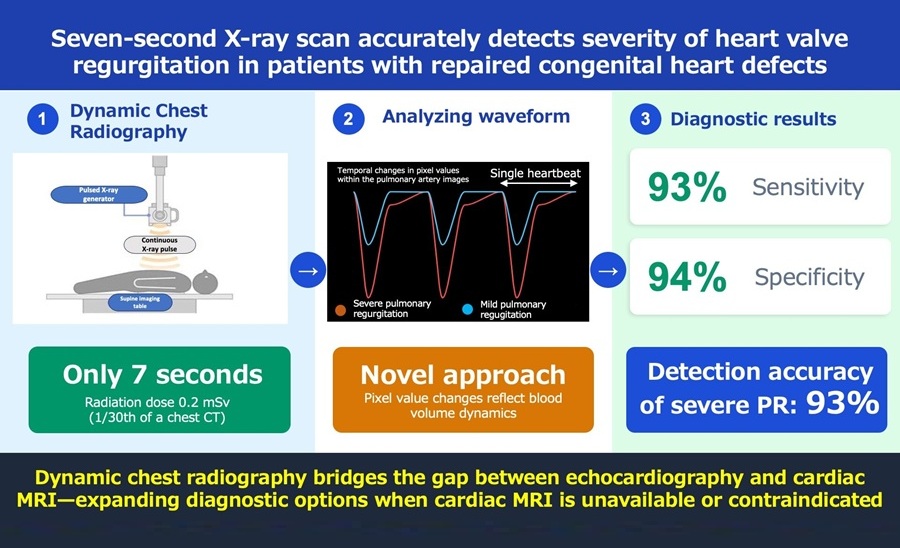
Rapid X-Ray Test Quantifies Pulmonary Regurgitation After Tetralogy of Fallot Repair
Tetralogy of Fallot is the most common cyanotic congenital heart defect and can leave patients with pulmonary valve regurgitation, a backward flow of blood into the right ventricle after repair.... Read more
MRI
view channel
International Study Assesses AI for Prostate Cancer MRI Interpretation
Prostate cancer is a leading cause of cancer morbidity in men, and accurate early diagnosis hinges on expert interpretation of prostate magnetic resonance imaging (MRI). Rapid adoption of MRI-first pathways... Read more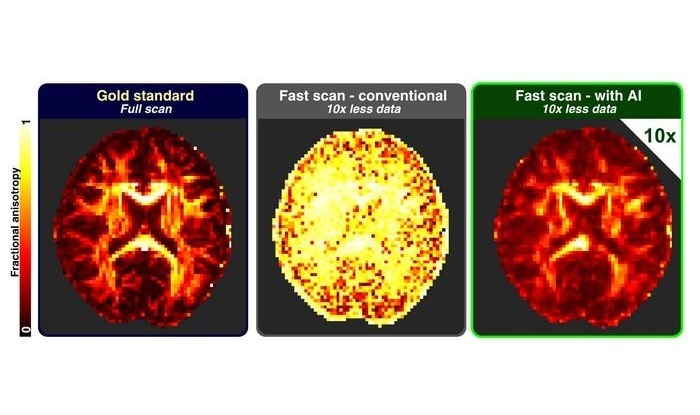
AI Approach Could Shorten Advanced Brain MRI Scans by Up to 90%
Long acquisition times for advanced brain magnetic resonance imaging (MRI) can limit access, extend waiting lists, and disrupt clinical workflows. Reducing data requirements without sacrificing image fidelity... Read more
Ultrasound
view channel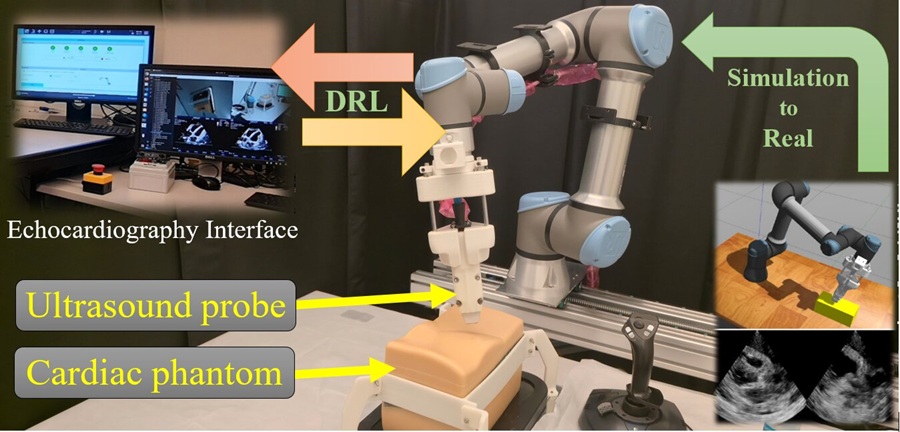
AI Robotic Ultrasound System Automates Echocardiography and Improves Consistency
Echocardiography, an ultrasound examination of the heart, is central to diagnosing and managing cardiovascular disease. Many services struggle with limited availability of skilled sonographers, variable... Read more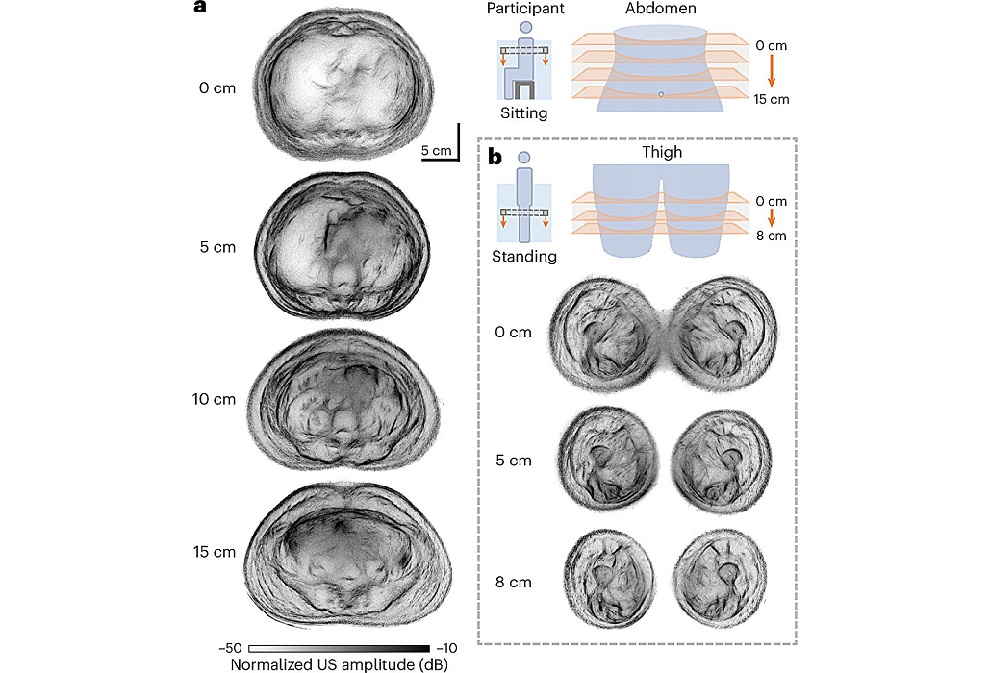
Whole Cross-Section Ultrasound System Enables Operator-Independent Imaging
Conventional ultrasound is central to bedside imaging but is limited by a narrow field of view and operator variability. Comprehensive cross-sectional assessment typically requires computed tomography... Read more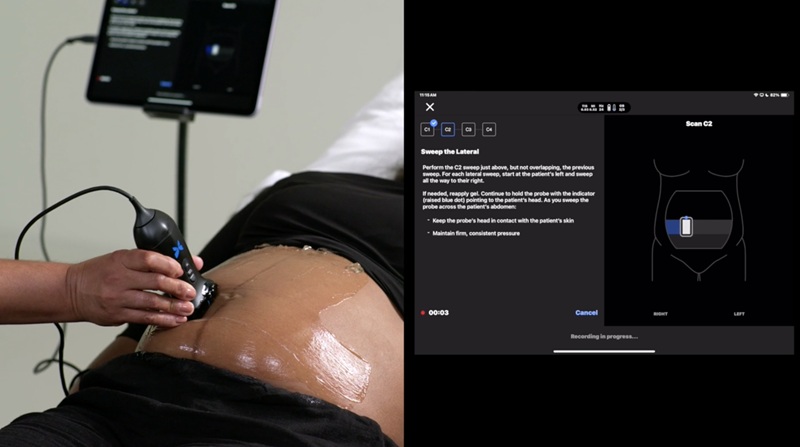
Nuclear Medicine
view channel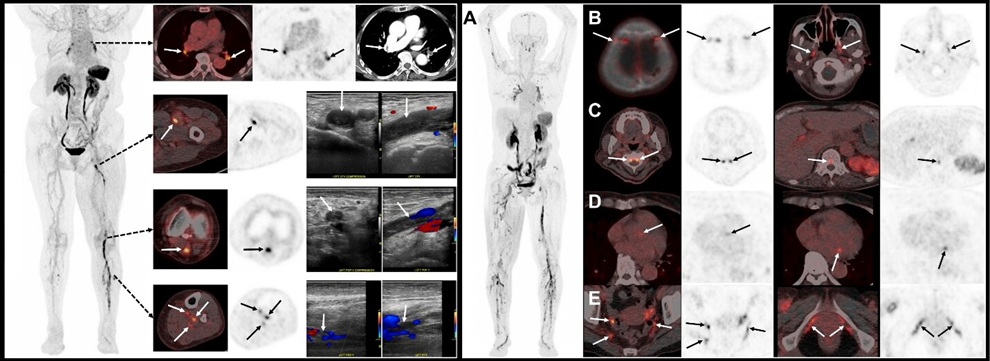
New PET Tracer Detects DVT and Pulmonary Embolism in One Scan
Deep vein thrombosis is the formation of clots in deep leg veins that can migrate to the lungs as pulmonary embolism. Rapid confirmation across both regions often requires multiple tests and can delay treatment.... Read more![Image: (A-C) Representative whole-body maximum-intensity projection images and regional fused PET/CT images from three histologically confirmed osteosarcoma patients who underwent paired [68Ga]Ga-B7-H3-BCH PET/CT and 18F-FDGE PET/CT within 7 days. (D) Multimodal imaging evaluation of patient 3, including X-ray, MRI (T2-weighted imaging, T2WI), CT, and B7-H3 PET/CT. (Photo courtesy of SNMMI)](https://globetechcdn.com/mobile_medicalimaging/images/stories/articles/article_images/2026-06-07/294811110_image_1.jpg "Image: (A-C) Representative whole-body maximum-intensity projection images and regional fused PET/CT images from three histologically confirmed osteosarcoma patients who underwent paired [68Ga]Ga-B7-H3-BCH PET/CT and 18F-FDGE PET/CT within 7 days. (D) Multimodal imaging evaluation of patient 3, including X-ray, MRI (T2-weighted imaging, T2WI), CT, and B7-H3 PET/CT. (Photo courtesy of SNMMI)")
Targeted PET Platform Guides Osteosarcoma Resection and Margin Verification
Osteosarcoma, an aggressive primary bone cancer that mainly affects children and adolescents, demands wide excision to prevent local recurrence. Surgeons must achieve negative margins while preserving... Read more
General/Advanced Imaging
view channel
AI Tool Enables Real-Time Diffuse Optical Tomography for Brain Lesion Detection
Diffuse optical tomography is a noninvasive imaging technique that uses near-infrared light to detect internal abnormalities such as cerebral hemorrhage and tumors. Its clinical utility for real-time ... Read more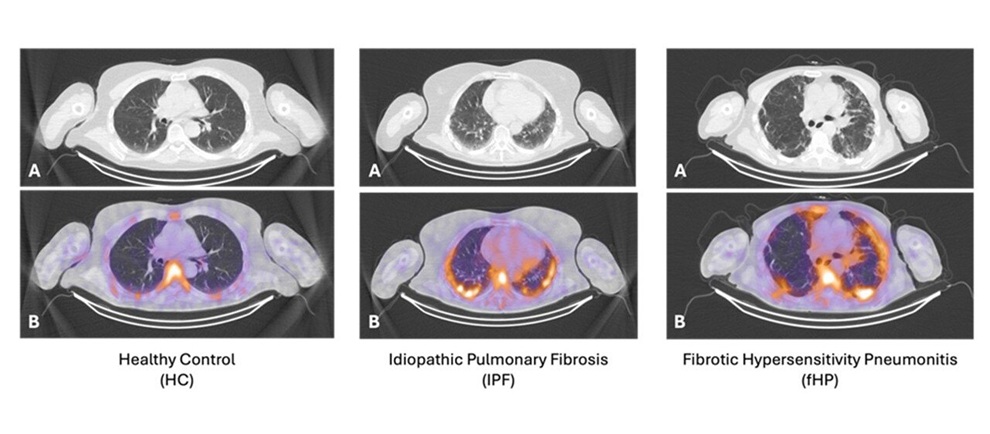
New SPECT/CT Method Differentiates Inflammation from Fibrosis in Interstitial Lung Disease
Interstitial lung disease (ILD) encompasses more than 200 disorders that inflame or scar the lung interstitium and can lead to progressive respiratory failure. Determining whether active inflammation is... Read more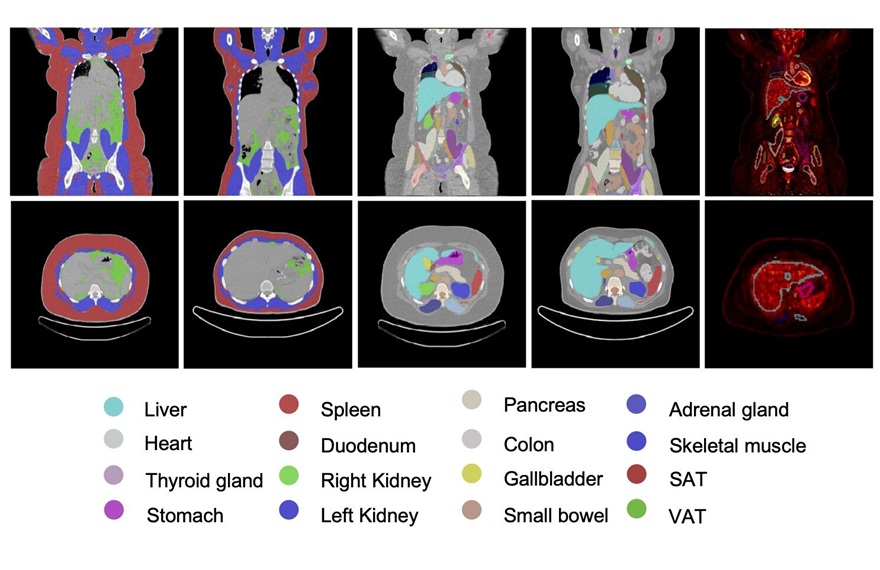
Imaging IT
view channel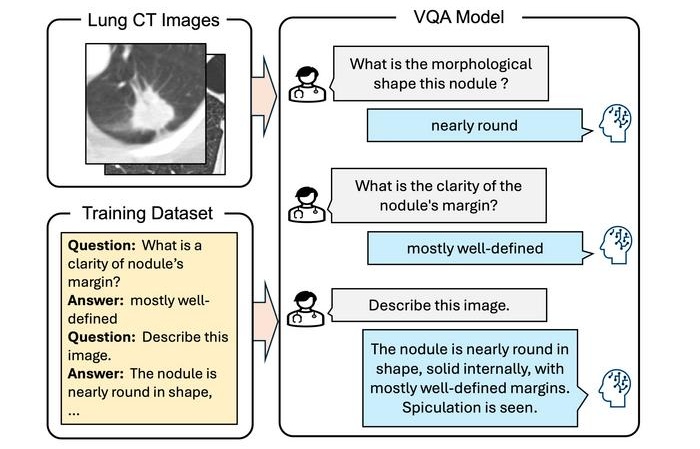
Interactive AI Tool Supports Explainable Lung Nodule Assessment
Lung cancer is a leading cause of cancer mortality, and timely characterization of pulmonary nodules on chest computed tomography (CT) is essential for directing care. Interpreting nodule morphology demands... Read more
Breast Imaging Software Enhances Visualization and Tissue Characterization in Challenging Cases
Breast imaging can be particularly challenging in cases involving small breasts or implants, where image reconstruction and tissue characterization may be limited. Clinicians also need reproducible analysis... Read more
New Google Cloud Medical Imaging Suite Makes Imaging Healthcare Data More Accessible
Medical imaging is a critical tool used to diagnose patients, and there are billions of medical images scanned globally each year. Imaging data accounts for about 90% of all healthcare data1 and, until... Read more