



Stereotactic Body Radiotherapy Shortens Treatment of Gynecologic Tumors
|
By MedImaging International staff writers Posted on 30 Apr 2012 |


|
Researchers have developed a more effective way to treat gynecologic cancers, cutting radiation treatment time from five weeks to three days.
The method’s description was published in the April 2012 issue of the Journal of Visualized Experiments (JoVE). The new technology, stereotactic body radiotherapy (SBRT), has been used on other kinds of cancer; however, University Hospitals Case Medical Center (Cleveland, OH, USA) is the first treatment facility to apply it to gynecologic cancers. Dr. Charles Kunos, who coauthored the article, said the radiation therapy machine “looks like a robot you would make cars with, and targets specific cancer cells.”
Dissimilar to conventional radiation therapy, SBRT uses focused radiation beams and targets well-defined tumors. In order to focus in on the region, the tumors need to be imaged and marked (utilizing fiduciary markers) in advance. During treatment with the Cyberknife system, developed by Accuray (Sunnyvale, CA, USA), patients need to be immobilized, and even the movement from the patient’s breathing needs to be taken into account.
The very specific nature of the procedure not only lessens treatment time, it limits the effect of the radiation on healthy tissues. “SBRT holds great promise for treating persistent or recurrent gynecologic cancers,” said JoVE science editor, Dr. Nandita Singh. “SBRT can deliver radiation with high precision and is particularly effective in delivering reduced radiation to cancer targets that are refractory to chemotherapy and conventional radiation.”
Related Links:
University Hospitals Case Medical Center
Accuray







The method’s description was published in the April 2012 issue of the Journal of Visualized Experiments (JoVE). The new technology, stereotactic body radiotherapy (SBRT), has been used on other kinds of cancer; however, University Hospitals Case Medical Center (Cleveland, OH, USA) is the first treatment facility to apply it to gynecologic cancers. Dr. Charles Kunos, who coauthored the article, said the radiation therapy machine “looks like a robot you would make cars with, and targets specific cancer cells.”
Dissimilar to conventional radiation therapy, SBRT uses focused radiation beams and targets well-defined tumors. In order to focus in on the region, the tumors need to be imaged and marked (utilizing fiduciary markers) in advance. During treatment with the Cyberknife system, developed by Accuray (Sunnyvale, CA, USA), patients need to be immobilized, and even the movement from the patient’s breathing needs to be taken into account.
The very specific nature of the procedure not only lessens treatment time, it limits the effect of the radiation on healthy tissues. “SBRT holds great promise for treating persistent or recurrent gynecologic cancers,” said JoVE science editor, Dr. Nandita Singh. “SBRT can deliver radiation with high precision and is particularly effective in delivering reduced radiation to cancer targets that are refractory to chemotherapy and conventional radiation.”
Related Links:
University Hospitals Case Medical Center
Accuray

Ultrasound Table
Women’s Ultrasound EA Table
Post-Processing Imaging System
DynaCAD Prostate
X-ray Diagnostic System
FDX Visionary-A
Pocket Fetal Doppler
CONTEC10C/CL
Latest Nuclear Medicine News
- New PET Tracer Detects DVT and Pulmonary Embolism in One Scan
- Targeted PET Platform Guides Osteosarcoma Resection and Margin Verification
- Portable PET System Enables Real-Time Bedside Guidance for Biopsies and Ablations
- AI Model Predicts Radiation Dose Before Prostate Cancer Therapy
- Vault-Free Radiosurgery Platform Expands Access to Cranial Tumor Care
- MR-Guided Cardiac Mapping System Enables Radiation-Free Procedures
- New Imaging Tool Sheds Light on Tumor Fat Metabolism
- PET Tracer Enables Noninvasive Measurement of Beta Cell Mass
- Radiopharmaceutical Molecule Marker to Improve Choice of Bladder Cancer Therapies
- Cancer “Flashlight” Shows Who Can Benefit from Targeted Treatments
- PET Imaging of Inflammation Predicts Recovery and Guides Therapy After Heart Attack
- Radiotheranostic Approach Detects, Kills and Reprograms Aggressive Cancers
- New Imaging Solution Improves Survival for Patients with Recurring Prostate Cancer
- PET Tracer Enables Same-Day Imaging of Triple-Negative Breast and Urothelial Cancers
- New Camera Sees Inside Human Body for Enhanced Scanning and Diagnosis
- Novel Bacteria-Specific PET Imaging Approach Detects Hard-To-Diagnose Lung Infections
Channels
Radiography
view channel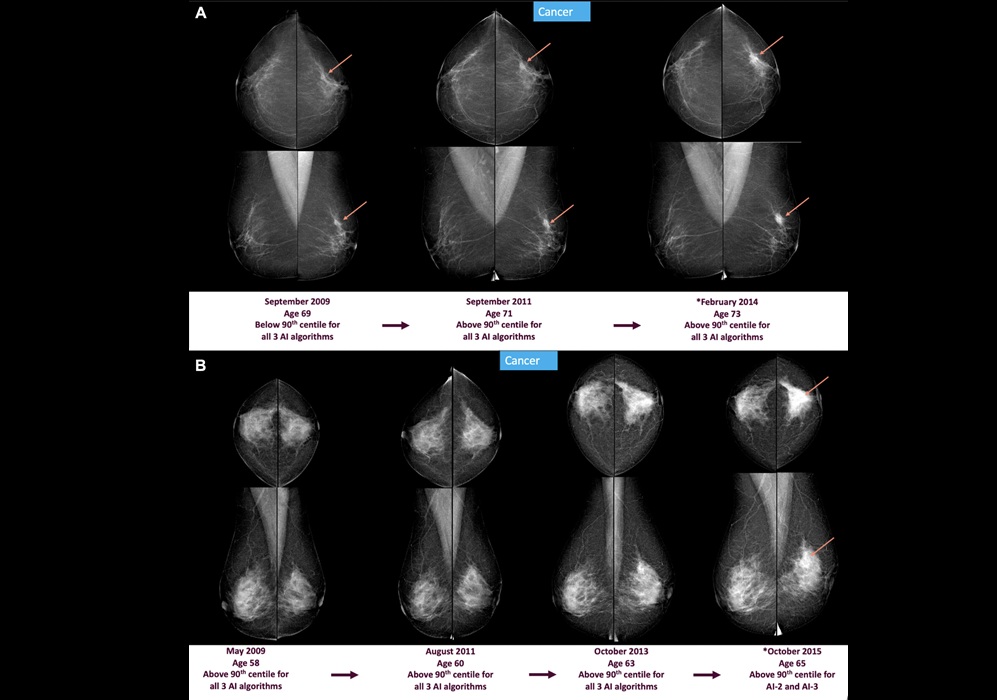
AI Mammography Tools Detect Early Breast Cancer Signs Years Before Diagnosis
Breast cancer screening aims to detect tumors before symptoms develop, but subtle mammographic changes can appear years before diagnosis and may be missed during routine reads. Delayed detection can lead... Read more
Rapid X-Ray Test Quantifies Pulmonary Regurgitation After Tetralogy of Fallot Repair
Tetralogy of Fallot is the most common cyanotic congenital heart defect and can leave patients with pulmonary valve regurgitation, a backward flow of blood into the right ventricle after repair.... Read more

MRI
view channel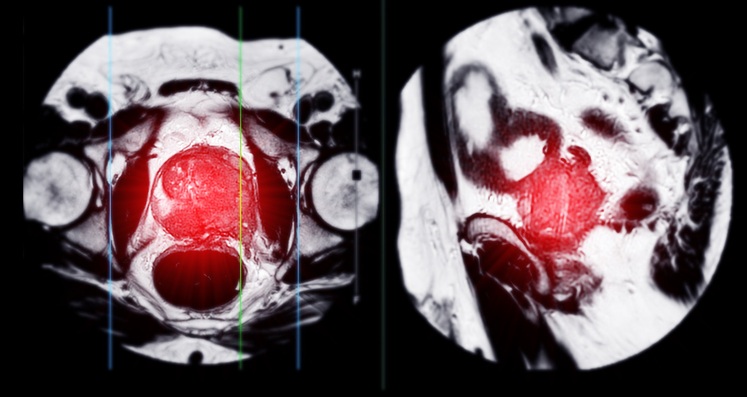
International Study Assesses AI for Prostate Cancer MRI Interpretation
Prostate cancer is a leading cause of cancer morbidity in men, and accurate early diagnosis hinges on expert interpretation of prostate magnetic resonance imaging (MRI). Rapid adoption of MRI-first pathways... Read more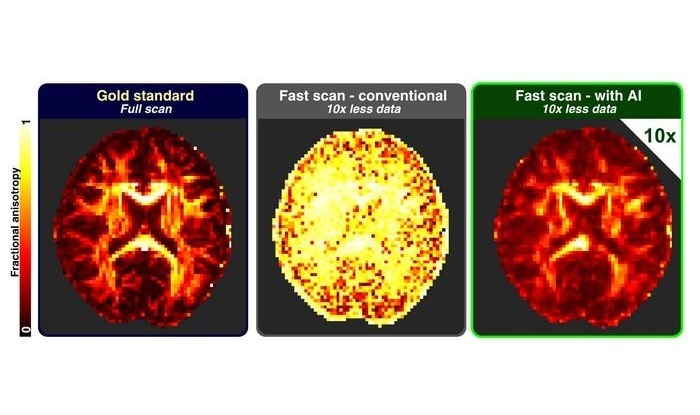
AI Approach Could Shorten Advanced Brain MRI Scans by Up to 90%
Long acquisition times for advanced brain magnetic resonance imaging (MRI) can limit access, extend waiting lists, and disrupt clinical workflows. Reducing data requirements without sacrificing image fidelity... Read more
Ultrasound
view channel
AI Robotic Ultrasound System Automates Echocardiography and Improves Consistency
Echocardiography, an ultrasound examination of the heart, is central to diagnosing and managing cardiovascular disease. Many services struggle with limited availability of skilled sonographers, variable... Read more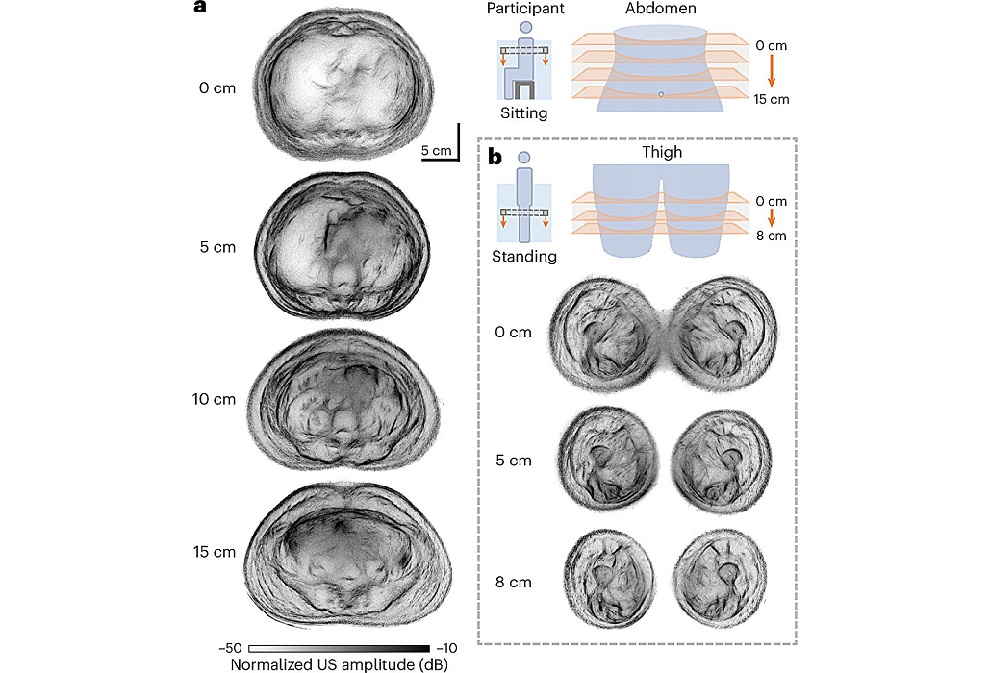
Whole Cross-Section Ultrasound System Enables Operator-Independent Imaging
Conventional ultrasound is central to bedside imaging but is limited by a narrow field of view and operator variability. Comprehensive cross-sectional assessment typically requires computed tomography... Read more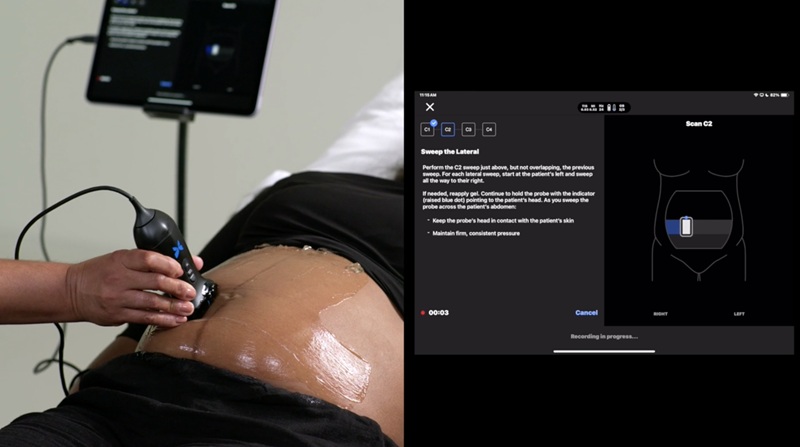
General/Advanced Imaging
view channel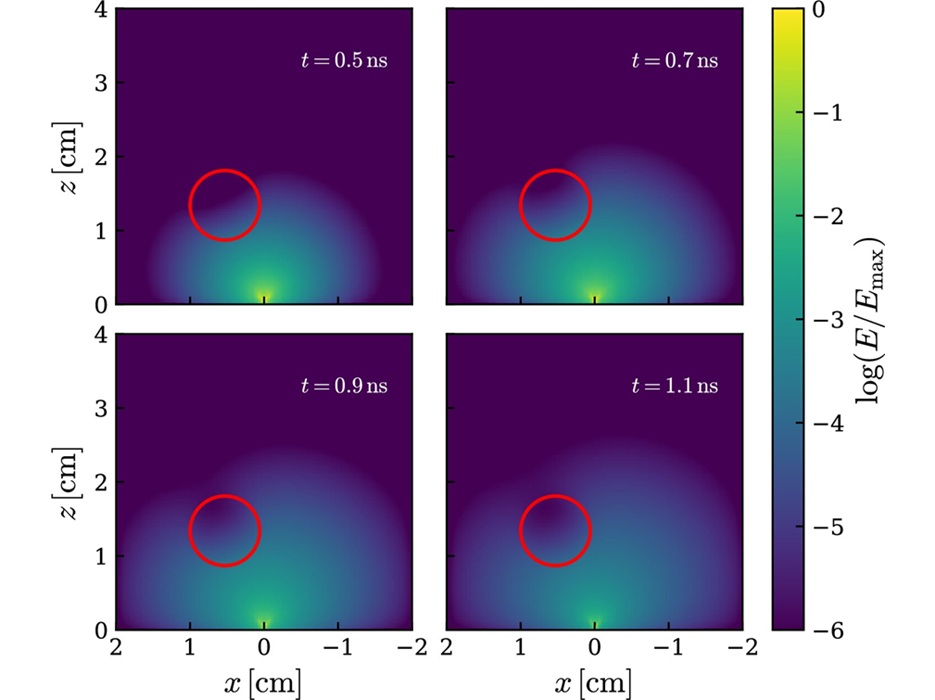
AI Tool Enables Real-Time Diffuse Optical Tomography for Brain Lesion Detection
Diffuse optical tomography is a noninvasive imaging technique that uses near-infrared light to detect internal abnormalities such as cerebral hemorrhage and tumors. Its clinical utility for real-time ... Read more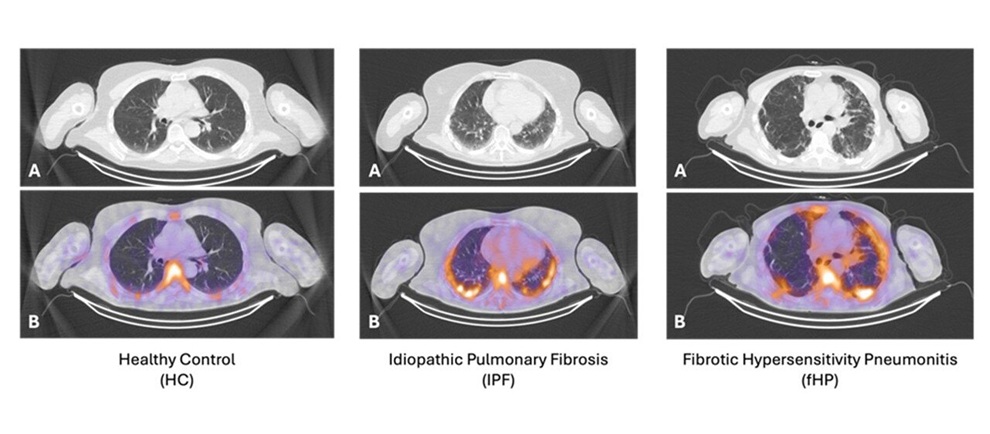
New SPECT/CT Method Differentiates Inflammation from Fibrosis in Interstitial Lung Disease
Interstitial lung disease (ILD) encompasses more than 200 disorders that inflame or scar the lung interstitium and can lead to progressive respiratory failure. Determining whether active inflammation is... Read more
Imaging IT
view channel
Ambient AI Reporting Platform Streamlines Radiology Reporting
Radiology departments face growing imaging volumes and staffing shortages, creating reporting bottlenecks and pressure to maintain turnaround times. Conventional dictation tools document findings after... Read more
Interactive AI Tool Supports Explainable Lung Nodule Assessment
Lung cancer is a leading cause of cancer mortality, and timely characterization of pulmonary nodules on chest computed tomography (CT) is essential for directing care. Interpreting nodule morphology demands... Read more
Breast Imaging Software Enhances Visualization and Tissue Characterization in Challenging Cases
Breast imaging can be particularly challenging in cases involving small breasts or implants, where image reconstruction and tissue characterization may be limited. Clinicians also need reproducible analysis... Read more
Industry News
view channel
GE HealthCare Showcases AI-Enabled Nuclear Medicine Portfolio at SNMMI 2026
Nuclear medicine is expanding rapidly as health systems adopt theranostics and broaden access to radiopharmaceuticals, increasing demand for scalable operations and consistent diagnostic confidence.... Read more
GE HealthCare Highlights AI-Supported Radiation Therapy Tools at ESTRO 2026
At the European Society for Radiotherapy and Oncology (ESTRO) 2026 Congress in Stockholm, GE HealthCare is highlighting Intelligent Radiation Therapy (iRT), MIM Software innovations, and BK Medical surgical... Read more