Project Initiated to Advance Early Detection of Brain Aneurysms
|
By MedImaging International staff writers Posted on 23 Feb 2010 |


|
Preventing deadly ruptures of the blood vessels in the brain is the aim of a new project to help radiologists detect aneurysms with far greater speed and accuracy.
The new method utilizes analytics technology developed by the Mayo Clinic (Rochester, MN, USA) and IBM (Armonk, NY, USA) collaboration, the Medical Imaging Informatics Innovation Center, and has proven a 95% accuracy rate in detecting aneurysms, compared with 70% for manual interpretation. Project findings were reported online November 24, 2009, in the Journal of Digital Imaging.
Already saving patients' lives, the project has examined more than 15 million images from thousands of patients since the project began in early July 2009. It uses technology that combines sophisticated imaging with analytics to highlight likely aneurysms for faster detection. This helps radiologists identify them before they result in brain hemorrhage or neurologic damage. In the future, the Mayo Clinic expects to use the same application for other radiology detection tests such as the diagnosis of cancer or vessel anomalies in other parts of the body.
"This fully automatic scheme is significant in helping radiologists detect aneurysms in magnetic resonance angiography [MRA] exams,” said Mayo radiologist Bradley Erickson, M.D., senior author of the study and codirector of the Medical Imaging Informatics Innovation Center at Mayo Clinic.
One out of 50 people in the United States has an unruptured brain aneurysm--an abnormal outward bulging in the blood vessels in the brain--and approximately 40% of all people who have a ruptured brain aneurysm will die as a result.
Traditionally, a patient suspected of having a brain aneurysm due to a stroke, traumatic injury, or family history would undergo an invasive test using a catheter that injects dye into the body, a technique with risks of neurologic complications. To improve the process of detection using noninvasive magnetic resonance angiography imaging technology, Mayo Clinic and IBM worked to create so-called "automatic reads” that run detection algorithms immediately following a scan.
Once images are acquired, they are automatically routed to servers in the Mayo and IBM Medical Imaging Informatics Innovation Center located on the Mayo campus, a collaborative research facility that combines advanced computing and image processing to provide faster, more accurate image analysis. There algorithms align and analyze images to locate and mark potential aneurysms--even very small ones less than 5 mm--so specially trained radiologists can conduct a further and final analysis.
From the time an image is taken to the time it is ready to be read by a radiologist, there often is only a 10-minute window. In that 10 minutes, the new workflow is able to identify images coming off the scanners and route those related to the head and brain through the special workflow, which then conducts automated aneurysm detection. On average, this can be done in three to five minutes, improving efficiency and saving valuable radiologist's time, leading to a faster diagnosis, which is especially important in the case of a serious aneurysm.
"Our joint work with Mayo Clinic on this project taps IBM's deep expertise in high performance computing and applies it to health analytics, enabling us to remove some of the time and efficiency barriers and making imaging an even more valuable preventative screening tool. Enabling broad access to this capability via cloud delivery is the natural next step,” said Bill Rapp, IBM's CTO of Healthcare and Life Sciences and codirector of the Medical Imaging Informatics Innovation Center.
The aneurysm detection system uses an algorithm developed by Mayo researchers that is executed on IBM WebSphere Process Server to model and orchestrate the automated workflow. Images are stored on IBM DB2 for Linux and Windows data service and workflow logic is run on IBM System x servers and IBM storage.
Related Links:
Mayo Clinic
IBM







The new method utilizes analytics technology developed by the Mayo Clinic (Rochester, MN, USA) and IBM (Armonk, NY, USA) collaboration, the Medical Imaging Informatics Innovation Center, and has proven a 95% accuracy rate in detecting aneurysms, compared with 70% for manual interpretation. Project findings were reported online November 24, 2009, in the Journal of Digital Imaging.
Already saving patients' lives, the project has examined more than 15 million images from thousands of patients since the project began in early July 2009. It uses technology that combines sophisticated imaging with analytics to highlight likely aneurysms for faster detection. This helps radiologists identify them before they result in brain hemorrhage or neurologic damage. In the future, the Mayo Clinic expects to use the same application for other radiology detection tests such as the diagnosis of cancer or vessel anomalies in other parts of the body.
"This fully automatic scheme is significant in helping radiologists detect aneurysms in magnetic resonance angiography [MRA] exams,” said Mayo radiologist Bradley Erickson, M.D., senior author of the study and codirector of the Medical Imaging Informatics Innovation Center at Mayo Clinic.
One out of 50 people in the United States has an unruptured brain aneurysm--an abnormal outward bulging in the blood vessels in the brain--and approximately 40% of all people who have a ruptured brain aneurysm will die as a result.
Traditionally, a patient suspected of having a brain aneurysm due to a stroke, traumatic injury, or family history would undergo an invasive test using a catheter that injects dye into the body, a technique with risks of neurologic complications. To improve the process of detection using noninvasive magnetic resonance angiography imaging technology, Mayo Clinic and IBM worked to create so-called "automatic reads” that run detection algorithms immediately following a scan.
Once images are acquired, they are automatically routed to servers in the Mayo and IBM Medical Imaging Informatics Innovation Center located on the Mayo campus, a collaborative research facility that combines advanced computing and image processing to provide faster, more accurate image analysis. There algorithms align and analyze images to locate and mark potential aneurysms--even very small ones less than 5 mm--so specially trained radiologists can conduct a further and final analysis.
From the time an image is taken to the time it is ready to be read by a radiologist, there often is only a 10-minute window. In that 10 minutes, the new workflow is able to identify images coming off the scanners and route those related to the head and brain through the special workflow, which then conducts automated aneurysm detection. On average, this can be done in three to five minutes, improving efficiency and saving valuable radiologist's time, leading to a faster diagnosis, which is especially important in the case of a serious aneurysm.
"Our joint work with Mayo Clinic on this project taps IBM's deep expertise in high performance computing and applies it to health analytics, enabling us to remove some of the time and efficiency barriers and making imaging an even more valuable preventative screening tool. Enabling broad access to this capability via cloud delivery is the natural next step,” said Bill Rapp, IBM's CTO of Healthcare and Life Sciences and codirector of the Medical Imaging Informatics Innovation Center.
The aneurysm detection system uses an algorithm developed by Mayo researchers that is executed on IBM WebSphere Process Server to model and orchestrate the automated workflow. Images are stored on IBM DB2 for Linux and Windows data service and workflow logic is run on IBM System x servers and IBM storage.
Related Links:
Mayo Clinic
IBM

Half Apron
Demi
Multi-Use Ultrasound Table
Clinton
Digital Radiographic System
OMNERA 300M
Breast Localization System
MAMMOREP LOOP
Latest Radiography News
- Rapid X-Ray Test Quantifies Pulmonary Regurgitation After Tetralogy of Fallot Repair
- AI Tool Flags Osteoporosis Risk from Routine Chest X-Rays
- Simple Chest X-Ray Measure Predicts Survival After Lung Cancer Surgery
- AI Detection Tool Improves Identification of Lobular Breast Cancer
- New Contrast Agent Enables Low-Dose X-Ray Joint Imaging
- AI Boosts Breast Cancer Detection and Cuts Screening Workload
- AI Tool Predicts Breast Cancer Risk Years Ahead Using Routine Mammograms
- Routine Mammograms Could Predict Future Cardiovascular Disease in Women
- AI Detects Early Signs of Aging from Chest X-Rays
- X-Ray Breakthrough Captures Three Image-Contrast Types in Single Shot
- AI Generates Future Knee X-Rays to Predict Osteoarthritis Progression Risk
- AI Algorithm Uses Mammograms to Accurately Predict Cardiovascular Risk in Women
- AI Hybrid Strategy Improves Mammogram Interpretation
- AI Technology Predicts Personalized Five-Year Risk of Developing Breast Cancer
- RSNA AI Challenge Models Can Independently Interpret Mammograms
- New Technique Combines X-Ray Imaging and Radar for Safer Cancer Diagnosis
Channels
MRI
view channel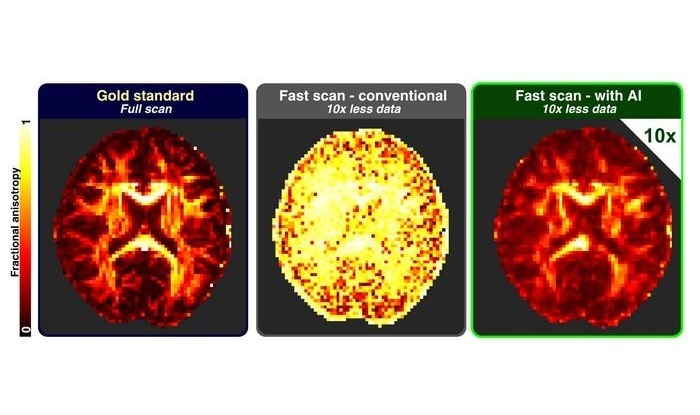
AI Approach Could Shorten Advanced Brain MRI Scans by Up to 90%
Long acquisition times for advanced brain magnetic resonance imaging (MRI) can limit access, extend waiting lists, and disrupt clinical workflows. Reducing data requirements without sacrificing image fidelity... Read more
Cardiac MRI Measure Improves Risk Prediction in Tricuspid Regurgitation
Tricuspid regurgitation, in which blood flows back from the right ventricle into the right atrium, can lead to progressive right-sided heart failure. Clinicians need reliable ways to gauge severity and... Read more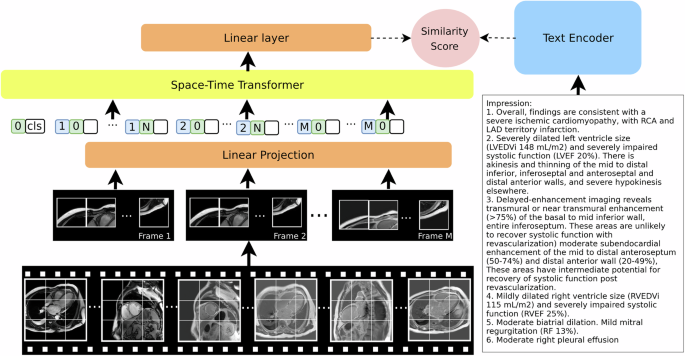
Ultrasound
view channel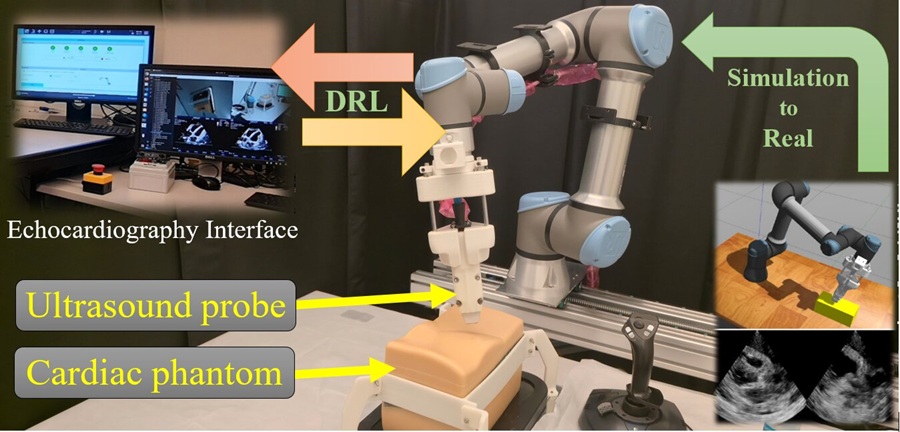
AI Robotic Ultrasound System Automates Echocardiography and Improves Consistency
Echocardiography, an ultrasound examination of the heart, is central to diagnosing and managing cardiovascular disease. Many services struggle with limited availability of skilled sonographers, variable... Read more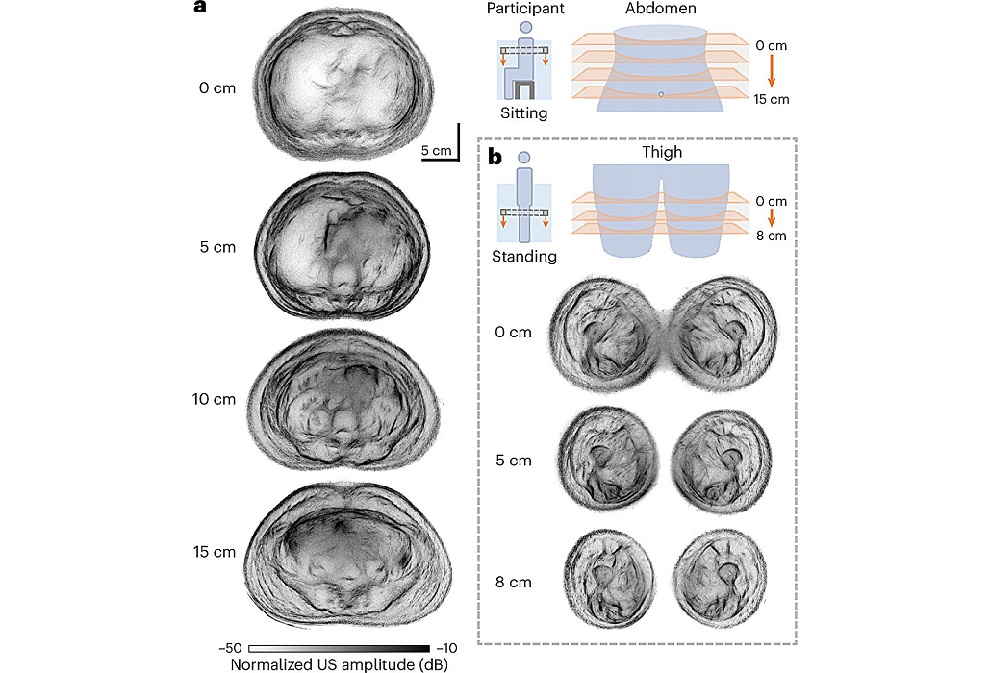
Whole Cross-Section Ultrasound System Enables Operator-Independent Imaging
Conventional ultrasound is central to bedside imaging but is limited by a narrow field of view and operator variability. Comprehensive cross-sectional assessment typically requires computed tomography... Read more
Nuclear Medicine
view channel![Image: (A-C) Representative whole-body maximum-intensity projection images and regional fused PET/CT images from three histologically confirmed osteosarcoma patients who underwent paired [68Ga]Ga-B7-H3-BCH PET/CT and 18F-FDGE PET/CT within 7 days. (D) Multimodal imaging evaluation of patient 3, including X-ray, MRI (T2-weighted imaging, T2WI), CT, and B7-H3 PET/CT. (Photo courtesy of SNMMI)](https://globetechcdn.com/mobile_medicalimaging/images/stories/articles/article_images/2026-06-07/294811110_image_1.jpg "Image: (A-C) Representative whole-body maximum-intensity projection images and regional fused PET/CT images from three histologically confirmed osteosarcoma patients who underwent paired [68Ga]Ga-B7-H3-BCH PET/CT and 18F-FDGE PET/CT within 7 days. (D) Multimodal imaging evaluation of patient 3, including X-ray, MRI (T2-weighted imaging, T2WI), CT, and B7-H3 PET/CT. (Photo courtesy of SNMMI)")
Targeted PET Platform Guides Osteosarcoma Resection and Margin Verification
Osteosarcoma, an aggressive primary bone cancer that mainly affects children and adolescents, demands wide excision to prevent local recurrence. Surgeons must achieve negative margins while preserving... Read more
Portable PET System Enables Real-Time Bedside Guidance for Biopsies and Ablations
Interventional radiology procedures typically rely on ultrasound, X-ray fluoroscopy, or computed tomography for image guidance. These modalities visualize anatomy but offer limited molecular information,... Read more

General/Advanced Imaging
view channel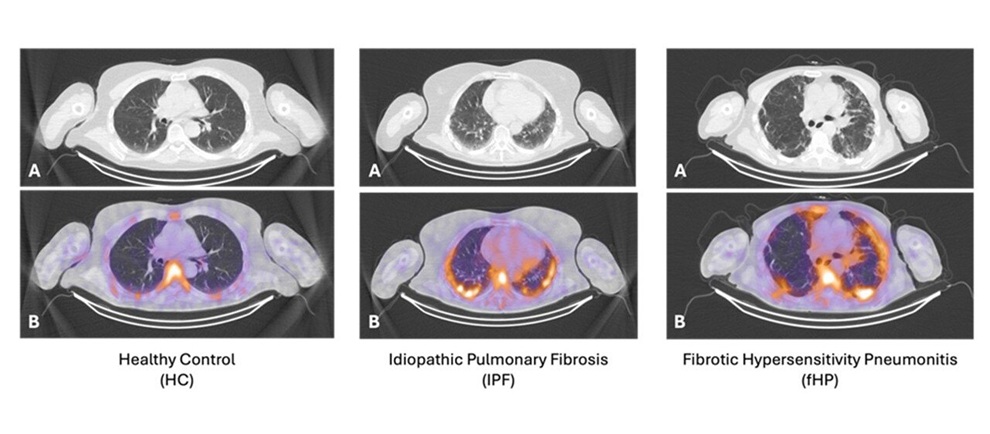
New SPECT/CT Method Differentiates Inflammation from Fibrosis in Interstitial Lung Disease
Interstitial lung disease (ILD) encompasses more than 200 disorders that inflame or scar the lung interstitium and can lead to progressive respiratory failure. Determining whether active inflammation is... Read more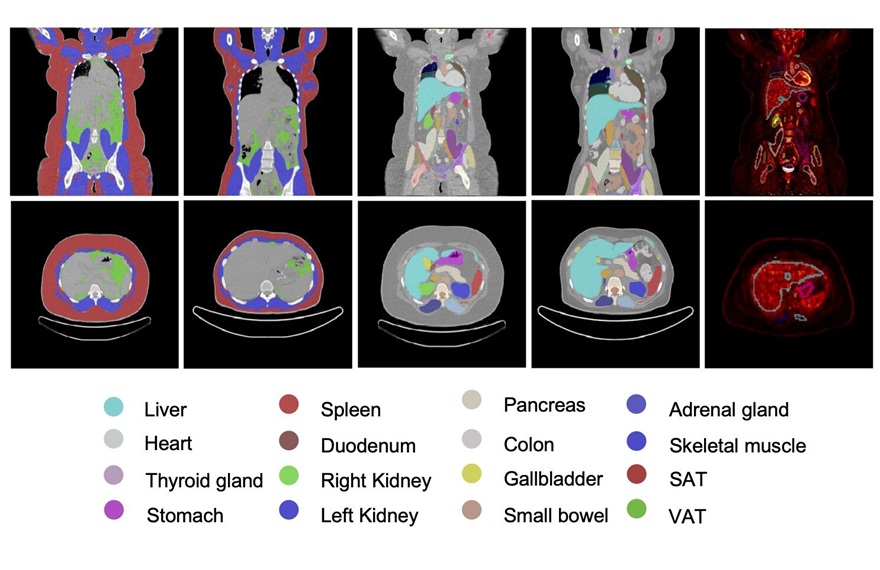
Whole-Body PET/CT Tracks Metabolic Changes After Bariatric Surgery
Obesity surgery improves weight and comorbidity profiles, yet clinicians lack tools to monitor organ-level metabolic recovery after the procedure. A clear view of systemic changes could refine follow-up... Read more
Imaging IT
view channel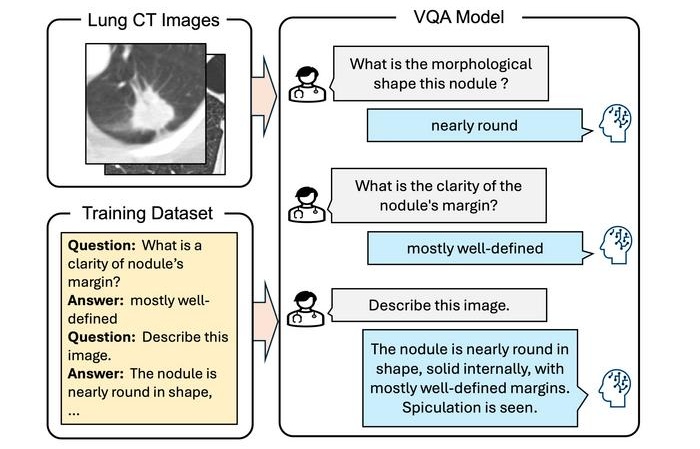
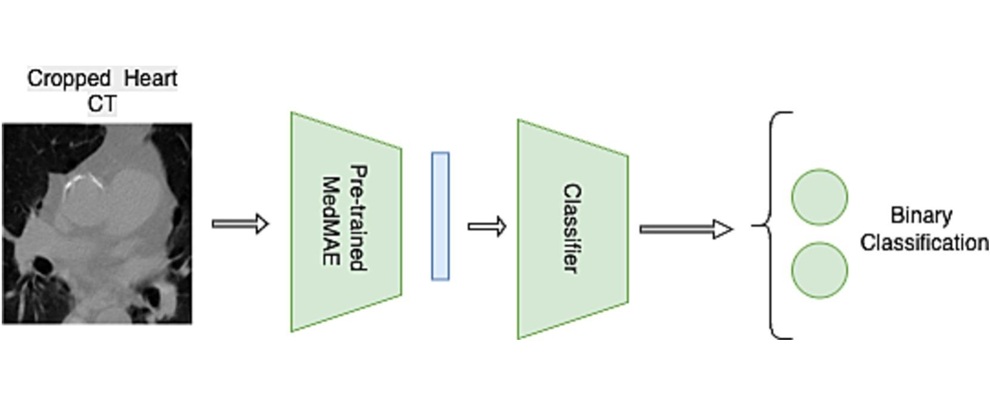
Interactive AI Tool Supports Explainable Lung Nodule Assessment
Lung cancer is a leading cause of cancer mortality, and timely characterization of pulmonary nodules on chest computed tomography (CT) is essential for directing care. Interpreting nodule morphology demands... Read more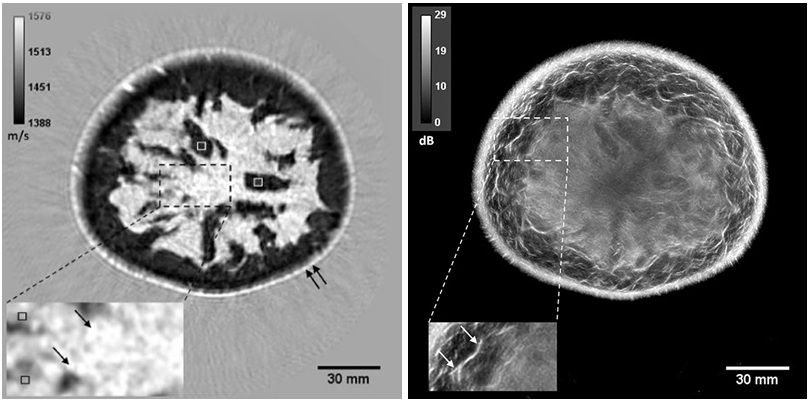
Breast Imaging Software Enhances Visualization and Tissue Characterization in Challenging Cases
Breast imaging can be particularly challenging in cases involving small breasts or implants, where image reconstruction and tissue characterization may be limited. Clinicians also need reproducible analysis... Read more
New Google Cloud Medical Imaging Suite Makes Imaging Healthcare Data More Accessible
Medical imaging is a critical tool used to diagnose patients, and there are billions of medical images scanned globally each year. Imaging data accounts for about 90% of all healthcare data1 and, until... Read more
Global AI in Medical Diagnostics Market to Be Driven by Demand for Image Recognition in Radiology
The global artificial intelligence (AI) in medical diagnostics market is expanding with early disease detection being one of its key applications and image recognition becoming a compelling consumer proposition... Read moreIndustry News
view channel
GE HealthCare Showcases AI-Enabled Nuclear Medicine Portfolio at SNMMI 2026
Nuclear medicine is expanding rapidly as health systems adopt theranostics and broaden access to radiopharmaceuticals, increasing demand for scalable operations and consistent diagnostic confidence.... Read more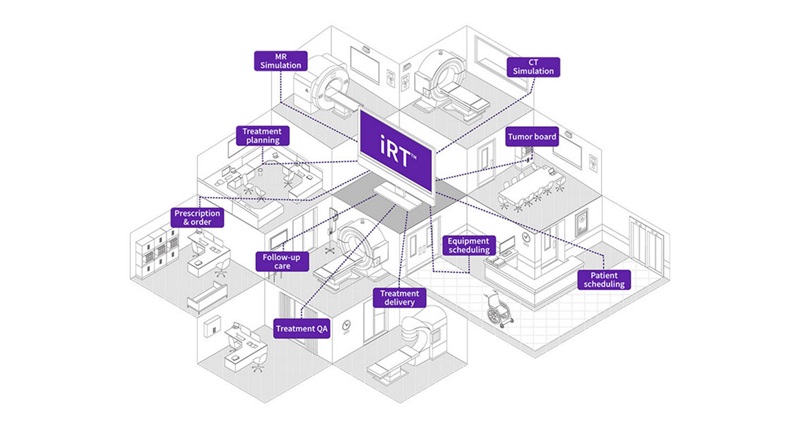
GE HealthCare Highlights AI-Supported Radiation Therapy Tools at ESTRO 2026
At the European Society for Radiotherapy and Oncology (ESTRO) 2026 Congress in Stockholm, GE HealthCare is highlighting Intelligent Radiation Therapy (iRT), MIM Software innovations, and BK Medical surgical... Read more