Slovenia Hospital to Utilize Multimodality Radiotherapy/Radiosurgery Technology
|
By MedImaging International staff writers Posted on 10 Feb 2010 |


|
A new radiotherapy and radiosurgery platform will give Slovenian cancer patients in the country's only radiotherapy department access to advanced radiotherapy and radiosurgery treatments.
Physicians at the Oncology Institute of Ljubljana (Slovenia) intend to begin RapidArc treatments on the Novalis Tx radiosurgery platform for patients with head and neck and prostate cancers. The RapidArc technology was developed by Varian Medical Systems, Inc. (Palo Alto, CA, USA) and the Novalis Tx radiosurgery platform was developed by BrainLAB (Munich, Germany). "The excellent dose distribution, high precision, and extremely fast treatment delivery of the Novalis Tx radiosurgery platform with RapidArc offers a major step forward for both clinicians and patients,” said Dr. Bozidar Casar, lead medical physicist. "To be able to deliver this using a multimodality platform which integrates all modern radiotherapy and radiosurgery technologies will be very beneficial for our patients.”
With the new Novalis Tx radiosurgery platform, the clinic can complete complicated radiosurgery by delivering more powerful doses to brain tumors or small metastatic lesions throughout the body in just one to five sessions. "We're able to use the radiation beam rather than a scalpel to remove disease without making a single incision,” said Dr. Casar. "It's faster and much easier on patients.”
The Oncology Institute of Ljubljana treats over 4,000 new cancer patients--or 5,100 individual treatment courses--each year using six-megavoltage treatment units, some of them unable to deliver advanced radiotherapy technologies such as image-guided radiotherapy and intensity modulated radiotherapy. The hospital also treats several hundred new cancer cases each year with brachytherapy. The lack of radiotherapy capacity in Slovenia, a country of just under two million inhabitants, has led to long waiting lists.
"Even though we work in two shifts using the six-megavoltage treatment machines, our capacity is clearly insufficient to meet the current standard of 50% of cancer patients that should receive radiotherapy during the course of their disease,” said Prof. Primoz Strojan, head of the radiotherapy department. "All patients with cancer that need radiotherapy have to come to our hospital. With Novalis Tx and RapidArc technology we are gaining a powerful weapon in our fight against cancer which should have, among many other benefits, a positive influence on bringing down waiting lists.”
The Novalis Tx radiosurgery platform features very high dose delivery rates, which contributes to shorter treatment times. It also offers dynamic fine beam shaping and noninvasive, precise patient positioning for rapid and more comfortable treatments. Specialized X-ray imaging systems are used to pinpoint the target and position the patient with millimeter accuracy, compensating for any motion that occurs during a treatment.
Dr. Casar reported that the clinic would be ready to deliver the full range of treatments when the Novalis Tx radiosurgery platform with RapidArc capability is commissioned in mid-2010.
Varian Medical Systems is a world-leading manufacturer of medical devices and software for treating cancer and other medical conditions with radiotherapy, radiosurgery, proton therapy, and brachytherapy. The company supplies informatics software for managing comprehensive cancer clinics, radiotherapy centers, and medical oncology practices.
BrainLAB develops, manufactures, and markets software-driven medical technology that enables procedures that are more precise, less invasive, and less expensive than traditional treatments. Among the core products are image-guided systems that provide highly accurate real-time information used for navigation during surgical procedures. This utility has been further expanded to serve as a computer terminal for physicians to more effectively access and interpret diagnostic scans, and other digital medical information for better informed decisions.
Related Links:
Varian Medical Systems
BrainLAB






Physicians at the Oncology Institute of Ljubljana (Slovenia) intend to begin RapidArc treatments on the Novalis Tx radiosurgery platform for patients with head and neck and prostate cancers. The RapidArc technology was developed by Varian Medical Systems, Inc. (Palo Alto, CA, USA) and the Novalis Tx radiosurgery platform was developed by BrainLAB (Munich, Germany). "The excellent dose distribution, high precision, and extremely fast treatment delivery of the Novalis Tx radiosurgery platform with RapidArc offers a major step forward for both clinicians and patients,” said Dr. Bozidar Casar, lead medical physicist. "To be able to deliver this using a multimodality platform which integrates all modern radiotherapy and radiosurgery technologies will be very beneficial for our patients.”
With the new Novalis Tx radiosurgery platform, the clinic can complete complicated radiosurgery by delivering more powerful doses to brain tumors or small metastatic lesions throughout the body in just one to five sessions. "We're able to use the radiation beam rather than a scalpel to remove disease without making a single incision,” said Dr. Casar. "It's faster and much easier on patients.”
The Oncology Institute of Ljubljana treats over 4,000 new cancer patients--or 5,100 individual treatment courses--each year using six-megavoltage treatment units, some of them unable to deliver advanced radiotherapy technologies such as image-guided radiotherapy and intensity modulated radiotherapy. The hospital also treats several hundred new cancer cases each year with brachytherapy. The lack of radiotherapy capacity in Slovenia, a country of just under two million inhabitants, has led to long waiting lists.
"Even though we work in two shifts using the six-megavoltage treatment machines, our capacity is clearly insufficient to meet the current standard of 50% of cancer patients that should receive radiotherapy during the course of their disease,” said Prof. Primoz Strojan, head of the radiotherapy department. "All patients with cancer that need radiotherapy have to come to our hospital. With Novalis Tx and RapidArc technology we are gaining a powerful weapon in our fight against cancer which should have, among many other benefits, a positive influence on bringing down waiting lists.”
The Novalis Tx radiosurgery platform features very high dose delivery rates, which contributes to shorter treatment times. It also offers dynamic fine beam shaping and noninvasive, precise patient positioning for rapid and more comfortable treatments. Specialized X-ray imaging systems are used to pinpoint the target and position the patient with millimeter accuracy, compensating for any motion that occurs during a treatment.
Dr. Casar reported that the clinic would be ready to deliver the full range of treatments when the Novalis Tx radiosurgery platform with RapidArc capability is commissioned in mid-2010.
Varian Medical Systems is a world-leading manufacturer of medical devices and software for treating cancer and other medical conditions with radiotherapy, radiosurgery, proton therapy, and brachytherapy. The company supplies informatics software for managing comprehensive cancer clinics, radiotherapy centers, and medical oncology practices.
BrainLAB develops, manufactures, and markets software-driven medical technology that enables procedures that are more precise, less invasive, and less expensive than traditional treatments. Among the core products are image-guided systems that provide highly accurate real-time information used for navigation during surgical procedures. This utility has been further expanded to serve as a computer terminal for physicians to more effectively access and interpret diagnostic scans, and other digital medical information for better informed decisions.
Related Links:
Varian Medical Systems
BrainLAB

Mammo DR Retrofit Solution
DR Retrofit Mammography
Ultrasonic Pocket Doppler
SD1
Ultrasound Needle Guidance System
SonoSite L25
Post-Processing Imaging System
DynaCAD Prostate
Latest Radiography News
- Rapid X-Ray Test Quantifies Pulmonary Regurgitation After Tetralogy of Fallot Repair
- AI Tool Flags Osteoporosis Risk from Routine Chest X-Rays
- Simple Chest X-Ray Measure Predicts Survival After Lung Cancer Surgery
- AI Detection Tool Improves Identification of Lobular Breast Cancer
- New Contrast Agent Enables Low-Dose X-Ray Joint Imaging
- AI Boosts Breast Cancer Detection and Cuts Screening Workload
- AI Tool Predicts Breast Cancer Risk Years Ahead Using Routine Mammograms
- Routine Mammograms Could Predict Future Cardiovascular Disease in Women
- AI Detects Early Signs of Aging from Chest X-Rays
- X-Ray Breakthrough Captures Three Image-Contrast Types in Single Shot
- AI Generates Future Knee X-Rays to Predict Osteoarthritis Progression Risk
- AI Algorithm Uses Mammograms to Accurately Predict Cardiovascular Risk in Women
- AI Hybrid Strategy Improves Mammogram Interpretation
- AI Technology Predicts Personalized Five-Year Risk of Developing Breast Cancer
- RSNA AI Challenge Models Can Independently Interpret Mammograms
- New Technique Combines X-Ray Imaging and Radar for Safer Cancer Diagnosis
Channels
MRI
view channel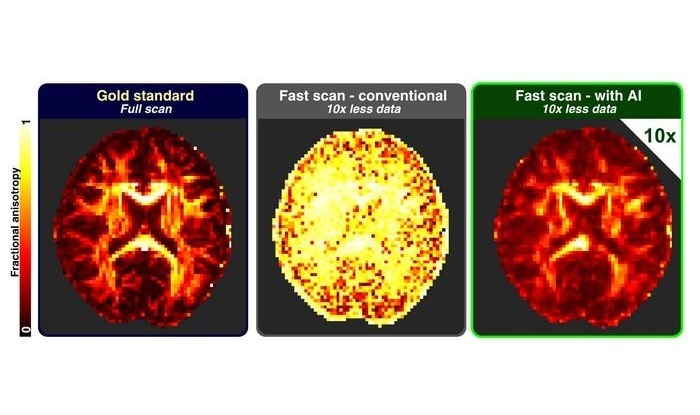
AI Approach Could Shorten Advanced Brain MRI Scans by Up to 90%
Long acquisition times for advanced brain magnetic resonance imaging (MRI) can limit access, extend waiting lists, and disrupt clinical workflows. Reducing data requirements without sacrificing image fidelity... Read more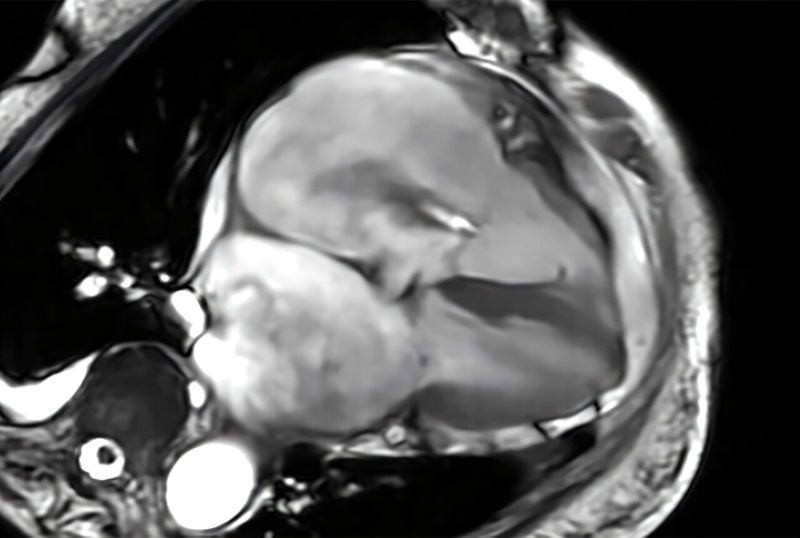
Cardiac MRI Measure Improves Risk Prediction in Tricuspid Regurgitation
Tricuspid regurgitation, in which blood flows back from the right ventricle into the right atrium, can lead to progressive right-sided heart failure. Clinicians need reliable ways to gauge severity and... Read more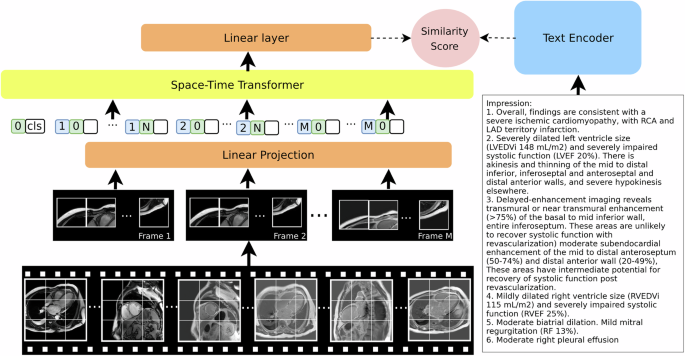

Ultrasound
view channel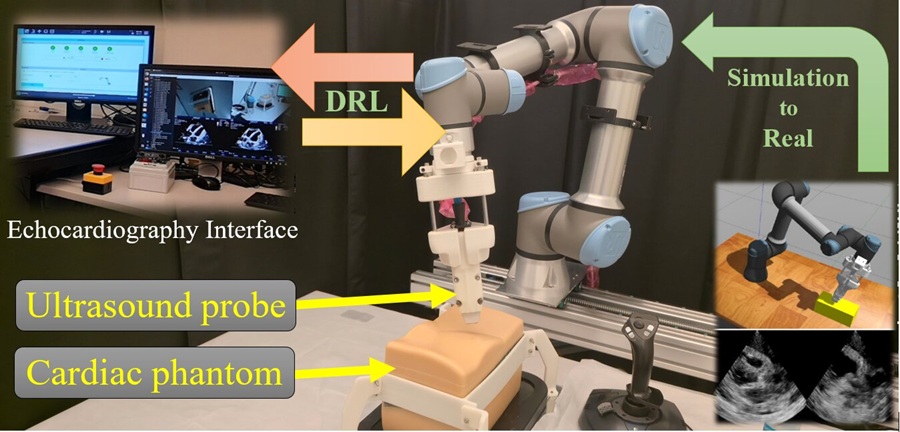
AI Robotic Ultrasound System Automates Echocardiography and Improves Consistency
Echocardiography, an ultrasound examination of the heart, is central to diagnosing and managing cardiovascular disease. Many services struggle with limited availability of skilled sonographers, variable... Read more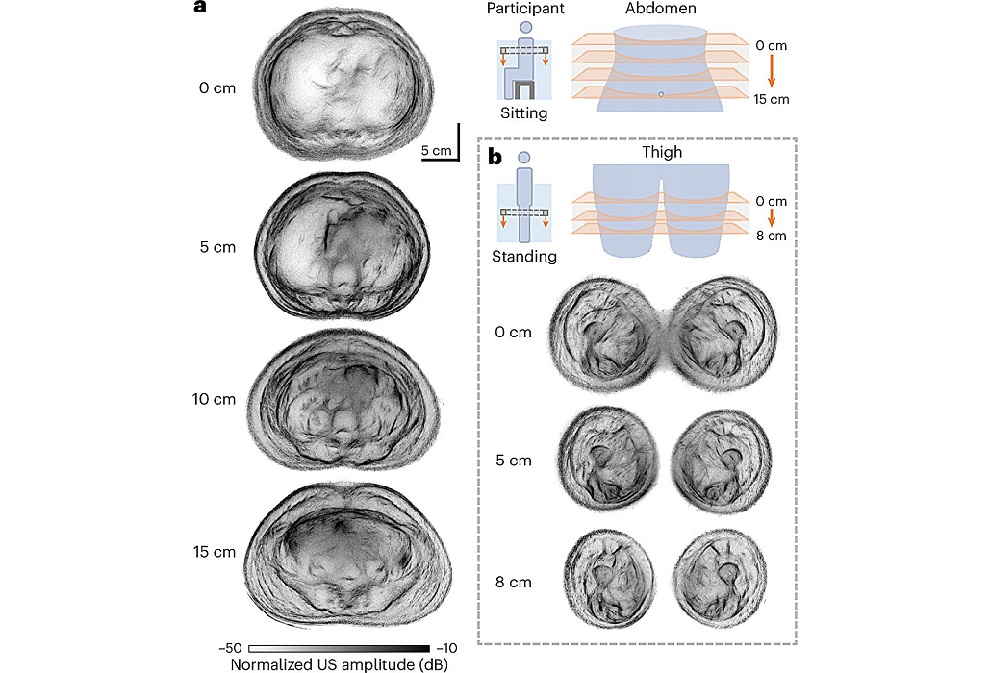
Whole Cross-Section Ultrasound System Enables Operator-Independent Imaging
Conventional ultrasound is central to bedside imaging but is limited by a narrow field of view and operator variability. Comprehensive cross-sectional assessment typically requires computed tomography... Read more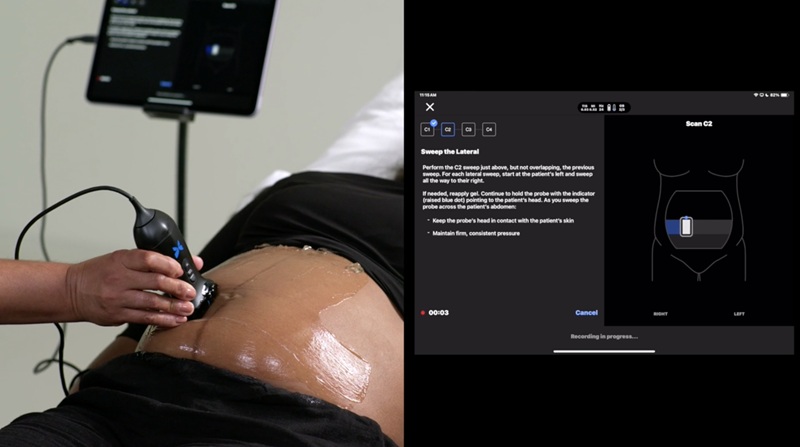
Nuclear Medicine
view channel![Image: (A-C) Representative whole-body maximum-intensity projection images and regional fused PET/CT images from three histologically confirmed osteosarcoma patients who underwent paired [68Ga]Ga-B7-H3-BCH PET/CT and 18F-FDGE PET/CT within 7 days. (D) Multimodal imaging evaluation of patient 3, including X-ray, MRI (T2-weighted imaging, T2WI), CT, and B7-H3 PET/CT. (Photo courtesy of SNMMI)](https://globetechcdn.com/mobile_medicalimaging/images/stories/articles/article_images/2026-06-07/294811110_image_1.jpg "Image: (A-C) Representative whole-body maximum-intensity projection images and regional fused PET/CT images from three histologically confirmed osteosarcoma patients who underwent paired [68Ga]Ga-B7-H3-BCH PET/CT and 18F-FDGE PET/CT within 7 days. (D) Multimodal imaging evaluation of patient 3, including X-ray, MRI (T2-weighted imaging, T2WI), CT, and B7-H3 PET/CT. (Photo courtesy of SNMMI)")
Targeted PET Platform Guides Osteosarcoma Resection and Margin Verification
Osteosarcoma, an aggressive primary bone cancer that mainly affects children and adolescents, demands wide excision to prevent local recurrence. Surgeons must achieve negative margins while preserving... Read more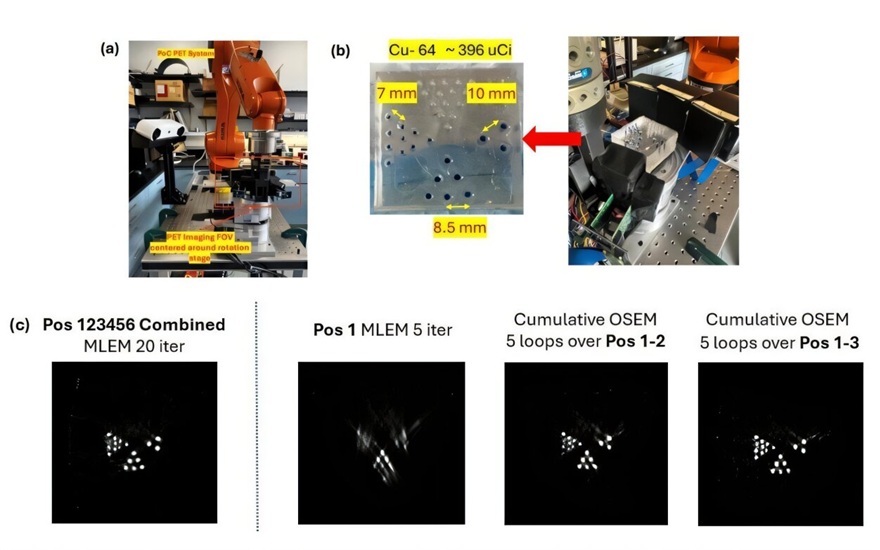
Portable PET System Enables Real-Time Bedside Guidance for Biopsies and Ablations
Interventional radiology procedures typically rely on ultrasound, X-ray fluoroscopy, or computed tomography for image guidance. These modalities visualize anatomy but offer limited molecular information,... Read more

General/Advanced Imaging
view channel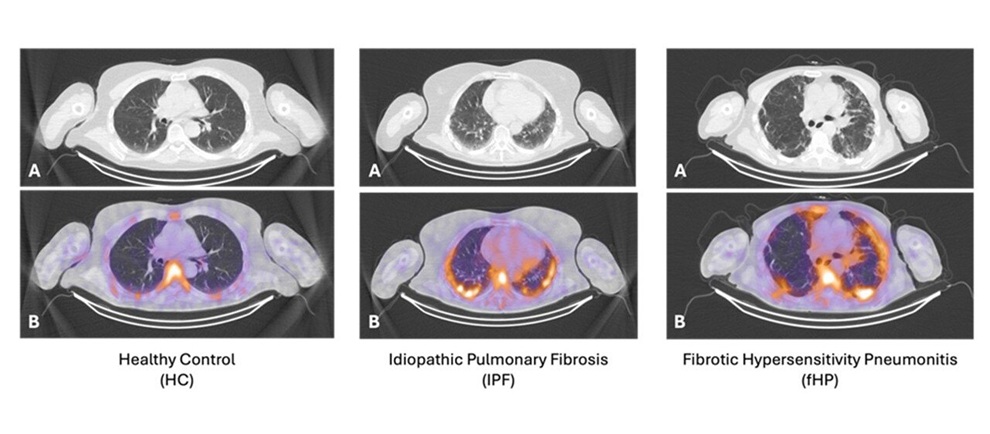
New SPECT/CT Method Differentiates Inflammation from Fibrosis in Interstitial Lung Disease
Interstitial lung disease (ILD) encompasses more than 200 disorders that inflame or scar the lung interstitium and can lead to progressive respiratory failure. Determining whether active inflammation is... Read more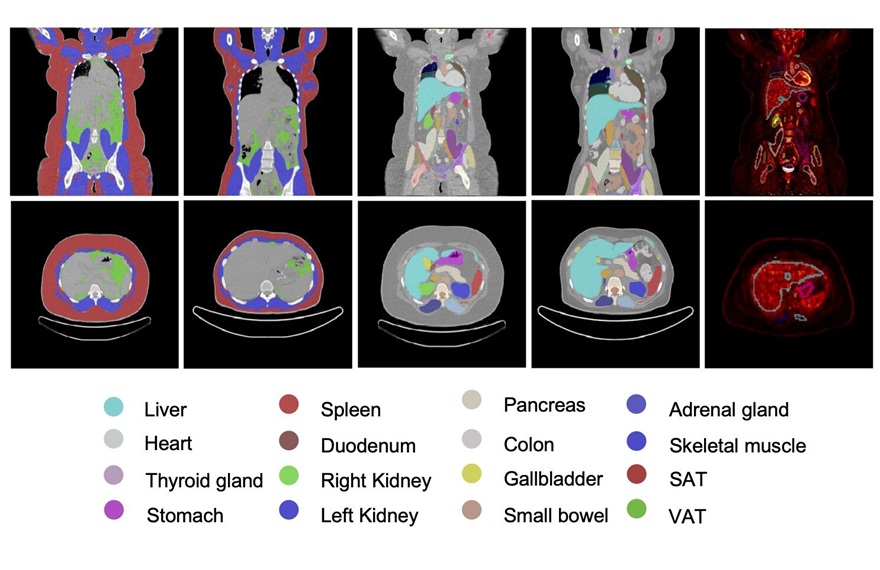
Whole-Body PET/CT Tracks Metabolic Changes After Bariatric Surgery
Obesity surgery improves weight and comorbidity profiles, yet clinicians lack tools to monitor organ-level metabolic recovery after the procedure. A clear view of systemic changes could refine follow-up... Read more
Imaging IT
view channel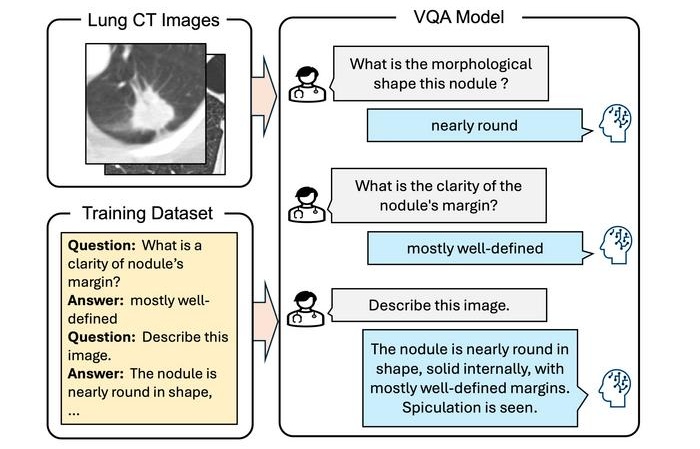
Interactive AI Tool Supports Explainable Lung Nodule Assessment
Lung cancer is a leading cause of cancer mortality, and timely characterization of pulmonary nodules on chest computed tomography (CT) is essential for directing care. Interpreting nodule morphology demands... Read more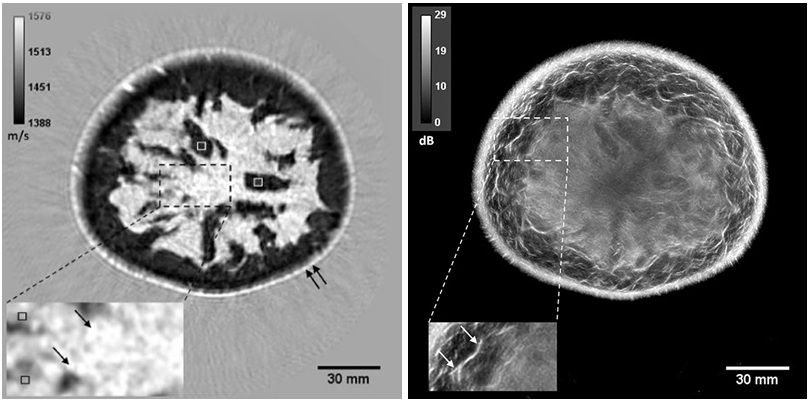
Breast Imaging Software Enhances Visualization and Tissue Characterization in Challenging Cases
Breast imaging can be particularly challenging in cases involving small breasts or implants, where image reconstruction and tissue characterization may be limited. Clinicians also need reproducible analysis... Read more
New Google Cloud Medical Imaging Suite Makes Imaging Healthcare Data More Accessible
Medical imaging is a critical tool used to diagnose patients, and there are billions of medical images scanned globally each year. Imaging data accounts for about 90% of all healthcare data1 and, until... Read more
Global AI in Medical Diagnostics Market to Be Driven by Demand for Image Recognition in Radiology
The global artificial intelligence (AI) in medical diagnostics market is expanding with early disease detection being one of its key applications and image recognition becoming a compelling consumer proposition... Read moreIndustry News
view channel
GE HealthCare Showcases AI-Enabled Nuclear Medicine Portfolio at SNMMI 2026
Nuclear medicine is expanding rapidly as health systems adopt theranostics and broaden access to radiopharmaceuticals, increasing demand for scalable operations and consistent diagnostic confidence.... Read more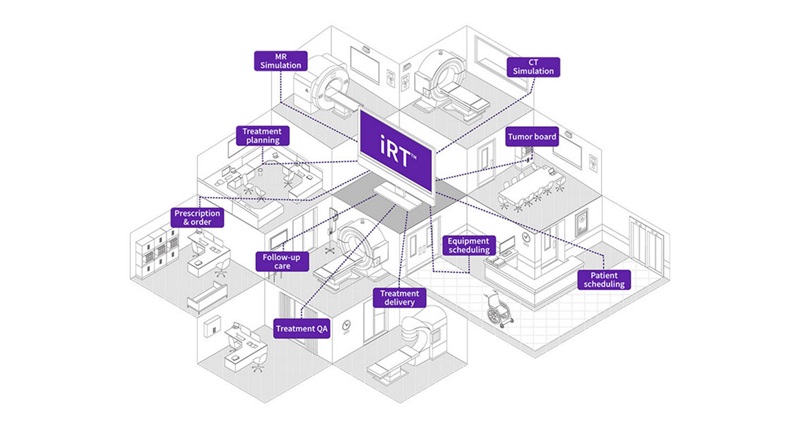
GE HealthCare Highlights AI-Supported Radiation Therapy Tools at ESTRO 2026
At the European Society for Radiotherapy and Oncology (ESTRO) 2026 Congress in Stockholm, GE HealthCare is highlighting Intelligent Radiation Therapy (iRT), MIM Software innovations, and BK Medical surgical... Read more