


Imaging Vital for Personalized Medicine to Succeed
|
By MedImaging International staff writers Posted on 13 Nov 2009 |


|
Personalized medicine--a new approach to therapy designed for the individual patient--is a popular concept in healthcare today, but according to a new market research report, it will be driven by the imaging industry, in particular the new molecular technologies. If images can reveal not just the heightened metabolic activity characteristic of tumors but the tumors' chemical signatures, physicians can devise individualized therapies. They will lead to more effective treatments at a lower cost, according to a recent market report.
Today, virtually nothing of significance takes place in medicine without an image, according to healthcare market research publisher Kalorama Information (New York, NY, USA). While medical imaging equipment markets have experienced a drop in sales due to the recession, this is not the case for contrast agents and radiopharmaceuticals. Healthcare market research publisher Kalorama expects annual growth rates for contrast agents used with most modalities to range from 5-11%. Radiopharmaceuticals, which are radioactive pharmaceuticals used as tracers in the diagnosis and treatment of many illnesses in nuclear medicine and molecular imaging, will experience slightly stronger annual growth--in the range of 10-16% from US$830 million in 2008.
Nuclear medicine, including single photon emission tomography (SPECT) and positron emission tomography (PET), will transform how diseases such as cancer or Alzheimer's are treated. Using radiopharmaceuticals, after the illness is identified and treatment begins, doctors can evaluate its effectiveness by tracking the production or inhibition of amyloids, instead of waiting months to evaluate subjectively whether behavior has changed. If a drug does not have the desired effect, treatment can be adjusted.
"Because molecular imaging allows for functional as well as anatomical imaging, diseases can be diagnosed at a much earlier stage and individualized therapies applied,” noted Bruce Carlson, publisher of Kalorama Information. "With nuclear medicine making gains as a powerful tool for identifying and targeting the root of disease, radiopharmaceutical contrast agents are sure to enjoy strong growth.”
Both diagnostic and therapeutic radiopharmaceuticals are becoming increasingly important as the market shifts towards molecular imaging, which is expected to remain at the forefront of research given its unique ability to image molecular abnormalities that are the basis of disease and the processes that are in progress, prior to the structural changes produced by the processes.
Kalorama Information supplies independent market research in the life sciences, as well as custom research services.
Related Links:
Kalorama Information






Today, virtually nothing of significance takes place in medicine without an image, according to healthcare market research publisher Kalorama Information (New York, NY, USA). While medical imaging equipment markets have experienced a drop in sales due to the recession, this is not the case for contrast agents and radiopharmaceuticals. Healthcare market research publisher Kalorama expects annual growth rates for contrast agents used with most modalities to range from 5-11%. Radiopharmaceuticals, which are radioactive pharmaceuticals used as tracers in the diagnosis and treatment of many illnesses in nuclear medicine and molecular imaging, will experience slightly stronger annual growth--in the range of 10-16% from US$830 million in 2008.
Nuclear medicine, including single photon emission tomography (SPECT) and positron emission tomography (PET), will transform how diseases such as cancer or Alzheimer's are treated. Using radiopharmaceuticals, after the illness is identified and treatment begins, doctors can evaluate its effectiveness by tracking the production or inhibition of amyloids, instead of waiting months to evaluate subjectively whether behavior has changed. If a drug does not have the desired effect, treatment can be adjusted.
"Because molecular imaging allows for functional as well as anatomical imaging, diseases can be diagnosed at a much earlier stage and individualized therapies applied,” noted Bruce Carlson, publisher of Kalorama Information. "With nuclear medicine making gains as a powerful tool for identifying and targeting the root of disease, radiopharmaceutical contrast agents are sure to enjoy strong growth.”
Both diagnostic and therapeutic radiopharmaceuticals are becoming increasingly important as the market shifts towards molecular imaging, which is expected to remain at the forefront of research given its unique ability to image molecular abnormalities that are the basis of disease and the processes that are in progress, prior to the structural changes produced by the processes.
Kalorama Information supplies independent market research in the life sciences, as well as custom research services.
Related Links:
Kalorama Information

Adjustable Mobile Barrier
M-458
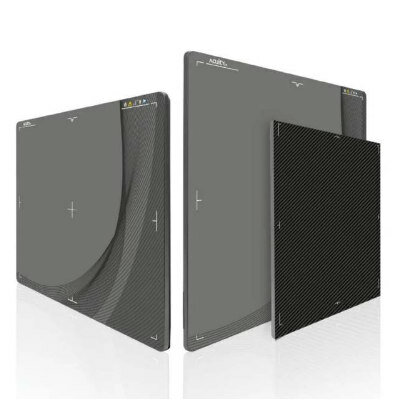
Digital X-Ray Detector Panel
Acuity G4
Ultrasound Needle Guidance System
SonoSite L25
Silver Member
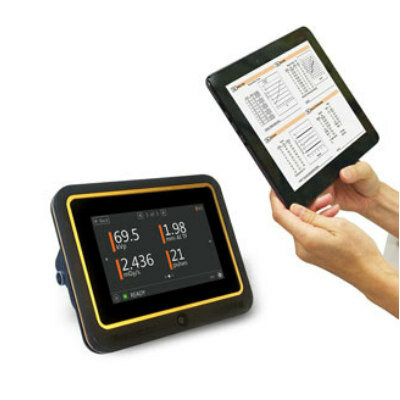
X-Ray QA Device
Accu-Gold+ Touch Pro
Latest Nuclear Medicine News
- Targeted PET Platform Guides Osteosarcoma Resection and Margin Verification
- Portable PET System Enables Real-Time Bedside Guidance for Biopsies and Ablations
- AI Model Predicts Radiation Dose Before Prostate Cancer Therapy
- Vault-Free Radiosurgery Platform Expands Access to Cranial Tumor Care
- MR-Guided Cardiac Mapping System Enables Radiation-Free Procedures
- New Imaging Tool Sheds Light on Tumor Fat Metabolism
- PET Tracer Enables Noninvasive Measurement of Beta Cell Mass
- Radiopharmaceutical Molecule Marker to Improve Choice of Bladder Cancer Therapies
- Cancer “Flashlight” Shows Who Can Benefit from Targeted Treatments
- PET Imaging of Inflammation Predicts Recovery and Guides Therapy After Heart Attack
- Radiotheranostic Approach Detects, Kills and Reprograms Aggressive Cancers
- New Imaging Solution Improves Survival for Patients with Recurring Prostate Cancer
- PET Tracer Enables Same-Day Imaging of Triple-Negative Breast and Urothelial Cancers
- New Camera Sees Inside Human Body for Enhanced Scanning and Diagnosis
- Novel Bacteria-Specific PET Imaging Approach Detects Hard-To-Diagnose Lung Infections
- New Imaging Approach Could Reduce Need for Biopsies to Monitor Prostate Cancer
Channels
Radiography
view channel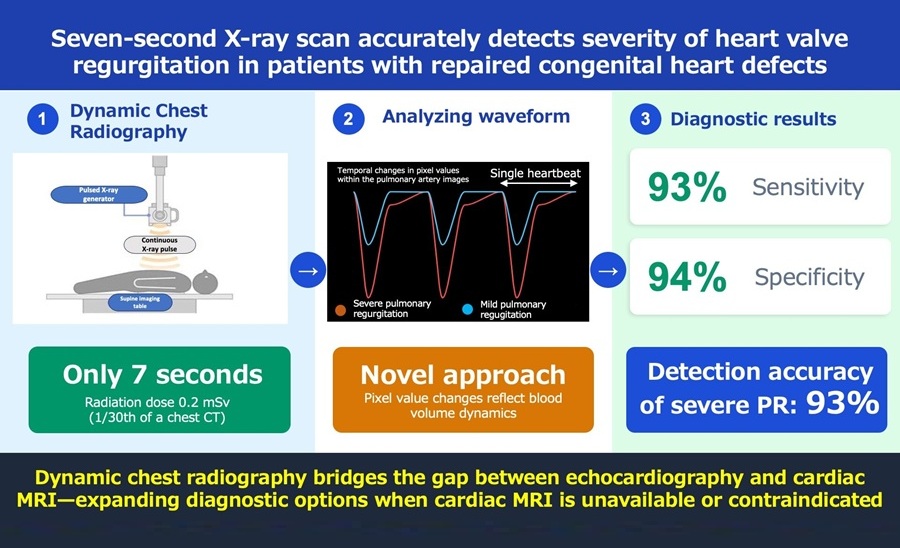
Rapid X-Ray Test Quantifies Pulmonary Regurgitation After Tetralogy of Fallot Repair
Tetralogy of Fallot is the most common cyanotic congenital heart defect and can leave patients with pulmonary valve regurgitation, a backward flow of blood into the right ventricle after repair.... Read more
AI Tool Flags Osteoporosis Risk from Routine Chest X-Rays
Osteoporosis is a progressive loss of bone density that is often silent until a fracture occurs. Current screening frameworks concentrate on older women and select high-risk groups. Many men, younger adults,... Read more
MRI
view channel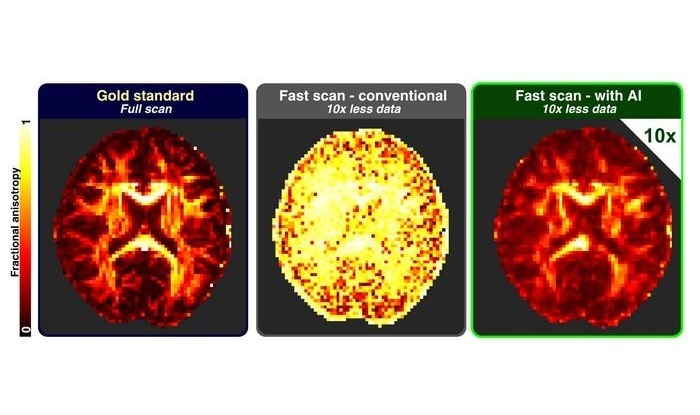
AI Approach Could Shorten Advanced Brain MRI Scans by Up to 90%
Long acquisition times for advanced brain magnetic resonance imaging (MRI) can limit access, extend waiting lists, and disrupt clinical workflows. Reducing data requirements without sacrificing image fidelity... Read more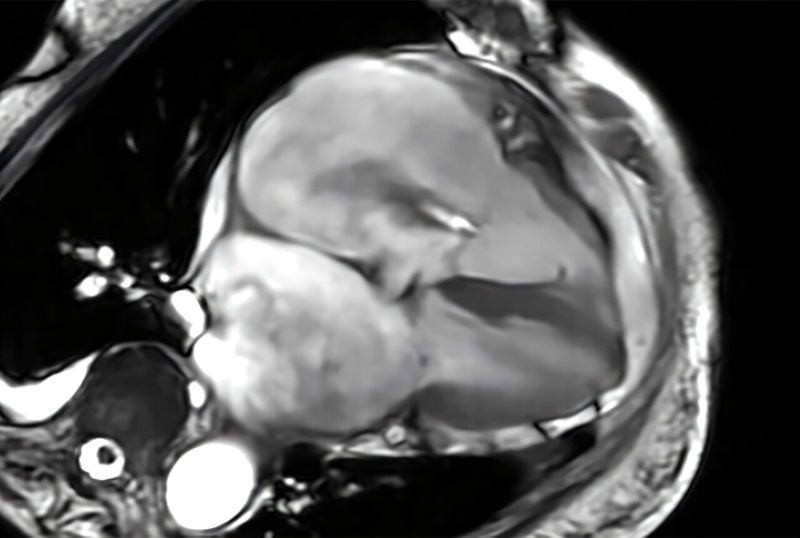
Cardiac MRI Measure Improves Risk Prediction in Tricuspid Regurgitation
Tricuspid regurgitation, in which blood flows back from the right ventricle into the right atrium, can lead to progressive right-sided heart failure. Clinicians need reliable ways to gauge severity and... Read more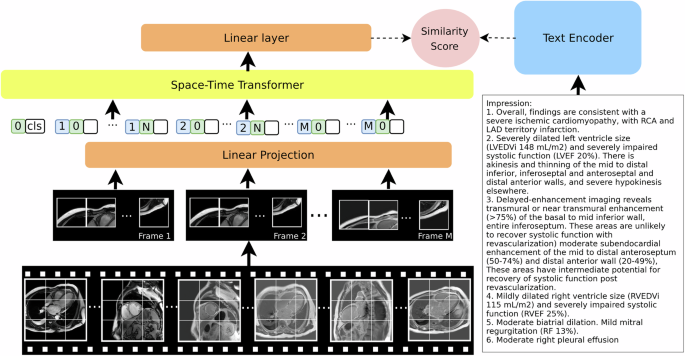

Ultrasound
view channel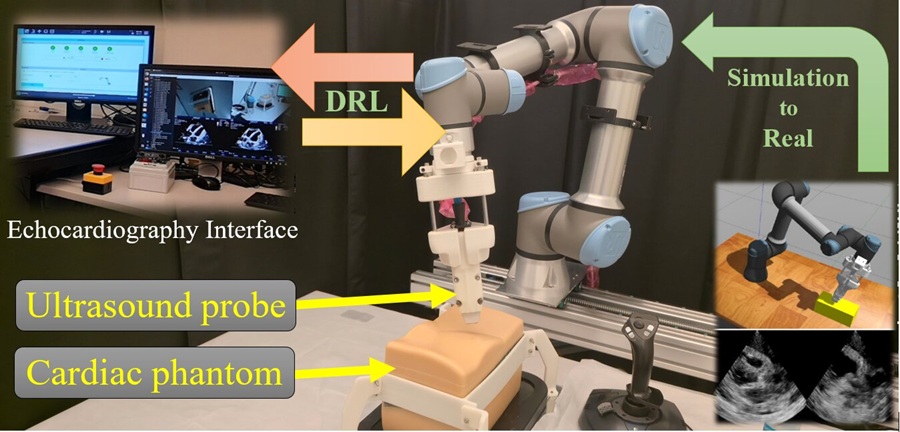
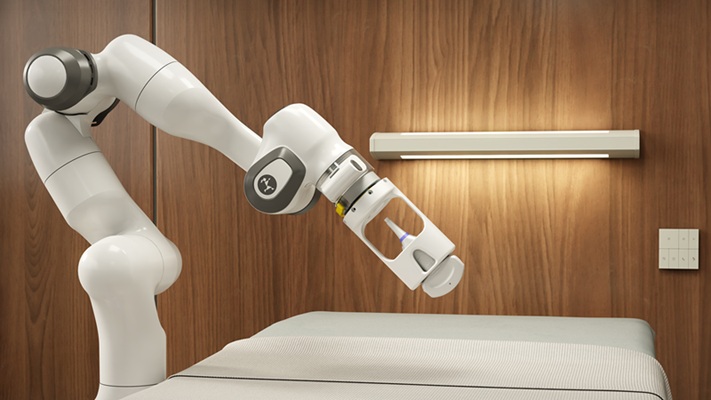
AI Robotic Ultrasound System Automates Echocardiography and Improves Consistency
Echocardiography, an ultrasound examination of the heart, is central to diagnosing and managing cardiovascular disease. Many services struggle with limited availability of skilled sonographers, variable... Read more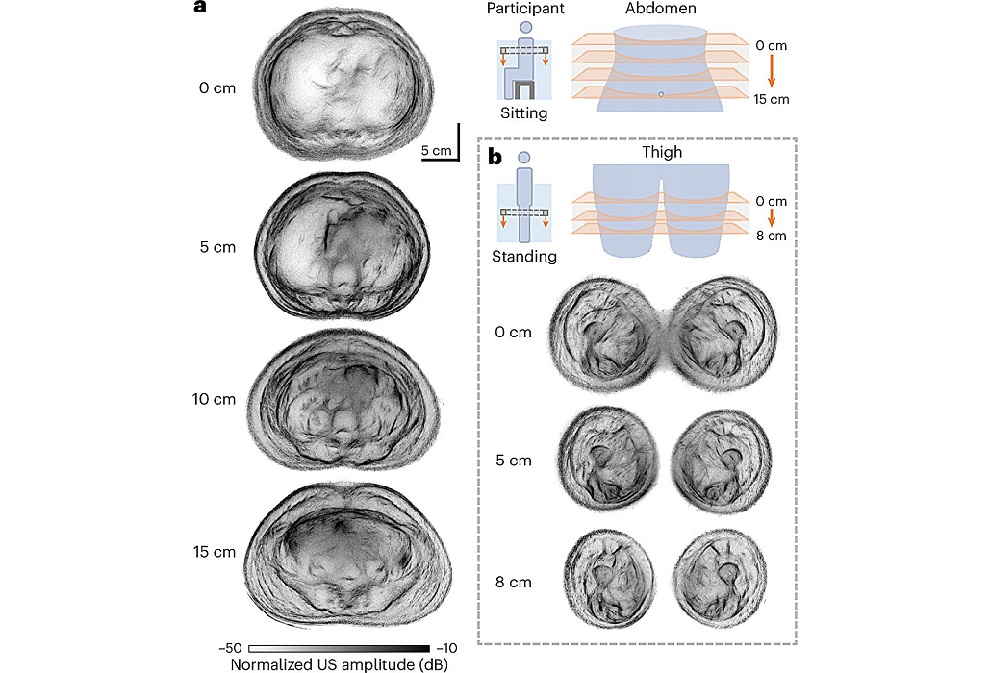
Whole Cross-Section Ultrasound System Enables Operator-Independent Imaging
Conventional ultrasound is central to bedside imaging but is limited by a narrow field of view and operator variability. Comprehensive cross-sectional assessment typically requires computed tomography... Read more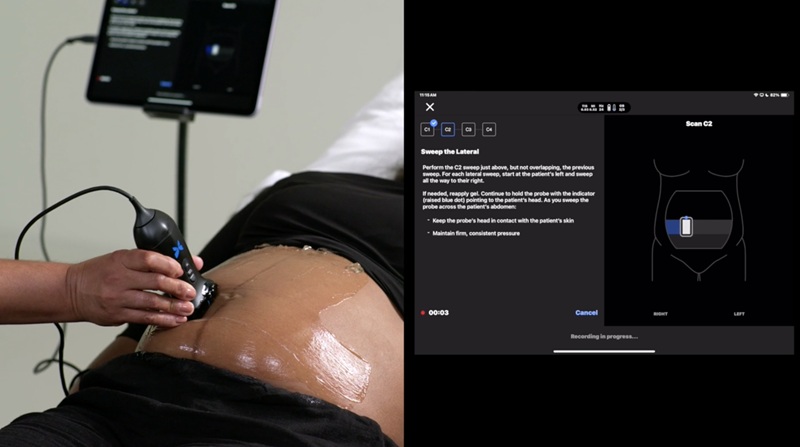
Nuclear Medicine
view channel![Image: (A-C) Representative whole-body maximum-intensity projection images and regional fused PET/CT images from three histologically confirmed osteosarcoma patients who underwent paired [68Ga]Ga-B7-H3-BCH PET/CT and 18F-FDGE PET/CT within 7 days. (D) Multimodal imaging evaluation of patient 3, including X-ray, MRI (T2-weighted imaging, T2WI), CT, and B7-H3 PET/CT. (Photo courtesy of SNMMI)](https://globetechcdn.com/mobile_medicalimaging/images/stories/articles/article_images/2026-06-07/294811110_image_1.jpg "Image: (A-C) Representative whole-body maximum-intensity projection images and regional fused PET/CT images from three histologically confirmed osteosarcoma patients who underwent paired [68Ga]Ga-B7-H3-BCH PET/CT and 18F-FDGE PET/CT within 7 days. (D) Multimodal imaging evaluation of patient 3, including X-ray, MRI (T2-weighted imaging, T2WI), CT, and B7-H3 PET/CT. (Photo courtesy of SNMMI)")
Targeted PET Platform Guides Osteosarcoma Resection and Margin Verification
Osteosarcoma, an aggressive primary bone cancer that mainly affects children and adolescents, demands wide excision to prevent local recurrence. Surgeons must achieve negative margins while preserving... Read more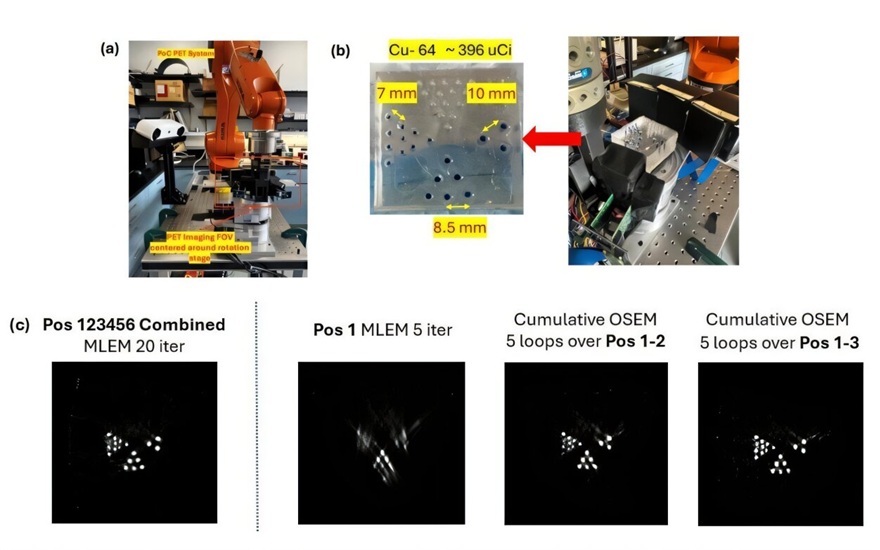
Portable PET System Enables Real-Time Bedside Guidance for Biopsies and Ablations
Interventional radiology procedures typically rely on ultrasound, X-ray fluoroscopy, or computed tomography for image guidance. These modalities visualize anatomy but offer limited molecular information,... Read more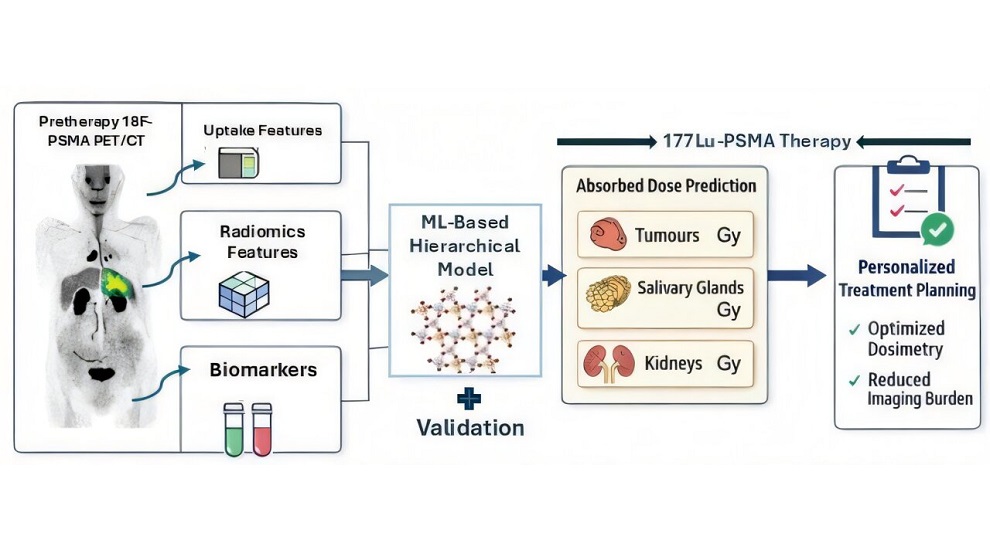

Imaging IT
view channel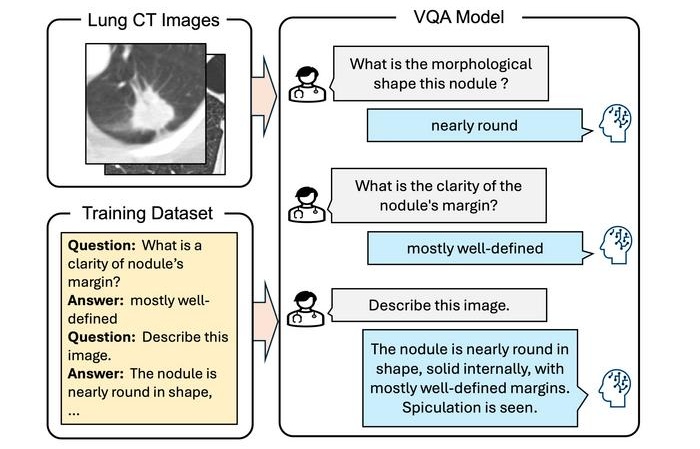
Interactive AI Tool Supports Explainable Lung Nodule Assessment
Lung cancer is a leading cause of cancer mortality, and timely characterization of pulmonary nodules on chest computed tomography (CT) is essential for directing care. Interpreting nodule morphology demands... Read more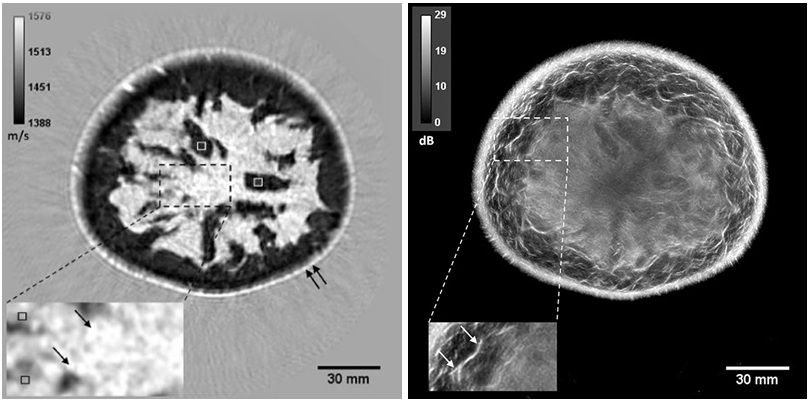
Breast Imaging Software Enhances Visualization and Tissue Characterization in Challenging Cases
Breast imaging can be particularly challenging in cases involving small breasts or implants, where image reconstruction and tissue characterization may be limited. Clinicians also need reproducible analysis... Read more
New Google Cloud Medical Imaging Suite Makes Imaging Healthcare Data More Accessible
Medical imaging is a critical tool used to diagnose patients, and there are billions of medical images scanned globally each year. Imaging data accounts for about 90% of all healthcare data1 and, until... Read more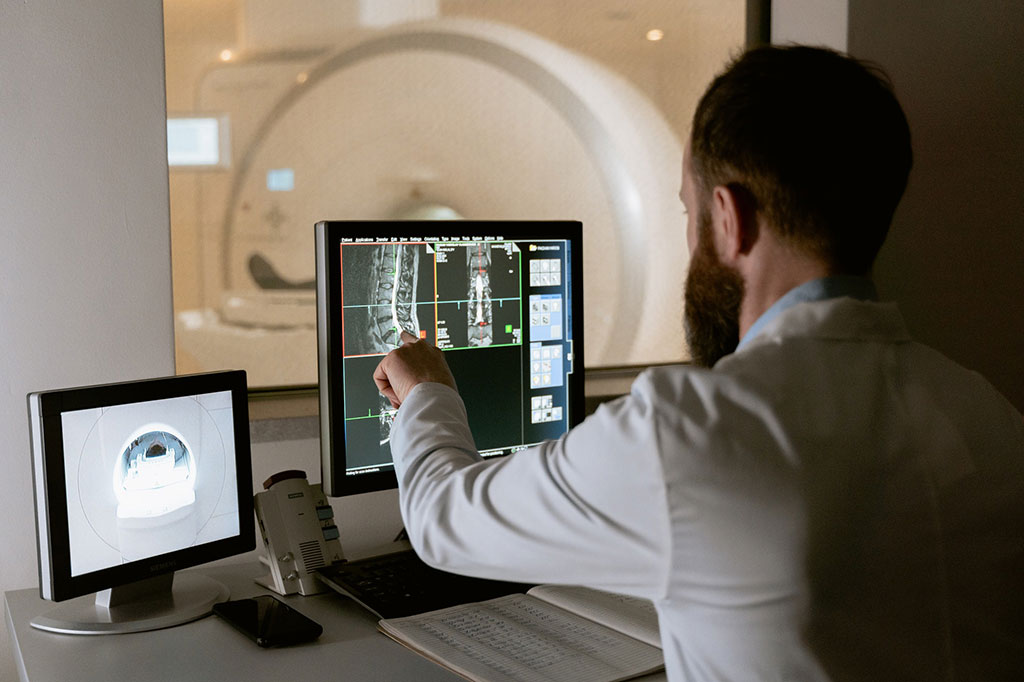
Global AI in Medical Diagnostics Market to Be Driven by Demand for Image Recognition in Radiology
The global artificial intelligence (AI) in medical diagnostics market is expanding with early disease detection being one of its key applications and image recognition becoming a compelling consumer proposition... Read moreIndustry News
view channel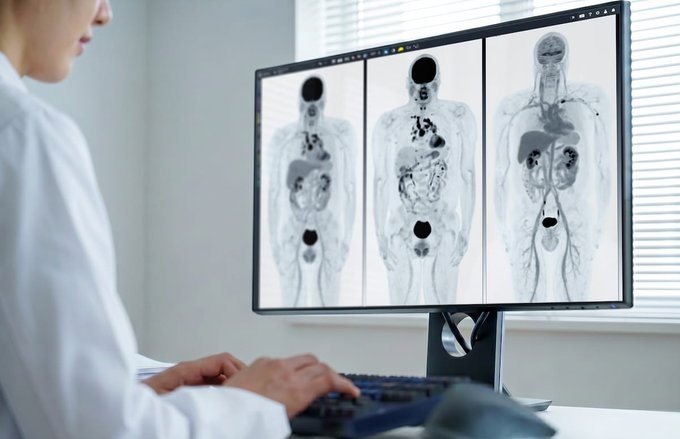
GE HealthCare Showcases AI-Enabled Nuclear Medicine Portfolio at SNMMI 2026
Nuclear medicine is expanding rapidly as health systems adopt theranostics and broaden access to radiopharmaceuticals, increasing demand for scalable operations and consistent diagnostic confidence.... Read more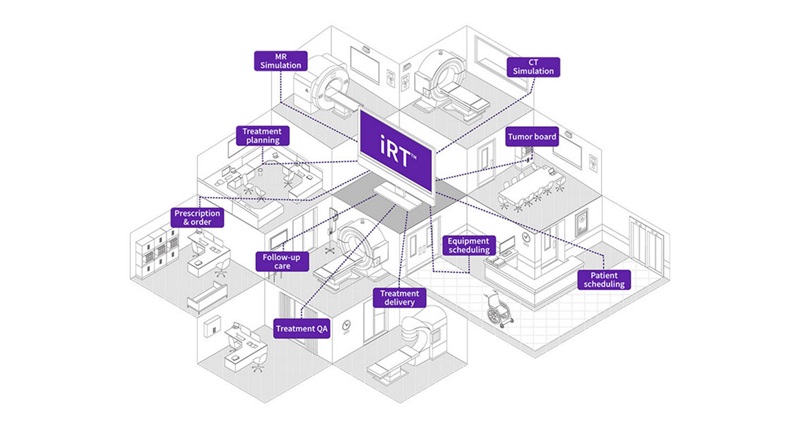
GE HealthCare Highlights AI-Supported Radiation Therapy Tools at ESTRO 2026
At the European Society for Radiotherapy and Oncology (ESTRO) 2026 Congress in Stockholm, GE HealthCare is highlighting Intelligent Radiation Therapy (iRT), MIM Software innovations, and BK Medical surgical... Read more