


Thermal Imaging Technique to Fight Fat
|
By MedImaging International staff writers Posted on 02 Aug 2012 |


|
British scientists believe they have devised a way to fight obesity--with an innovative technique that employs thermal imaging. This heat-seeking technology is being used to trace reserves of brown fat--the body’s beneficial fat--which plays a major role in how quickly the body can burn calories as energy.
This special tissue known as brown adipose tissue (brown fat) produces 300 times more heat than any other tissue in the body. Hypothetically, the more brown fat people have the less likely they are to put down excess energy or food as white fat.
Michael Symonds, a professor of developmental physiology in the School of Clinical Sciences at the University of Nottingham (UK), led a team of scientists and clinicians at the University of Nottingham who have established the thermal imaging process so they can evaluated how much brown fat humans have and how much heat it is generating. Their research was published June 7, 2012, in the Journal of Pediatrics.
The University of Nottingham’s early life nutrition-research unit is at the lead of groundbreaking international research into managing brown adipose tissue using nutrition, exercise, and environmental and therapeutic interventions. Prof. Symonds said, “Potentially the more brown fat you have or the more active your brown fat is you produce more heat and as a result you might be less likely to lay down excess energy or food as white fat. This completely noninvasive technique could play a crucial role in our fight against obesity. Potentially we could add a thermogenic index to food labels to show whether that product would increase or decrease heat production within brown fat. In other words whether it would speed up or slow down the amount of calories we burn.”
Obesity is one of the biggest challenges we face in Europe and America, as our children grow older. It affects 155 million children worldwide. In the United Kingdom the number of overweight children doubled in the 1990s. Dr. Helen Budge, clinical associate professor and reader in neonatology, said, “Babies have a larger amount of brown fat which they use up to keep warm soon after birth making our study’s finding that this healthy fat can also generate heat in childhood and adolescence very exciting.”
Prof. Symonds and his colleagues reported that their cutting-edge research could lead to a clearer determined of how brown fat balances the energy from the food we eat with the energy our bodies actually use up.
Prof. Symonds, combined with Dr. Budge and their team from the University’s School of Clinical Sciences has revealed that the neck region in healthy children generates heat. With the aid of local schoolchildren, they found that this area, which is known to contain brown adipose tissue, quickly turns on to produce heat. This capacity is much greater in young children compared with adolescents and adults. The researchers are now using their findings to explore interventions designed to promote energy use as heat and, thus, prevent excess weight gain in both children and adults.
Prof. Symonds said, “Using our imaging technique we can locate brown fat and assess its capacity to produce heat. It avoids harmful techniques, which use radiation, and enables detailed studies with larger groups of people. This may provide new insights into the role of brown fat in how we balance energy from the food we eat, with the energy our bodies use up. “
Related Links:
University of Nottingham




This special tissue known as brown adipose tissue (brown fat) produces 300 times more heat than any other tissue in the body. Hypothetically, the more brown fat people have the less likely they are to put down excess energy or food as white fat.
Michael Symonds, a professor of developmental physiology in the School of Clinical Sciences at the University of Nottingham (UK), led a team of scientists and clinicians at the University of Nottingham who have established the thermal imaging process so they can evaluated how much brown fat humans have and how much heat it is generating. Their research was published June 7, 2012, in the Journal of Pediatrics.
The University of Nottingham’s early life nutrition-research unit is at the lead of groundbreaking international research into managing brown adipose tissue using nutrition, exercise, and environmental and therapeutic interventions. Prof. Symonds said, “Potentially the more brown fat you have or the more active your brown fat is you produce more heat and as a result you might be less likely to lay down excess energy or food as white fat. This completely noninvasive technique could play a crucial role in our fight against obesity. Potentially we could add a thermogenic index to food labels to show whether that product would increase or decrease heat production within brown fat. In other words whether it would speed up or slow down the amount of calories we burn.”
Obesity is one of the biggest challenges we face in Europe and America, as our children grow older. It affects 155 million children worldwide. In the United Kingdom the number of overweight children doubled in the 1990s. Dr. Helen Budge, clinical associate professor and reader in neonatology, said, “Babies have a larger amount of brown fat which they use up to keep warm soon after birth making our study’s finding that this healthy fat can also generate heat in childhood and adolescence very exciting.”
Prof. Symonds and his colleagues reported that their cutting-edge research could lead to a clearer determined of how brown fat balances the energy from the food we eat with the energy our bodies actually use up.
Prof. Symonds, combined with Dr. Budge and their team from the University’s School of Clinical Sciences has revealed that the neck region in healthy children generates heat. With the aid of local schoolchildren, they found that this area, which is known to contain brown adipose tissue, quickly turns on to produce heat. This capacity is much greater in young children compared with adolescents and adults. The researchers are now using their findings to explore interventions designed to promote energy use as heat and, thus, prevent excess weight gain in both children and adults.
Prof. Symonds said, “Using our imaging technique we can locate brown fat and assess its capacity to produce heat. It avoids harmful techniques, which use radiation, and enables detailed studies with larger groups of people. This may provide new insights into the role of brown fat in how we balance energy from the food we eat, with the energy our bodies use up. “
Related Links:
University of Nottingham

Silver Member
X-Ray QA Device
Accu-Gold+ Touch Pro
Digital Radiography System (Ceiling Free)
Digix CF Series
X-Ray Illuminator
X-Ray Viewbox Illuminators
Multi-Use Ultrasound Table
Clinton
Latest General/Advanced Imaging News
- AI Tool Enables Real-Time Diffuse Optical Tomography for Brain Lesion Detection
- New SPECT/CT Method Differentiates Inflammation from Fibrosis in Interstitial Lung Disease
- Whole-Body PET/CT Tracks Metabolic Changes After Bariatric Surgery
- PET Tracer Localizes Overactive Adrenal Glands in Primary Aldosteronism
- Multimodal AI Tool Combines CT and Health Records to Predict Heart Risk
- AI Tool Automates Radiotherapy Planning for Cervical and Prostate Cancer
- New Proton Therapy Platform Integrates into Existing Radiotherapy Departments
- 3D-Printed Intraoral Device Enhances Head and Neck Radiotherapy Accuracy
- Molecular Imaging Agent Shows Promise for Endometriosis Detection and Monitoring
- Automated AI Tool Detects Early Pancreatic Cancer on Routine CT
- Routine Cardiac CT Enhanced to Predict Heart Failure Risk
- New Breast Imaging Viewer Unifies Modalities and Enhances Clinical Workflow
- Radiomics Analysis of CT Scans Enhances Evaluation of Sarcoidosis
- Hybrid AI System Improves Early Lung Cancer Detection on CT
- AI Tool Predicts Side Effects from Lung Cancer Treatment
- AI Tool Offers Prognosis for Patients with Head and Neck Cancer
Channels
Radiography
view channel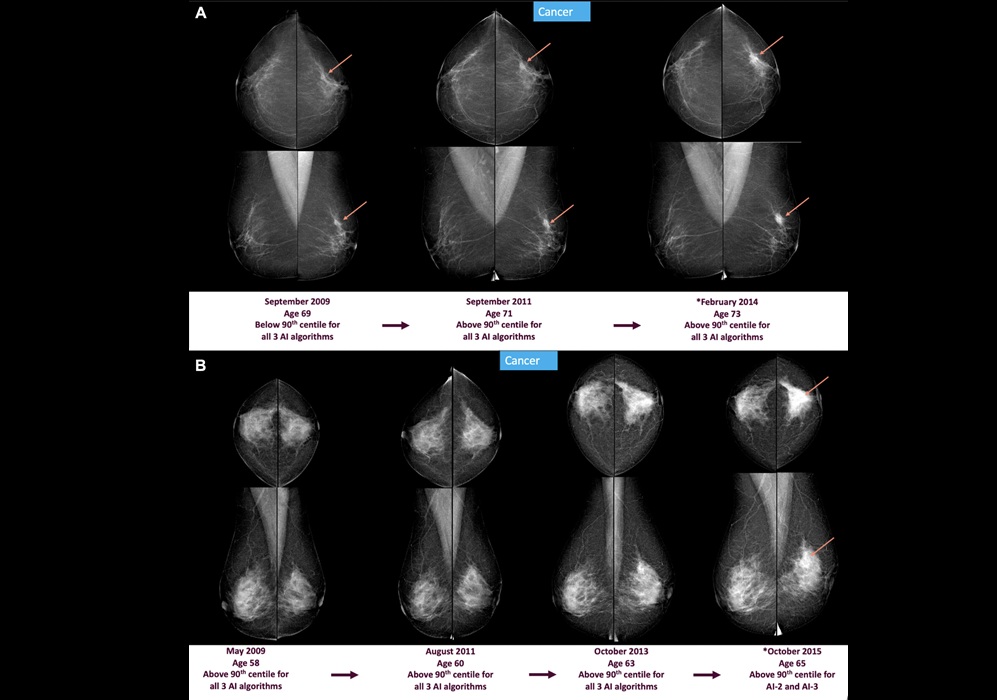
AI Mammography Tools Detect Early Breast Cancer Signs Years Before Diagnosis
Breast cancer screening aims to detect tumors before symptoms develop, but subtle mammographic changes can appear years before diagnosis and may be missed during routine reads. Delayed detection can lead... Read more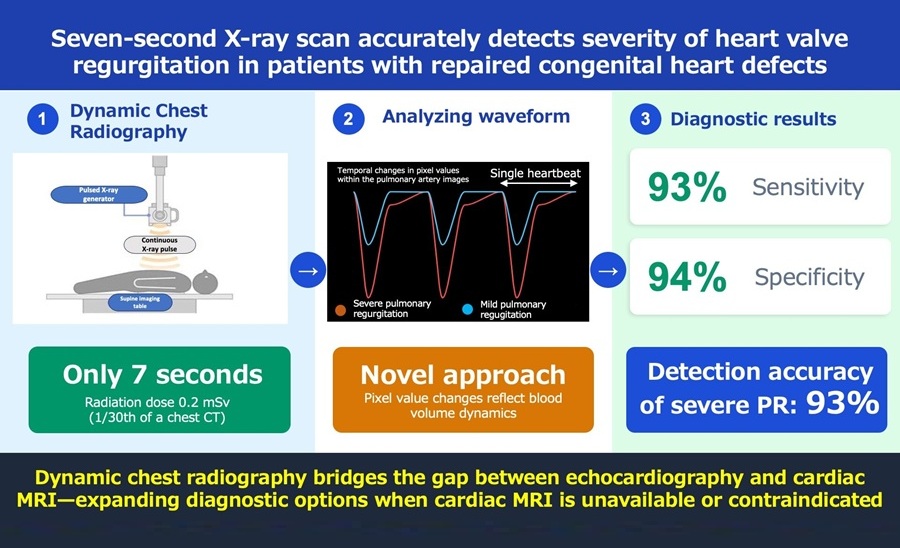
Rapid X-Ray Test Quantifies Pulmonary Regurgitation After Tetralogy of Fallot Repair
Tetralogy of Fallot is the most common cyanotic congenital heart defect and can leave patients with pulmonary valve regurgitation, a backward flow of blood into the right ventricle after repair.... Read more
MRI
view channel
International Study Assesses AI for Prostate Cancer MRI Interpretation
Prostate cancer is a leading cause of cancer morbidity in men, and accurate early diagnosis hinges on expert interpretation of prostate magnetic resonance imaging (MRI). Rapid adoption of MRI-first pathways... Read more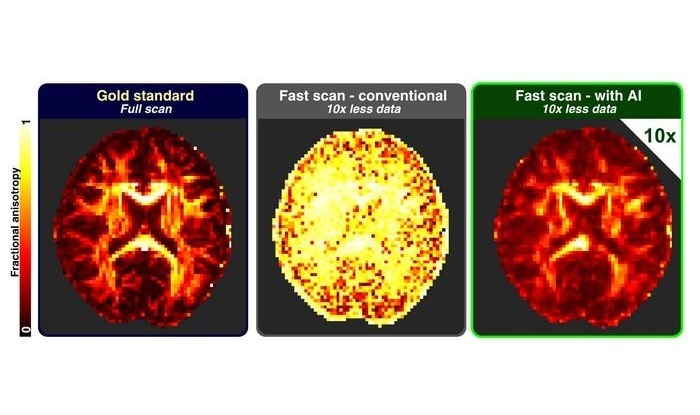
AI Approach Could Shorten Advanced Brain MRI Scans by Up to 90%
Long acquisition times for advanced brain magnetic resonance imaging (MRI) can limit access, extend waiting lists, and disrupt clinical workflows. Reducing data requirements without sacrificing image fidelity... Read more
Ultrasound
view channel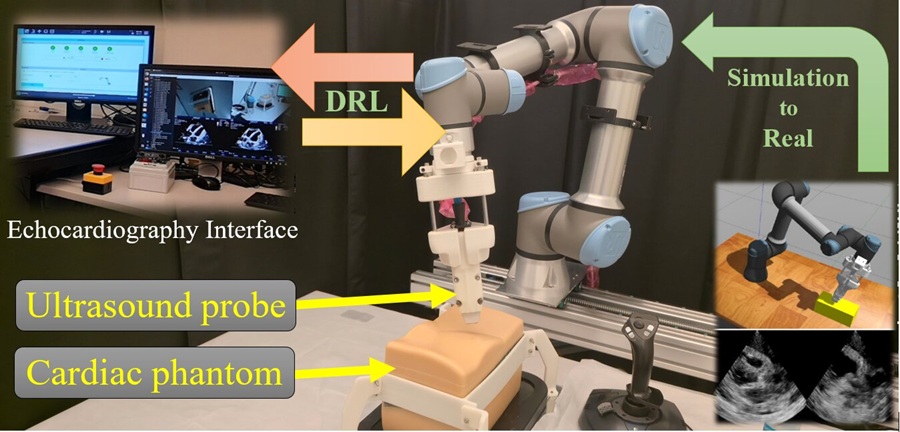
AI Robotic Ultrasound System Automates Echocardiography and Improves Consistency
Echocardiography, an ultrasound examination of the heart, is central to diagnosing and managing cardiovascular disease. Many services struggle with limited availability of skilled sonographers, variable... Read more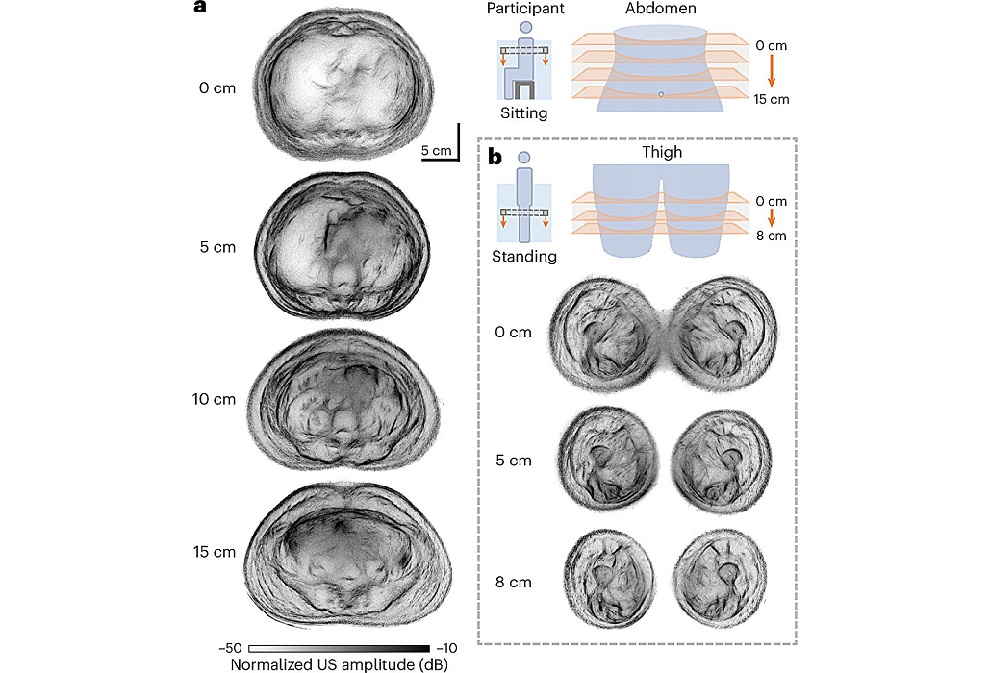
Whole Cross-Section Ultrasound System Enables Operator-Independent Imaging
Conventional ultrasound is central to bedside imaging but is limited by a narrow field of view and operator variability. Comprehensive cross-sectional assessment typically requires computed tomography... Read more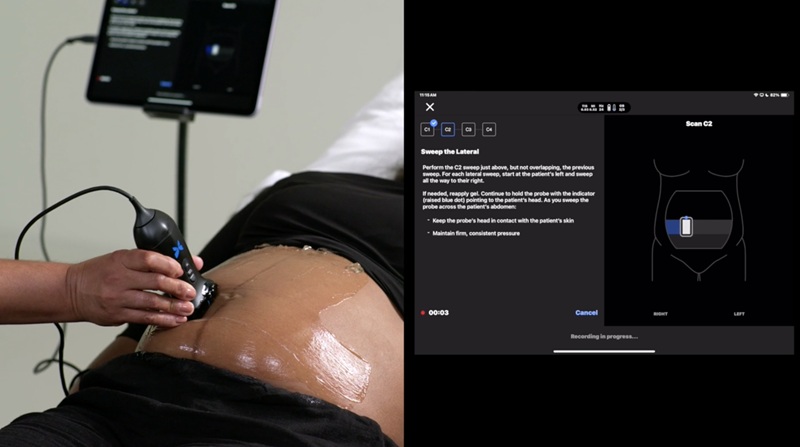
Nuclear Medicine
view channel
New PET Tracer Detects DVT and Pulmonary Embolism in One Scan
Deep vein thrombosis is the formation of clots in deep leg veins that can migrate to the lungs as pulmonary embolism. Rapid confirmation across both regions often requires multiple tests and can delay treatment.... Read more![Image: (A-C) Representative whole-body maximum-intensity projection images and regional fused PET/CT images from three histologically confirmed osteosarcoma patients who underwent paired [68Ga]Ga-B7-H3-BCH PET/CT and 18F-FDGE PET/CT within 7 days. (D) Multimodal imaging evaluation of patient 3, including X-ray, MRI (T2-weighted imaging, T2WI), CT, and B7-H3 PET/CT. (Photo courtesy of SNMMI)](https://globetechcdn.com/mobile_medicalimaging/images/stories/articles/article_images/2026-06-07/294811110_image_1.jpg "Image: (A-C) Representative whole-body maximum-intensity projection images and regional fused PET/CT images from three histologically confirmed osteosarcoma patients who underwent paired [68Ga]Ga-B7-H3-BCH PET/CT and 18F-FDGE PET/CT within 7 days. (D) Multimodal imaging evaluation of patient 3, including X-ray, MRI (T2-weighted imaging, T2WI), CT, and B7-H3 PET/CT. (Photo courtesy of SNMMI)")
Targeted PET Platform Guides Osteosarcoma Resection and Margin Verification
Osteosarcoma, an aggressive primary bone cancer that mainly affects children and adolescents, demands wide excision to prevent local recurrence. Surgeons must achieve negative margins while preserving... Read more
Imaging IT
view channel
Ambient AI Reporting Platform Streamlines Radiology Reporting
Radiology departments face growing imaging volumes and staffing shortages, creating reporting bottlenecks and pressure to maintain turnaround times. Conventional dictation tools document findings after... Read more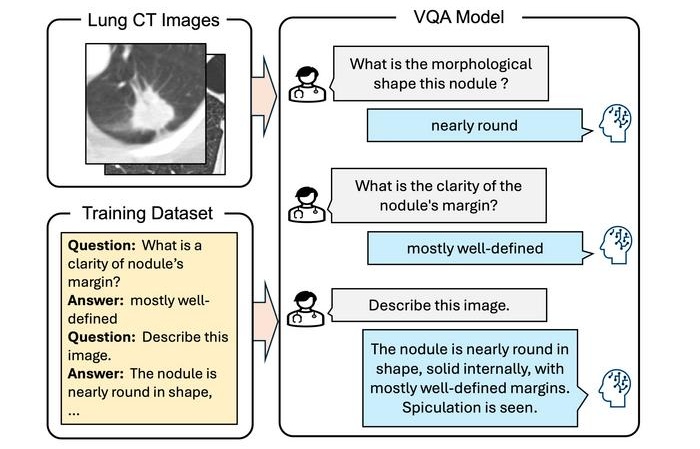
Interactive AI Tool Supports Explainable Lung Nodule Assessment
Lung cancer is a leading cause of cancer mortality, and timely characterization of pulmonary nodules on chest computed tomography (CT) is essential for directing care. Interpreting nodule morphology demands... Read more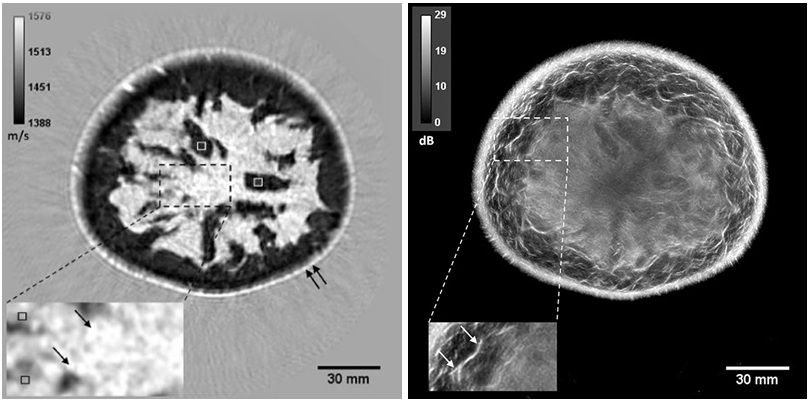
Breast Imaging Software Enhances Visualization and Tissue Characterization in Challenging Cases
Breast imaging can be particularly challenging in cases involving small breasts or implants, where image reconstruction and tissue characterization may be limited. Clinicians also need reproducible analysis... Read more
Industry News
view channel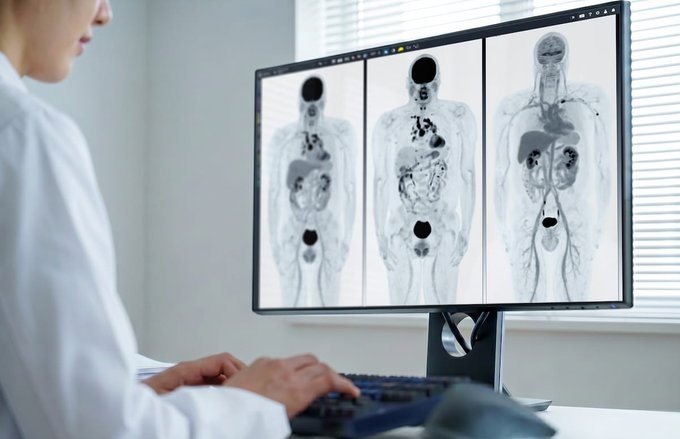
GE HealthCare Showcases AI-Enabled Nuclear Medicine Portfolio at SNMMI 2026
Nuclear medicine is expanding rapidly as health systems adopt theranostics and broaden access to radiopharmaceuticals, increasing demand for scalable operations and consistent diagnostic confidence.... Read more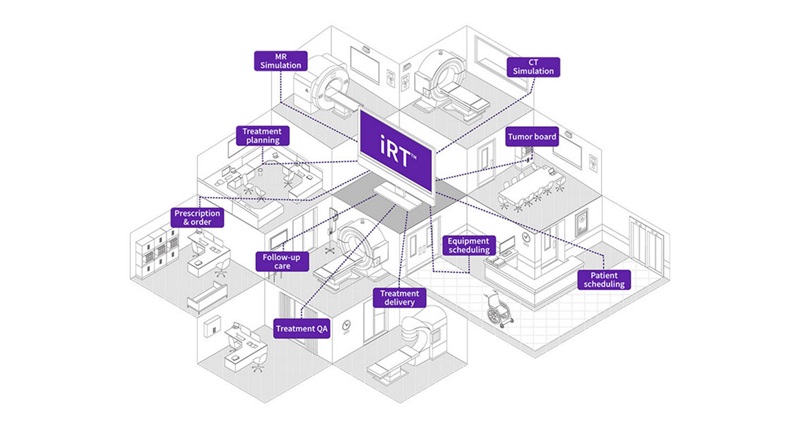
GE HealthCare Highlights AI-Supported Radiation Therapy Tools at ESTRO 2026
At the European Society for Radiotherapy and Oncology (ESTRO) 2026 Congress in Stockholm, GE HealthCare is highlighting Intelligent Radiation Therapy (iRT), MIM Software innovations, and BK Medical surgical... Read more