


Imaging Device Diagnoses Neonates with Progressive Retinopathy of Prematurity More Effectively
|
By MedImaging International staff writers Posted on 03 Feb 2010 |


|
Using a handheld spectral domain optical coherence tomography (SD-OCT) imaging device, researchers have obtained high-resolution retinal scans of premature infants with progressive retinopathy of prematurity (ROP).
Researchers reported in the January 2010 issue of the journal Archives of Ophthalmology that the new handheld devices eliminated many of the technical challenges involved in imaging the retina of infants and can enable shallow detachments and presumed retinoschisis to be diagnosed earlier and more accurately, significantly changing how physicians may classify and treat babies with this disease.
"The SD-OCT demonstrated presumed retinoschisis extending from the temporal ridge in three premature infants. This is a previously undescribed finding during the acute phases of advanced ROP. This advanced imaging can help surgeons determine a course of treatment that could make a difference in saving a child's sight,” said Dr. Thomas C. Lee, director of the Retina Institute, The Vision Center at Children's Hospital Los Angeles (CA, USA) and corresponding author of the article.
Despite the widespread use of OCT in the diagnosis and management of adult vitreoretinal diseases, its application to the pediatric population has been limited due to the technical challenges of working with this age group. The handheld SD-OCT system contains a moveable imaging hand piece that is connected via a 1.3-m flexible fiberoptic cable to a cart holding the SD-OCT system. This handheld system makes it possible to bring the advanced imaging capability into a neonatal intensive care unit (NICU).
ROP occurs when abnormal blood vessels grow and spread throughout the retina. These abnormal blood vessels scar the retina and pull it out of position, possibly leading to a retinal detachment. The handheld SD-OCT allows physicians to see stresses on the retina that are occurring before the actual detachment happens, and consequently intervene earlier and more aggressively.
According to the U.S. National Eye Institute, approximately 14,000 infants annually are affected by some degree of ROP, with 1,500 developing ROP severe enough to require treatment. About 400 to 600 become legally blind from ROP each year, making it one of the leading causes of blindness in children.
Dr. Thomas C. Lee, director of the Retina Institute in The Vision Center at Children's Hospital Los Angeles, has made significant advances in our understanding of pediatric retinal disorders. He has pioneered the use of cutting-edge imaging techniques such as SD-OCT to identify retinal detachments at the earliest possible stage. He is also the first to use an intraocular endoscope to perform complex surgery in pediatric retinal detachments resulting from retinopathy of prematurity, familial exudative vitreo-retinopathy, x-linked retinoschisis, and trauma.
The Vision Center at Children's Hospital Los Angeles is an international referral center and the largest pediatric ophthalmology program in the United States with multiple subspecialty programs that are considered to be among today's finest resources for diagnosis, treatment, and research.
Related Links:
Vision Center at Children's Hospital Los Angeles



Researchers reported in the January 2010 issue of the journal Archives of Ophthalmology that the new handheld devices eliminated many of the technical challenges involved in imaging the retina of infants and can enable shallow detachments and presumed retinoschisis to be diagnosed earlier and more accurately, significantly changing how physicians may classify and treat babies with this disease.
"The SD-OCT demonstrated presumed retinoschisis extending from the temporal ridge in three premature infants. This is a previously undescribed finding during the acute phases of advanced ROP. This advanced imaging can help surgeons determine a course of treatment that could make a difference in saving a child's sight,” said Dr. Thomas C. Lee, director of the Retina Institute, The Vision Center at Children's Hospital Los Angeles (CA, USA) and corresponding author of the article.
Despite the widespread use of OCT in the diagnosis and management of adult vitreoretinal diseases, its application to the pediatric population has been limited due to the technical challenges of working with this age group. The handheld SD-OCT system contains a moveable imaging hand piece that is connected via a 1.3-m flexible fiberoptic cable to a cart holding the SD-OCT system. This handheld system makes it possible to bring the advanced imaging capability into a neonatal intensive care unit (NICU).
ROP occurs when abnormal blood vessels grow and spread throughout the retina. These abnormal blood vessels scar the retina and pull it out of position, possibly leading to a retinal detachment. The handheld SD-OCT allows physicians to see stresses on the retina that are occurring before the actual detachment happens, and consequently intervene earlier and more aggressively.
According to the U.S. National Eye Institute, approximately 14,000 infants annually are affected by some degree of ROP, with 1,500 developing ROP severe enough to require treatment. About 400 to 600 become legally blind from ROP each year, making it one of the leading causes of blindness in children.
Dr. Thomas C. Lee, director of the Retina Institute in The Vision Center at Children's Hospital Los Angeles, has made significant advances in our understanding of pediatric retinal disorders. He has pioneered the use of cutting-edge imaging techniques such as SD-OCT to identify retinal detachments at the earliest possible stage. He is also the first to use an intraocular endoscope to perform complex surgery in pediatric retinal detachments resulting from retinopathy of prematurity, familial exudative vitreo-retinopathy, x-linked retinoschisis, and trauma.
The Vision Center at Children's Hospital Los Angeles is an international referral center and the largest pediatric ophthalmology program in the United States with multiple subspecialty programs that are considered to be among today's finest resources for diagnosis, treatment, and research.
Related Links:
Vision Center at Children's Hospital Los Angeles

Digital Radiography System (Ceiling Free)
Digix CF Series
Mobile X-Ray System
K4W
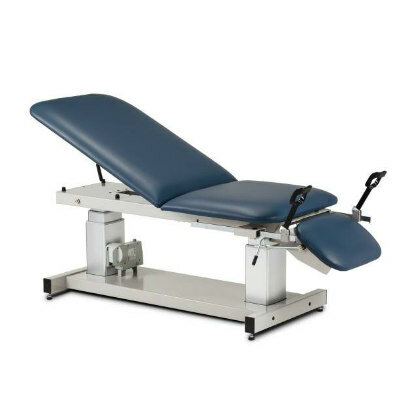
Multi-Use Ultrasound Table
Clinton
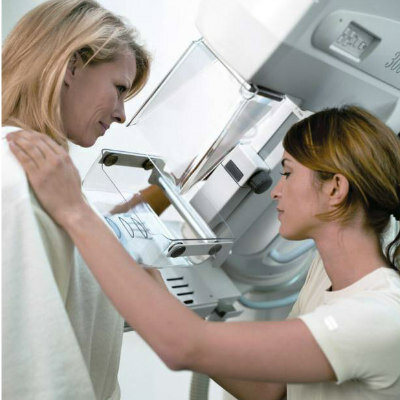
Mammo DR Retrofit Solution
DR Retrofit Mammography
Latest General/Advanced Imaging News
- New SPECT/CT Method Differentiates Inflammation from Fibrosis in Interstitial Lung Disease
- Whole-Body PET/CT Tracks Metabolic Changes After Bariatric Surgery
- PET Tracer Localizes Overactive Adrenal Glands in Primary Aldosteronism
- Multimodal AI Tool Combines CT and Health Records to Predict Heart Risk
- AI Tool Automates Radiotherapy Planning for Cervical and Prostate Cancer
- New Proton Therapy Platform Integrates into Existing Radiotherapy Departments
- 3D-Printed Intraoral Device Enhances Head and Neck Radiotherapy Accuracy
- Molecular Imaging Agent Shows Promise for Endometriosis Detection and Monitoring
- Automated AI Tool Detects Early Pancreatic Cancer on Routine CT
- Routine Cardiac CT Enhanced to Predict Heart Failure Risk
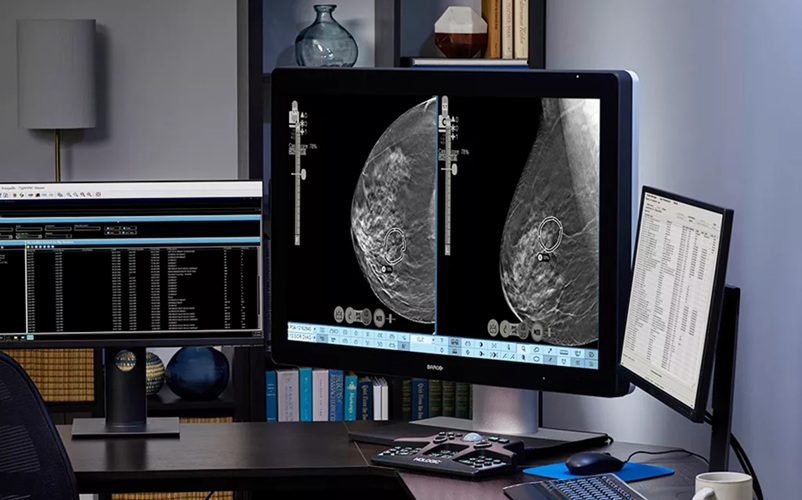
- New Breast Imaging Viewer Unifies Modalities and Enhances Clinical Workflow
- Radiomics Analysis of CT Scans Enhances Evaluation of Sarcoidosis
- Hybrid AI System Improves Early Lung Cancer Detection on CT
- AI Tool Predicts Side Effects from Lung Cancer Treatment
- AI Tool Offers Prognosis for Patients with Head and Neck Cancer
- New 3D Imaging System Addresses MRI, CT and Ultrasound Limitations
Channels
Radiography
view channel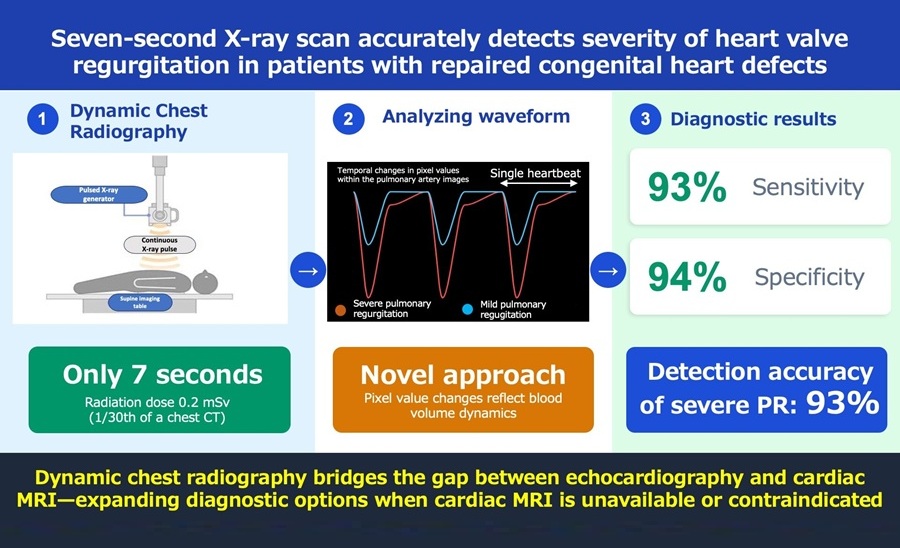
Rapid X-Ray Test Quantifies Pulmonary Regurgitation After Tetralogy of Fallot Repair
Tetralogy of Fallot is the most common cyanotic congenital heart defect and can leave patients with pulmonary valve regurgitation, a backward flow of blood into the right ventricle after repair.... Read more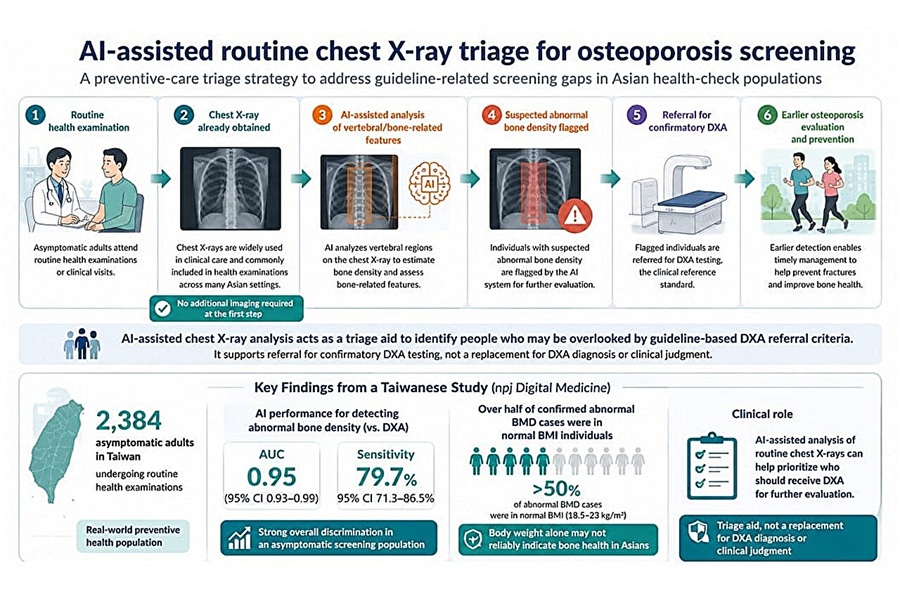
AI Tool Flags Osteoporosis Risk from Routine Chest X-Rays
Osteoporosis is a progressive loss of bone density that is often silent until a fracture occurs. Current screening frameworks concentrate on older women and select high-risk groups. Many men, younger adults,... Read more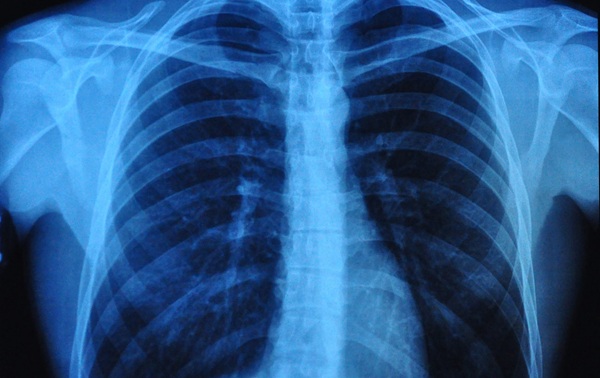
MRI
view channel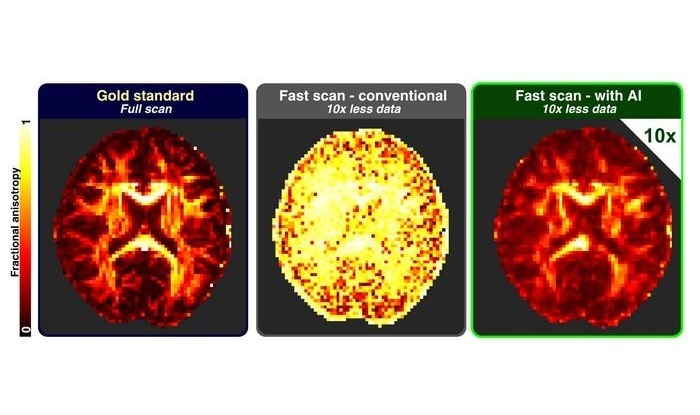
AI Approach Could Shorten Advanced Brain MRI Scans by Up to 90%
Long acquisition times for advanced brain magnetic resonance imaging (MRI) can limit access, extend waiting lists, and disrupt clinical workflows. Reducing data requirements without sacrificing image fidelity... Read more
Cardiac MRI Measure Improves Risk Prediction in Tricuspid Regurgitation
Tricuspid regurgitation, in which blood flows back from the right ventricle into the right atrium, can lead to progressive right-sided heart failure. Clinicians need reliable ways to gauge severity and... Read more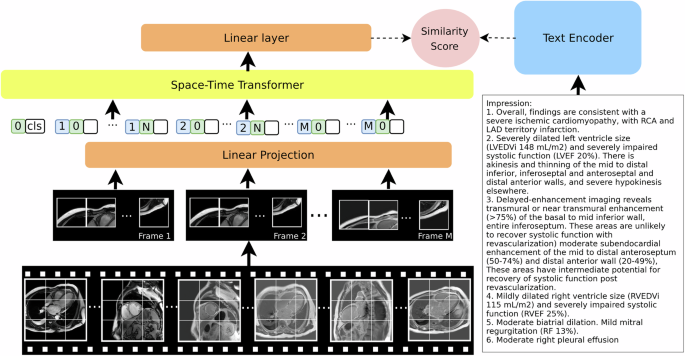

Ultrasound
view channel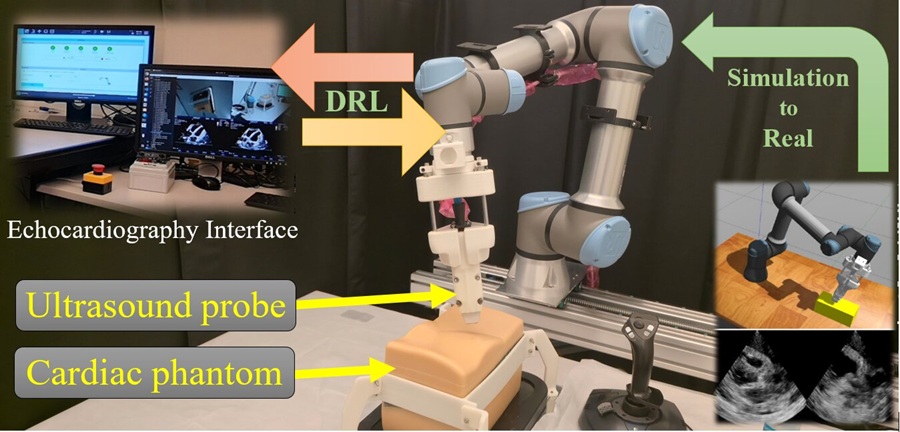
AI Robotic Ultrasound System Automates Echocardiography and Improves Consistency
Echocardiography, an ultrasound examination of the heart, is central to diagnosing and managing cardiovascular disease. Many services struggle with limited availability of skilled sonographers, variable... Read more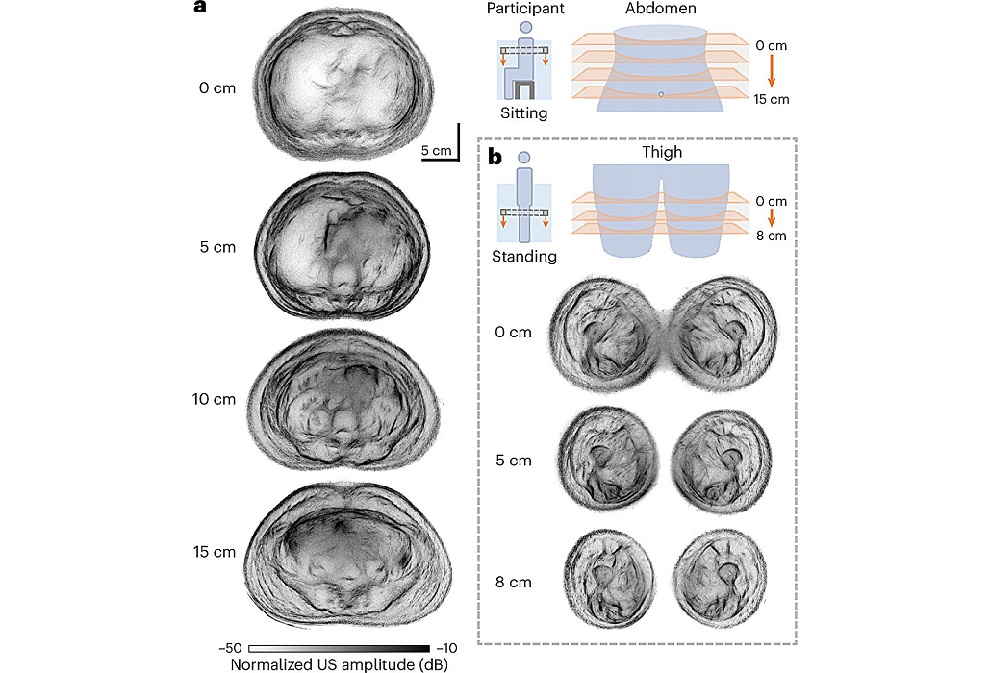
Whole Cross-Section Ultrasound System Enables Operator-Independent Imaging
Conventional ultrasound is central to bedside imaging but is limited by a narrow field of view and operator variability. Comprehensive cross-sectional assessment typically requires computed tomography... Read more
Nuclear Medicine
view channel![Image: (A-C) Representative whole-body maximum-intensity projection images and regional fused PET/CT images from three histologically confirmed osteosarcoma patients who underwent paired [68Ga]Ga-B7-H3-BCH PET/CT and 18F-FDGE PET/CT within 7 days. (D) Multimodal imaging evaluation of patient 3, including X-ray, MRI (T2-weighted imaging, T2WI), CT, and B7-H3 PET/CT. (Photo courtesy of SNMMI)](https://globetechcdn.com/mobile_medicalimaging/images/stories/articles/article_images/2026-06-07/294811110_image_1.jpg "Image: (A-C) Representative whole-body maximum-intensity projection images and regional fused PET/CT images from three histologically confirmed osteosarcoma patients who underwent paired [68Ga]Ga-B7-H3-BCH PET/CT and 18F-FDGE PET/CT within 7 days. (D) Multimodal imaging evaluation of patient 3, including X-ray, MRI (T2-weighted imaging, T2WI), CT, and B7-H3 PET/CT. (Photo courtesy of SNMMI)")
Targeted PET Platform Guides Osteosarcoma Resection and Margin Verification
Osteosarcoma, an aggressive primary bone cancer that mainly affects children and adolescents, demands wide excision to prevent local recurrence. Surgeons must achieve negative margins while preserving... Read more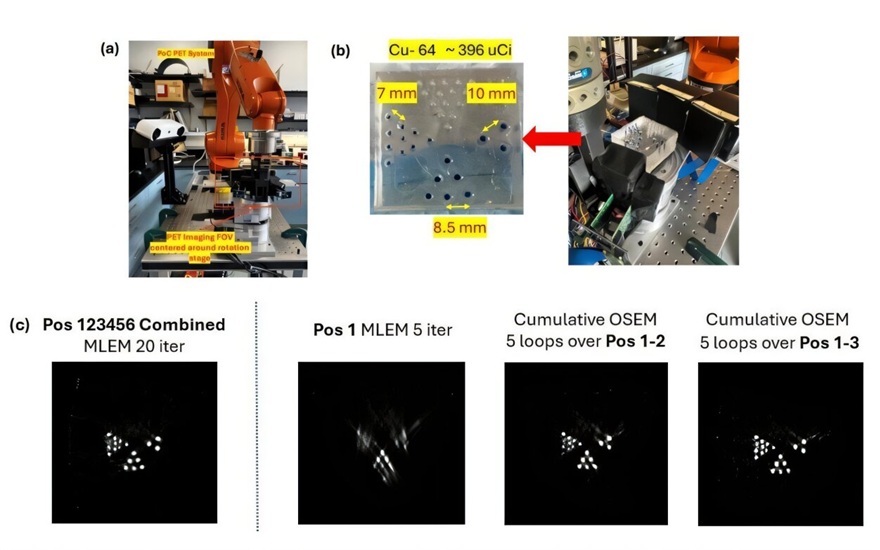
Portable PET System Enables Real-Time Bedside Guidance for Biopsies and Ablations
Interventional radiology procedures typically rely on ultrasound, X-ray fluoroscopy, or computed tomography for image guidance. These modalities visualize anatomy but offer limited molecular information,... Read more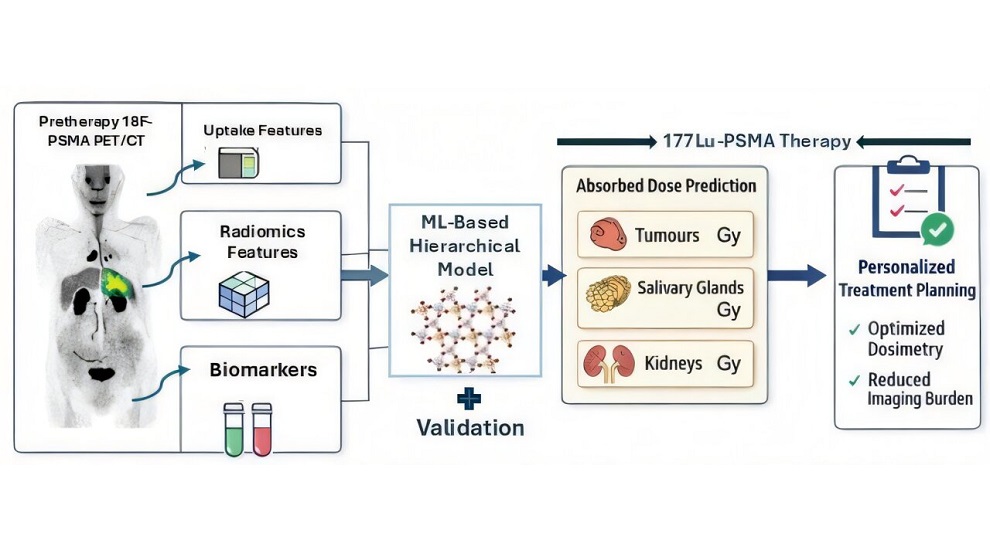

Imaging IT
view channel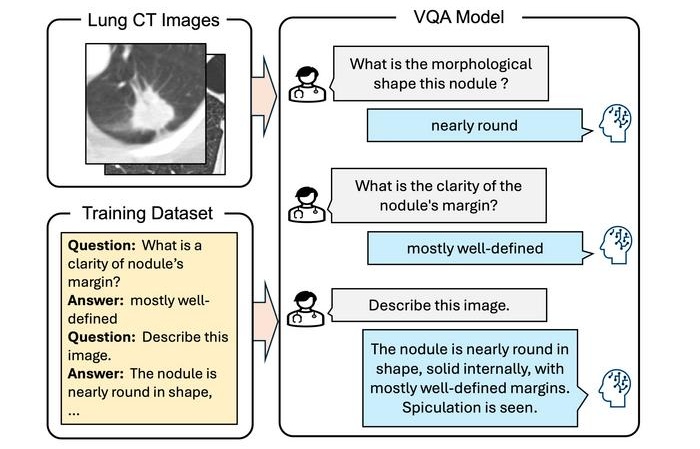
Interactive AI Tool Supports Explainable Lung Nodule Assessment
Lung cancer is a leading cause of cancer mortality, and timely characterization of pulmonary nodules on chest computed tomography (CT) is essential for directing care. Interpreting nodule morphology demands... Read more
Breast Imaging Software Enhances Visualization and Tissue Characterization in Challenging Cases
Breast imaging can be particularly challenging in cases involving small breasts or implants, where image reconstruction and tissue characterization may be limited. Clinicians also need reproducible analysis... Read more
New Google Cloud Medical Imaging Suite Makes Imaging Healthcare Data More Accessible
Medical imaging is a critical tool used to diagnose patients, and there are billions of medical images scanned globally each year. Imaging data accounts for about 90% of all healthcare data1 and, until... Read more
Global AI in Medical Diagnostics Market to Be Driven by Demand for Image Recognition in Radiology
The global artificial intelligence (AI) in medical diagnostics market is expanding with early disease detection being one of its key applications and image recognition becoming a compelling consumer proposition... Read moreIndustry News
view channel
GE HealthCare Showcases AI-Enabled Nuclear Medicine Portfolio at SNMMI 2026
Nuclear medicine is expanding rapidly as health systems adopt theranostics and broaden access to radiopharmaceuticals, increasing demand for scalable operations and consistent diagnostic confidence.... Read more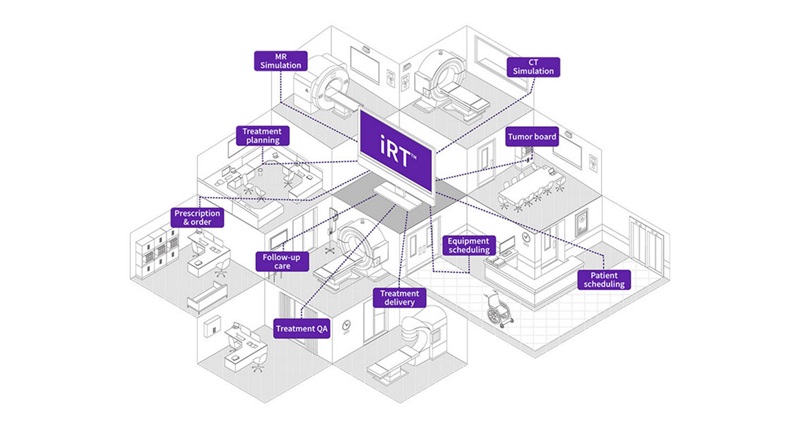
GE HealthCare Highlights AI-Supported Radiation Therapy Tools at ESTRO 2026
At the European Society for Radiotherapy and Oncology (ESTRO) 2026 Congress in Stockholm, GE HealthCare is highlighting Intelligent Radiation Therapy (iRT), MIM Software innovations, and BK Medical surgical... Read more