


Novel Imaging Technology Developed to Study Sudden Cardiac Arrest
|
By MedImaging International staff writers Posted on 21 Nov 2009 |


|
A research team has developed an innovative optical system to simultaneously image electrical activity and metabolic properties in the same region of a heart, to study the complex mechanisms that lead to sudden cardiac arrest. Evaluated in animal models, the system could dramatically further scientists' understanding of the relationship between metabolic disorders and heart rhythm disturbances in humans that can lead to cardiac arrest and death, and provide a platform for testing new treatments to prevent or stop potentially fatal irregular heartbeats, known as arrhythmias.
The design and use of the dual camera system is described in the November 1, 2009, issue of the journal Experimental Biology and Medicine by researchers from Vanderbilt University (Nashville, TN,USA). "The challenge in understanding cardiac rhythm disorders is to discern the dynamic relationship between multiple cardiac variables,” said one of the coauthors of the study and the project's lead investigator, John P. Wikswo, Ph.D., a Vanderbilt professor and Vanderbilt Institute for Integrative Biosystems Research and Education (VIIBRE) director. "This dual camera system opens up a new window for correlating metabolic and electrophysiological events, which are usually studied independently.”
The 11-year-old research project would have been terminated this year due to lack of funding, according to Dr. Wikswo. However, a US$566,000 American Recovery and Reinvestment Act grant from the U.S. national Heart Lung and blood Institute (NHLBI; Bethesda, MD, USA) is enabling the 13-member research team to continue developing and testing the innovative optical system. Recovery Act funds are also allowing the team to purchase a pair of $60,000 high-speed and highly sensitive digital cameras to record the changes in the metabolic and electrical activity of isolated cardiac tissue using low-intensity fluorescent dyes under conditions associated with heart failure, ischemia, fibrillation and other pathological circumstances.
"Through the Recovery Act, the NHLBI is able to support promising research to develop and enhance innovative technologies to help us better understand the complex mechanisms involved in potentially fatal conditions such as sudden cardiac arrest,” said NHLBI director Elizabeth G. Nabel, M.D. "This research will allow us to better understand how to prevent and treat life-threatening cardiac rhythm disturbances and potentially save thousands of lives every year.”
Each year, 250,000 to 450,000 people die in the United States because of sudden cardiac arrest, a condition that is triggered by arrhythmia. Typically, a complicated series of electrical and metabolic changes precede sudden cardiac arrest.
The Vanderbilt researchers devised and assessed a novel way to visualize the electrical activity of the heart in relation to its structure and changing metabolic state under different pathologic conditions. Their multimodal cardiac imaging technique uses a two-camera approach to integrate electrophysiologic imaging with optical fluorescence imaging of metabolic activity associated with damaged heart tissue and tachycardia, or accelerated heart rate. The biochemical and electrochemical studies of heart tissue under controlled conditions will enhance investigators' understanding of electrometabolic cardiac disorders and their clinical treatment.
The advantages of this imaging system over others include rapid setup, two-color image separation, high spatial resolution, and an optional software camera-calibration routine that eliminates the need for precise camera alignment. In the article, the scientists provided a detailed description of a camera calibration procedure along with multiple examples.
Moreover, the multimodal imaging system will be a less-invasive, instrumental tool in helping scientists discover and test safe and effective ways to prevent or treat arrhythmias. Current treatments include medications that can produce undesirable side effects, and the implantable cardioverter defibrillator, which is a small device placed under the skin in the chest and uses electrical pulses or shocks to help control life-threatening arrhythmias.
Related Links:
Vanderbilt University






The design and use of the dual camera system is described in the November 1, 2009, issue of the journal Experimental Biology and Medicine by researchers from Vanderbilt University (Nashville, TN,USA). "The challenge in understanding cardiac rhythm disorders is to discern the dynamic relationship between multiple cardiac variables,” said one of the coauthors of the study and the project's lead investigator, John P. Wikswo, Ph.D., a Vanderbilt professor and Vanderbilt Institute for Integrative Biosystems Research and Education (VIIBRE) director. "This dual camera system opens up a new window for correlating metabolic and electrophysiological events, which are usually studied independently.”
The 11-year-old research project would have been terminated this year due to lack of funding, according to Dr. Wikswo. However, a US$566,000 American Recovery and Reinvestment Act grant from the U.S. national Heart Lung and blood Institute (NHLBI; Bethesda, MD, USA) is enabling the 13-member research team to continue developing and testing the innovative optical system. Recovery Act funds are also allowing the team to purchase a pair of $60,000 high-speed and highly sensitive digital cameras to record the changes in the metabolic and electrical activity of isolated cardiac tissue using low-intensity fluorescent dyes under conditions associated with heart failure, ischemia, fibrillation and other pathological circumstances.
"Through the Recovery Act, the NHLBI is able to support promising research to develop and enhance innovative technologies to help us better understand the complex mechanisms involved in potentially fatal conditions such as sudden cardiac arrest,” said NHLBI director Elizabeth G. Nabel, M.D. "This research will allow us to better understand how to prevent and treat life-threatening cardiac rhythm disturbances and potentially save thousands of lives every year.”
Each year, 250,000 to 450,000 people die in the United States because of sudden cardiac arrest, a condition that is triggered by arrhythmia. Typically, a complicated series of electrical and metabolic changes precede sudden cardiac arrest.
The Vanderbilt researchers devised and assessed a novel way to visualize the electrical activity of the heart in relation to its structure and changing metabolic state under different pathologic conditions. Their multimodal cardiac imaging technique uses a two-camera approach to integrate electrophysiologic imaging with optical fluorescence imaging of metabolic activity associated with damaged heart tissue and tachycardia, or accelerated heart rate. The biochemical and electrochemical studies of heart tissue under controlled conditions will enhance investigators' understanding of electrometabolic cardiac disorders and their clinical treatment.
The advantages of this imaging system over others include rapid setup, two-color image separation, high spatial resolution, and an optional software camera-calibration routine that eliminates the need for precise camera alignment. In the article, the scientists provided a detailed description of a camera calibration procedure along with multiple examples.
Moreover, the multimodal imaging system will be a less-invasive, instrumental tool in helping scientists discover and test safe and effective ways to prevent or treat arrhythmias. Current treatments include medications that can produce undesirable side effects, and the implantable cardioverter defibrillator, which is a small device placed under the skin in the chest and uses electrical pulses or shocks to help control life-threatening arrhythmias.
Related Links:
Vanderbilt University

X-Ray Generator
Advantage Plus Generators
Medical Radiographic X-Ray Machine
TR30N HF
Digital Radiographic System
OMNERA 300M
Digital Radiography System (Ceiling Free)
Digix CF Series
Latest General/Advanced Imaging News
- New SPECT/CT Method Differentiates Inflammation from Fibrosis in Interstitial Lung Disease
- Whole-Body PET/CT Tracks Metabolic Changes After Bariatric Surgery
- PET Tracer Localizes Overactive Adrenal Glands in Primary Aldosteronism
- Multimodal AI Tool Combines CT and Health Records to Predict Heart Risk
- AI Tool Automates Radiotherapy Planning for Cervical and Prostate Cancer
- New Proton Therapy Platform Integrates into Existing Radiotherapy Departments
- 3D-Printed Intraoral Device Enhances Head and Neck Radiotherapy Accuracy
- Molecular Imaging Agent Shows Promise for Endometriosis Detection and Monitoring
- Automated AI Tool Detects Early Pancreatic Cancer on Routine CT
- Routine Cardiac CT Enhanced to Predict Heart Failure Risk
- New Breast Imaging Viewer Unifies Modalities and Enhances Clinical Workflow
- Radiomics Analysis of CT Scans Enhances Evaluation of Sarcoidosis
- Hybrid AI System Improves Early Lung Cancer Detection on CT
- AI Tool Predicts Side Effects from Lung Cancer Treatment
- AI Tool Offers Prognosis for Patients with Head and Neck Cancer
- New 3D Imaging System Addresses MRI, CT and Ultrasound Limitations
Channels
Radiography
view channel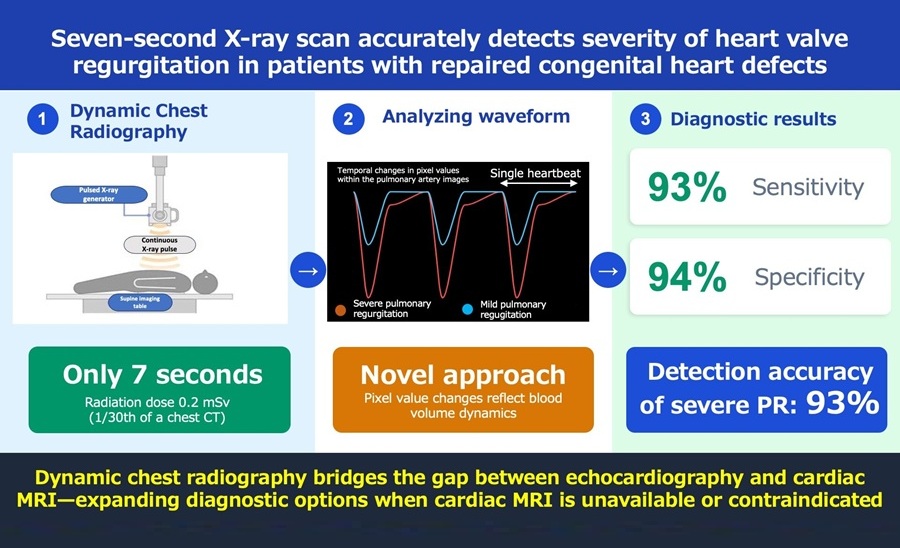
Rapid X-Ray Test Quantifies Pulmonary Regurgitation After Tetralogy of Fallot Repair
Tetralogy of Fallot is the most common cyanotic congenital heart defect and can leave patients with pulmonary valve regurgitation, a backward flow of blood into the right ventricle after repair.... Read more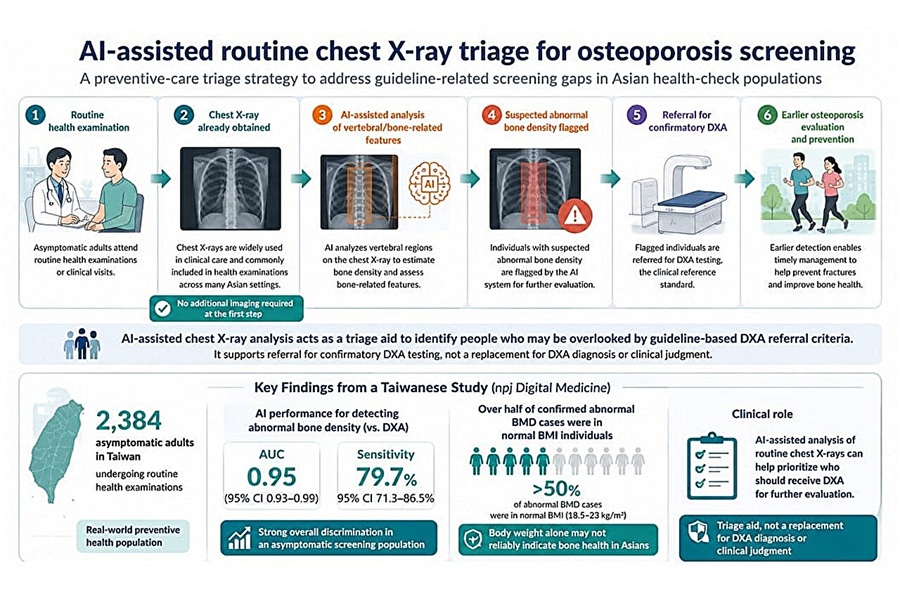
AI Tool Flags Osteoporosis Risk from Routine Chest X-Rays
Osteoporosis is a progressive loss of bone density that is often silent until a fracture occurs. Current screening frameworks concentrate on older women and select high-risk groups. Many men, younger adults,... Read more
MRI
view channel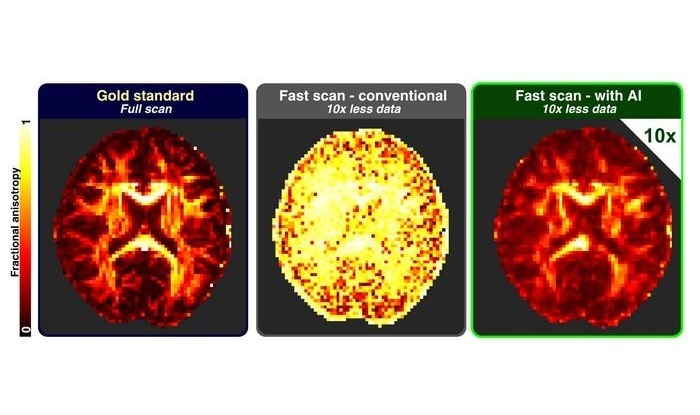
AI Approach Could Shorten Advanced Brain MRI Scans by Up to 90%
Long acquisition times for advanced brain magnetic resonance imaging (MRI) can limit access, extend waiting lists, and disrupt clinical workflows. Reducing data requirements without sacrificing image fidelity... Read more
Cardiac MRI Measure Improves Risk Prediction in Tricuspid Regurgitation
Tricuspid regurgitation, in which blood flows back from the right ventricle into the right atrium, can lead to progressive right-sided heart failure. Clinicians need reliable ways to gauge severity and... Read more

Ultrasound
view channel
AI Robotic Ultrasound System Automates Echocardiography and Improves Consistency
Echocardiography, an ultrasound examination of the heart, is central to diagnosing and managing cardiovascular disease. Many services struggle with limited availability of skilled sonographers, variable... Read more
Whole Cross-Section Ultrasound System Enables Operator-Independent Imaging
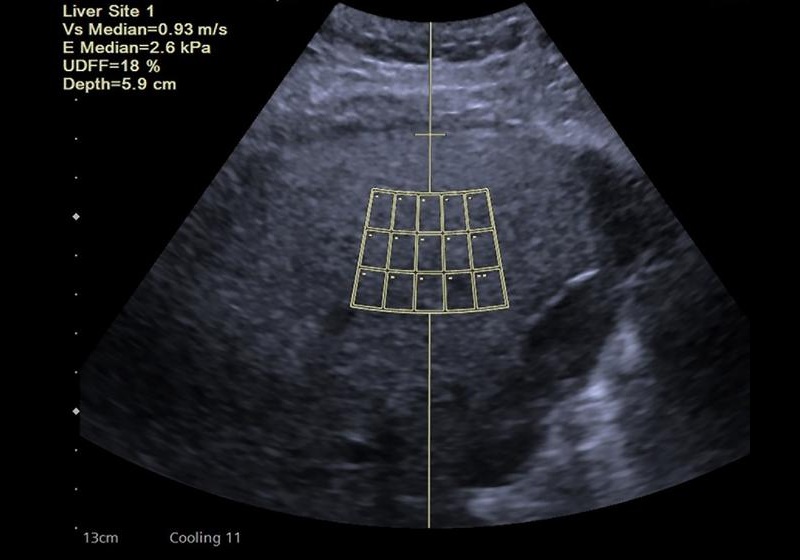
Conventional ultrasound is central to bedside imaging but is limited by a narrow field of view and operator variability. Comprehensive cross-sectional assessment typically requires computed tomography... Read more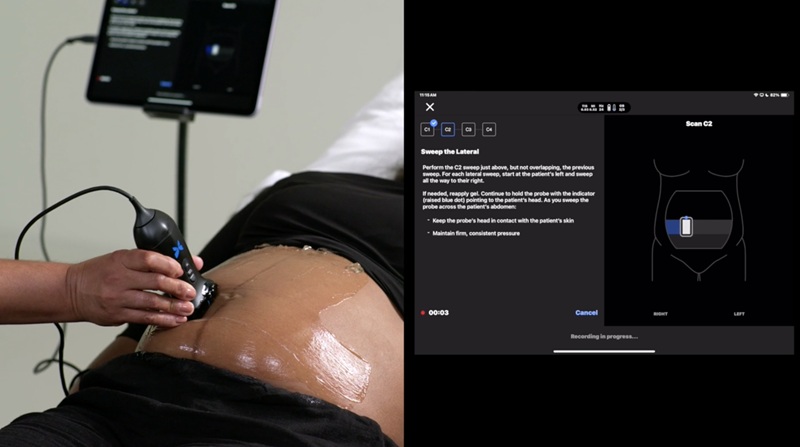
Nuclear Medicine
view channel![Image: (A-C) Representative whole-body maximum-intensity projection images and regional fused PET/CT images from three histologically confirmed osteosarcoma patients who underwent paired [68Ga]Ga-B7-H3-BCH PET/CT and 18F-FDGE PET/CT within 7 days. (D) Multimodal imaging evaluation of patient 3, including X-ray, MRI (T2-weighted imaging, T2WI), CT, and B7-H3 PET/CT. (Photo courtesy of SNMMI)](https://globetechcdn.com/mobile_medicalimaging/images/stories/articles/article_images/2026-06-07/294811110_image_1.jpg "Image: (A-C) Representative whole-body maximum-intensity projection images and regional fused PET/CT images from three histologically confirmed osteosarcoma patients who underwent paired [68Ga]Ga-B7-H3-BCH PET/CT and 18F-FDGE PET/CT within 7 days. (D) Multimodal imaging evaluation of patient 3, including X-ray, MRI (T2-weighted imaging, T2WI), CT, and B7-H3 PET/CT. (Photo courtesy of SNMMI)")
Targeted PET Platform Guides Osteosarcoma Resection and Margin Verification
Osteosarcoma, an aggressive primary bone cancer that mainly affects children and adolescents, demands wide excision to prevent local recurrence. Surgeons must achieve negative margins while preserving... Read more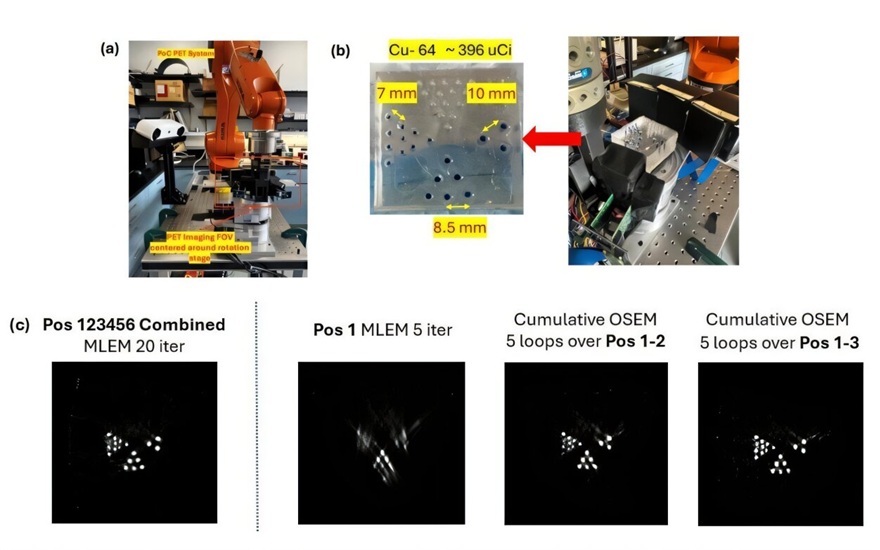
Portable PET System Enables Real-Time Bedside Guidance for Biopsies and Ablations
Interventional radiology procedures typically rely on ultrasound, X-ray fluoroscopy, or computed tomography for image guidance. These modalities visualize anatomy but offer limited molecular information,... Read more

Imaging IT
view channel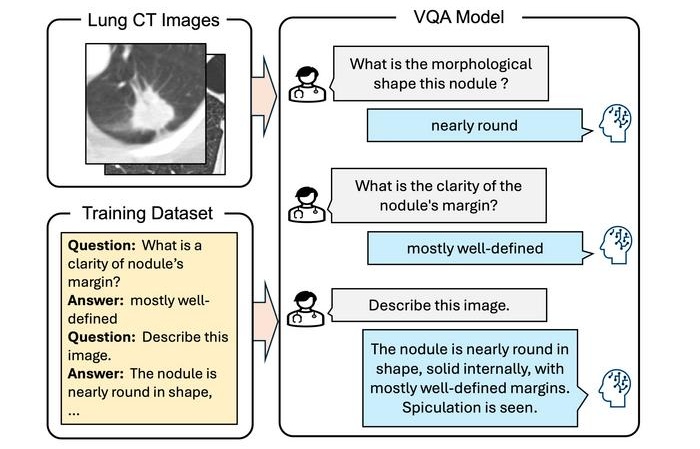
Interactive AI Tool Supports Explainable Lung Nodule Assessment
Lung cancer is a leading cause of cancer mortality, and timely characterization of pulmonary nodules on chest computed tomography (CT) is essential for directing care. Interpreting nodule morphology demands... Read more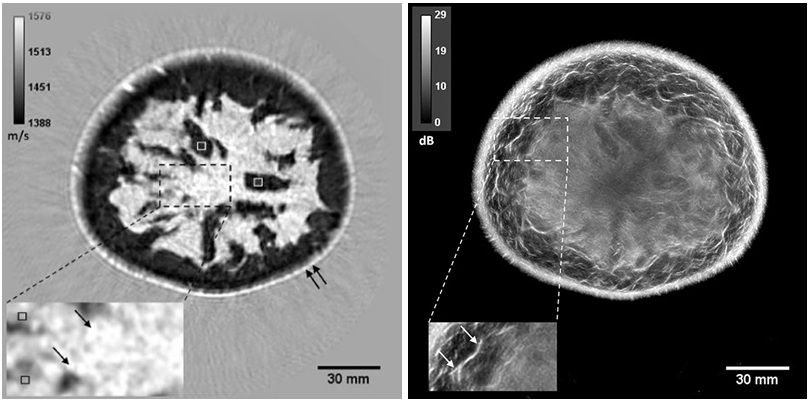
Breast Imaging Software Enhances Visualization and Tissue Characterization in Challenging Cases
Breast imaging can be particularly challenging in cases involving small breasts or implants, where image reconstruction and tissue characterization may be limited. Clinicians also need reproducible analysis... Read more
New Google Cloud Medical Imaging Suite Makes Imaging Healthcare Data More Accessible
Medical imaging is a critical tool used to diagnose patients, and there are billions of medical images scanned globally each year. Imaging data accounts for about 90% of all healthcare data1 and, until... Read more
Global AI in Medical Diagnostics Market to Be Driven by Demand for Image Recognition in Radiology
The global artificial intelligence (AI) in medical diagnostics market is expanding with early disease detection being one of its key applications and image recognition becoming a compelling consumer proposition... Read moreIndustry News
view channel
GE HealthCare Showcases AI-Enabled Nuclear Medicine Portfolio at SNMMI 2026
Nuclear medicine is expanding rapidly as health systems adopt theranostics and broaden access to radiopharmaceuticals, increasing demand for scalable operations and consistent diagnostic confidence.... Read more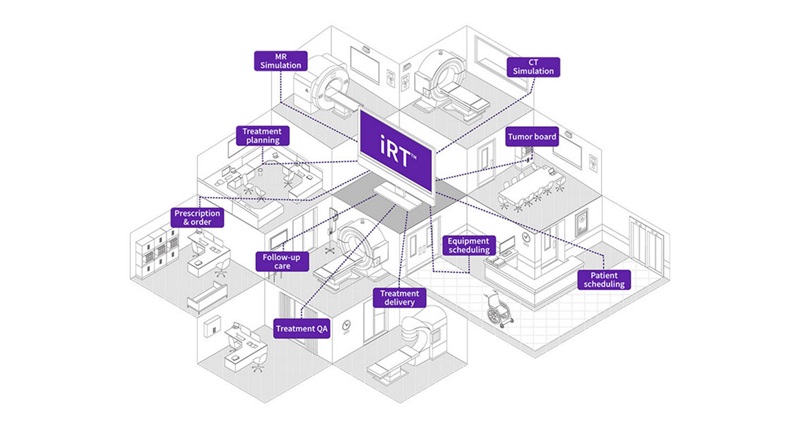
GE HealthCare Highlights AI-Supported Radiation Therapy Tools at ESTRO 2026
At the European Society for Radiotherapy and Oncology (ESTRO) 2026 Congress in Stockholm, GE HealthCare is highlighting Intelligent Radiation Therapy (iRT), MIM Software innovations, and BK Medical surgical... Read more