


Bone Density Image Analysis Software Provides Precise Measurement of Bone and Bone Marrow
|
By MedImaging International staff writers Posted on 20 Oct 2009 |


|
A new bone-density software application performs bone density analysis of small animals in vivo and measures mineral density of specimens in vitro. The software can expedite calculation and reporting for numerous applications ranging from the study of diseases of the bone such as arthritis and osteoporosis to the efficacy of drugs and other treatment options that may affect bone mineral and other densities.
Carestream Molecular Imaging, a division of Carestream Health, Inc. (Rochester, NY, USA), announced worldwide availability of the software. Offered as an optional module for Carestream Molecular Imaging Software used by tens of thousands of researchers worldwide, the new application delivers an advanced numerical analysis that goes beyond conventional bone density software tools. It utilizes a cylindrical model that provides measurements not only of the density of the bone, but also of the bone marrow, the size of the bone and the thickness of the bone wall--all important parameters for tracking and monitoring disease development.
Unlike whole body bone-density measurement systems, which often make it difficult to interpret global measurements, Carestream Molecular Imaging's bone density software utilizes low-dose "soft” X-rays imaged with high spatial resolution--allowing researchers to measure specific segments of single long bones.
"A distinct advantage of our new software is that users are able to very precisely analyze specific bone density changes,” said Bill McLaughlin, director of research and advanced applications, Carestream Molecular Imaging. "This new method is not only more accurate, it is also more efficient and can contribute to early detection and monitoring of disease studies, developmental abnormalities and therapeutic treatments.”
The software is designed for use with Carestream Molecular Imaging's In-Vivo Imaging FX Pro, Multispectral FX and DXS 4000 Pro systems. The imaging system FX Pro and Multispectral FX combine high-sensitivity optical molecular imaging and high-resolution digital X-ray to deliver precise anatomic localization of molecular and cellular biomarkers, while the DXS 4000 produces high-resolution radiographs of medical, life science, and material science research specimens. With very high resolution of up to 25 line pairs per millimeter without geometric magnification, the DXS 4000 system offers the highest resolution available for digital specimen radiography.
Related Links:
Carestream Health






Carestream Molecular Imaging, a division of Carestream Health, Inc. (Rochester, NY, USA), announced worldwide availability of the software. Offered as an optional module for Carestream Molecular Imaging Software used by tens of thousands of researchers worldwide, the new application delivers an advanced numerical analysis that goes beyond conventional bone density software tools. It utilizes a cylindrical model that provides measurements not only of the density of the bone, but also of the bone marrow, the size of the bone and the thickness of the bone wall--all important parameters for tracking and monitoring disease development.
Unlike whole body bone-density measurement systems, which often make it difficult to interpret global measurements, Carestream Molecular Imaging's bone density software utilizes low-dose "soft” X-rays imaged with high spatial resolution--allowing researchers to measure specific segments of single long bones.
"A distinct advantage of our new software is that users are able to very precisely analyze specific bone density changes,” said Bill McLaughlin, director of research and advanced applications, Carestream Molecular Imaging. "This new method is not only more accurate, it is also more efficient and can contribute to early detection and monitoring of disease studies, developmental abnormalities and therapeutic treatments.”
The software is designed for use with Carestream Molecular Imaging's In-Vivo Imaging FX Pro, Multispectral FX and DXS 4000 Pro systems. The imaging system FX Pro and Multispectral FX combine high-sensitivity optical molecular imaging and high-resolution digital X-ray to deliver precise anatomic localization of molecular and cellular biomarkers, while the DXS 4000 produces high-resolution radiographs of medical, life science, and material science research specimens. With very high resolution of up to 25 line pairs per millimeter without geometric magnification, the DXS 4000 system offers the highest resolution available for digital specimen radiography.
Related Links:
Carestream Health

X-Ray Illuminator
X-Ray Viewbox Illuminators
Post-Processing Imaging System
DynaCAD Prostate
Silver Member
X-Ray QA Device
Accu-Gold+ Touch Pro
Breast Localization System
MAMMOREP LOOP
Latest General/Advanced Imaging News
- New SPECT/CT Method Differentiates Inflammation from Fibrosis in Interstitial Lung Disease
- Whole-Body PET/CT Tracks Metabolic Changes After Bariatric Surgery
- PET Tracer Localizes Overactive Adrenal Glands in Primary Aldosteronism
- Multimodal AI Tool Combines CT and Health Records to Predict Heart Risk
- AI Tool Automates Radiotherapy Planning for Cervical and Prostate Cancer
- New Proton Therapy Platform Integrates into Existing Radiotherapy Departments
- 3D-Printed Intraoral Device Enhances Head and Neck Radiotherapy Accuracy
- Molecular Imaging Agent Shows Promise for Endometriosis Detection and Monitoring
- Automated AI Tool Detects Early Pancreatic Cancer on Routine CT
- Routine Cardiac CT Enhanced to Predict Heart Failure Risk
- New Breast Imaging Viewer Unifies Modalities and Enhances Clinical Workflow
- Radiomics Analysis of CT Scans Enhances Evaluation of Sarcoidosis
- Hybrid AI System Improves Early Lung Cancer Detection on CT
- AI Tool Predicts Side Effects from Lung Cancer Treatment
- AI Tool Offers Prognosis for Patients with Head and Neck Cancer
- New 3D Imaging System Addresses MRI, CT and Ultrasound Limitations
Channels
Radiography
view channel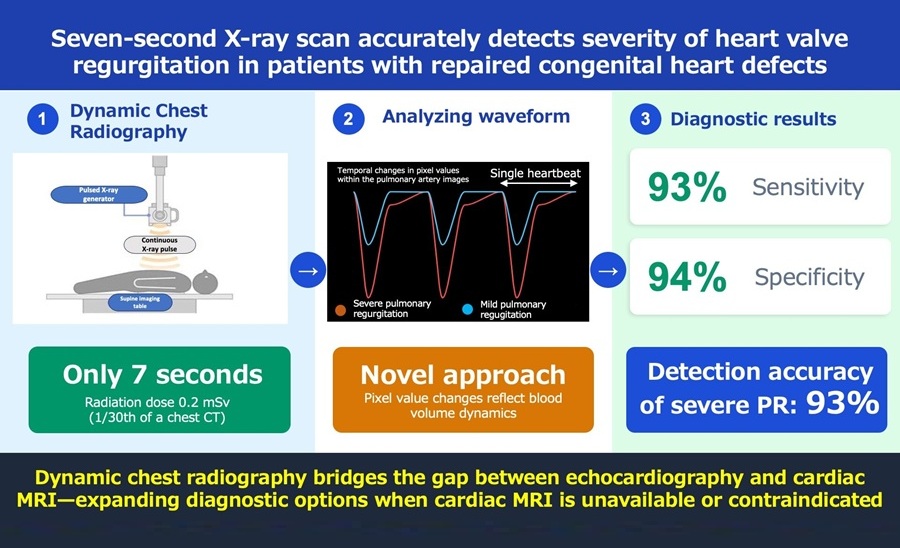
Rapid X-Ray Test Quantifies Pulmonary Regurgitation After Tetralogy of Fallot Repair
Tetralogy of Fallot is the most common cyanotic congenital heart defect and can leave patients with pulmonary valve regurgitation, a backward flow of blood into the right ventricle after repair.... Read more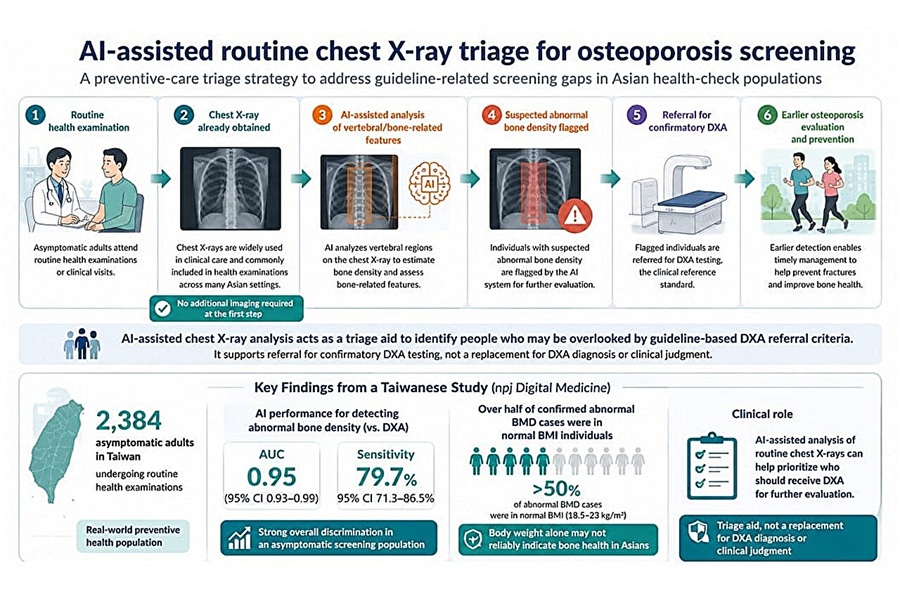
AI Tool Flags Osteoporosis Risk from Routine Chest X-Rays
Osteoporosis is a progressive loss of bone density that is often silent until a fracture occurs. Current screening frameworks concentrate on older women and select high-risk groups. Many men, younger adults,... Read more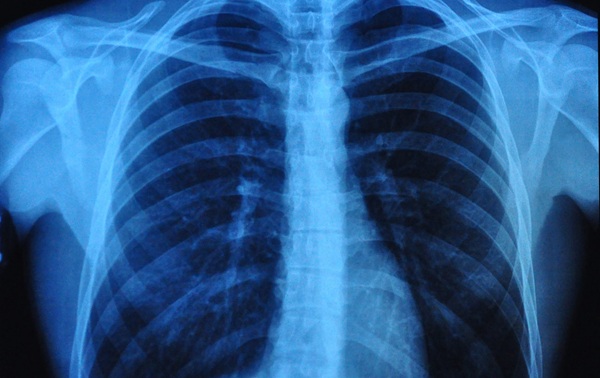
MRI
view channel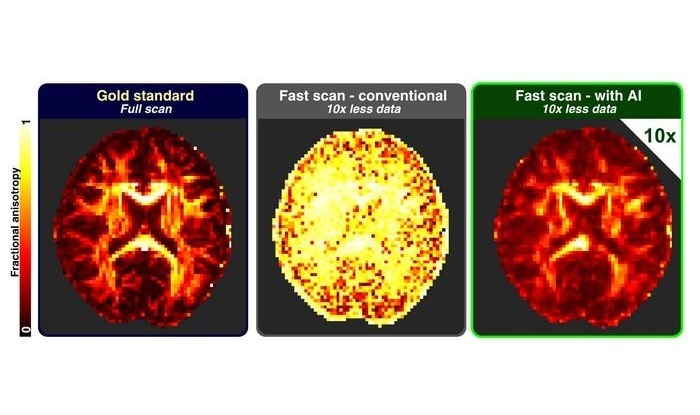
AI Approach Could Shorten Advanced Brain MRI Scans by Up to 90%
Long acquisition times for advanced brain magnetic resonance imaging (MRI) can limit access, extend waiting lists, and disrupt clinical workflows. Reducing data requirements without sacrificing image fidelity... Read more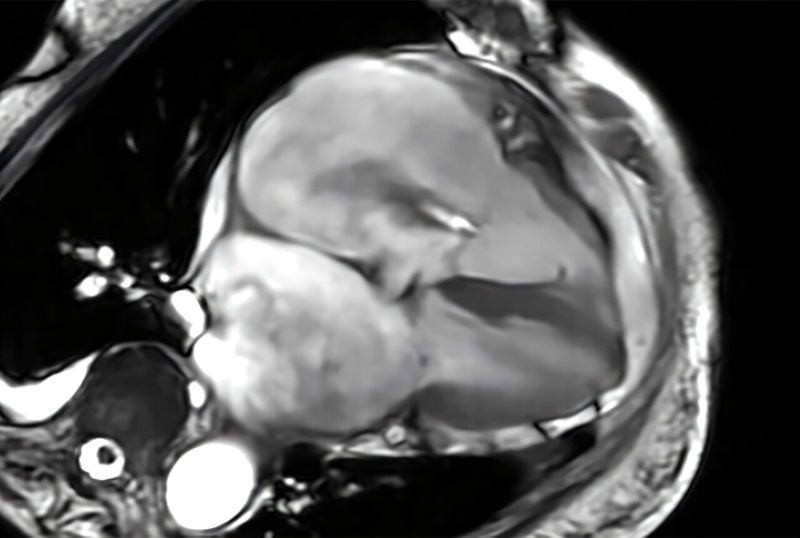
Cardiac MRI Measure Improves Risk Prediction in Tricuspid Regurgitation
Tricuspid regurgitation, in which blood flows back from the right ventricle into the right atrium, can lead to progressive right-sided heart failure. Clinicians need reliable ways to gauge severity and... Read more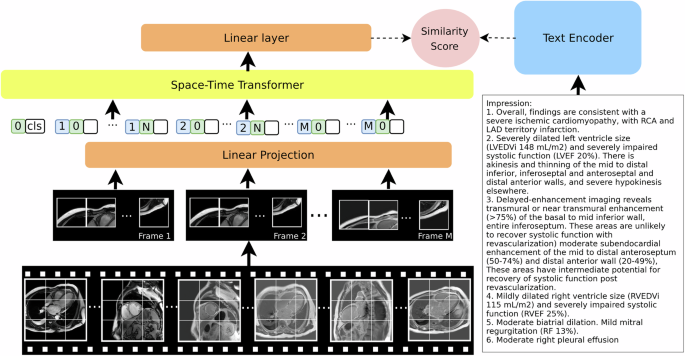

Ultrasound
view channel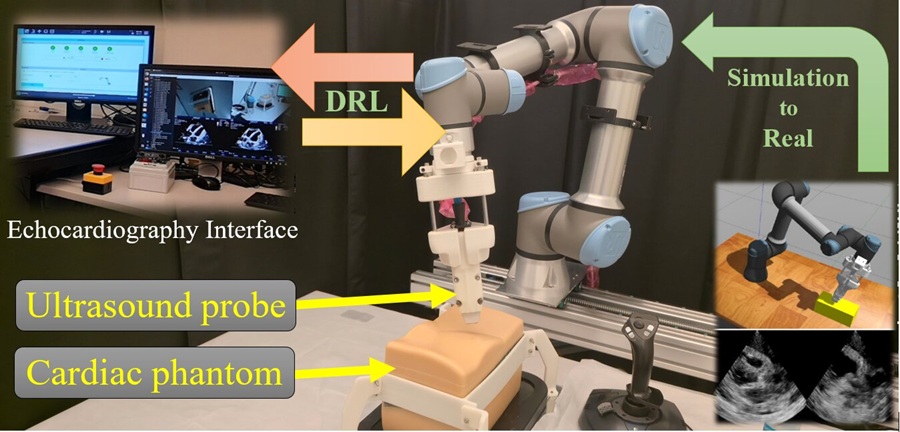
AI Robotic Ultrasound System Automates Echocardiography and Improves Consistency
Echocardiography, an ultrasound examination of the heart, is central to diagnosing and managing cardiovascular disease. Many services struggle with limited availability of skilled sonographers, variable... Read more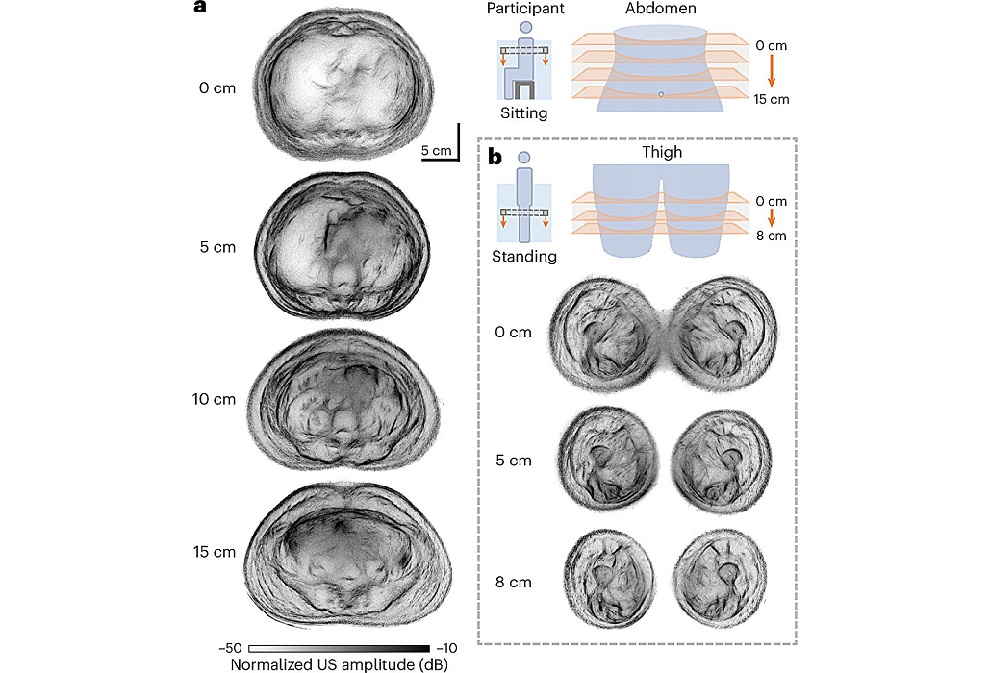
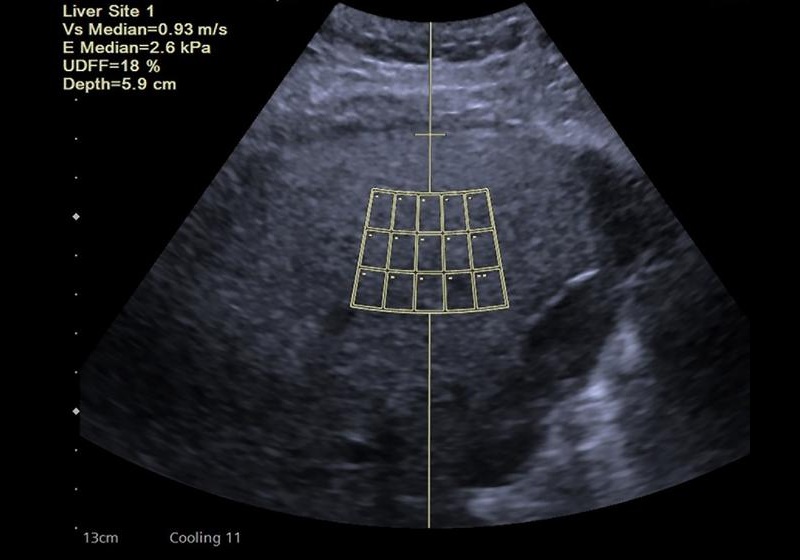
Whole Cross-Section Ultrasound System Enables Operator-Independent Imaging
Conventional ultrasound is central to bedside imaging but is limited by a narrow field of view and operator variability. Comprehensive cross-sectional assessment typically requires computed tomography... Read more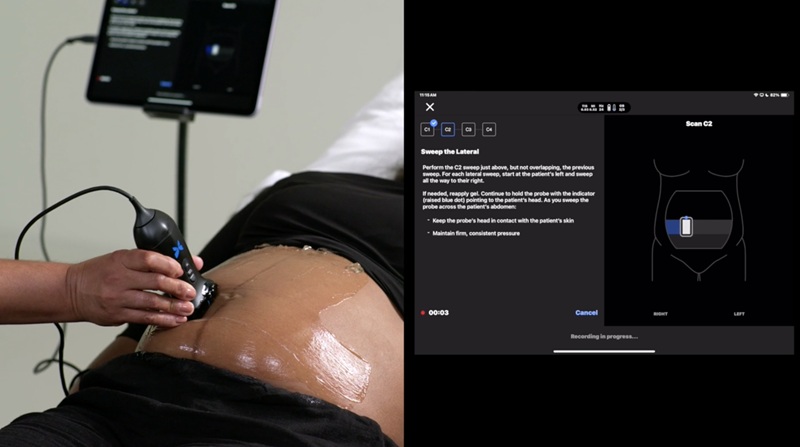
Nuclear Medicine
view channel![Image: (A-C) Representative whole-body maximum-intensity projection images and regional fused PET/CT images from three histologically confirmed osteosarcoma patients who underwent paired [68Ga]Ga-B7-H3-BCH PET/CT and 18F-FDGE PET/CT within 7 days. (D) Multimodal imaging evaluation of patient 3, including X-ray, MRI (T2-weighted imaging, T2WI), CT, and B7-H3 PET/CT. (Photo courtesy of SNMMI)](https://globetechcdn.com/mobile_medicalimaging/images/stories/articles/article_images/2026-06-07/294811110_image_1.jpg "Image: (A-C) Representative whole-body maximum-intensity projection images and regional fused PET/CT images from three histologically confirmed osteosarcoma patients who underwent paired [68Ga]Ga-B7-H3-BCH PET/CT and 18F-FDGE PET/CT within 7 days. (D) Multimodal imaging evaluation of patient 3, including X-ray, MRI (T2-weighted imaging, T2WI), CT, and B7-H3 PET/CT. (Photo courtesy of SNMMI)")
Targeted PET Platform Guides Osteosarcoma Resection and Margin Verification
Osteosarcoma, an aggressive primary bone cancer that mainly affects children and adolescents, demands wide excision to prevent local recurrence. Surgeons must achieve negative margins while preserving... Read more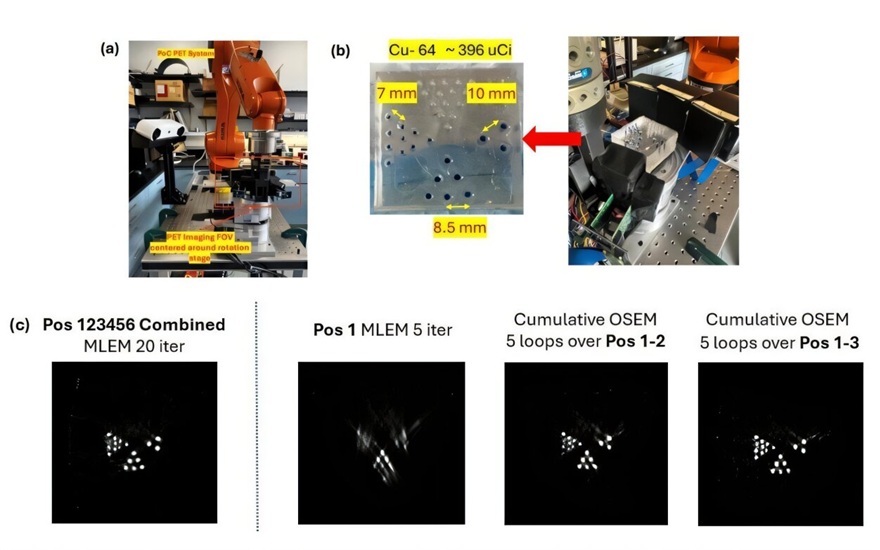
Portable PET System Enables Real-Time Bedside Guidance for Biopsies and Ablations
Interventional radiology procedures typically rely on ultrasound, X-ray fluoroscopy, or computed tomography for image guidance. These modalities visualize anatomy but offer limited molecular information,... Read more

General/Advanced Imaging
view channel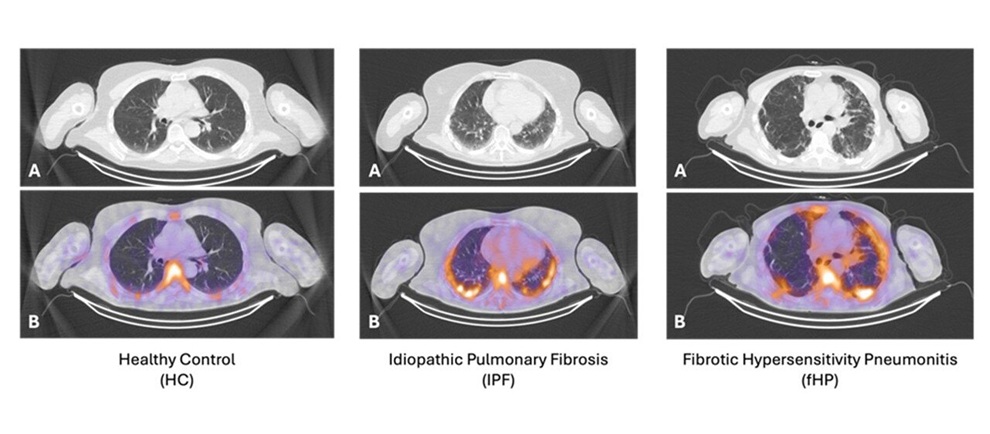
New SPECT/CT Method Differentiates Inflammation from Fibrosis in Interstitial Lung Disease
Interstitial lung disease (ILD) encompasses more than 200 disorders that inflame or scar the lung interstitium and can lead to progressive respiratory failure. Determining whether active inflammation is... Read more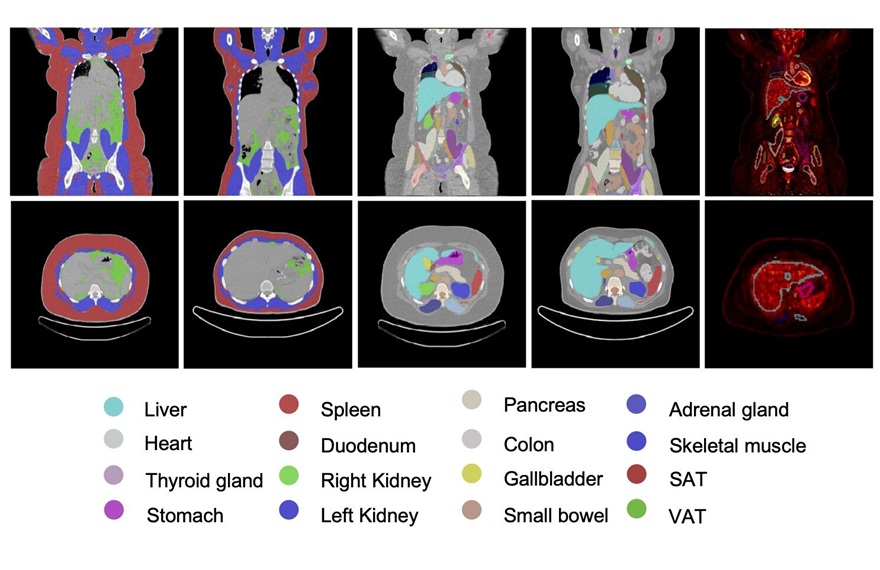
Whole-Body PET/CT Tracks Metabolic Changes After Bariatric Surgery
Obesity surgery improves weight and comorbidity profiles, yet clinicians lack tools to monitor organ-level metabolic recovery after the procedure. A clear view of systemic changes could refine follow-up... Read more
Industry News
view channel
GE HealthCare Showcases AI-Enabled Nuclear Medicine Portfolio at SNMMI 2026
Nuclear medicine is expanding rapidly as health systems adopt theranostics and broaden access to radiopharmaceuticals, increasing demand for scalable operations and consistent diagnostic confidence.... Read more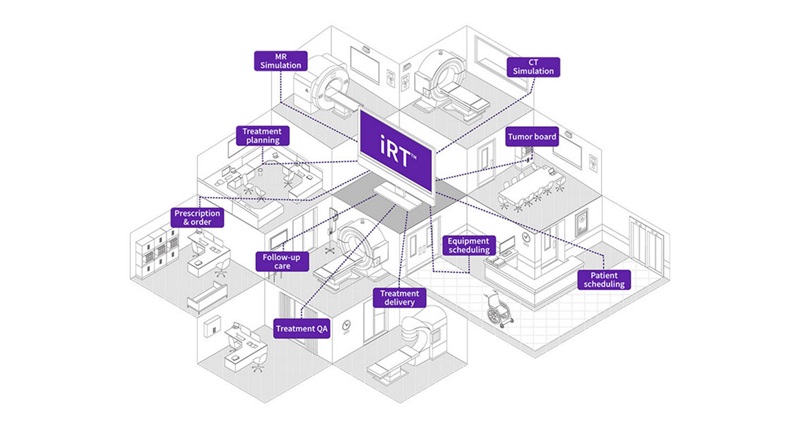
GE HealthCare Highlights AI-Supported Radiation Therapy Tools at ESTRO 2026
At the European Society for Radiotherapy and Oncology (ESTRO) 2026 Congress in Stockholm, GE HealthCare is highlighting Intelligent Radiation Therapy (iRT), MIM Software innovations, and BK Medical surgical... Read more