


Electronic Alerts on Abnormal Imaging Test Results Do Not Always Result in Timely Follow-Up
|
By MedImaging International staff writers Posted on 20 Oct 2009 |


|
Abnormal results on outpatient imaging tests sometimes may not receive appropriate follow-up even when clinicians receive and read results in an advanced, integrated electronic medical record system, according to a recent report.
"Communication breakdown is consistently identified as a preventable factor in studies of adverse events and a significant contributor to outpatient diagnostic errors from a lack of follow-up of abnormal test results,” the investigators reported in their study, published in the September 28, 2009, issue of Archives of Internal Medicine, one of the JAMA/Archives journals. The high volume and number of transitions between clinicians in outpatient care makes timely communication especially difficult. For instance, a primary care physician may refer a patient with respiratory symptoms to undergo several laboratory and imaging tests and a pulmonary consultation. Any abnormal findings, such as a lung mass, would need to be communicated rapidly and effectively to all clinicians involved in treating the patient.
Some healthcare systems use electronic communication with alerts to notify clinicians who order imaging tests about critical abnormal results--an approach that may have advantages over a paper-based reporting system. "However, effective communication involves more than just information transfer-it requires a response from the recipient, such as taking follow-up action and acknowledging receipt of the information to the sender,” the investigators stated in their study.
Hardeep Singh, M.D., M.P.H., from Michael E. DeBakey Veterans Affairs Medical Center and Baylor College of Medicine, both based in Houston, TX, USA) examined critical imaging alert notifications in the outpatient setting of one Department of Veterans Affairs facility between November 2007 and June 2008. The researchers used tracking software to determine whether alerts about abnormal test results were read within two weeks, then reviewed medical records and contacted healthcare practitioners to determine whether timely follow-up actions (such as ordering a follow-up test or consultation) were taken within four weeks of the alert transmission.
Of 123,638 imaging tests (including X-rays, computed tomograpy [CT] scans, magnetic resonance imaging [MRI] and mammograms) performed during the study period, results from 1,196 (0.97%) generated alerts to the ordering clinician. Of these alerts, 217 (18.1%) were not acknowledged. Alerts were more likely to be unacknowledged if the ordering clinician was a trainee or if an alert was sent to more than one clinician (for example, when the ordering clinician was not the patient's primary care physician, and alerts were sent to both the specialist and the patient's regular physician).
Timely follow-up of abnormal results did not occur following 92 (7.7%) of all alerts, including 7.3% of alerts that were acknowledged and 9.7% of alerts that were unacknowledged. This follow-up was also less likely to occur when more than one clinician received the alert, but more apt to occur when a radiologist also reported concerns about the results verbally, either by phone or in person. "Nearly all abnormal test results lacking timely follow-up at four weeks were eventually found to have measurable clinical impact in terms of further diagnostic testing or treatment,” the authors stated.
"Our findings suggest that an electronic medical record that facilitates transmission and availability of critical imaging results to the healthcare provider through either automated notification or direct access of primary report does not eliminate the problem of missed test results even when one or more healthcare providers read the results,” the investigators concluded. "Therefore, even in the best of information systems that contain advanced notification features, patients with abnormal imaging results are vulnerable to ‘falling through the cracks.' This underscores the need for a multidisciplinary approach involving human-computer interaction and informatics to complement the benefits achieved by automated notification and the need for continuous monitoring procedures to ensure follow-up even when healthcare providers ‘acknowledge,' i.e., read abnormal results.”
Related Links:
Michael E. DeBakey Veterans Affairs Medical Center
Baylor College of Medicine






"Communication breakdown is consistently identified as a preventable factor in studies of adverse events and a significant contributor to outpatient diagnostic errors from a lack of follow-up of abnormal test results,” the investigators reported in their study, published in the September 28, 2009, issue of Archives of Internal Medicine, one of the JAMA/Archives journals. The high volume and number of transitions between clinicians in outpatient care makes timely communication especially difficult. For instance, a primary care physician may refer a patient with respiratory symptoms to undergo several laboratory and imaging tests and a pulmonary consultation. Any abnormal findings, such as a lung mass, would need to be communicated rapidly and effectively to all clinicians involved in treating the patient.
Some healthcare systems use electronic communication with alerts to notify clinicians who order imaging tests about critical abnormal results--an approach that may have advantages over a paper-based reporting system. "However, effective communication involves more than just information transfer-it requires a response from the recipient, such as taking follow-up action and acknowledging receipt of the information to the sender,” the investigators stated in their study.
Hardeep Singh, M.D., M.P.H., from Michael E. DeBakey Veterans Affairs Medical Center and Baylor College of Medicine, both based in Houston, TX, USA) examined critical imaging alert notifications in the outpatient setting of one Department of Veterans Affairs facility between November 2007 and June 2008. The researchers used tracking software to determine whether alerts about abnormal test results were read within two weeks, then reviewed medical records and contacted healthcare practitioners to determine whether timely follow-up actions (such as ordering a follow-up test or consultation) were taken within four weeks of the alert transmission.
Of 123,638 imaging tests (including X-rays, computed tomograpy [CT] scans, magnetic resonance imaging [MRI] and mammograms) performed during the study period, results from 1,196 (0.97%) generated alerts to the ordering clinician. Of these alerts, 217 (18.1%) were not acknowledged. Alerts were more likely to be unacknowledged if the ordering clinician was a trainee or if an alert was sent to more than one clinician (for example, when the ordering clinician was not the patient's primary care physician, and alerts were sent to both the specialist and the patient's regular physician).
Timely follow-up of abnormal results did not occur following 92 (7.7%) of all alerts, including 7.3% of alerts that were acknowledged and 9.7% of alerts that were unacknowledged. This follow-up was also less likely to occur when more than one clinician received the alert, but more apt to occur when a radiologist also reported concerns about the results verbally, either by phone or in person. "Nearly all abnormal test results lacking timely follow-up at four weeks were eventually found to have measurable clinical impact in terms of further diagnostic testing or treatment,” the authors stated.
"Our findings suggest that an electronic medical record that facilitates transmission and availability of critical imaging results to the healthcare provider through either automated notification or direct access of primary report does not eliminate the problem of missed test results even when one or more healthcare providers read the results,” the investigators concluded. "Therefore, even in the best of information systems that contain advanced notification features, patients with abnormal imaging results are vulnerable to ‘falling through the cracks.' This underscores the need for a multidisciplinary approach involving human-computer interaction and informatics to complement the benefits achieved by automated notification and the need for continuous monitoring procedures to ensure follow-up even when healthcare providers ‘acknowledge,' i.e., read abnormal results.”
Related Links:
Michael E. DeBakey Veterans Affairs Medical Center
Baylor College of Medicine

Ultrasonic Pocket Doppler
SD1
Digital Intelligent Ferromagnetic Detector
Digital Ferromagnetic Detector
Pocket Fetal Doppler
CONTEC10C/CL
MRI System
nanoScan MRI 3T/7T
Latest General/Advanced Imaging News
- New SPECT/CT Method Differentiates Inflammation from Fibrosis in Interstitial Lung Disease
- Whole-Body PET/CT Tracks Metabolic Changes After Bariatric Surgery
- PET Tracer Localizes Overactive Adrenal Glands in Primary Aldosteronism
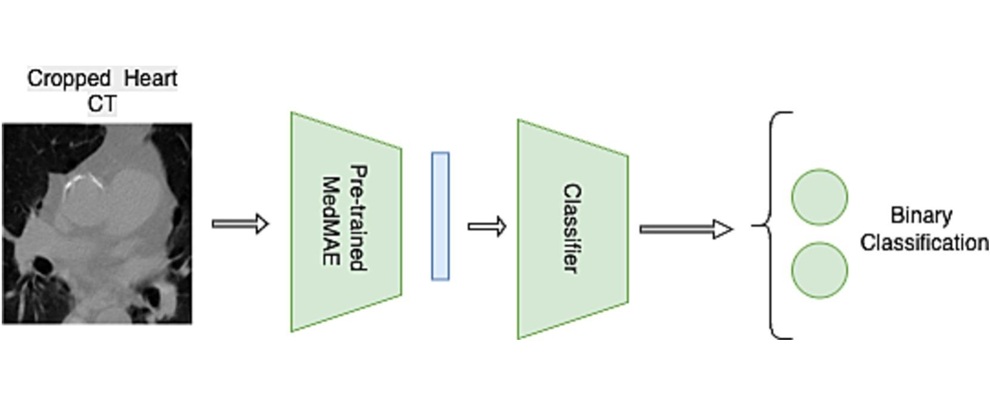
- Multimodal AI Tool Combines CT and Health Records to Predict Heart Risk
- AI Tool Automates Radiotherapy Planning for Cervical and Prostate Cancer
- New Proton Therapy Platform Integrates into Existing Radiotherapy Departments
- 3D-Printed Intraoral Device Enhances Head and Neck Radiotherapy Accuracy
- Molecular Imaging Agent Shows Promise for Endometriosis Detection and Monitoring
- Automated AI Tool Detects Early Pancreatic Cancer on Routine CT
- Routine Cardiac CT Enhanced to Predict Heart Failure Risk
- New Breast Imaging Viewer Unifies Modalities and Enhances Clinical Workflow
- Radiomics Analysis of CT Scans Enhances Evaluation of Sarcoidosis
- Hybrid AI System Improves Early Lung Cancer Detection on CT
- AI Tool Predicts Side Effects from Lung Cancer Treatment
- AI Tool Offers Prognosis for Patients with Head and Neck Cancer
- New 3D Imaging System Addresses MRI, CT and Ultrasound Limitations
Channels
Radiography
view channel
Rapid X-Ray Test Quantifies Pulmonary Regurgitation After Tetralogy of Fallot Repair
Tetralogy of Fallot is the most common cyanotic congenital heart defect and can leave patients with pulmonary valve regurgitation, a backward flow of blood into the right ventricle after repair.... Read more
AI Tool Flags Osteoporosis Risk from Routine Chest X-Rays
Osteoporosis is a progressive loss of bone density that is often silent until a fracture occurs. Current screening frameworks concentrate on older women and select high-risk groups. Many men, younger adults,... Read more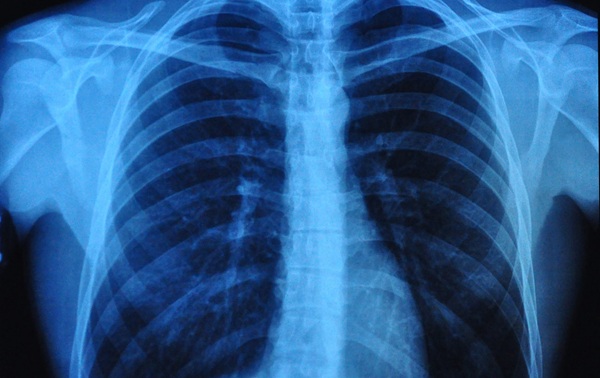
MRI
view channel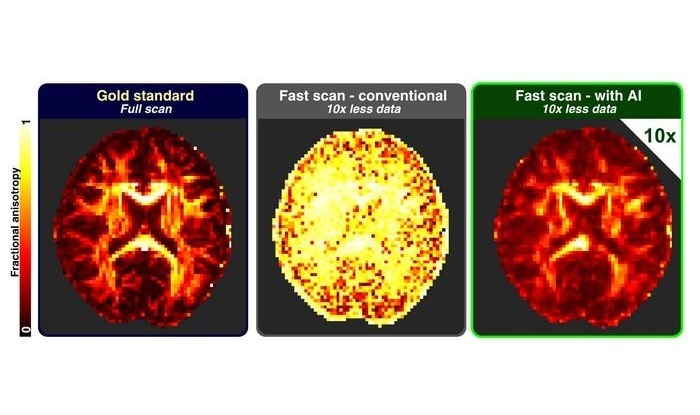
AI Approach Could Shorten Advanced Brain MRI Scans by Up to 90%
Long acquisition times for advanced brain magnetic resonance imaging (MRI) can limit access, extend waiting lists, and disrupt clinical workflows. Reducing data requirements without sacrificing image fidelity... Read more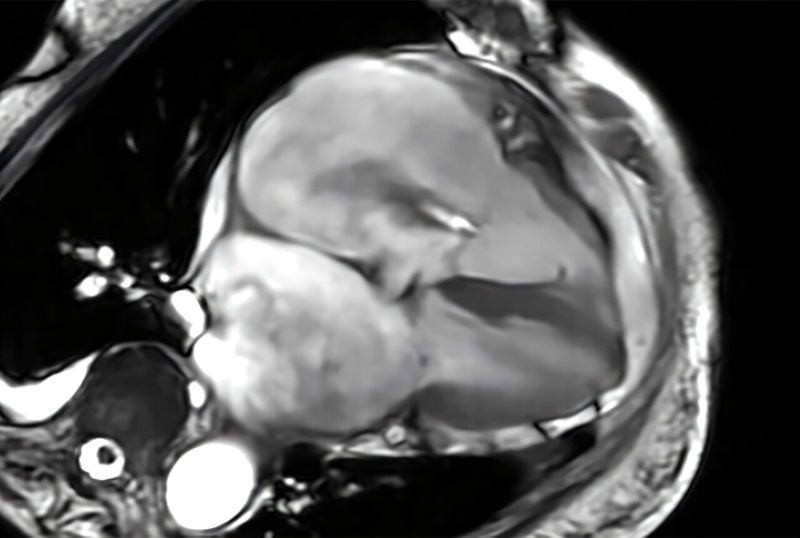
Cardiac MRI Measure Improves Risk Prediction in Tricuspid Regurgitation
Tricuspid regurgitation, in which blood flows back from the right ventricle into the right atrium, can lead to progressive right-sided heart failure. Clinicians need reliable ways to gauge severity and... Read more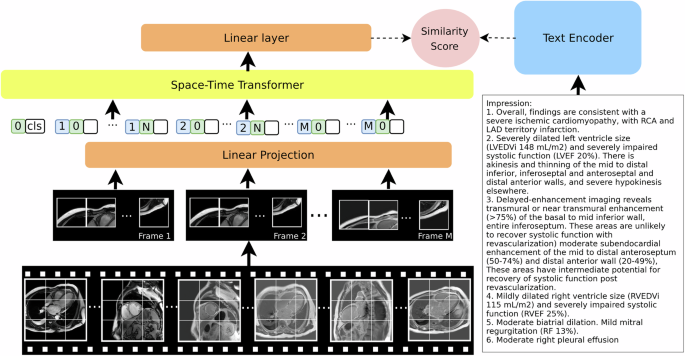

Ultrasound
view channel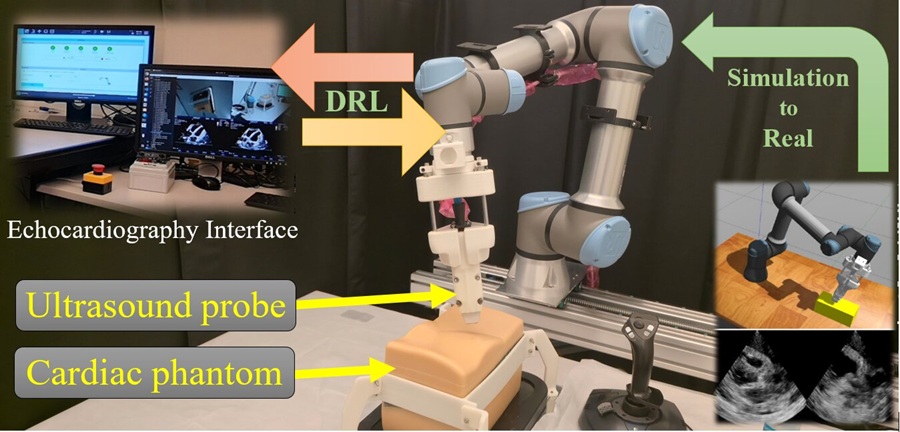
AI Robotic Ultrasound System Automates Echocardiography and Improves Consistency
Echocardiography, an ultrasound examination of the heart, is central to diagnosing and managing cardiovascular disease. Many services struggle with limited availability of skilled sonographers, variable... Read more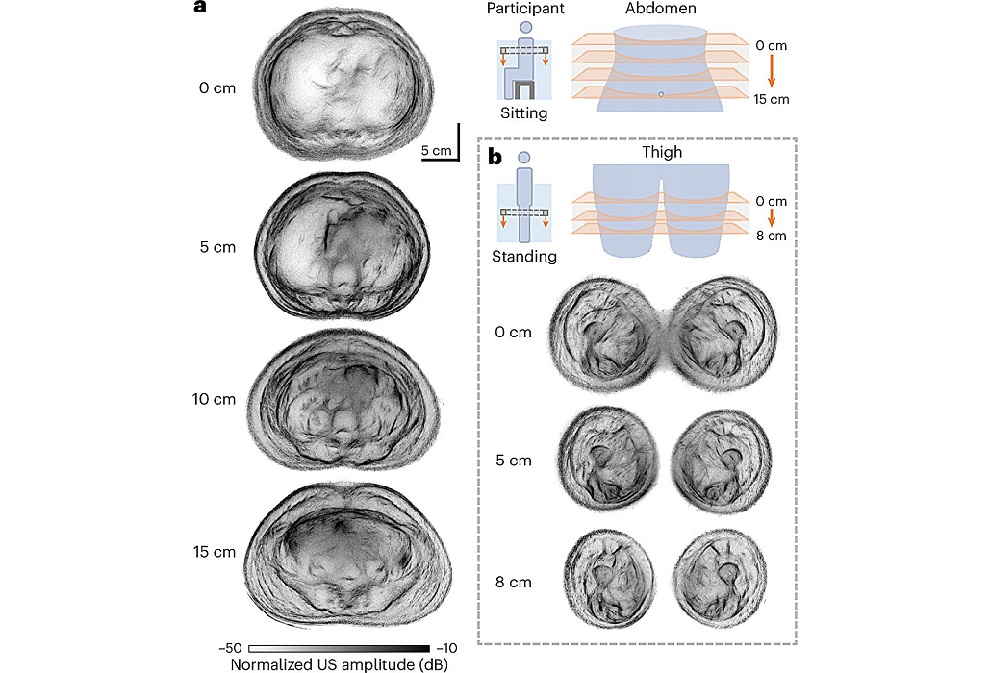
Whole Cross-Section Ultrasound System Enables Operator-Independent Imaging
Conventional ultrasound is central to bedside imaging but is limited by a narrow field of view and operator variability. Comprehensive cross-sectional assessment typically requires computed tomography... Read more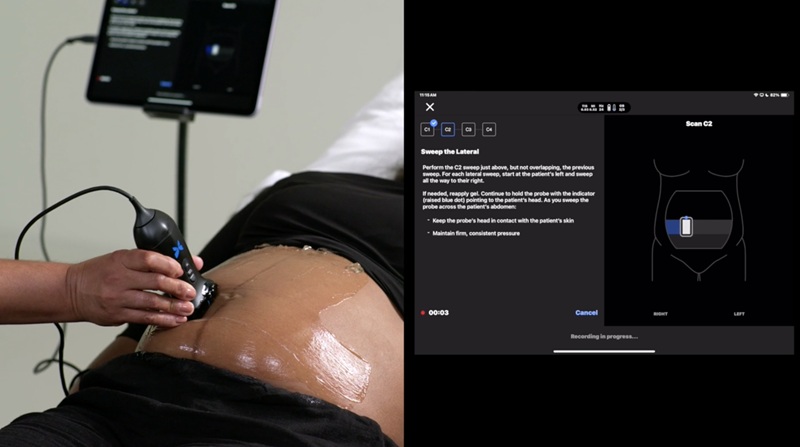
Nuclear Medicine
view channel![Image: (A-C) Representative whole-body maximum-intensity projection images and regional fused PET/CT images from three histologically confirmed osteosarcoma patients who underwent paired [68Ga]Ga-B7-H3-BCH PET/CT and 18F-FDGE PET/CT within 7 days. (D) Multimodal imaging evaluation of patient 3, including X-ray, MRI (T2-weighted imaging, T2WI), CT, and B7-H3 PET/CT. (Photo courtesy of SNMMI)](https://globetechcdn.com/mobile_medicalimaging/images/stories/articles/article_images/2026-06-07/294811110_image_1.jpg "Image: (A-C) Representative whole-body maximum-intensity projection images and regional fused PET/CT images from three histologically confirmed osteosarcoma patients who underwent paired [68Ga]Ga-B7-H3-BCH PET/CT and 18F-FDGE PET/CT within 7 days. (D) Multimodal imaging evaluation of patient 3, including X-ray, MRI (T2-weighted imaging, T2WI), CT, and B7-H3 PET/CT. (Photo courtesy of SNMMI)")
Targeted PET Platform Guides Osteosarcoma Resection and Margin Verification
Osteosarcoma, an aggressive primary bone cancer that mainly affects children and adolescents, demands wide excision to prevent local recurrence. Surgeons must achieve negative margins while preserving... Read more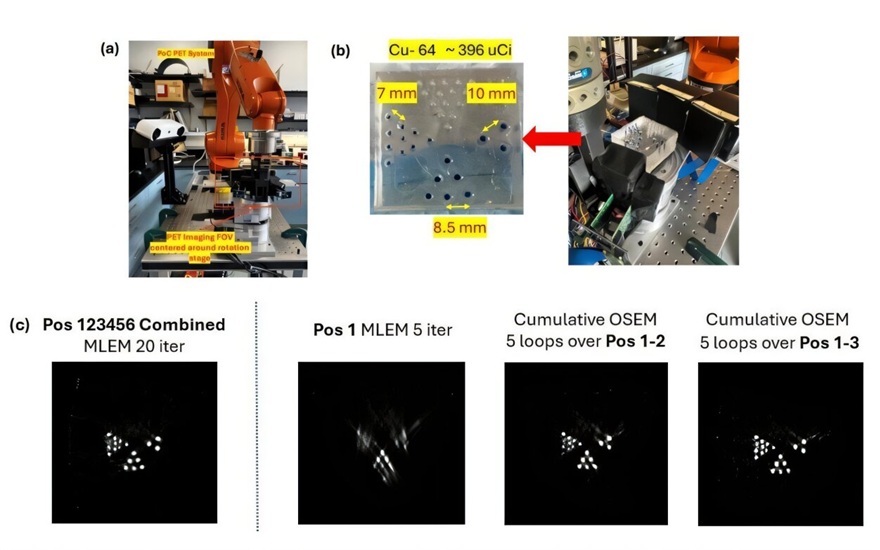
Portable PET System Enables Real-Time Bedside Guidance for Biopsies and Ablations
Interventional radiology procedures typically rely on ultrasound, X-ray fluoroscopy, or computed tomography for image guidance. These modalities visualize anatomy but offer limited molecular information,... Read more

General/Advanced Imaging
view channel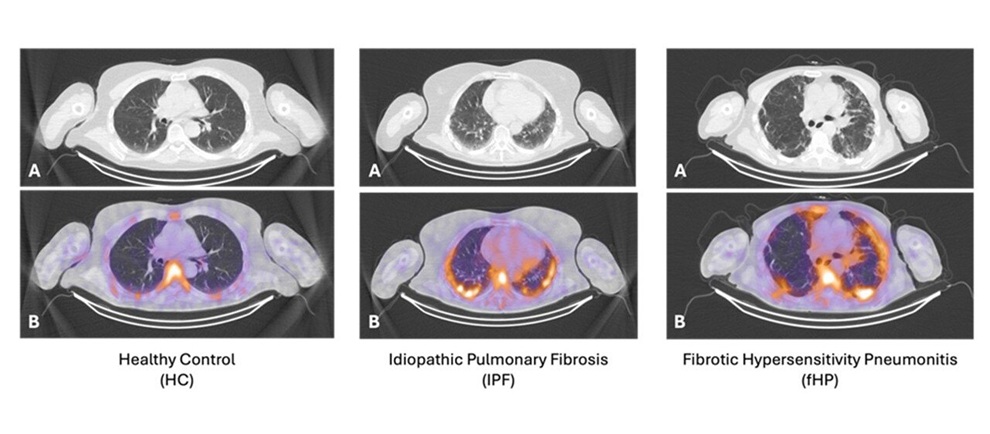
New SPECT/CT Method Differentiates Inflammation from Fibrosis in Interstitial Lung Disease
Interstitial lung disease (ILD) encompasses more than 200 disorders that inflame or scar the lung interstitium and can lead to progressive respiratory failure. Determining whether active inflammation is... Read more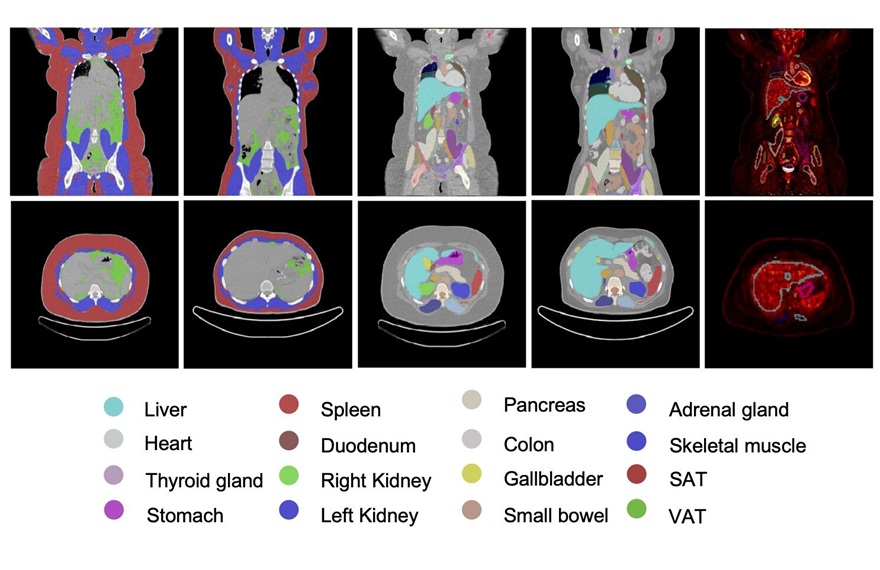
Whole-Body PET/CT Tracks Metabolic Changes After Bariatric Surgery
Obesity surgery improves weight and comorbidity profiles, yet clinicians lack tools to monitor organ-level metabolic recovery after the procedure. A clear view of systemic changes could refine follow-up... Read more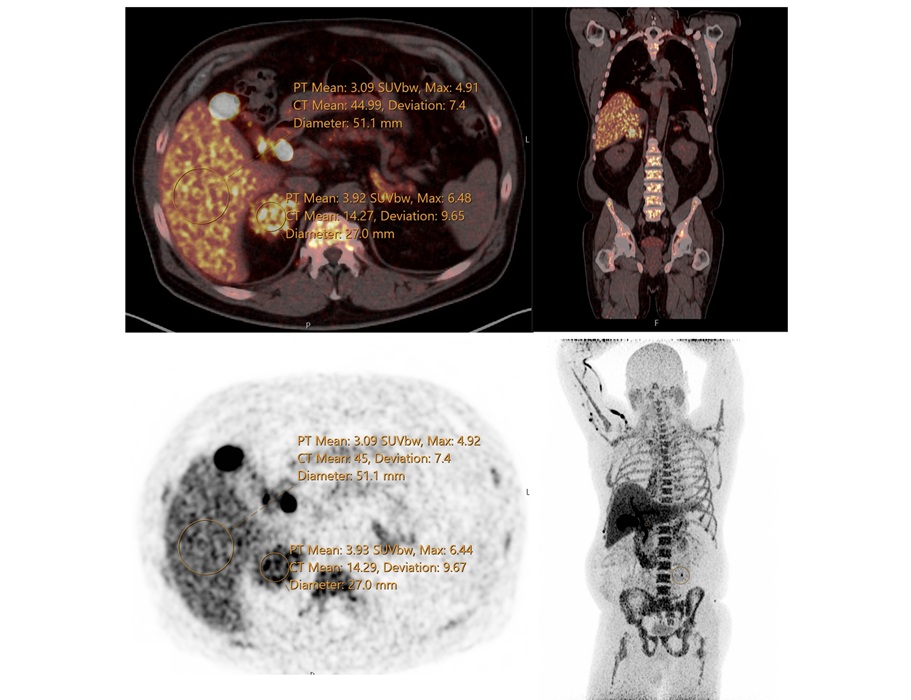
Industry News
view channel
GE HealthCare Showcases AI-Enabled Nuclear Medicine Portfolio at SNMMI 2026
Nuclear medicine is expanding rapidly as health systems adopt theranostics and broaden access to radiopharmaceuticals, increasing demand for scalable operations and consistent diagnostic confidence.... Read more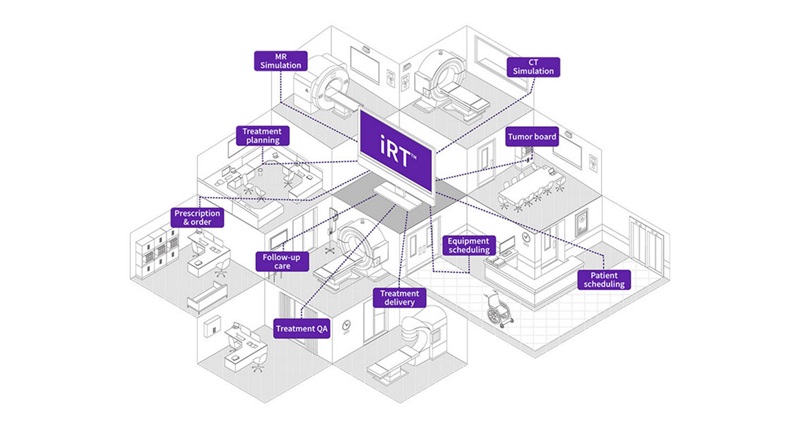
GE HealthCare Highlights AI-Supported Radiation Therapy Tools at ESTRO 2026
At the European Society for Radiotherapy and Oncology (ESTRO) 2026 Congress in Stockholm, GE HealthCare is highlighting Intelligent Radiation Therapy (iRT), MIM Software innovations, and BK Medical surgical... Read more