






Nuclear Medicine
Presurgical SPECT/CT Imaging for Breast Cancer Reveals More Tumors Than Lymphoscintigraphy
Surprising findings from an international multicenter trial provide mounting evidence that sentinel node imaging is more effectively performed with hybrid functional imaging using SPECT/CT than with another molecular imaging technique, the current standard, lymphoscintigraphy. More...24 Jun 2014
PET/MR Found Best Imaging Modality for Detecting Coronary Arterial Disease
The hybrid molecular imaging technique called PET/MR imaging, which provides vital data about cardiac and arterial function, has been found to be an effective molecular imaging tool for detecting coronary artery disease, according to a recent study. More...23 Jun 2014

Taipei University to Install Proton Treatment Center
New technology enables intensity-modulated proton therapy by modifying dose levels on a spot-by-spot basis throughout the treatment area. Scanning beam technology makes it possible to combine irradiations from multiple angles in an optimal manner to improve control of dose distributions. More...19 Jun 2014
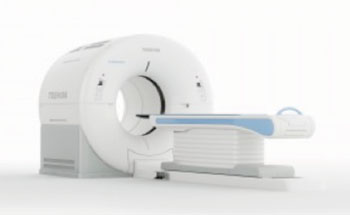
Patient-Friendly PET/CT System Provides Very Large Bore, Wide Field-of-View, and Fast Imaging
A versatile new PET/CT system combines high performance PET and CT for all radiation and oncology imaging requirements, including tumor detection, treatment evaluation, and CT simulation. More...18 Jun 2014
Molecular Breast Imaging Strategy Reveals More Tumors
Patients with advanced breast cancer that may have metastasized to their lymph nodes could be helped with a stronger dose of a molecular imaging agent called Tc-99m filtered sulfur colloid when undergoing lymphoscintigraphy, a functional imaging approach that searches for new tumors as they begin to metastasize. More...18 Jun 2014

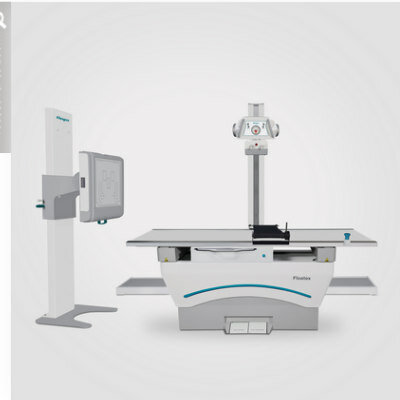

Digital Radiography System (Ceiling Free)
Digix CF Series
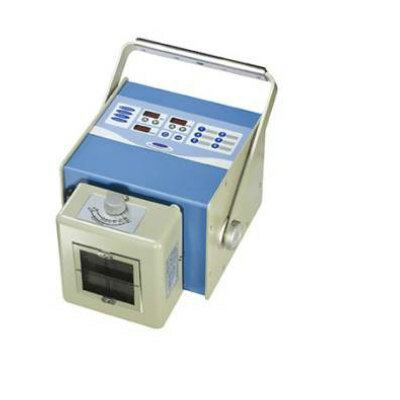

Portable X-ray Unit
AJEX140H


Biopsy Software
Affirm® Contrast
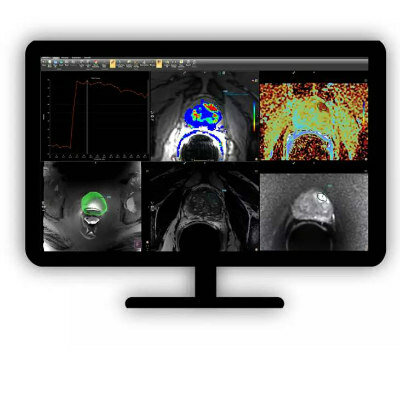

Post-Processing Imaging System
DynaCAD Prostate
In Other News
Enhanced PET Imaging Radiotracers Designed for Better Tracking of Disease
Re-Treating Lung Cancer with Radiotherapy Is Effective
Breath Analysis Provides Same Sensitivity, Twice the Specificity of PET Imaging Identifying Early Lung Cancer
PET Used Instead of Repeated Biopsy for Monitoring of Prostate Cancer
Functional Brain PET Imaging Effectively Forecasts Which Vegetative Patients Can Recover Consciousness
Early PET-Negative Stage I/II Hodgkin Lymphoma Patients Show Increased Risk of Early Relapse when Radiotherapy Is Not Used
Beam Technology Enables Less Harmful, More Accurate, and Cost-Effective Radiotherapy

PET Imaging Used to Assess Effectiveness of Menkes Disease Treatments
Sharp Decline Seen in Use of Cardiac Nuclear Myocardial Perfusion Imaging
Collaboration Expands Capacity for Proton Therapy Clinical Research and Patient Treatments
Helium Ions May Provide Better-Targeted Treatment in Pediatric Radiotherapy
Shock-Absorbing “Goo” Discovered in Bone
Preoperative PET Reduces Redundant Lung Surgeries
Radiotherapy After Mastectomy Helpful to Women with Breast Cancer That Metastasized to Only a Few Lymph Nodes
PET Imaging Reveals Cognitive Impairment Predicted from Plaques
Earlier Diagnosis of Alzheimer’s Disease Attained with New PET Tracers
Favorable Outcomes Seen for Advanced Stage Tonsil Cancer Using Unilateral Radiotherapy
Proton Therapy for Prostate Cancer Patients Offers Long-Term Patient Survival with Optimal Quality of Life
Dressing Designed to Prevent Skin Reactions During Radiation Therapy
Dense Breast Tissue Not Problematic for Molecular Breast Imaging
First Lung Cancer Patients Treated Using MRI-Guided Radiotherapy
Brachytherapy Provides Lower Rate of Breast Preservation for Older Women
Cherenkov Effect Breakthrough Allows Clinicians to Visualize Radiotherapy in Body


The Nuclear Medicine channel of MedImaging brings the latest in research and clinical radiotherapy, proton therapy, PET-CT, SPECT, SQUID, radiopharmacology, scintillography, trends and safety concerns.