


Carestream Showcases New Glass-Free Detector and Intelligent Solutions for Digital Radiography at Virtual ECR 2021
|
By MedImaging International staff writers Posted on 05 Mar 2021 |


|
Illustration
Carestream Health (Rochester, N.Y., USA) highlighted cutting-edge medical imaging technologies at the largest radiology meeting in Europe - the virtual European Congress of Radiology (ECR) held in Vienna, Austria from March 3-10, 2021.
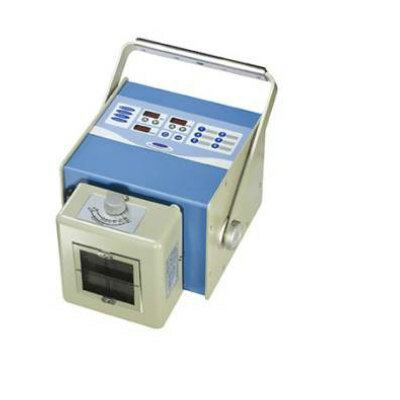
The company featured a wide range of products that demonstrated its leadership in digital medical imaging capture and processing, and improved user and workflow experiences. At ECR 2021, Carestream launched the new Carestream Lux 35 Detector, a durable, lightweight glass-free detector for medical imaging. Weighing just under 2.13 kg without the battery, the sleek Lux 35 is the company’s lightest detector to date, making it simpler for technologists to transport and perform beside exams. Its ergonomic design enables easier handling and patient positioning.
Carestream’s medical imaging solutions highlighted at ECR 2021 included ImageView Software with Artificial Intelligence (AI) and Smart Features, included on the flexible, scalable CARESTREAM DRX-Compass X-ray System. Powered by the Eclipse engine, ImageView utilizes proprietary algorithms to increase the value of the entire imaging chain, from capture to diagnosis. Carestream also demonstrated its Smart Noise Cancellation Software that uses AI with deep learning algorithms to remove (or cancel) noise and produce images that are significantly clearer than with standard processing. It provides improved anatomy clarity for images acquired at a broad range of exposures and enables customers to better optimize radiation dose. Also on display was its DRX-Revolution Mobile X-ray System that provides fast, convenient digital radiography imaging for patients at the bedside and includes higher security features, noiseless navigation, functional LED lighting and in-bin detector charging.
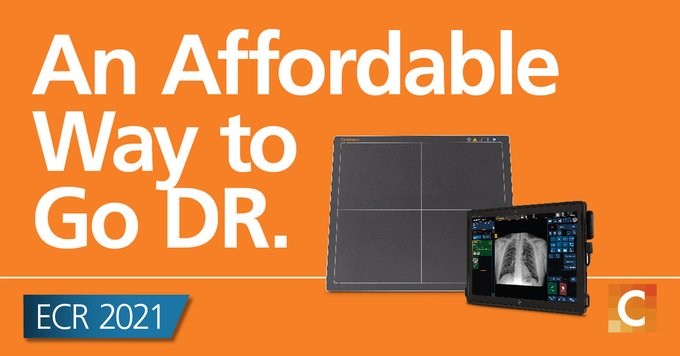
Carestream’s imaging portfolio exhibited at ECR 2021 included its DRX-Revolution Nano Mobile X-ray System that utilizes Carbon Nano Tube (CNT) technology which provides high-quality digital radiography images for patients in tight spaces where size and maneuverability are critical. With a compact footprint and ultra-lightweight design, the portable, non-motorized DRX-Revolution Nano is ideal for chest, intensive care, orthopedic and pediatric imaging. Among the company’s other medical imaging products at ECR 2021 was the Focus 35C and 43C Detectors which, together with ImageSuite software, provide a retrofit solution that easily transforms an existing analog X-ray room into a digital one. Carestream also demonstrated its DRX-Transportable System/Lite that enables healthcare providers to affordably upgrade or transition existing room or mobile computed radiography (CR) systems to digital radiography (DR). The solution features a lightweight wireless tablet that allows for the capture and viewing of images at the point of patient care.
“Our year is off to a great start with the launch of our first glass-free detector for medical imaging. The Carestream Lux 35 Detector is ergonomically designed to ease stress on radiographers and improve patient comfort,” said Michele Ferrarese, Europe Cluster Sales General Manager at Carestream. “Along with ImageView Software with Artificial Intelligence and Smart Features, our product portfolio significantly contributes to improved end-user workflow and image quality.”
Related Links:
Carestream Health







The company featured a wide range of products that demonstrated its leadership in digital medical imaging capture and processing, and improved user and workflow experiences. At ECR 2021, Carestream launched the new Carestream Lux 35 Detector, a durable, lightweight glass-free detector for medical imaging. Weighing just under 2.13 kg without the battery, the sleek Lux 35 is the company’s lightest detector to date, making it simpler for technologists to transport and perform beside exams. Its ergonomic design enables easier handling and patient positioning.
Carestream’s medical imaging solutions highlighted at ECR 2021 included ImageView Software with Artificial Intelligence (AI) and Smart Features, included on the flexible, scalable CARESTREAM DRX-Compass X-ray System. Powered by the Eclipse engine, ImageView utilizes proprietary algorithms to increase the value of the entire imaging chain, from capture to diagnosis. Carestream also demonstrated its Smart Noise Cancellation Software that uses AI with deep learning algorithms to remove (or cancel) noise and produce images that are significantly clearer than with standard processing. It provides improved anatomy clarity for images acquired at a broad range of exposures and enables customers to better optimize radiation dose. Also on display was its DRX-Revolution Mobile X-ray System that provides fast, convenient digital radiography imaging for patients at the bedside and includes higher security features, noiseless navigation, functional LED lighting and in-bin detector charging.
Carestream’s imaging portfolio exhibited at ECR 2021 included its DRX-Revolution Nano Mobile X-ray System that utilizes Carbon Nano Tube (CNT) technology which provides high-quality digital radiography images for patients in tight spaces where size and maneuverability are critical. With a compact footprint and ultra-lightweight design, the portable, non-motorized DRX-Revolution Nano is ideal for chest, intensive care, orthopedic and pediatric imaging. Among the company’s other medical imaging products at ECR 2021 was the Focus 35C and 43C Detectors which, together with ImageSuite software, provide a retrofit solution that easily transforms an existing analog X-ray room into a digital one. Carestream also demonstrated its DRX-Transportable System/Lite that enables healthcare providers to affordably upgrade or transition existing room or mobile computed radiography (CR) systems to digital radiography (DR). The solution features a lightweight wireless tablet that allows for the capture and viewing of images at the point of patient care.
“Our year is off to a great start with the launch of our first glass-free detector for medical imaging. The Carestream Lux 35 Detector is ergonomically designed to ease stress on radiographers and improve patient comfort,” said Michele Ferrarese, Europe Cluster Sales General Manager at Carestream. “Along with ImageView Software with Artificial Intelligence and Smart Features, our product portfolio significantly contributes to improved end-user workflow and image quality.”
Related Links:
Carestream Health

Computed Tomography System
Aquilion ONE / INSIGHT Edition
Ultrasound Needle Guidance System
SonoSite L25
Half Apron
Demi
Portable X-ray Unit
AJEX140H
Latest ECR 2021 News
- GE Healthcare Showcases Innovative AI, Digital and Imaging Solutions at ECR 2021
- Hitachi Unveils MRI Systems with Human-Centered Design at ECR 2021
- Mindray Showcases Advanced Imaging and Laboratory Diagnostic Solutions at ECR 2021
- Vieworks Presents Next Generation Photon-Understanding Detector Solution Powered by AI
- First Ever Autonomous AI Medical Imaging Application Previewed at ECR 2021
- VUNO Presents State-of-the-Art AI Medical Imaging Technology at ECR 2021
- Agfa Launches Groundbreaking SmartXR Artificial Intelligence on Its Mobile DR 100s
- Canon Demonstrates How AI Can Help to Drive Workflow in COVID-19 Era
- Shimadzu Showcases Latest Lab and Imaging Technologies at ECR 2021
- Siemens Holds Live Demonstrations of Groundbreaking, New Innovations in Imaging, Diagnostics and Therapy
- Hologic Showcases New Genius AI Powered Imaging Technology for Breast Health Care
- Philips Spotlights New and Enhanced Diagnostic and AI-Enabled Solutions to Streamline Workflows Across Imaging Enterprise
- Konica Minolta Launches New Solutions in Healthcare IT, X-Ray and Ultrasound Imaging at ECR 2021
- ECR 2021 Virtual Exhibition Features One of the Biggest-Ever Online Programs in Radiology
Channels
Radiography
view channel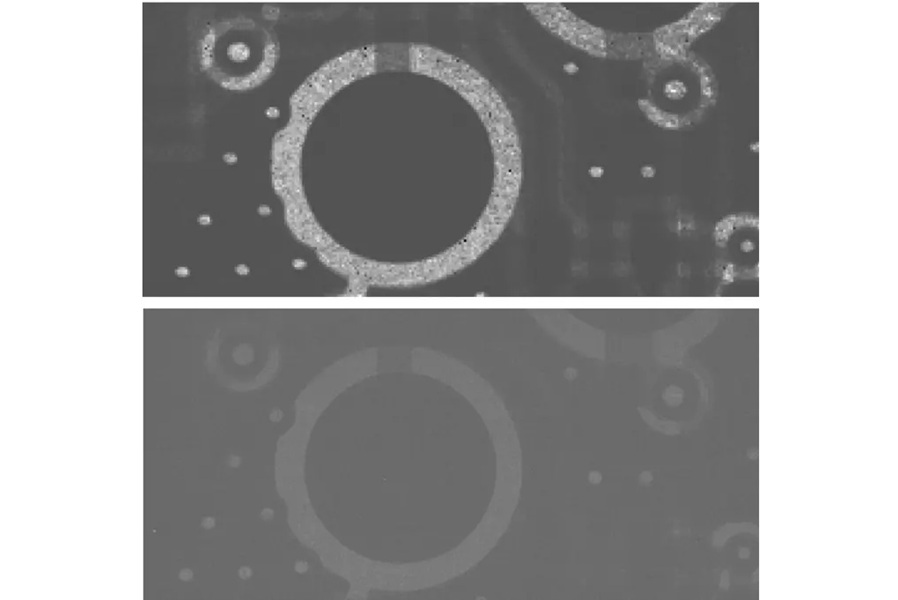
Computational X-Ray Technique Enables High-Resolution, Low-Dose Radiography
Reducing radiation in medical X-ray imaging remains a persistent challenge because dose reductions often degrade spatial resolution and diagnostic confidence. This is especially critical in pediatrics,... Read more
AI Tool Predicts Five-Year Breast Cancer Risk from Mammograms
Breast cancer risk assessment during routine screening is difficult because many women who develop the disease have no known genetic mutations or family history. Static risk tools provide limited discrimination... Read more

MRI
view channel
Advanced MRI Reveals Structural Brain Changes Linked to Better Cognitive Health
Objective, noninvasive measures that capture subtle, training-related changes in adult brain structure remain limited in routine clinical practice. Quantifying neuroplasticity with precision is especially... Read more
Cardiac MRI Detects Hidden Heart Dysfunction After Heart Attack
Myocardial infarction often leaves patients with persistent ventricular dysfunction that can progress without obvious signs. Detecting early decline remains difficult because standard measures may miss... Read more
Ultrasound
view channel
Simple 2D Ultrasound Tool Accurately Estimates Placental Volume
Stillbirth remains a major cause of perinatal loss, with about 21,000 cases annually in the United States. Although placental abnormalities are linked to adverse pregnancy outcomes, routine monitoring... Read more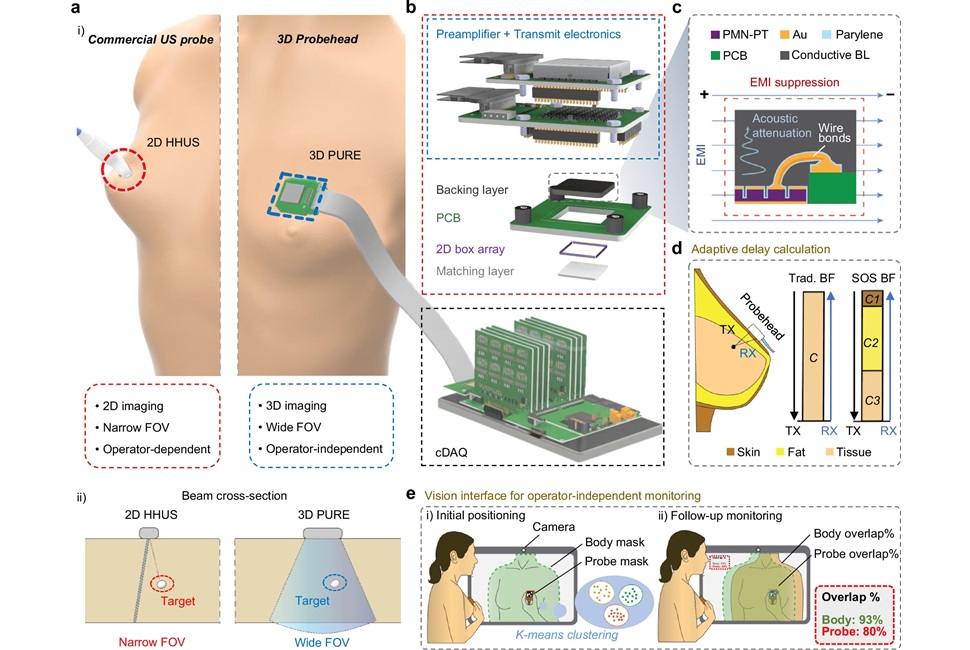
Portable 3D Ultrasound System Enables Reproducible Breast Cancer Monitoring
Breast cancer can develop between annual mammograms, and these interval cancers account for 20% to 30% of cases and tend to be more aggressive. The challenge is pronounced in people with dense breast tissue.... Read more

Nuclear Medicine
view channel
Radiotherapy Professionals Embrace AI as a Clinical Support Tool
Radiotherapy planning requires precise identification of organs at risk near a tumor, but manual contouring is repetitive and time-consuming, often delaying plan completion and straining specialist capacity.... Read more
Second PSMA PET Identifies Disease in More Than Half of Negative Cases
Biochemical recurrence of prostate cancer after prostatectomy or radiation can be difficult to localize when imaging is negative. Uncertain disease sites may delay salvage therapy and expose patients to... Read more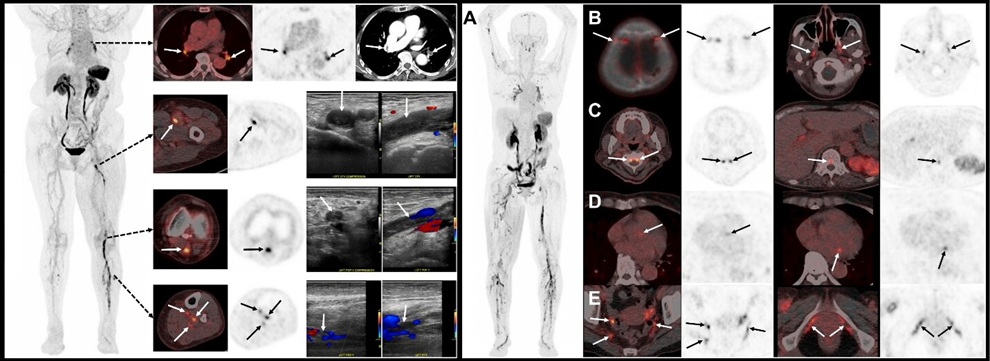
![Image: (A-C) Representative whole-body maximum-intensity projection images and regional fused PET/CT images from three histologically confirmed osteosarcoma patients who underwent paired [68Ga]Ga-B7-H3-BCH PET/CT and 18F-FDGE PET/CT within 7 days. (D) Multimodal imaging evaluation of patient 3, including X-ray, MRI (T2-weighted imaging, T2WI), CT, and B7-H3 PET/CT. (Photo courtesy of SNMMI)](https://globetechcdn.com/mobile_medicalimaging/images/stories/articles/article_images/2026-06-07/294811110_image_1.jpg "Image: (A-C) Representative whole-body maximum-intensity projection images and regional fused PET/CT images from three histologically confirmed osteosarcoma patients who underwent paired [68Ga]Ga-B7-H3-BCH PET/CT and 18F-FDGE PET/CT within 7 days. (D) Multimodal imaging evaluation of patient 3, including X-ray, MRI (T2-weighted imaging, T2WI), CT, and B7-H3 PET/CT. (Photo courtesy of SNMMI)")
General/Advanced Imaging
view channel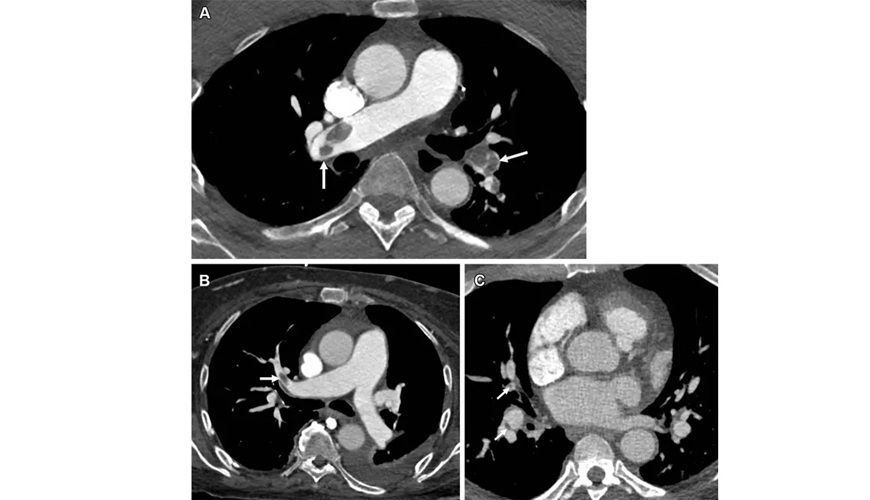
New PE-RADS Framework Standardizes Pulmonary Embolism Imaging Reports
Pulmonary embolism is a sudden blockage of the lung’s blood vessels that reduces pulmonary blood flow, can strain the right hear,t and may be fatal if untreated. Patients often present with shortness of... Read more
Virtual Staining Technique Creates Histology Images from CT Data
Pulmonary hypertension, a disorder marked by pathological remodeling of the pulmonary vessels, often requires detailed histologic assessment. Yet routine pathology remains anchored in labor‑intensive,... Read more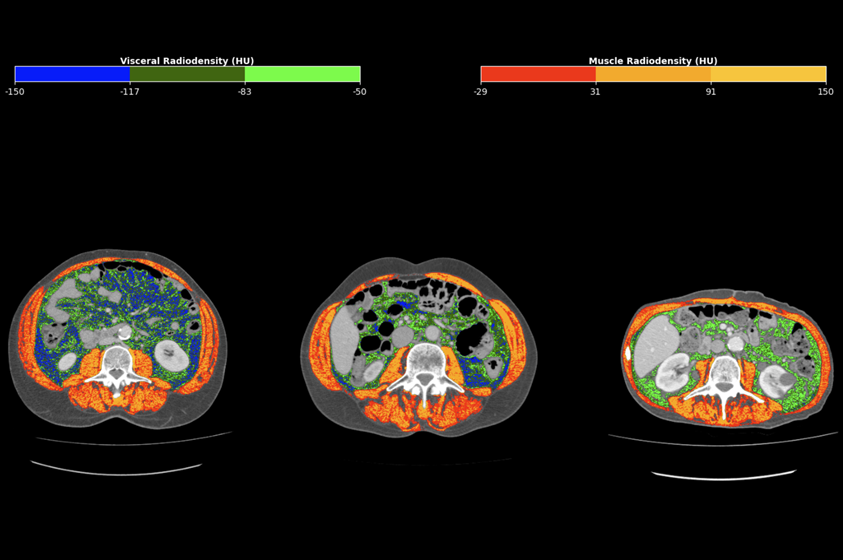
CT-Derived Biomarker Predicts Outcomes in Gastric Cancer
Gastric cancer, also known as stomach cancer, is the fifth most common malignancy worldwide and often shows heterogeneous outcomes even within the same stage. Prognostic estimates typically rely on tumor-centric... Read more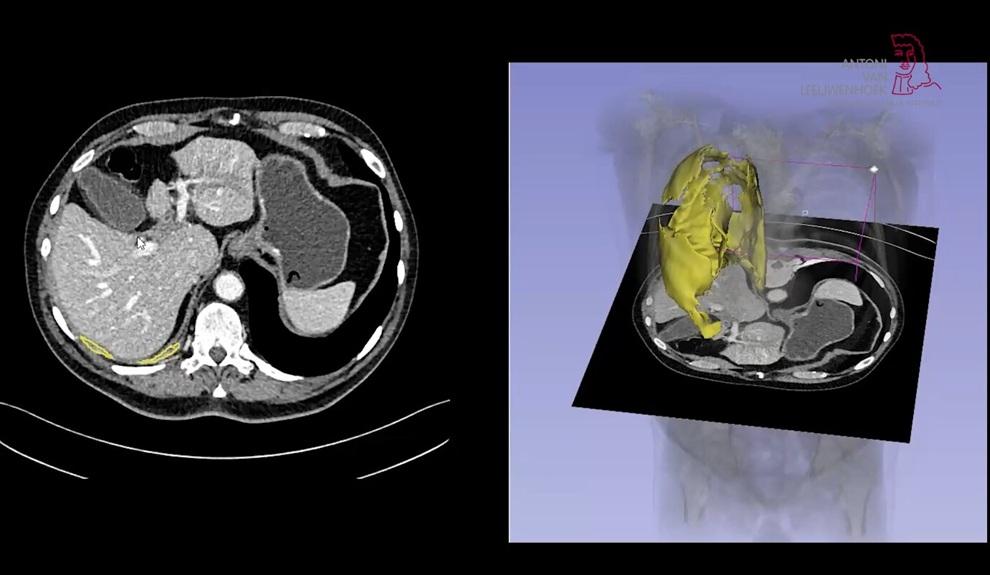
AI Tool Enhances Response Assessment and Survival Prediction in Pleural Mesothelioma
Pleural mesothelioma, a cancer that grows as a thin, irregular layer along the lung wall, is difficult to measure on imaging. Clinicians rely on diameter-based Response Evaluation Criteria in Solid Tumors... Read moreImaging IT
view channel
Ambient AI Reporting Platform Streamlines Radiology Reporting
Radiology departments face growing imaging volumes and staffing shortages, creating reporting bottlenecks and pressure to maintain turnaround times. Conventional dictation tools document findings after... Read more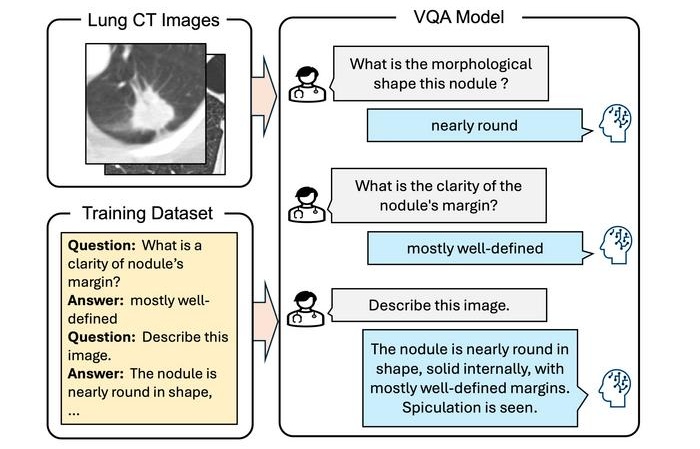
Interactive AI Tool Supports Explainable Lung Nodule Assessment
Lung cancer is a leading cause of cancer mortality, and timely characterization of pulmonary nodules on chest computed tomography (CT) is essential for directing care. Interpreting nodule morphology demands... Read more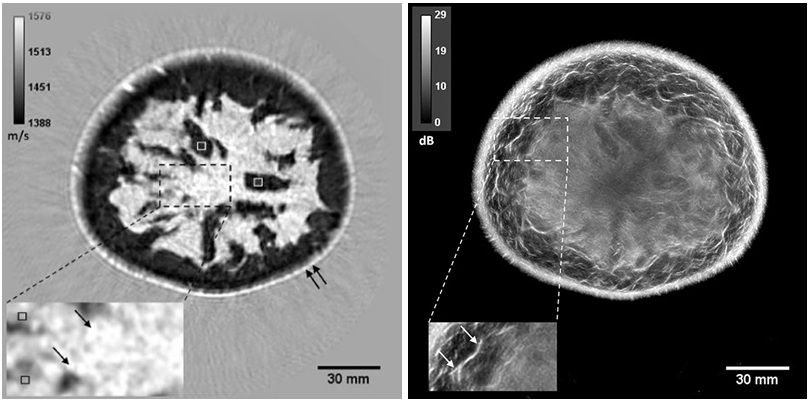
Breast Imaging Software Enhances Visualization and Tissue Characterization in Challenging Cases
Breast imaging can be particularly challenging in cases involving small breasts or implants, where image reconstruction and tissue characterization may be limited. Clinicians also need reproducible analysis... Read more
Industry News
view channel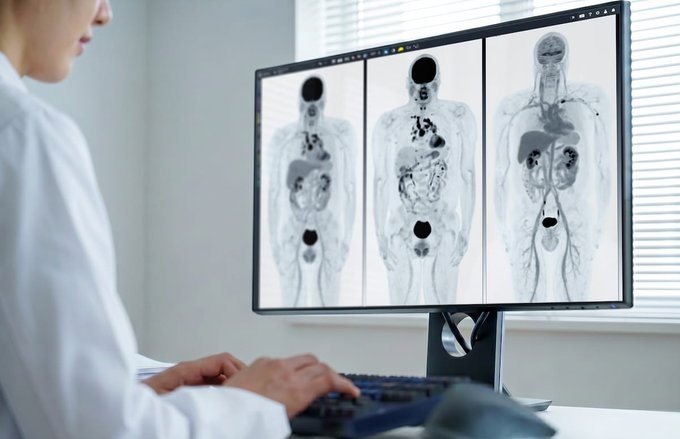
GE HealthCare Showcases AI-Enabled Nuclear Medicine Portfolio at SNMMI 2026
Nuclear medicine is expanding rapidly as health systems adopt theranostics and broaden access to radiopharmaceuticals, increasing demand for scalable operations and consistent diagnostic confidence.... Read more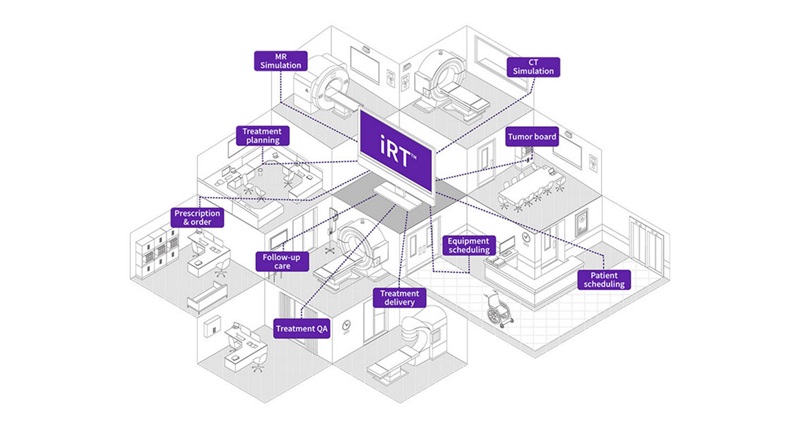
GE HealthCare Highlights AI-Supported Radiation Therapy Tools at ESTRO 2026
At the European Society for Radiotherapy and Oncology (ESTRO) 2026 Congress in Stockholm, GE HealthCare is highlighting Intelligent Radiation Therapy (iRT), MIM Software innovations, and BK Medical surgical... Read more