Multimodal AI Tool Combines CT and Health Records to Predict Heart Risk
Posted on 26 May 2026
Cardiovascular disease is a leading cause of death and an underrecognized risk for people treated for breast cancer. Cardiac complications can affect survival and quality of life. Clinicians need tools that use routine data to flag high-risk patients early. To help address this challenge, University of British Columbia Okanagan and BC Cancer–Kelowna researchers have developed an AI approach that estimates cardiovascular risk using imaging and health records from standard radiotherapy planning.
Developed by UBC Okanagan (Kelowna, BC, Canada) with BC Cancer–Kelowna, the model analyzes planning chest CT scans alongside data from electronic health records (EHRs). It applies multimodal artificial intelligence to fuse imaging features with clinical context. The goal is to generate a precise, individualized assessment of cardiovascular disease risk in patients receiving radiation therapy for breast cancer.
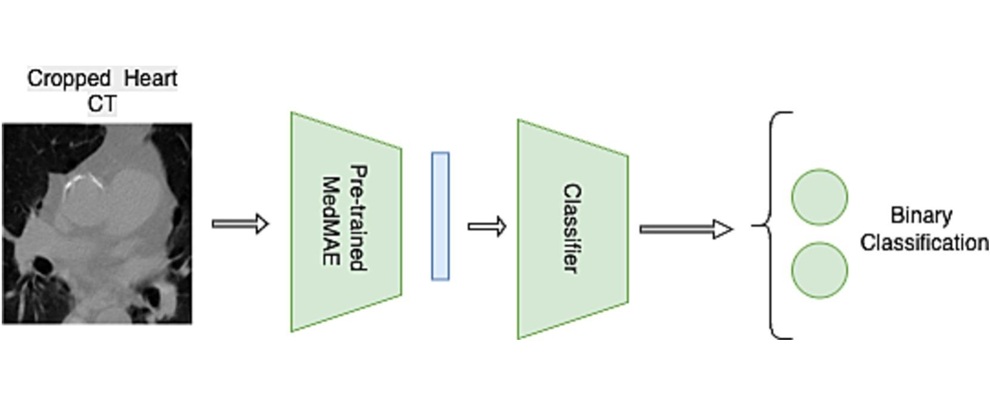
The system compares each patient’s CT scan with EHR variables, including general health, age, hypertension, diabetes, and family history. By interrogating CT images, it identifies subtle structural cardiac changes that are not captured by conventional risk scores. It integrates these imaging signals with systemic risk factors in a unified framework that incorporates clinical language models. Because radiotherapy planning already requires chest CT, the approach leverages existing workflows without additional patient burden.
In research published in Radiotherapy and Oncology in 2026, the model significantly outperformed existing methods. Investigators report outstanding predictive accuracy and describe earlier, more accurate detection of risk when imaging is combined with clinical records. The study underscores the feasibility of repurposing routine planning CT to inform cardio-oncology decision-making.
“This research marks a significant step forward in how we assess cardiovascular risk in breast cancer patients. By combining routinely collected CT imaging with clinical health records, we can detect risk earlier and more accurately than ever before—without adding extra burden to patients or the health-care system,” said Dr. Rasika Rajapakshe, a senior medical physicist at BC Cancer–Kelowna.
“This level of precision has the potential to identify high-risk patients early in their treatment while also tailoring interventions and care accordingly. This approach may serve as a non-invasive, clinically valuable tool for early prediction of cardiovascular-related mortality, enabling timely identification of at-risk patients and improving their survival outcomes,” added Dr. Mohammad Shehata, a professor in the Irving K. Barber Faculty of Science’s computer science department.
Related Links
UBC Okanagan
BC Cancer