


Simple Chest X-Ray Measure Predicts Survival After Lung Cancer Surgery
Posted on 20 May 2026
Obstructive ventilatory disorder, marked by airflow limitation that reduces breathing efficiency, increases postoperative risk in patients with lung cancer. Although surgery offers the best chance of cure, clinicians still lack simple and reliable tools to predict survival after resection in routine practice. Many existing assessments are complex or require specialized resources, limiting their use in standard preoperative workups. A new study shows that a measurement derived from standard preoperative chest X-rays could help identify higher-risk patients and guide treatment planning.
The measurement, called diaphragmatic dome height (DDH), reflects the position and function of the diaphragm. Investigators at Kindai University Hospital and Kindai University (Osaka, Japan) evaluated whether preoperative DDH could predict outcomes after lobectomy in patients with lung cancer and obstructive ventilatory disorder. The study is the first to establish DDH as a practical prognostic marker that is low cost and widely accessible.
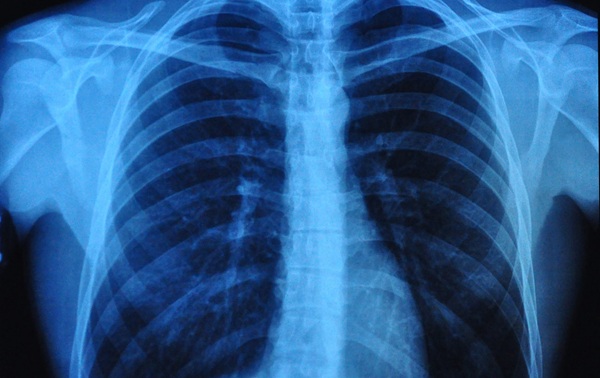
In this retrospective analysis, 302 patients with lung cancer and obstructive ventilatory disorder who underwent lobectomy between 2017 and 2024 were assessed. DDH was measured on chest radiographs obtained one month before surgery. Patients were stratified into low- and high-DDH groups, and survival outcomes were tracked.
Lower DDH was linked to worse long-term survival and more respiratory-related deaths. Three-year overall survival was 70% in the low-DDH group compared with 85% in the high-DDH group, and disease-specific survival was also reduced among patients with lower DDH. DDH remained an independent prognostic factor after adjustment for tumor stage and pulmonary function, while conventional pulmonary function testing did not show a strong association with survival.
The authors noted that DDH may capture aspects of diaphragmatic dysfunction not fully reflected by standard tests, offering additional prognostic insight. Because chest radiographs are already central to preoperative evaluation, incorporating DDH does not add cost, time, or patient burden and may support targeted respiratory rehabilitation and optimized perioperative care. The findings were published on April 21, 2026, in the International Journal of Clinical Oncology.
“By evaluating DDH using routine chest radiographs, postoperative prognosis can be predicted without the need for additional examinations. This enables early and simple identification of high-risk patients and allows clinicians to tailor treatment strategies accordingly.” said Masaya Noguchi, physical therapist at Kindai University Hospital.
"In the future, incorporating DDH into clinical practice may allow for more efficient and personalized treatment strategies," says Noguchi. "It also has the potential to improve long-term outcomes and quality of life for patients."
Related Links
Kindai University