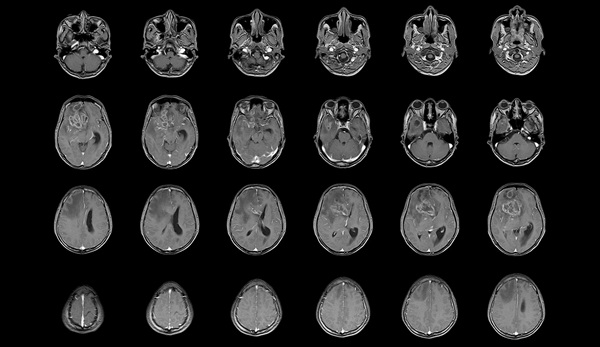



AI Model Reads and Diagnoses Brain MRI in Seconds
Posted on 11 Feb 2026
Brain MRI scans are critical for diagnosing strokes, hemorrhages, and other neurological disorders, but interpreting them can take hours or even days due to growing demand and limited specialist availability. Delays can be dangerous, especially for conditions that require immediate treatment. Researchers have now developed an artificial intelligence (AI) system that can analyze brain MRIs in seconds, accurately identifying neurological diseases and determining how urgently patients need care.
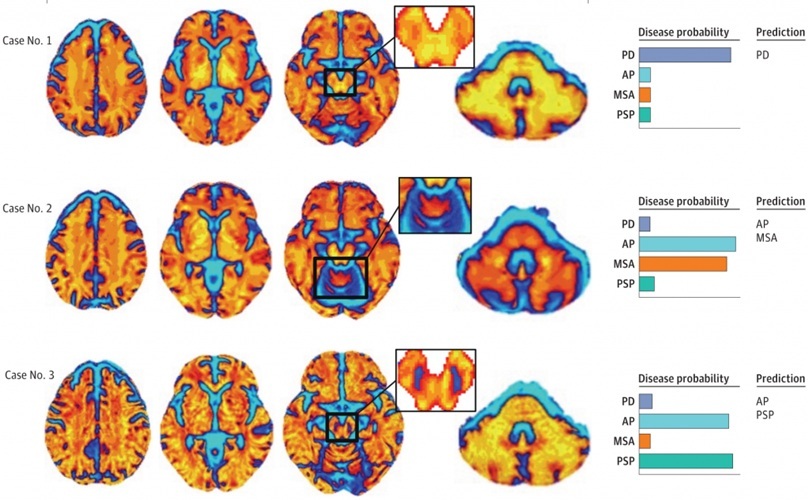
Researchers at the University of Michigan Health (Ann Arbor, MI, USA) have created an AI system called Prima, designed to function as a neuroradiologist by interpreting brain MRI scans alongside clinical context. Unlike previous AI tools trained on narrow, hand-selected datasets, Prima was trained on more than 200,000 MRI studies comprising 5.6 million imaging sequences collected over decades.
Prima is a vision language model that simultaneously processes images, text, and clinical information. In addition to MRI data, the system incorporates patient medical histories and the clinical reasons imaging was ordered. This allows the model to generate comprehensive assessments, recommend appropriate subspecialists, and flag cases requiring urgent intervention immediately after imaging is completed.
Researchers tested Prima on more than 30,000 MRI studies collected over one year. Across more than 50 neurological diagnoses, the model achieved diagnostic accuracy of up to 97.5% and outperformed other state-of-the-art AI systems. Prima also successfully predicted which cases required higher clinical priority. The findings, published in Nature Biomedical Engineering, show that the system was particularly effective at identifying time-sensitive conditions such as strokes and brain hemorrhages, automatically alerting the appropriate specialists.
The researchers say Prima could help address major challenges in neuroimaging, including workforce shortages, rising imaging volumes, and diagnostic delays. Faster, accurate MRI interpretation could improve outcomes across large health systems as well as resource-limited or rural hospitals. Future work will focus on integrating more detailed electronic medical record data to further refine diagnostic performance. The team also envisions adapting the model to other imaging modalities, including mammography, chest X-rays, and ultrasound, expanding its impact beyond neuroimaging.
“Accuracy is paramount when reading a brain MRI, but quick turnaround times are critical for timely diagnosis and improved outcomes,” said Todd Hollon, MD, senior author of the study. “Prima has the potential to act as a co-pilot for clinicians, delivering fast, reliable insights when they matter most.”
Related Links:
University of Michigan Health