


AI Mammography Tools Detect Early Breast Cancer Signs Years Before Diagnosis
Posted on 12 Jun 2026
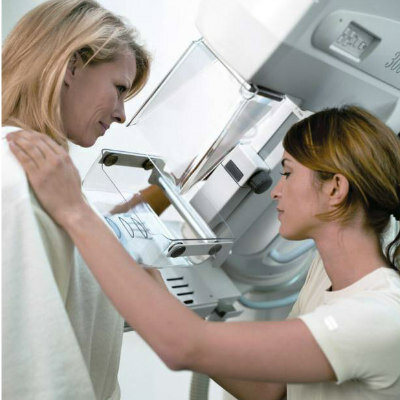
Breast cancer screening aims to detect tumors before symptoms develop, but subtle mammographic changes can appear years before diagnosis and may be missed during routine reads. Delayed detection can lead to more intensive treatment and poorer outcomes for patients and health systems. To help address this challenge, researchers evaluated whether commercially available radiology artificial intelligence (AI) can identify early warning signals in standard screening images and provide advance alerts of future breast cancer.
The investigation assessed three commercially available radiology AI-based computer‑assisted detection systems (AI‑CAD) on mammograms from the Validation of Artificial Intelligence for Breast Imaging (VAI‑B) database. The research team at Karolinska University Hospital in Stockholm conducted a retrospective analysis spanning January 2008 to April 2019. The dataset comprised 88,963 mammograms from 31,394 individuals across four regions of Sweden. In the national screening program, women aged 40 to 74 are invited for examinations every two years, and each mammogram is traditionally double‑read by two radiologists.
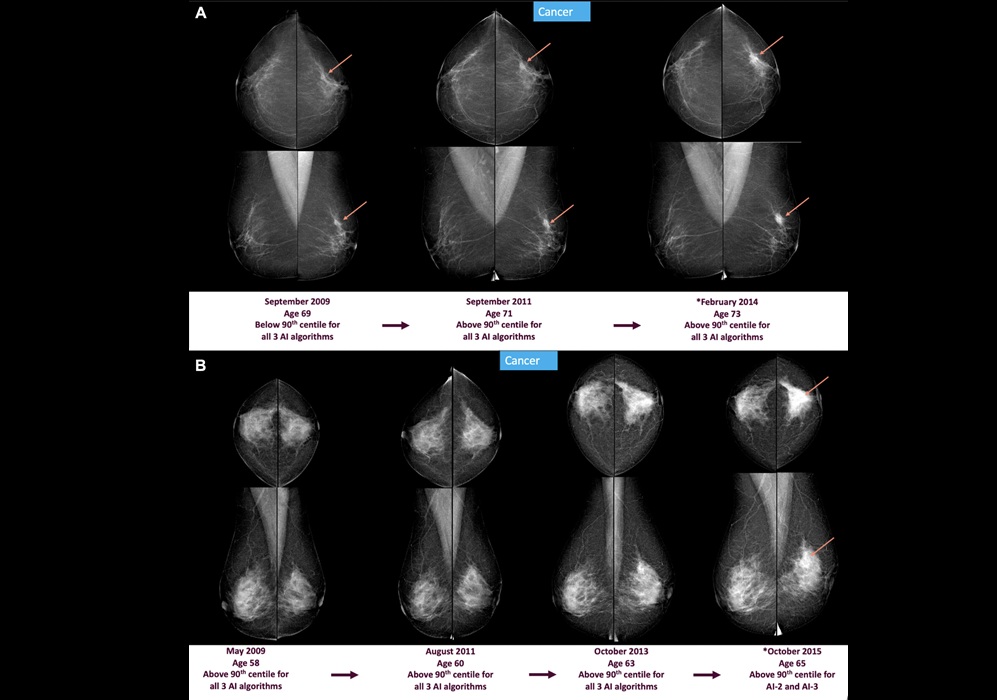
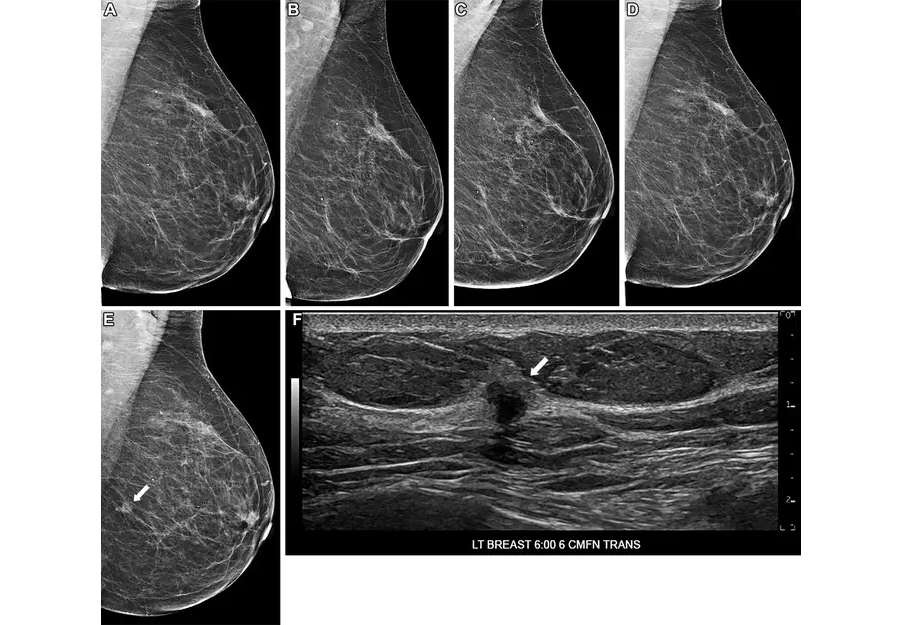
Each AI‑CAD system generated a cancer prediction score from prior mammograms. On average, scores were elevated among individuals who were later diagnosed with breast cancer and remained low among those who stayed cancer‑free. Approximately 20% of breast cancer cases demonstrated mammographic signs that were already visible to AI around six years before diagnosis.
When performance was set to 90% specificity, the systems identified early signs at progressively higher rates as the diagnosis approached. They flagged up to 19.7% of individuals six years before recorded diagnosis, up to 25.2% four years before, and up to 39.3% two years before. Across the study period, radiologist readers diagnosed cancer in 12,072 participants, representing 38.5% of the cohort.
The authors note that AI‑CAD scores could support radiologists in spotting nascent mammographic changes and, with a personalized interpretation of score trajectories, help determine who might benefit from closer vigilance. The study was published in Radiology, a journal of the Radiological Society of North America (RSNA), under the title “Artificial Intelligence Detection Scores in Screening Mammography for Early Breast Cancer Alerts.” The findings add to evidence that AI may complement established double‑reading workflows within organized screening programs.
Related Links
Karolinska University Hospital
RSNA