






Nuclear Medicine
Algorithm for Planning Radiotherapy and Radiosurgery Enables Superior Dose Calculation
A new dose calculation algorithm is designed for planning complex cases rapidly. It is particularly useful for sophisticated treatments in areas such as the lungs or sinuses, where tissue density varies. More...23 Nov 2010
Stereotactic Radiotherapy Can Slow Pancreatic Cancer Progression for Inoperable Patients
For pancreatic cancer patients unable to undergo surgery, the only known mitigation for this form of cancer is targeted radiation that may help slow cancer progression and lessen disease symptoms, according to new findings. More...23 Nov 2010
Fusion Imaging Technique Pinpoints Key Changes that Occur with Traumatic Brain Injury
A study by French and Australian investigators revealed that a PET fused with MRI technique is helping understand the long-term functional and structural changes that take place after traumatic brain injury. More...22 Nov 2010
Targeted Radiotherapy Minimizes Side Effects of Prostate Cancer Treatment
Men with prostate cancer treated with intensity-modulated radiation therapy have fewer gastrointestinal complications compared to patients treated with conventional three-dimensional conformal radiotherapy, according to recent findings. More...16 Nov 2010

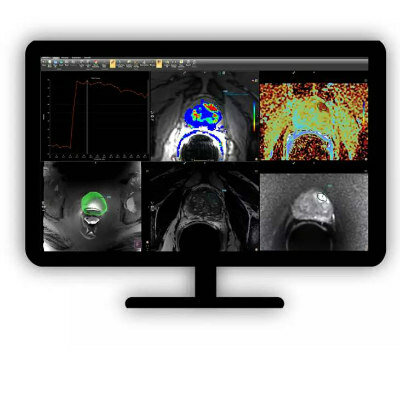

Post-Processing Imaging System
DynaCAD Prostate
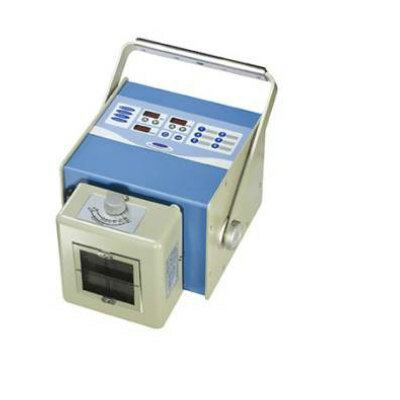

Portable X-ray Unit
AJEX140H


Digital Radiographic System
OMNERA 300M


Digital X-Ray Detector Panel
Acuity G4
In Other News
SPECT/CT Fusion Technology Improves Dose Management with Shorter Acquisition Times
Real-Time Imaging of Stroke Models Employing Two-Photon Excited Florescence Microscopy
Hybrid SPECT/CT Platform Provides Imaging to More Patients with Reduced Dose
Clinic First in Italy to Use Innovative Radiotherapy to Treat Head and Neck Cancer
High-Definition PET/CT Reduces Blur, Improves Standardized Uptake Values
Proton Therapy Found to Be Safe and Effective for Early-Stage Lung Cancer Patients
PET Imaging Method Found Effective for Accurate Diagnosis of Gall Bladder Cancer
Grants Awarded to Young Researchers in Nuclear Medicine
Biomarkers Identified for Personalizing Radiation Cancer Treatment
Initiative Launched to Standardize Radiation Dose in Pediatric Nuclear Medicine
Monitoring Targeted Therapy in Ovarian Cancer with PET Probe
Neuroimaging Offers Early Detection of Parkinson's Disease
Project Initiated for Advancement of New Biomedical Imaging Technology
Novel Target for Drug May Improve Effectiveness of Radiation Therapy
Preclinical Imaging Multimodality Software Module Developed
Antigen-Directed, Cancer-Specific Targeting Agent for PET-Based Imaging Shows Promise
Pencil Beam Scanning Lung Cancer Radiotherapy Delivered Successfully at German Proton Therapy Center
Molecular Imaging Predicts Treatment Effectiveness in Many Cancers
PET/CT Found Effective in Detection of Breast Cancer Metastases
Nuclear Breast Imaging Technologies Tied to Higher Cancer Risks
Up to 70% Reduction in Radiation Dose Achievable for Positron Emission Mammography Imaging
Laser Technology in Development for Radiation Therapy
Molecular Imaging Identifies High-Risk Patients with Heart Disease


The Nuclear Medicine channel of MedImaging brings the latest in research and clinical radiotherapy, proton therapy, PET-CT, SPECT, SQUID, radiopharmacology, scintillography, trends and safety concerns.