


AI Ultrasound System Improves Safety of Blood–Brain Barrier Opening
Posted on 17 Jun 2026
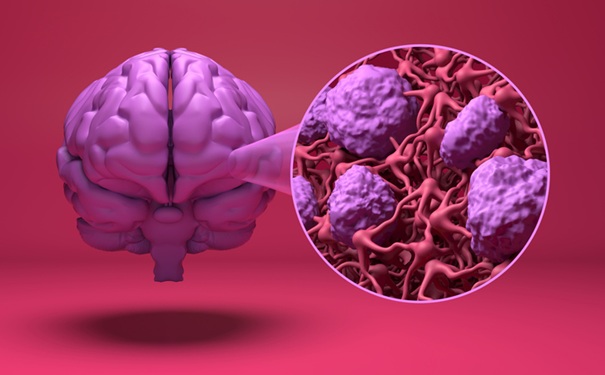
The blood–brain barrier (BBB) is a protective interface that prevents most drugs and diagnostic molecules from reaching brain tissue. This safeguard complicates treatment and monitoring of brain tumors and neurological diseases because therapeutic and imaging agents cannot cross easily. Focused ultrasound with microbubbles can open the BBB but is difficult to control safely due to the risk of bubble collapse and tissue injury. To help address this challenge, researchers have developed an artificial intelligence(AI)-guided ultrasound system that aims to keep BBB opening within safe limits.
Developed at the Georgia Institute of Technology (Georgia Tech; Atlanta, GA, USA), the machine learning-assisted, closed-loop focused ultrasound system continuously analyzes acoustic emissions from microbubbles during sonication. It is designed to adjust exposure parameters in real time before harmful bubble behavior occurs. The goal is to maintain BBB opening within a safe, effective range throughout the procedure.
The approach differs from reactive controllers that respond only after damaging bubble collapse. By anticipating risk, the system proactively modulates ultrasound settings to prevent unsafe cavitation. The researchers trained the model on more than 54,000 acoustic datasets from ultrasound experiments, enabling recognition of subtle pre-collapse signatures and supporting more consistent BBB opening.
Safer, more reliable BBB disruption could expand therapeutic delivery to the brain. The team reports that larger or next-generation gene-based treatments, often carried by sizable nanocarriers, could be delivered when exposures are maintained within a broadened safety window. The method also allows disease markers to exit the brain into the bloodstream, enabling blood-based detection and monitoring of brain cancer.
Preclinical validation showed the strategy scaled from mice to rats, a step toward human translation. Because the controller is data-driven, it could be integrated into existing focused ultrasound platforms and adapted to individual patients. The researchers note that clinicians may eventually verify treatment effects without magnetic resonance imaging, potentially shortening and simplifying outpatient visits. The findings were published in Advanced Science, and co-authors included the chair of neurosurgery at the University of Maryland.
“These results establish key design principles for AI-driven focused ultrasound systems with broad implications for microbubble-assisted therapies,” said Costas Arvanitis, associate professor at the Georgia Institute of Technology. “Machine learning also revealed previously underappreciated patterns in how microbubbles behave in brain tumors, opening new possibilities for basic and applied research and paving the way for safer, smarter focused ultrasound therapies through data-driven treatment calibration.”
Related Links
Georgia Institute of Technology



 Guided Devices.jpg)