


Routine Mammograms Could Predict Future Cardiovascular Disease in Women
Posted on 30 Dec 2025
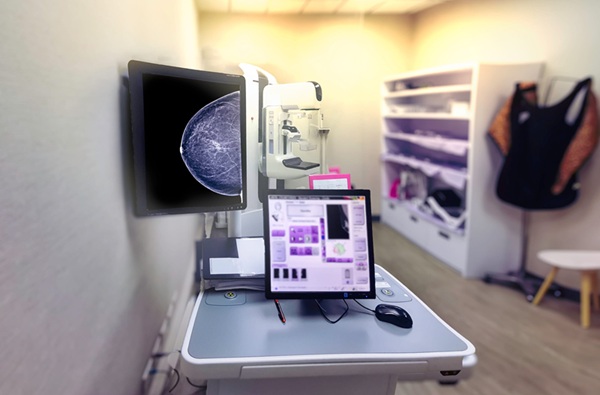
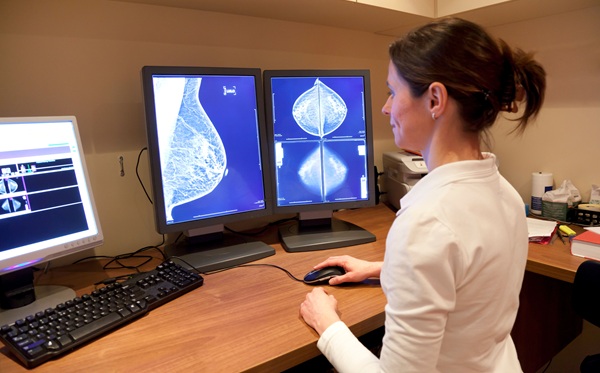
Mammograms are widely used to screen for breast cancer, but they may also contain overlooked clues about cardiovascular health. Calcium deposits in the arteries of the breast signal stiffening blood vessels, a process linked to heart attack and stroke. Cardiovascular disease remains the leading cause of death among adults and is often detected later in women. Now, new research shows that the severity and progression of this arterial calcification seen on mammograms can predict future cardiovascular events.
In a study led by Penn State College of Medicine (Hershey, PA, USA), researchers used an investigational version of CureMetrix’s (La Jolla, CA, USA) cmAngio artificial intelligence (AI) software designed to analyze mammograms. The system identifies breast arterial calcification and quantifies its severity based on the length of calcium deposits visible in arterial walls.
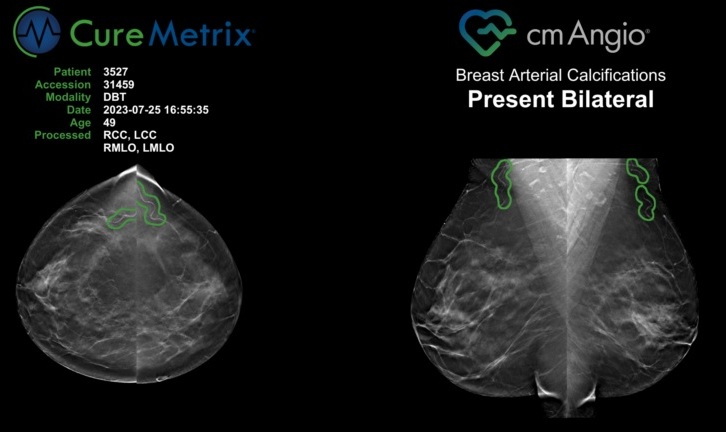
The research analyzed sequential mammograms from 10,348 women treated at an academic medical center in the United States. Participants had an average age of 56 years and an average interval of 4.1 years between mammograms. The AI tool categorized calcification severity into four age-adjusted groups: negative, mild, moderate, and severe. This allowed researchers to track both baseline calcification and changes over time.
Vascular calcification was present in 19.4% of participants at baseline. Women with more severe calcification, or with calcification that progressed over time, faced significantly higher risks of major cardiovascular events such as heart attack, stroke, heart failure, and death. Those in the severe category had up to twice the risk compared to women without calcification.
The study showed that breast arterial calcification can worsen in as little as one year, with faster progression linked to greater cardiovascular risk. Women who developed calcification on follow-up mammograms had a 41% higher risk of adverse cardiovascular events, while progression from moderate to severe was linked to a 93% higher risk. Researchers believe this information could eventually be used to improve cardiovascular risk prediction in women. Further studies are needed to determine how clinicians could integrate these findings into routine care.
“We know that women are more likely to be diagnosed at later stages of cardiovascular disease and have worse outcomes following a heart attack compared to men,” said assistant professor Matthew Nudy, who presented the new research at the RSNA annual meeting. “That may be in part because the current cardiovascular risk assessment tools underestimate risk in women. We need better tools,” Nudy said. “In the future, assessment of breast arterial calcification may help improve our ability to predict risk and prevent cardiovascular disease.”
Related Links:
Penn State College of Medicine
CureMetrix