


Research Shows PET-Guided Chemotherapy can Increase Hodgkins Disease Remission
By MedImaging International staff writers
Posted on 27 Apr 2016
The first large-scale trial of its kind in the US has shown that PET-guided chemotherapy can significantly increase disease remission and reduce toxic side effects of treatment for patients with advanced Hodgkin lymphoma.Posted on 27 Apr 2016
The research was conducted by the Southwest Oncology Group (SWOG), and two other US National Cancer Institute research groups, and was published in the April 11, 2016, issue of the Journal of Clinical Oncology. Hodgkin's disease affected approximately 9,050 Americans in 2015.
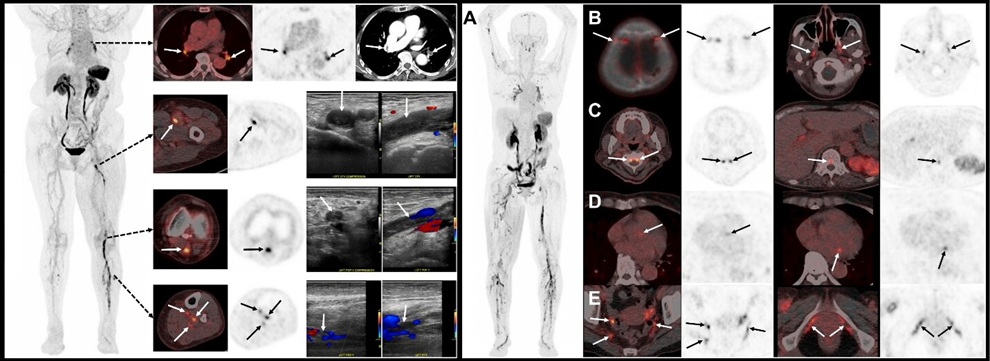
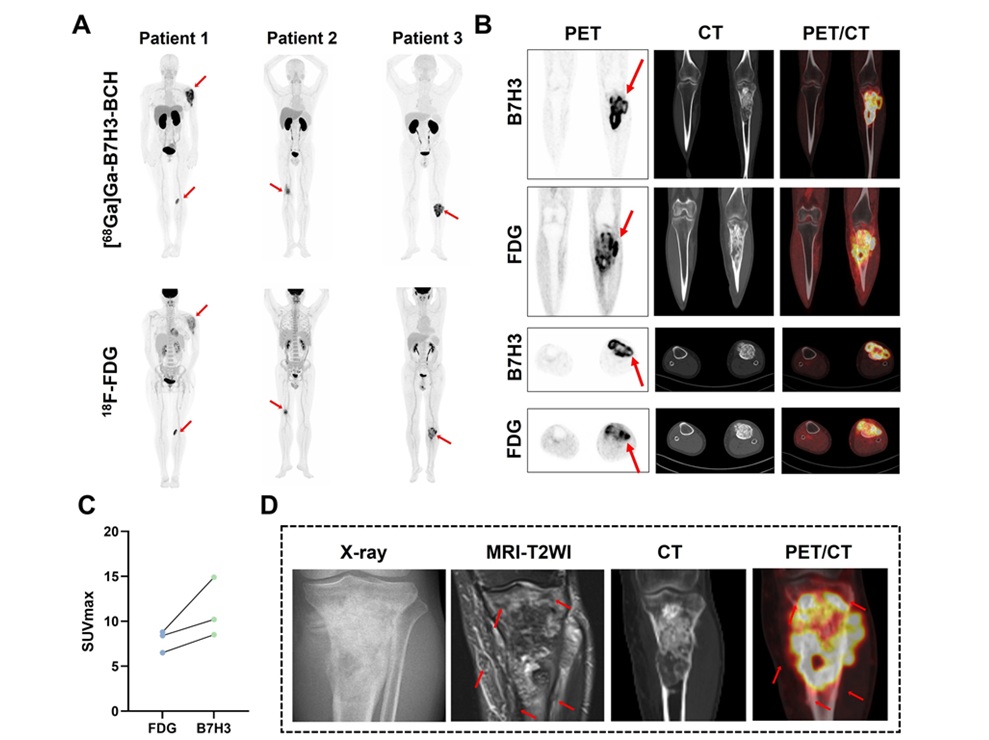
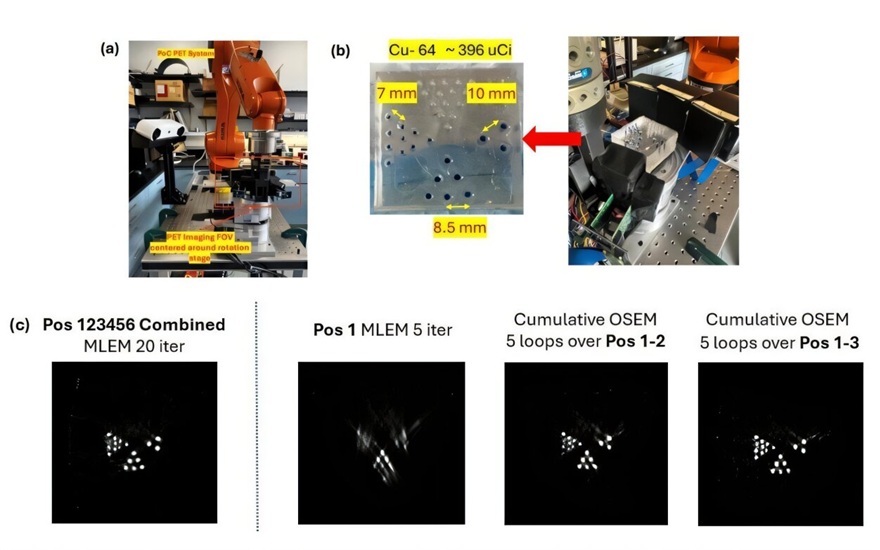
The researchers recruited 358 Hodgkin patients for the trial, and evaluated 331 of them. The patients received two rounds of a four-drug Hodgkin's chemotherapy treatment regimen ABVD (Adriamycin, Bleomycin, Vinblastine, Dacarbazine) followed by a Positron Emission Tomography (PET) scan to assess treatment response. Patients with a negative PET scan received another four cycles of ABVD. Patients with a positive scan result, received six cycles of eBEACOPP, a seven-drug Hodgkins chemotherapy treatment regimen used in Europe.
The results showed that 15% to 30% of patients’ PET scan still showed signs of cancer after two rounds of ABVD treatment, were cancer-free after two years. On the other hand 64% of patients, who also received eBEACOPP treatment, after PET scanning, were cancer-free after two years, double the expected remission rate. In addition, the study results showed that 82% of patients whose PET scan was negative, and underwent the additional ABVD treatment, were cancer-free after two years.
Dr. Jonathan Friedberg, director, James P. Wilmot Cancer Institute, University of Rochester Medical Center (Rochester, NY, US), said, “What’s also important is that only 20 percent of the patients in our trial were exposed to eBEACOPP – which means they weren’t exposed to its bad effects,” said “That’s important because many people diagnosed with Hodgkin lymphoma are in their 20s and 30s and want to have children. This response-adapted therapy would ensure that the people who need the more toxic drugs receive them – and would spare others from infertility and serious toxicities.”
Related Links:
James P. Wilmot Cancer Institute, University of Rochester Medical Center




Post-Processing Imaging System
DynaCAD Prostate
Digital Radiography System
DR-300

Biopsy Software
Affirm® Contrast


Mobile X-Ray System
K4W