Algorithm for Planning Radiotherapy and Radiosurgery Enables Superior Dose Calculation
By MedImaging International staff writers
Posted on 23 Nov 2010
A new dose calculation algorithm is designed for planning complex cases rapidly and easily. It is particularly useful for planning sophisticated treatments in areas such as the lungs or sinuses, where tissue density varies. Posted on 23 Nov 2010
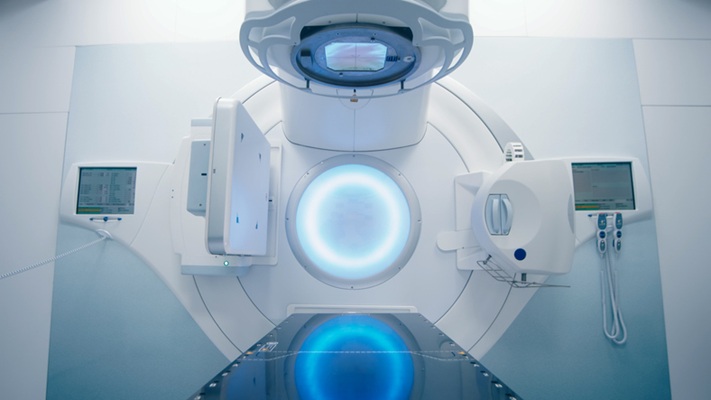
Varian Medical Systems, Inc. (Palo Alto, CA, USA) has received US Food and Drug Administration (FDA) 510(k) clearance for the Acuros XB advanced dose calculation algorithm, which can complete a RapidArc treatment plan two to three times faster than conventional planning algorithms. Varian has incorporated the Acuros algorithm for external beam radiotherapy treatment planning into its Eclipse treatment planning system on exhibit at the 52nd annual meeting of the American Society for Radiation Oncology (ASTRO) in San Diego, CA, USA, October 31-November 4, 2010.
The algorithm is also ideal for planning treatments that require many beam angles, including RapidArc radiotherapy and radiosurgery, which deliver beams continually from all angles as the treatment machine rotates around the patient. "Acuros XB can reduce the time it takes to compute a typical RapidArc plan for head and neck cancer by up to 60%,” stated Corey Zankowski, Ph.D., senior director of product management at Varian. "A savings of 60% in treatment planning time can have a positive impact on the workflow of a busy cancer center.”
Acuros will make it possible for clinics to complete plans rapidly so that they can start patient treatments earlier. "Acuros XB utilizes sophisticated mathematics and computing methods to achieve the same level of precision obtained with the more cumbersome Monte Carlo approaches that are too slow and impractical for daily clinical use,” Dr. Zankowski said. "This is particularly important given recent trends toward dose escalation and radiosurgical approaches for treating lung and other forms of cancer that require more precise planning.”
"Varian is committed to providing clinicians with tools that make it faster, easier, and more cost effective to offer cancer patients advanced treatments that have the best likelihood of a positive outcome, both in terms of survival and post-treatment quality of life,” said Dow Wilson, president of Varian's oncology systems business.
Related Links:
Varian Medical Systems





Computed Tomography System
Aquilion ONE / INSIGHT Edition

X-ray Diagnostic System
FDX Visionary-A

Post-Processing Imaging System
DynaCAD Prostate


Digital Intelligent Ferromagnetic Detector
Digital Ferromagnetic Detector