


Targeted Molecular Agents Set To Propel Imaging Beyond Diagnostics
By MedImaging staff writers
Posted on 29 Jan 2008
Imaging agents that can work at the cellular level are positioned to drive noninvasive diagnostics into a new era. These molecular imaging agents can associate with highly specific markers on the surface of cells to provide unparalleled specificity, creating new opportunities for visualization, targeted drug delivery, and mapping physiologic changes over time. Posted on 29 Jan 2008
According to a new report from Applied Data Research (Amherst, NH, USA), the initial impact of molecular imaging agents is being seen in the conventional sphere of diagnostic imaging's role in disease detection. Emerging areas being enabled by targeted imaging agents include differential diagnostics, image-guided drug delivery, physiologic process mapping, and therapeutic screening.
Whereas molecular imaging is expected to have a considerable impact across all healthcare segments, the most significant progress so far has been in the field of oncology, with targeted agents now available for a number of tumor markers including epidermal growth factor receptor (EGFR) receptors, Integrin avß3, carcinoembryonic antigen (CEA), MC-1 receptor, and folate receptor. A growing number of neurologic agents for specific markers such as the amyloidosis group of diseases, CB1, SERT, and dopamine receptors, have also been identified.
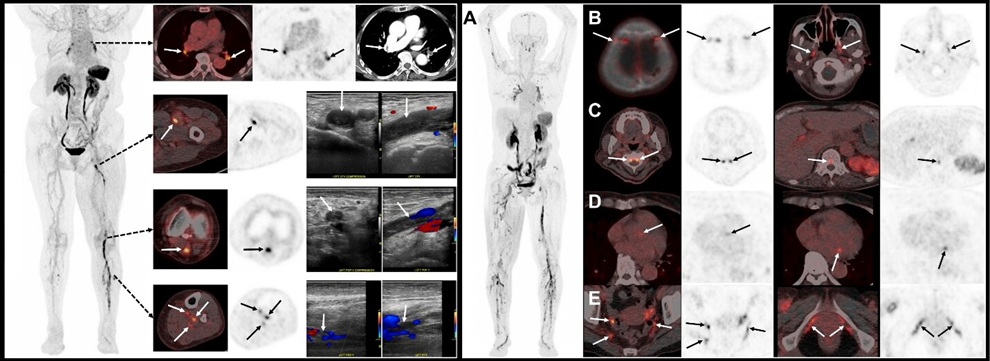
In terms of modalities, single photon emission computed tomography (SPECT) and positron emission tomography (PET) have been the main beneficiaries of development efforts in targeted imaging agents, with more than half of known molecular agents qualified for these imaging modalities. PET tracers have recently been modified to image gene expression, which will become increasingly important in the evaluation of new genetic therapies for cardiovascular disease and cancer.
Applied Data Research is a consulting firm focused on market strategies, product commercialization, venture development, and market research.
Related Links:
Applied Data Research




Digital Color Doppler Ultrasound System
MS22Plus

Post-Processing Imaging System
DynaCAD Prostate

Diagnostic Ultrasound System
DC-80A


Biopsy Software
Affirm® Contrast