


MRI Monitoring Reduces Mortality in Women at High Risk of BRCA1 Breast Cancer
Posted on 05 Mar 2024
Women carrying pathogenic BRCA1 or BRCA2 gene mutations have a significantly high lifetime breast cancer risk, estimated at 70%. While about a third of these women choose to undergo risk-reducing mastectomy, the majority prefer enhanced surveillance instead. In North America, it's advised that women with BRCA1 or BRCA2 gene mutations start annual magnetic resonance imaging (MRI) screenings from age 25 or 30 up until the age of 70. It's crucial to assess how effective MRI surveillance is in reducing mortality. However, challenges such as lead time bias and the overdetection of cancer can impact survival rates. Hence, comparing mortality among women with BRCA1 or BRCA2 mutations who undergo MRI surveillance with those who do not is vital. Now, the findings of a new study suggest that MRI surveillance among women with a BRCA1 sequence variation is associated with reduced breast cancer mortality risk.
This international study that involved researchers from the Sant Pau Research Institute (Barcelona, Spain) and included data from 2.488 women from 59 centers in 11 countries highlighted a reduction in mortality associated with early detection without the need for invasive surgical interventions. The study included 2,488 women with an average age of 41.2 at entry. Of these, 1,756 (70.6%) had at least one MRI as part of their surveillance, while 732 (29.4%) underwent no MRI tests. After an average follow-up of 9.2 years, 344 women (13.8%) developed breast cancer, with 35 (1.4%) succumbing to the disease. The results, after an average of 9.2 years of follow-up, showed a significant decrease in mortality among participants.
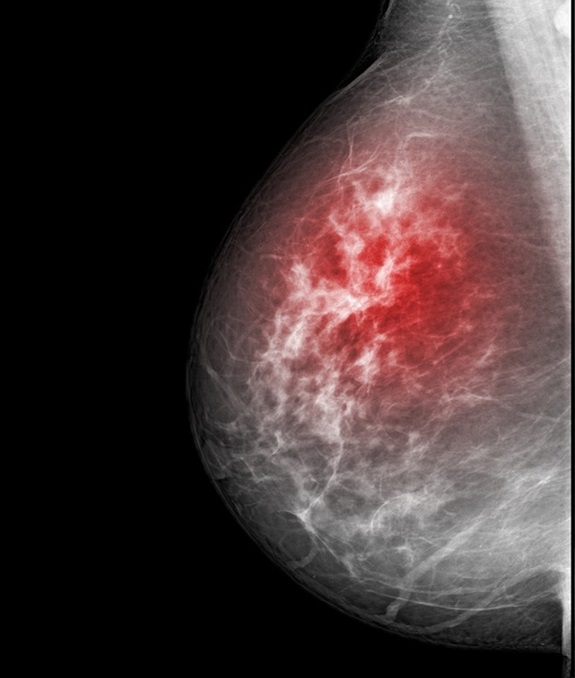
The study underscores the importance of non-invasive monitoring methods as a preferable approach to managing breast cancer risk in women with genetic predispositions. These findings pave the way for further research on the impact of MRI surveillance in women with BRCA2 variations and may lead to reconsiderations of prevention strategies for high-risk women. The research emphasizes the value of tailoring breast cancer prevention strategies to individual needs, favoring less invasive options where feasible.
Related Links:
Sant Pau Research Institute