


MRI Scans Used Alongside PSA Test Detect Prostate Cancer Missed by Blood Test
Posted on 24 Aug 2023
Typically, men aged over 50 opt for a prostate-specific antigen (PSA) test when experiencing symptoms or concerns related to prostate cancer. PSA, a protein produced by both normal and cancerous prostate cells, can indicate potential prostate issues, including cancer when its levels are elevated. Now, new research reveals that MRI when used as a screening test in conjunction with the PSA test can detect prostate cancer that is likely to be missed by the blood test alone.
The REIMAGINE study that included researchers from King’s College London (London, UK) is the first study to utilize MRI scans alongside PSA density to evaluate the requirement for additional standard NHS tests. Among the 48 participants identified with significant prostate cancer, half exhibited a 'low' PSA score, a threshold that would not prompt further investigation under the present system. The study invited men aged 50 to 75 for both a screening MRI and a PSA test.
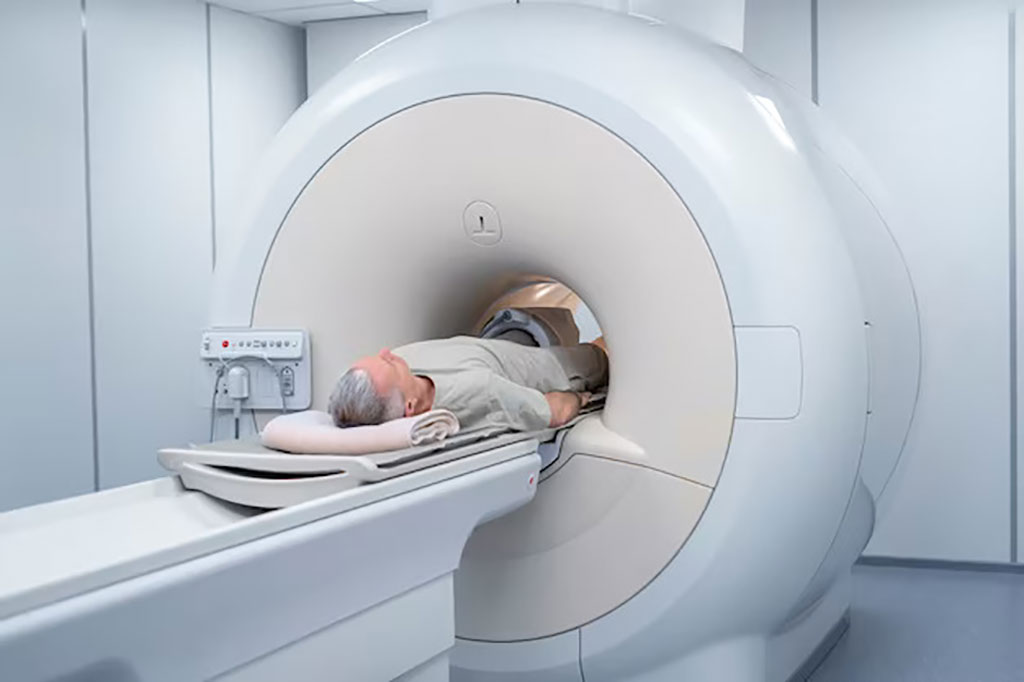
Among the 303 men who underwent both tests, 48 (16%) displayed a positive result on the screening MRI indicating cancer, despite having a median PSA density of 1.2 ng/ml. Two-thirds of these individuals had PSA levels below the current screening benchmark of 3 ng/ml, meaning they would not have been referred for further examination based on the current PSA test protocol. Following NHS assessment, 29 men (9.6%) were diagnosed with cancer necessitating treatment, and three men (1%) were diagnosed with low-risk cancer not requiring treatment.
“The thought that half the men with clinically significant cancer had a PSA less than 3 ng/ml and would have been reassured that they didn’t have cancer by a PSA test alone is a sobering one and reiterates the need to consider a new approach to prostate cancer screening,” said Professor Caroline Moore (UCL Surgical & Interventional Science and consultant surgeon at UCLH), chief investigator of the study and NIHR Research Professor. “Our results give an early indication that MRI could offer a more reliable method of detecting potentially serious cancers early, with the added benefit that less than one percent of participants were ‘over-diagnosed’ with low-risk disease. More studies in larger groups are needed to assess this further.”
Related Links:
King’s College London