


Study Suggests Depression Changes Brain Structure
By MedImaging International staff writers
Posted on 01 Aug 2017
A large imaging study has found that depression could result in changes in the structure of the brain.Posted on 01 Aug 2017
The changes were found in the fiber tracts of the white matter of the brains of patients with depression. Disruption in brain white matter has previously been linked to motion processing and thinking skill problems in patients.
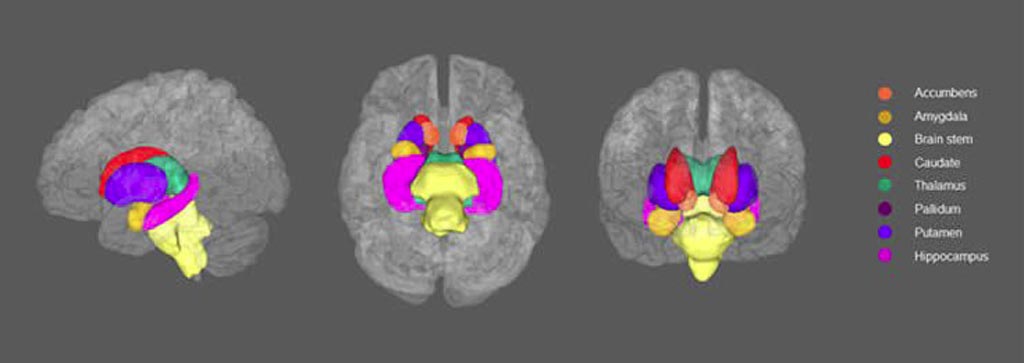
Image: Subcortical structures of interest in left, inferior and anterior view (Photo courtesy of Whalley et al./Scientific Reports).
The study was published online, in the July 17, 2017, issue of the journal Nature: Scientific Reports by scientists from the University of Edinburgh (Edinburgh, Scotland), and from the University of Glasgow (Glasgow, Scotland). This is the largest study of its kind to date, and included nearly 3,500 volunteers from the UK Biobank research resource. The study was part of the Stratifying Resilience and Depression Longitudinally (STRADL) program intended to identify risk factors and find sub-types of depression. The scientists’ goal was to investigate the biology of depression, and help find improved diagnoses and treatments.
The scientists used Magnetic Resonance Imaging (MRI) Diffusion Tensor Imaging (DTI) scans to map and investigate the white matter integrity of the brain. The results showed that white matter integrity was only less in people with depression-like symptoms, but not in people without depression. Symptoms of depression include exhaustion, a low mood, and feelings of emptiness for example.
Senior Research Fellow from the Division of Psychiatry at the University of Edinburgh, Heather Whalley, said, "This study uses data from the largest single sample published to date and shows that people with depression have changes in the white matter wiring of their brain. There is an urgent need to provide treatment for depression and an improved understanding of it mechanisms will give us a better chance of developing new and more effective methods of treatment. Our next steps will be to look at how the absence of changes in the brain relates to better protection from distress and low mood."
Related Links:
University of Edinburgh
University of Glasgow



 Guided Devices.jpg)

Ultrasound-Guided Biopsy & Visualization Tools
Endoscopic Ultrasound (EUS) Guided Devices
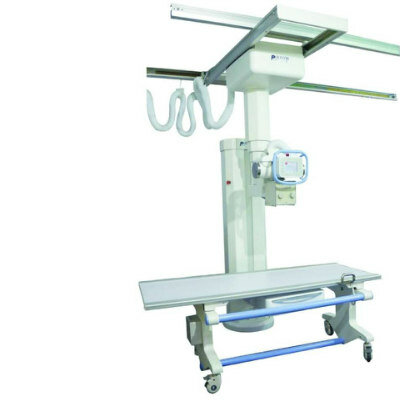

Digital Radiography System
DR-300

High-Precision QA Tool
DEXA Phantom

Ultrasound Needle Guidance System
SonoSite L25