


Whole-Body MRI Shown Very Accurate in Early Detection of Breast Cancer Metastases
By MedImaging International staff writers
Posted on 21 Jun 2010
Whole-body magnetic resonance imaging (MRI) should be the imaging modality of choice for the detection of breast cancer metastases because it is highly accurate and can identify bone metastases while a patient is still asymptomatic, according to new findings. Posted on 21 Jun 2010
Whole-body MRI is a noninvasive medical technique that helps physicians diagnose and treat breast cancer. Breast cancer cells typically spread to the bones, lungs, liver, or brain. Metastatic breast cancer tumors may be found before or at the same time as the primary tumor, or months and even years later. "It is important that we detect metastases early in order to ensure the patient is getting the appropriate treatment. This study shows that whole-body MRI can accomplish this task and is ready to be used for this indication,” said Joshita Singh, M.D, lead author of the study.
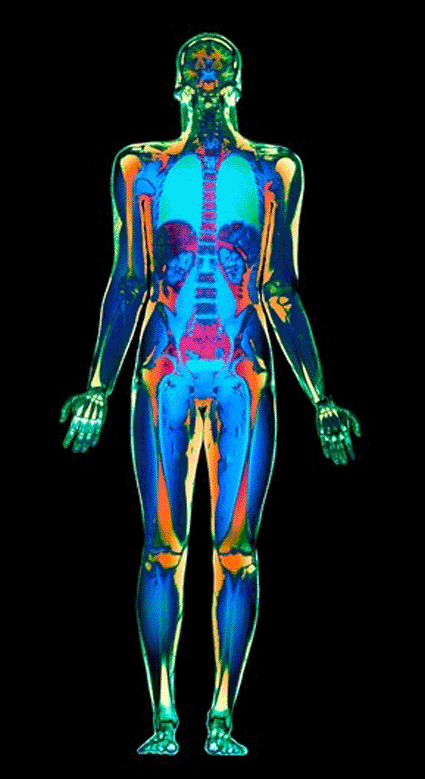
Image: Colored magnetic resonance imaging (MRI) scan of the whole body of a man in coronal (frontal) section (Photo courtesy of Simon Fraser / SPL).
In addition to MRI scanning, other imaging modalities commonly used to detect breast cancer metastases include positron emission tomography--computed tomography (PET/CT), chest X-rays, bone scans, and ultrasound of the abdomen and pelvis.
The study, performed at Deenanath Mangeshkar Hospital and Research Center (Pune, India, included 99 patients with known breast cancer who were evaluated for metastases using whole-body MRI. "Of the 99 patients, MRI accurately revealed that 47 patients were positive for metastases while 52 were negative. Of those patients who were positive for metastases, whole-body MRI frequently detected bone metastases earlier when the patient was still asymptomatic,” said Dr. Singh. "As our study suggests whole-body MRI is an effective tool for the detection of metastases and unlike other procedures commonly used in this role, it emits no radiation. We highly recommend that whole-body MRI be the imaging modality of choice for the detection of metastases in patients with breast cancer,” she said.
The study findings were presented May 6, 2010, at the American Roentgen Ray Society (ARRS) 2010 annual meeting in San Diego, CA, USA.
Related Links:
Deenanath Mangeshkar Hospital and Research Center




X-ray Diagnostic System
FDX Visionary-A
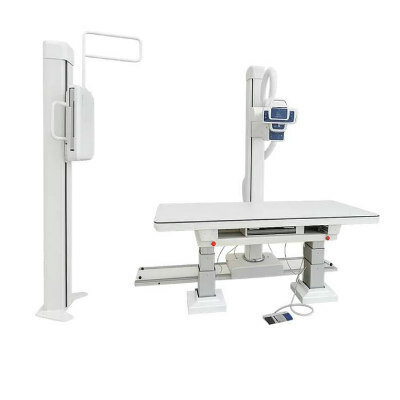

Floor‑Mounted Digital X‑Ray System
MasteRad MX30+
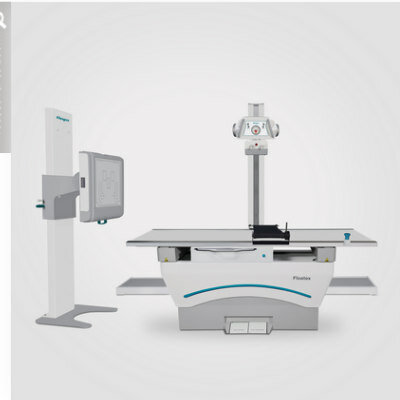

Digital Radiography System (Ceiling Free)
Digix CF Series
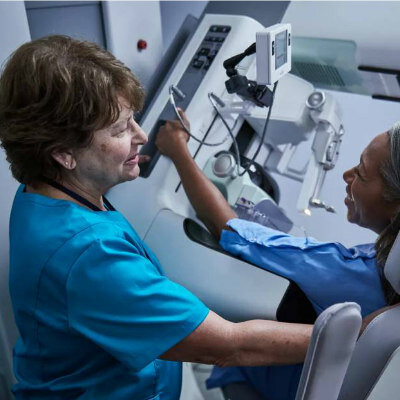

Biopsy Software
Affirm® Contrast