


Expanded Implementation of PACS in Europe
By HospiMedica staff writers
Posted on 10 Mar 2006
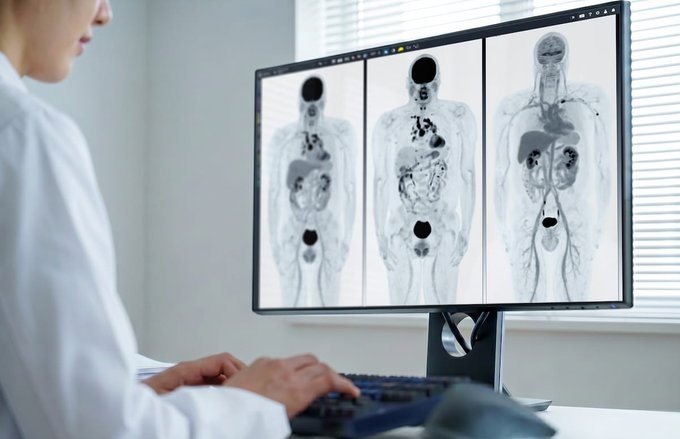
The need for improved workflows in radiology departments across Europe has led to the growing demand for picture archiving and communication systems (PACS). At the same time, the enhanced functionality and scope of PACS hardware and projects are leading to a quick return on investment (ROI), ensuring a significant rise in unit sales.Posted on 10 Mar 2006
"While today's end users do not require convincing about the workflow benefits of PACS, the considerable amount of capital outlay required has been the key factor limiting market growth,” noted Martin Bryant, research analyst at Frost & Sullivan (Palo Alto, CA, USA), an international growth consultancy company. "However, as the scope of PACS improves, end users are becoming more optimistic about the speed of ROI and this will boost unit shipments of PACS.”
Workflow design has become an essential part of the PACS services spectrum, expanding it (beyond technical services) into the field of professional services. Therefore, vendors should offer a range of professional services and develop a portfolio comprising consulting services, project management, systems integration, and networking, training as well as support services to meet end-user requirements effectively.
Companies that manage their internal cost structures and organizational costs most efficiently will be able to provide greater functionality at competitive prices without affecting their profit margins, according to Frost & Sullivan. This will ensure the conversion of unit shipment growth into a corresponding rise in revenues.
Vendors have also broadened their workstation product range to modify their product specifications to develop a clear distinction between primary diagnosis, secondary, and tertiary review. As a result, equipping hospital enterprises with PACS is likely to be a less capital-intensive undertaking, as low-end tertiary review stations can be installed in locations such as emergency rooms. This will lead to significant cost savings to end users, thereby enhancing the uptake of PACS.
The need to restrain healthcare expenditure in Europe has led to the introduction of large-scale purchasing initiatives, which enable healthcare authorities to negotiate huge discounts and this is likely to endanger vendor profit margins. The flexibility of scalable application service provider (ASP) models is also likely to support market growth. Additionally, with vendors embracing a solutions-driven professional services market, revenues are projected to increase from US$146.5 million in 2005 to an estimated $261.2 million by 2012.
Related Links:
Frost & Sullivan




High-Precision QA Tool
DEXA Phantom

Breast Localization System
MAMMOREP LOOP


Computed Tomography System
Aquilion ONE / INSIGHT Edition

Portable X-ray Unit
AJEX140H