


AI Model Detects Hidden Cancers on CT Scans in Asymptomatic Individuals
Posted on 03 Oct 2023
Pancreatic cancer ranks high among the leading causes of cancer-related deaths and has a bleak prognosis with nearly 70% of those diagnosed succumbing within the first year. A significant obstacle to early detection is that 40% of small pancreatic cancers go unnoticed in CT scans until they progress to a stage that is untreatable. This creates a severe limitation for early detection strategies, making imaging technology the last piece of the puzzle in catching cancer when it is still curable.
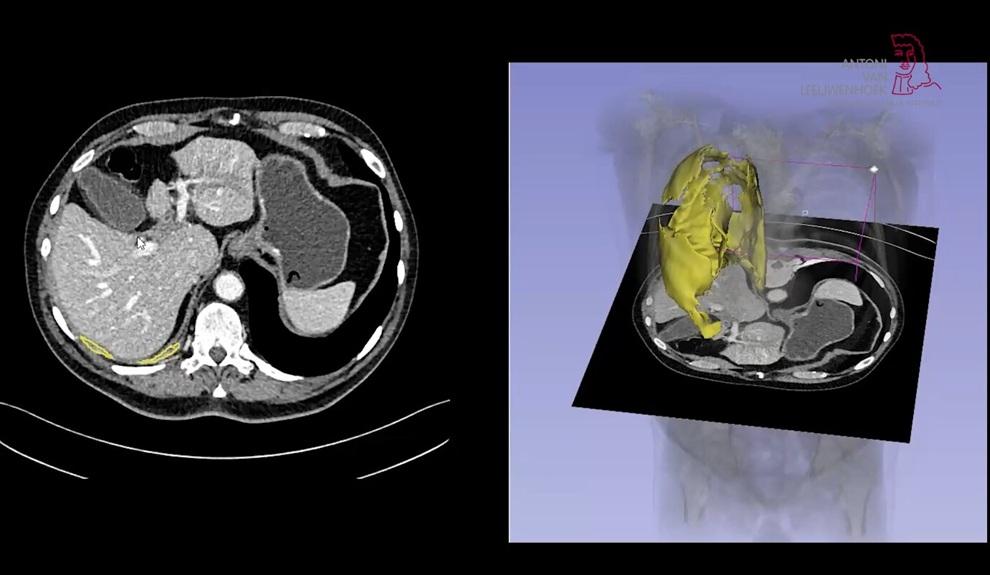
Researchers at Mayo Clinic (Rochester, MN, USA) have made a breakthrough by creating an artificial intelligence (AI) model capable of autonomously detecting pancreatic cancer in its early stages using standard CT scans. The AI model considered highly accurate, was trained on the world's most extensive and diverse imaging dataset, which included over 3,000 patients. This training enables the model to automatically detect even small tumors that are usually hard to spot.
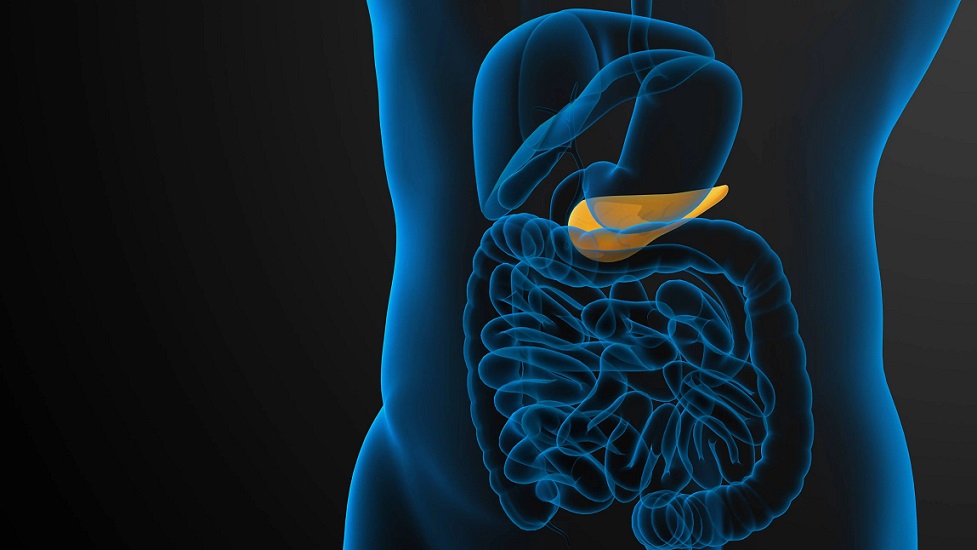
What's particularly noteworthy is that this AI model has the capability to identify cancer that is nearly invisible on prediagnostic CT scans—those taken from three to 36 months before a clinical diagnosis is made. Impressively, the model can catch these cancers a median of 438 days prior to traditional clinical diagnosis. Moreover, the model holds up well across different patient demographics and remains accurate even when varying scanning equipment and imaging techniques are used. This adaptability is essential for the technology to be useful in a broad range of healthcare settings.
"This is where the study emerges as a beacon of hope," said Ajit H. Goenka, M.D., a Mayo Clinic radiologist and principal investigator. "It addresses the last-mile challenge — detecting the cancer at a stage when the cancer is even beyond the scope of experts."
"These findings suggest that AI has the potential to detect hidden cancers in asymptomatic individuals, allowing for surgical treatment at a stage when a cure is still achievable," Dr. Goenka added.
Related Links:
Mayo Clinic



 Guided Devices.jpg)