


Health Center Replaces Manual Processes to Improve Compliance
|
By MedImaging International staff writers Posted on 18 Jan 2010 |


|
Diagnostic departments are finding significant advantages in speech recognition, clinical communication tools, and patient-outcome analysis capabilities despite information technology (IT) purchasing constraints.
Nuance Communications, Inc. (Burlington, MA, USA) announced that Renown Health, northern Nevada's largest not-for-profit health network, and University of Wisconsin (UW) Health, which represents the five academic healthcare entities of the University of Wisconsin-Madison (USA), have both included Nuance's diagnostic imaging solutions as part of their enterprise IT portfolio.
A primary goal of healthcare reform is to "bend the healthcare spending curve,” an initiative geared at slowing and reducing the amount of money spent annually on healthcare while simultaneously improving the quality of care delivered. While a contributing factor to growing industry costs has been the increased use of medical technology, there is plentiful evidence that healthcare IT solutions that replace older technologies and manual processes, can actually result in lower costs and improved care. One example of how technology can save the industry money vs. increasing spending is the shift from traditional medical transcription for clinical documentation to the use of speech recognition for radiology reporting.
"Today, nearly 100 radiologists and 50 fellows and residents use speech recognition across multiple UW Health sites to report on more than 250,000 exams annually. Because we've added speech recognition to the radiology reporting workflow, we are able to create reports instantaneously, whereas five years ago it might have taken two-four days to finalize a report,” said Gary Wendt, M.D., MBA, enterprise director of medical imaging at UW Health. "Speech recognition has helped UW Health to significantly bend the cost curve with estimated medical transcription savings at nearly US$400,000. In the next year, we expect to double the amount of radiology reports we create with speech recognition, and expect our savings to increase even more.”
Beyond the use of healthcare IT systems for controlling cost growth, patient safety, and compliance are also areas in which technology can contribute significant benefits. In 2006, nearly two-thirds of hospitals surveyed by The Joint Commission failed to meet the accreditation requirement for communication of critical test results. To combat this problem, The Joint Commission Standards for U.S. patient safety now require that hospitals improve the effectiveness of caregiver communication and track the results for critical tests and diagnostic procedures in a timely basis. Because getting information to the right clinician in a timely manner can be challenging, healthcare organizations, such as Renown Health, are deploying Veriphy. Veriphy is a critical test result management (CTRM) system that will provide Renown Health the ability to consistently track, document, and improve the effectiveness and timeliness of communicating critical results to the responsible caregiver for a patient. Renown Health will deploy Veriphy as its standard process for communication and documentation amongst ordering clinicians and radiologists.
"Patient safety and compliance is core to our hospital's mission. We believe that by adding the right mix of healthcare IT to our workflow, we will be able to improve the way we serve patients, create a safer environment for care, and enhance our ability to comply with industry regulatory requirements,” said Christine Wells, director of outpatient imaging, Renown Health. "Renown Health will deploy Nuance's RadWhere, Veriphy, and RadCube solutions in March 2010. As part of the roll-out, we will replace manual medical transcription, manual critical communication processes, and will gain intelligence on diagnostic imaging utilization and physician ordering habits; this knowledge will help us drive the best patient outcomes possible.”
To ensure readily available and highly accurate clinical documentation, Renown Health will use Nuance's RadWhere, a radiology reporting solution with accuracy rates up to 99%. At the core of the RadWhere application is the latest in structured speech recognition technology, optimized specifically for the radiology domain to work within picture archiving and communication system (PACS) and radiology information system (RIS) environments and significantly reduce or eliminate the need for transcription. Radiologists may complete reports in real-time with free-text speech recognition, standard site templates, individual radiologist templates, and other features focused on meeting the industry need for reduced turnaround time, increased accuracy, and consistency of reporting, as well as improved provider efficiency.
Renown Health will also deploy Nuance's RadCube software system, a Web-based intelligence tool for the collection, analysis, and sharing of data (i.e., decision-support, ordering, patient outcome information) that can be viewed via one interface for instantaneous analytics to drive appropriate order monitoring, forecasting, and provider productivity. Renown Health will also have access to the de-identified, aggregate data of all medical groups using RadCube, thereby improving the their knowledge of which diagnostic imaging tests produce the best patient outcomes.
"UW Health and Renown Health are two forward thinking customers that have recognized the substantial impact that Nuance's Diagnostic IT solutions can have on an organization's work processes and bottom-line. Technologies that enable clinical decision-support, speech-driven reporting, patient outcomes analysis, and automated caregiver communication are proven examples of how the healthcare cost curve can be bent while patient care, provider productivity and satisfaction simultaneously improve,” said Peter Durlach, senior vice president product strategy and marketing, Nuance Healthcare. "To ensure healthcare organizations can easily acquire these technologies in an economic time when capital purchases can be difficult to execute, we have designed a flexible, transactional pricing model that will generate immediate ROI [return on investment] for our customers with little or no upfront capital investment.”
Related Links:
Nuance Communications
Renown Health
University of Wisconsin Health



Nuance Communications, Inc. (Burlington, MA, USA) announced that Renown Health, northern Nevada's largest not-for-profit health network, and University of Wisconsin (UW) Health, which represents the five academic healthcare entities of the University of Wisconsin-Madison (USA), have both included Nuance's diagnostic imaging solutions as part of their enterprise IT portfolio.
A primary goal of healthcare reform is to "bend the healthcare spending curve,” an initiative geared at slowing and reducing the amount of money spent annually on healthcare while simultaneously improving the quality of care delivered. While a contributing factor to growing industry costs has been the increased use of medical technology, there is plentiful evidence that healthcare IT solutions that replace older technologies and manual processes, can actually result in lower costs and improved care. One example of how technology can save the industry money vs. increasing spending is the shift from traditional medical transcription for clinical documentation to the use of speech recognition for radiology reporting.
"Today, nearly 100 radiologists and 50 fellows and residents use speech recognition across multiple UW Health sites to report on more than 250,000 exams annually. Because we've added speech recognition to the radiology reporting workflow, we are able to create reports instantaneously, whereas five years ago it might have taken two-four days to finalize a report,” said Gary Wendt, M.D., MBA, enterprise director of medical imaging at UW Health. "Speech recognition has helped UW Health to significantly bend the cost curve with estimated medical transcription savings at nearly US$400,000. In the next year, we expect to double the amount of radiology reports we create with speech recognition, and expect our savings to increase even more.”
Beyond the use of healthcare IT systems for controlling cost growth, patient safety, and compliance are also areas in which technology can contribute significant benefits. In 2006, nearly two-thirds of hospitals surveyed by The Joint Commission failed to meet the accreditation requirement for communication of critical test results. To combat this problem, The Joint Commission Standards for U.S. patient safety now require that hospitals improve the effectiveness of caregiver communication and track the results for critical tests and diagnostic procedures in a timely basis. Because getting information to the right clinician in a timely manner can be challenging, healthcare organizations, such as Renown Health, are deploying Veriphy. Veriphy is a critical test result management (CTRM) system that will provide Renown Health the ability to consistently track, document, and improve the effectiveness and timeliness of communicating critical results to the responsible caregiver for a patient. Renown Health will deploy Veriphy as its standard process for communication and documentation amongst ordering clinicians and radiologists.
"Patient safety and compliance is core to our hospital's mission. We believe that by adding the right mix of healthcare IT to our workflow, we will be able to improve the way we serve patients, create a safer environment for care, and enhance our ability to comply with industry regulatory requirements,” said Christine Wells, director of outpatient imaging, Renown Health. "Renown Health will deploy Nuance's RadWhere, Veriphy, and RadCube solutions in March 2010. As part of the roll-out, we will replace manual medical transcription, manual critical communication processes, and will gain intelligence on diagnostic imaging utilization and physician ordering habits; this knowledge will help us drive the best patient outcomes possible.”
To ensure readily available and highly accurate clinical documentation, Renown Health will use Nuance's RadWhere, a radiology reporting solution with accuracy rates up to 99%. At the core of the RadWhere application is the latest in structured speech recognition technology, optimized specifically for the radiology domain to work within picture archiving and communication system (PACS) and radiology information system (RIS) environments and significantly reduce or eliminate the need for transcription. Radiologists may complete reports in real-time with free-text speech recognition, standard site templates, individual radiologist templates, and other features focused on meeting the industry need for reduced turnaround time, increased accuracy, and consistency of reporting, as well as improved provider efficiency.
Renown Health will also deploy Nuance's RadCube software system, a Web-based intelligence tool for the collection, analysis, and sharing of data (i.e., decision-support, ordering, patient outcome information) that can be viewed via one interface for instantaneous analytics to drive appropriate order monitoring, forecasting, and provider productivity. Renown Health will also have access to the de-identified, aggregate data of all medical groups using RadCube, thereby improving the their knowledge of which diagnostic imaging tests produce the best patient outcomes.
"UW Health and Renown Health are two forward thinking customers that have recognized the substantial impact that Nuance's Diagnostic IT solutions can have on an organization's work processes and bottom-line. Technologies that enable clinical decision-support, speech-driven reporting, patient outcomes analysis, and automated caregiver communication are proven examples of how the healthcare cost curve can be bent while patient care, provider productivity and satisfaction simultaneously improve,” said Peter Durlach, senior vice president product strategy and marketing, Nuance Healthcare. "To ensure healthcare organizations can easily acquire these technologies in an economic time when capital purchases can be difficult to execute, we have designed a flexible, transactional pricing model that will generate immediate ROI [return on investment] for our customers with little or no upfront capital investment.”
Related Links:
Nuance Communications
Renown Health
University of Wisconsin Health

Multi-Use Ultrasound Table
Clinton
Diagnostic Ultrasound System
DC-80A
Digital Radiography System
DR-300
X-Ray Illuminator
X-Ray Viewbox Illuminators
Latest Imaging IT News
- Interactive AI Tool Supports Explainable Lung Nodule Assessment
- Breast Imaging Software Enhances Visualization and Tissue Characterization in Challenging Cases
- New Google Cloud Medical Imaging Suite Makes Imaging Healthcare Data More Accessible
- Global AI in Medical Diagnostics Market to Be Driven by Demand for Image Recognition in Radiology
- AI-Based Mammography Triage Software Helps Dramatically Improve Interpretation Process
- Artificial Intelligence (AI) Program Accurately Predicts Lung Cancer Risk from CT Images
- Image Management Platform Streamlines Treatment Plans
- AI-Based Technology for Ultrasound Image Analysis Receives FDA Approval
- AI Technology for Detecting Breast Cancer Receives CE Mark Approval
- Digital Pathology Software Improves Workflow Efficiency
Channels
Radiography
view channel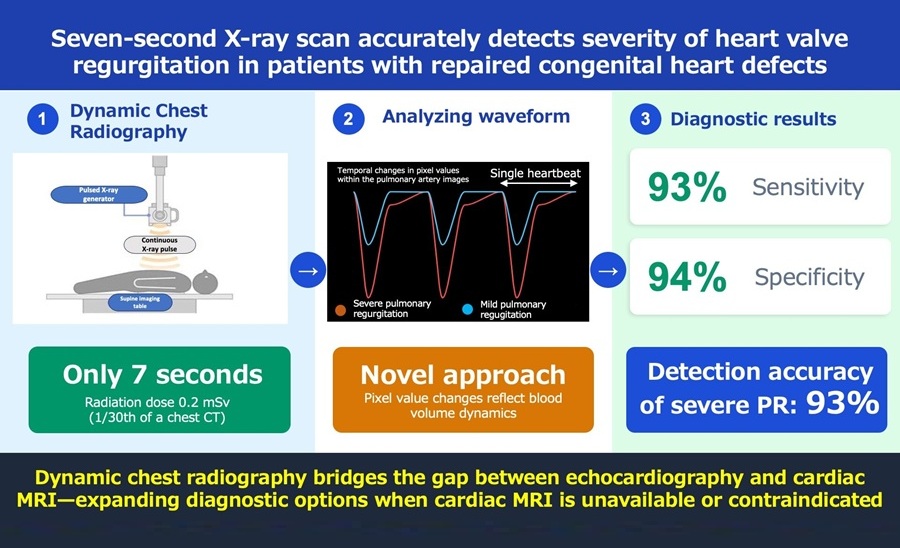
Rapid X-Ray Test Quantifies Pulmonary Regurgitation After Tetralogy of Fallot Repair
Tetralogy of Fallot is the most common cyanotic congenital heart defect and can leave patients with pulmonary valve regurgitation, a backward flow of blood into the right ventricle after repair.... Read more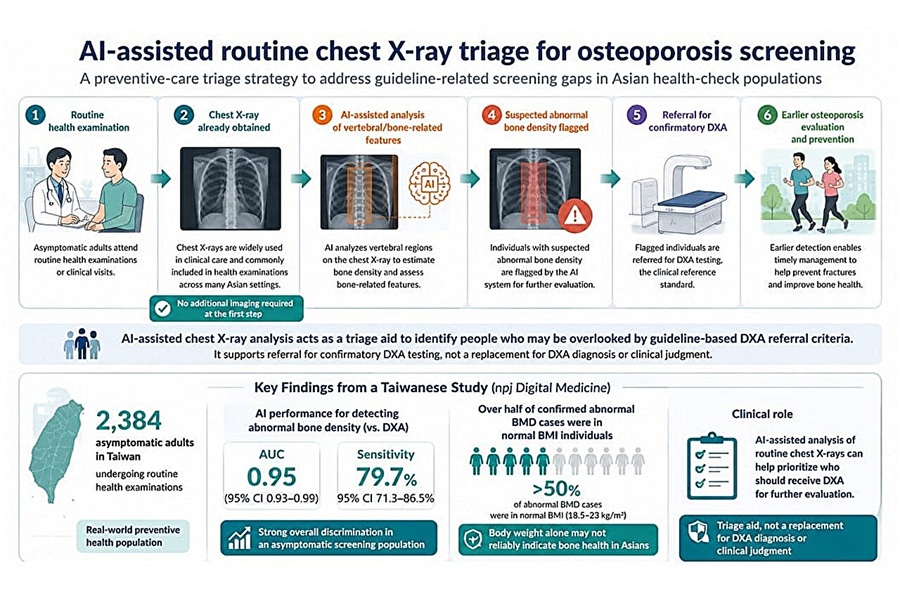
AI Tool Flags Osteoporosis Risk from Routine Chest X-Rays
Osteoporosis is a progressive loss of bone density that is often silent until a fracture occurs. Current screening frameworks concentrate on older women and select high-risk groups. Many men, younger adults,... Read more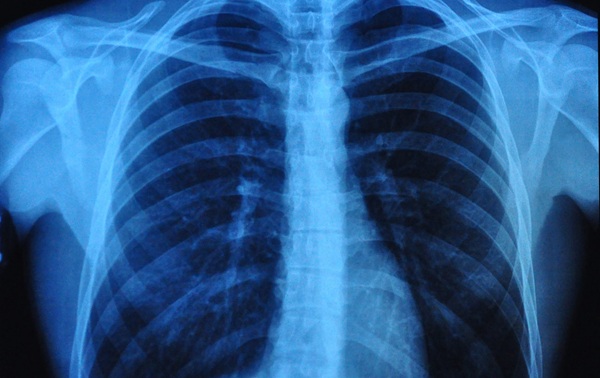
MRI
view channel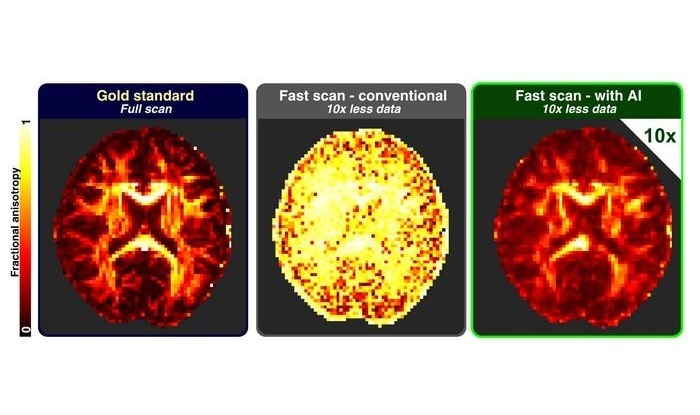
AI Approach Could Shorten Advanced Brain MRI Scans by Up to 90%
Long acquisition times for advanced brain magnetic resonance imaging (MRI) can limit access, extend waiting lists, and disrupt clinical workflows. Reducing data requirements without sacrificing image fidelity... Read more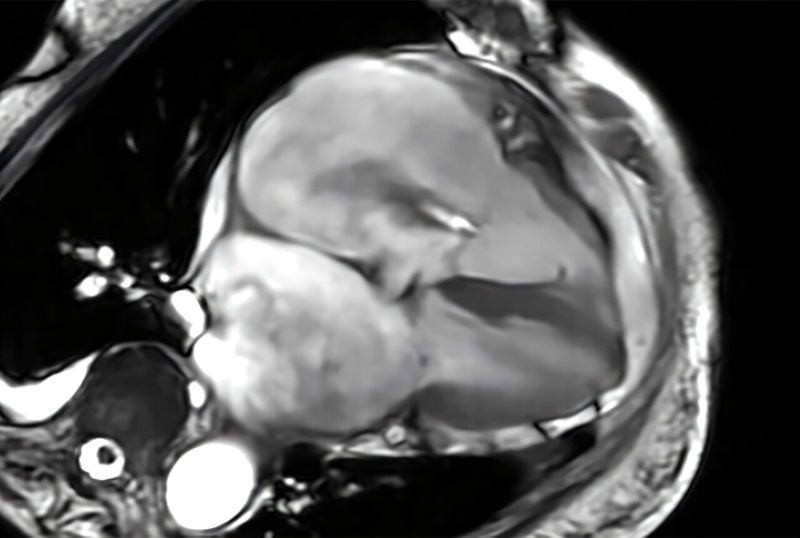
Cardiac MRI Measure Improves Risk Prediction in Tricuspid Regurgitation
Tricuspid regurgitation, in which blood flows back from the right ventricle into the right atrium, can lead to progressive right-sided heart failure. Clinicians need reliable ways to gauge severity and... Read more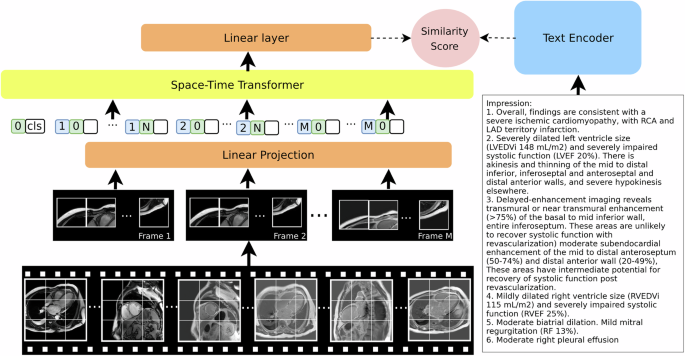

Ultrasound
view channel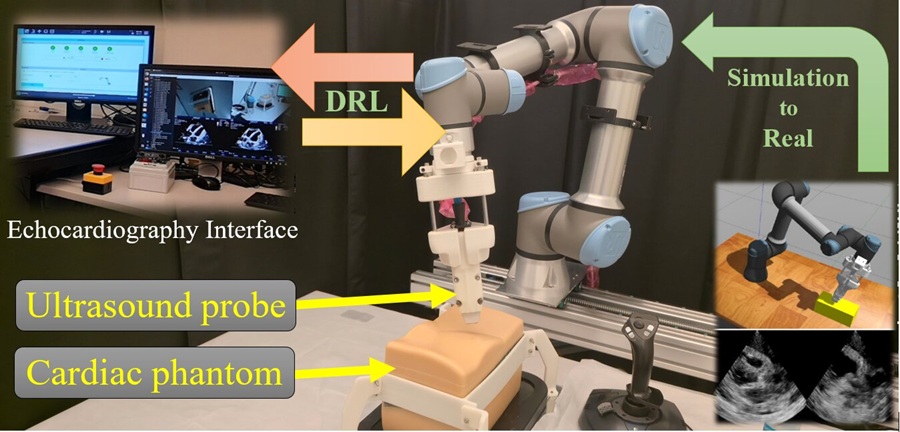
AI Robotic Ultrasound System Automates Echocardiography and Improves Consistency
Echocardiography, an ultrasound examination of the heart, is central to diagnosing and managing cardiovascular disease. Many services struggle with limited availability of skilled sonographers, variable... Read more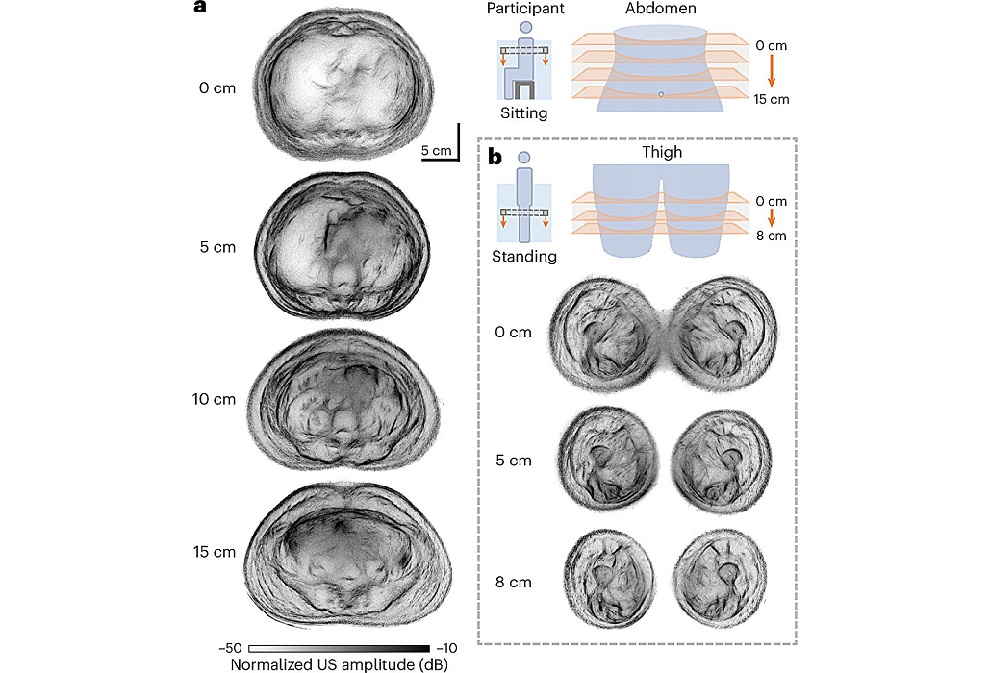
Whole Cross-Section Ultrasound System Enables Operator-Independent Imaging
Conventional ultrasound is central to bedside imaging but is limited by a narrow field of view and operator variability. Comprehensive cross-sectional assessment typically requires computed tomography... Read more
Nuclear Medicine
view channel![Image: (A-C) Representative whole-body maximum-intensity projection images and regional fused PET/CT images from three histologically confirmed osteosarcoma patients who underwent paired [68Ga]Ga-B7-H3-BCH PET/CT and 18F-FDGE PET/CT within 7 days. (D) Multimodal imaging evaluation of patient 3, including X-ray, MRI (T2-weighted imaging, T2WI), CT, and B7-H3 PET/CT. (Photo courtesy of SNMMI)](https://globetechcdn.com/mobile_medicalimaging/images/stories/articles/article_images/2026-06-07/294811110_image_1.jpg "Image: (A-C) Representative whole-body maximum-intensity projection images and regional fused PET/CT images from three histologically confirmed osteosarcoma patients who underwent paired [68Ga]Ga-B7-H3-BCH PET/CT and 18F-FDGE PET/CT within 7 days. (D) Multimodal imaging evaluation of patient 3, including X-ray, MRI (T2-weighted imaging, T2WI), CT, and B7-H3 PET/CT. (Photo courtesy of SNMMI)")
Targeted PET Platform Guides Osteosarcoma Resection and Margin Verification
Osteosarcoma, an aggressive primary bone cancer that mainly affects children and adolescents, demands wide excision to prevent local recurrence. Surgeons must achieve negative margins while preserving... Read more
Portable PET System Enables Real-Time Bedside Guidance for Biopsies and Ablations
Interventional radiology procedures typically rely on ultrasound, X-ray fluoroscopy, or computed tomography for image guidance. These modalities visualize anatomy but offer limited molecular information,... Read more

General/Advanced Imaging
view channel
New SPECT/CT Method Differentiates Inflammation from Fibrosis in Interstitial Lung Disease
Interstitial lung disease (ILD) encompasses more than 200 disorders that inflame or scar the lung interstitium and can lead to progressive respiratory failure. Determining whether active inflammation is... Read more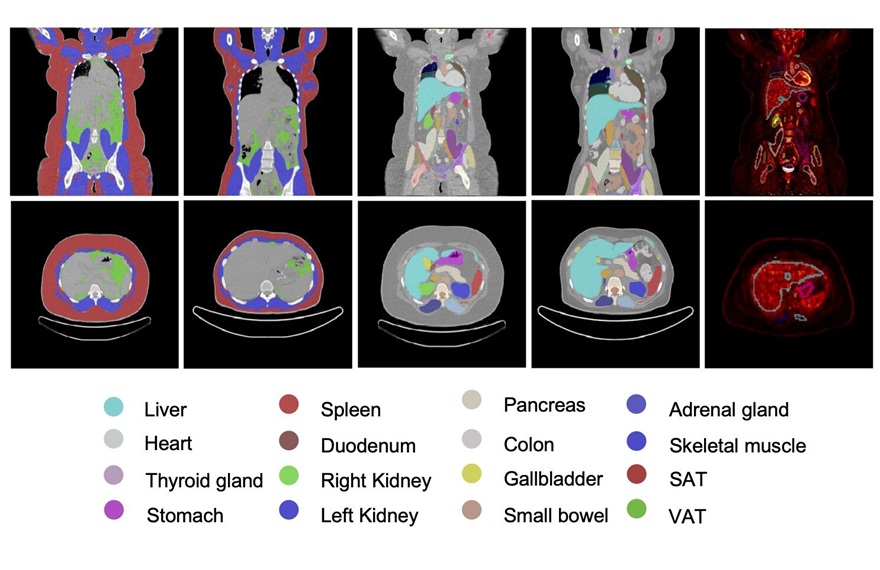
Whole-Body PET/CT Tracks Metabolic Changes After Bariatric Surgery
Obesity surgery improves weight and comorbidity profiles, yet clinicians lack tools to monitor organ-level metabolic recovery after the procedure. A clear view of systemic changes could refine follow-up... Read more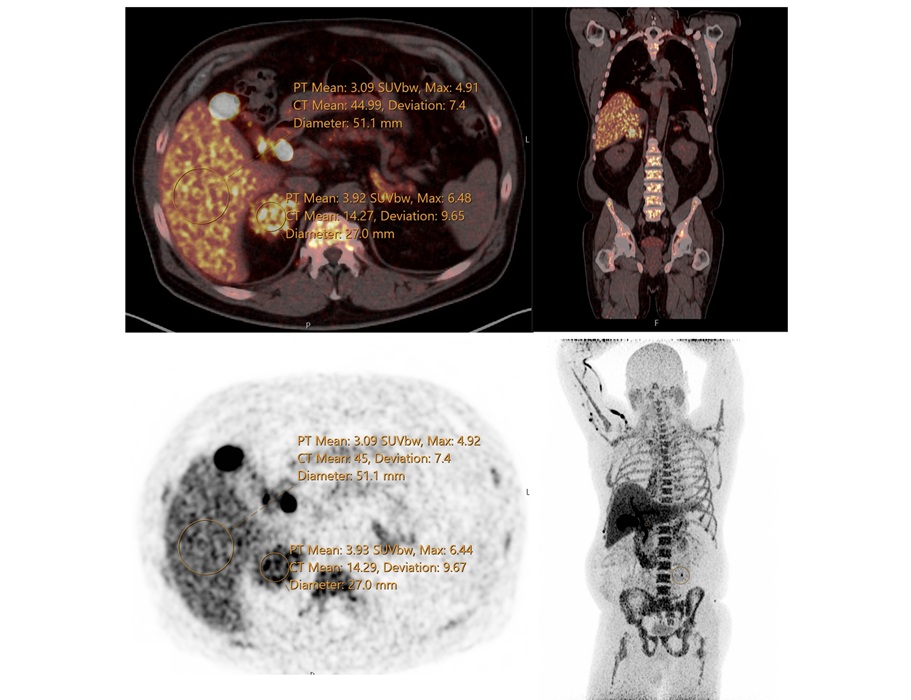
Industry News
view channel
GE HealthCare Showcases AI-Enabled Nuclear Medicine Portfolio at SNMMI 2026
Nuclear medicine is expanding rapidly as health systems adopt theranostics and broaden access to radiopharmaceuticals, increasing demand for scalable operations and consistent diagnostic confidence.... Read more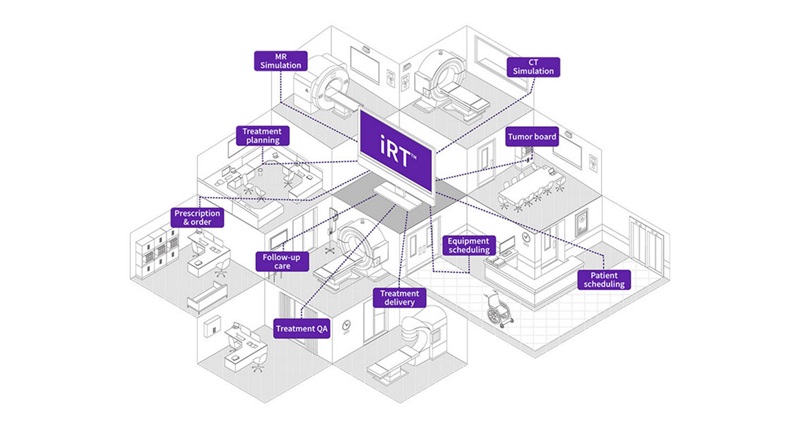
GE HealthCare Highlights AI-Supported Radiation Therapy Tools at ESTRO 2026
At the European Society for Radiotherapy and Oncology (ESTRO) 2026 Congress in Stockholm, GE HealthCare is highlighting Intelligent Radiation Therapy (iRT), MIM Software innovations, and BK Medical surgical... Read more